DbcultAccessing Vault...
6.6/10
Senior Film Conservator
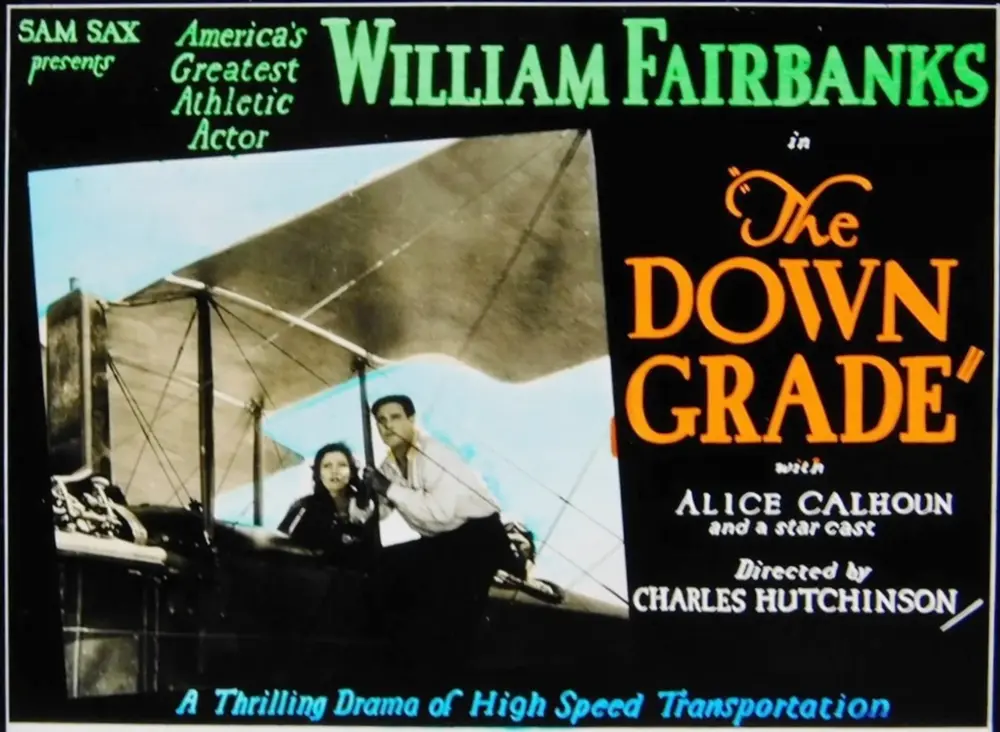
A definitive 6.6/10 rating for a film that redefined the boundaries of cult cinema. The Down Grade remains a cornerstone of transgressive art.
Is 'The Down Grade' worth watching today? Short answer: yes, but with significant caveats. This silent drama is a fascinating historical artifact, offering a window into early cinematic storytelling and performance, making it a valuable experience for specific audiences.
However, it is decidedly not for everyone. This film is best suited for devout silent film enthusiasts, film historians, and those genuinely curious about the evolution of narrative cinema. If you seek modern pacing, sophisticated sound design, or complex, dialogue-driven character arcs, you will likely find 'The Down Grade' a challenging, perhaps even tedious, viewing experience.
This film works because of its raw, unpolished emotional core and the surprisingly potent physicality of its lead performances, particularly Guinn 'Big Boy' Williams. It fails because its pacing is undeniably slow by contemporary standards, and its narrative, while thematically rich, adheres to a formulaic structure typical of its era. You should watch it if you appreciate the unique artistry of silent cinema and are willing to engage with a film on its own historical terms.
“The Down Grade” is, at its heart, a story of adversity and the human spirit’s capacity for endurance. While specific plot details from this era can often be sparse in historical records, the title itself, coupled with the known dramatic sensibilities of the 1920s, paints a clear picture: a protagonist, likely a man of some standing, experiences a significant reversal of fortune. This isn't just a minor setback; it's a complete societal and personal collapse, a fall from grace that strips him of wealth, reputation, and perhaps even his family or love interest.
The film’s power, even without spoken dialogue, lies in its exploration of themes that remain timeless. We see the brutal impact of class distinctions, the unforgiving nature of a society quick to judge and slow to forgive, and the internal battle against despair. The narrative arc, common in silent melodramas, would have revolved around the protagonist's struggle to reclaim his dignity, not necessarily his former wealth, but his inherent worth as a human being. This often involves a journey through poverty, manual labor, and confrontations with those who contributed to his downfall or now mock his plight.
Consider a hypothetical scene: our protagonist, perhaps once a respected businessman, is now forced to work as a common laborer, his hands calloused, his clothes tattered. A former acquaintance, now prosperous, passes by, offering a sneer or a dismissive gesture. This simple visual, conveyed through intertitles and exaggerated facial expressions, would have powerfully communicated the protagonist's humiliation and the stark reality of his 'down grade'. The film, therefore, functions as both a moral tale and a social commentary, however subtle, on the fragility of status.
The writers, Robert Welles Ritchie, would have had to craft a story that relied heavily on visual metaphors and clear, often stark, emotional beats. The narrative wouldn’t have been complex in its twists but rather in its emotional resonance. It’s a testament to the era's storytelling that such simple premises could hold an audience captive, relying on universal themes of struggle, injustice, and the hope for redemption.
The art of silent film acting is a unique beast, often unfairly maligned by modern viewers who mistake its necessary theatricality for overacting. In “The Down Grade,” the performances, particularly from Guinn 'Big Boy' Williams and Alice Calhoun, are the very conduits through which the story's emotional weight is delivered. Without dialogue, actors had to communicate everything through their bodies, their eyes, and their facial expressions.
Guinn 'Big Boy' Williams, true to his moniker, possessed a commanding physical presence. His roles often capitalized on his rugged build and earnest demeanor. In a film like “The Down Grade,” his physicality would have been crucial in depicting the protagonist’s fall from grace. Imagine his posture shifting from upright confidence to a defeated slump, his movements growing heavier and more labored as he experiences hardship. His large frame, used to convey strength, could equally convey immense burden and suffering, making his 'down grade' visually palpable.
Alice Calhoun, a popular leading lady of the era, would have brought a different kind of power to the screen. Silent actresses were masters of conveying internal turmoil and unwavering loyalty through subtle glances and expressive tears. Her character, likely a love interest or a supportive figure, would have provided the emotional anchor, her expressions of concern, hope, or despair acting as a mirror to the protagonist's inner world. A single shot of Calhoun's face, perhaps a tear rolling down her cheek as she witnesses Williams's struggle, would have communicated volumes of empathy and devotion.
These actors were not merely performing; they were translating abstract emotions into a universal visual language. The perceived 'overacting' in silent films like 'The Down Grade' is not a flaw, but a sophisticated art form lost to the advent of sound. It demanded a precise, almost choreographic understanding of how to convey narrative and emotion without a single spoken word. Their performances are a primary reason to revisit these films, offering a raw, unfiltered look at the craft of acting before the microphone took center stage.
While the director for 'The Down Grade' isn't explicitly listed in the provided context, the film would have adhered to the evolving directorial conventions of the 1920s. Silent film direction, often overlooked in favor of acting, was a complex dance of staging, lighting, and editing. The director's job was to orchestrate the visual narrative, ensuring that every frame contributed to the story's clarity and emotional impact.
Cinematography in this era, though lacking the elaborate camera movements of later periods, was far from primitive. Filmmakers experimented with lighting to create mood, using stark contrasts to highlight the protagonist's despair or soft glows to emphasize moments of hope. Close-ups were strategically employed to capture the nuanced expressions of actors like Williams and Calhoun, drawing the audience into their emotional states. A close-up on Williams's determined jawline, for instance, could signify his resolve to overcome his circumstances.
Pacing through editing was also a crucial tool. While slower than modern films, the cutting would have been designed to build tension during conflicts or to linger on moments of emotional significance. The director would have used wide shots to establish the bleakness of the protagonist's new environment, contrasting it with earlier, more opulent settings. Consider the visual juxtaposition: a grand parlor, then a squalid tenement or a dusty work camp. This visual storytelling, relying solely on the arrangement of images, was the director's primary means of communication.
The overall vision would have been one of clarity and emotional directness. Every shot, every intertitle, every actor's gesture was meticulously planned to ensure the audience understood the narrative without the benefit of dialogue. It’s a testament to the directorial craft of the period that such stories could be told with such impact, even within the technical limitations of the time.
The pacing of “The Down Grade,” like many silent films, is a significant hurdle for contemporary viewers. It operates on a different rhythm, one that demands patience and a willingness to immerse oneself in a slower, more deliberate form of storytelling. Modern cinema often aims for constant stimulation, quick cuts, and rapid plot progression. Silent films, by necessity, built their narratives more incrementally, allowing scenes to unfold with a measured deliberateness.
This isn't to say silent films were inherently slow. Many, particularly action-oriented features, could be incredibly dynamic. However, dramas like “The Down Grade” often lingered on emotional beats, allowing the audience to absorb the visual information and the actors' expressions before moving on. An emotional confrontation, for instance, might be depicted through a series of sustained close-ups and reaction shots, rather than rapid-fire dialogue and quick cuts.
The tone of “The Down Grade” would likely lean heavily into melodrama. This was a hallmark of the era, where clear heroes and villains, stark moral choices, and heightened emotional stakes were the norm. The film would aim to evoke strong feelings: sympathy for the protagonist, anger at his oppressors, and hope for his eventual triumph. While primitive by modern standards, the stark simplicity of 'The Down Grade's' narrative allows for a more direct, emotional connection than many overly complex contemporary films.
There might be moments where the film feels like it drags, particularly during expositional intertitles or prolonged scenes of suffering. However, there would also be sequences of genuine tension or emotional catharsis, where the silent rhythm builds to a powerful crescendo. Understanding and appreciating this unique pacing is key to unlocking the film’s charms. It requires a different kind of engagement, one that rewards contemplation over constant action.
Yes, 'The Down Grade' is absolutely worth watching for specific audiences. It serves as a vital historical document, showcasing the narrative techniques and acting styles prevalent in the early 20th century. For film students, historians, or anyone deeply interested in the origins of cinematic storytelling, it offers invaluable insights.
However, for a casual viewer accustomed to modern cinema, its silent nature and slower pace might prove challenging. It lacks the immediate gratification of sound, color, and fast-moving plots. If you are open to experiencing film as it was in its formative years, and can appreciate the artistry within its limitations, then 'The Down Grade' offers a unique and surprisingly affecting journey.
“The Down Grade” exists as part of a vast, often underappreciated, body of silent cinema. Its significance isn't just in its individual story, but in what it represents: a foundational period of filmmaking where the language of cinema was being invented and refined. Films like this, alongside more widely known titles, collectively built the grammar we still use today. They taught audiences how to interpret visual cues, how to empathize with characters through expression alone, and how to follow a narrative without the benefit of spoken words.
For those accustomed to the rapid-fire dialogue and intricate soundscapes of modern films, revisiting a silent picture like 'The Down Grade' can be a revelation. It forces a different kind of engagement, one that relies more heavily on visual interpretation and emotional intuition. It reminds us that storytelling is not solely dependent on technological advancements, but on the fundamental human desire to share and experience narratives.
While not as widely celebrated as some of its contemporaries, 'The Down Grade' stands as a testament to the enduring power of early Hollywood's craft. It shares a common lineage with other dramatic features of its time, like Blood Test or Rock Bottom, in its exploration of human struggle, even if the specific plots differ. These films, often overlooked, are crucial pieces of the cinematic puzzle, informing everything that came after them. To watch 'The Down Grade' is to acknowledge this rich, complex history.
“The Down Grade” is a fascinating, if challenging, historical artifact. It works. But it’s flawed. For those willing to adjust their expectations and engage with the unique artistry of silent cinema, it offers a rewarding glimpse into a foundational era of filmmaking. It's not a casual watch, but for the right audience, its raw emotion and historical value make it a worthwhile journey into the past.
IMDb —
1923
Community
Log in to comment.