DbcultAccessing Vault...
Cult Review
Senior Film Conservator
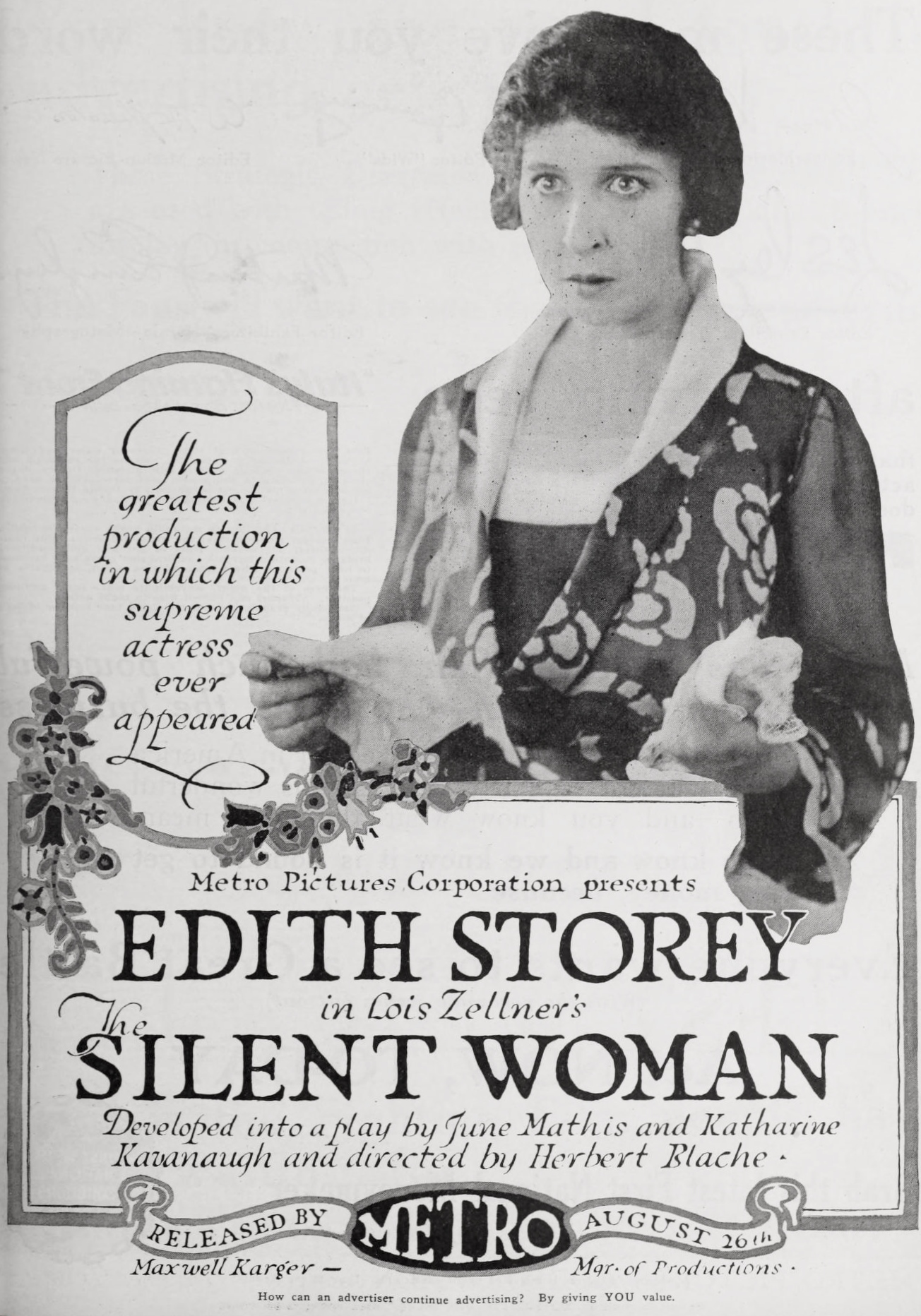
The first time I watched The Silent Woman, a 35 mm print flecked like frostbite, I expected another lumber-camp potboiler. Instead I got a glacier in melodramatic drag: a film that knows how to weaponize negative space—snowbanks swallowing footprints, doorframes chewing bodies, silence louder than any title card.
Director Lois Zellner, armed with a scenario by June Mathis and Katharine Kavanaugh, turns the Northern Ontario wilderness into an emotional echo chamber. Trees don’t just tower; they judge. The river doesn’t merely flow; it testifies. Every log that shoots down the flume feels like a verdict on somebody’s soul.
Joseph Kilgour’s camera stalks the camp at ankle height, turning sawdust into a living manuscript. In one bravura shot, the lens glides behind Mary’s velvet cloak as she ascends the stairs toward Clifford’s room; the cloak’s hem drags like a guilty signature across the frame. When she plummets moments later, Kilgour cuts to an overhead vantage: her body sprawled like a dark exclamation mark on the parchment of the staircase. The absence of a musical score (in the restoration I saw) amplifies the thud—an obscene metronome marking the switch from wife to corpse.
Compare this to the candle-lit interiors of O aniforos tou Golgotha, where martyrdom glows with Orthodox gold leaf. Here, salvation is monochrome, and holiness wears mittens.
Augusta Perry’s Mary is a study in disintegrating composure: the way her gloved fingers keep clutching air, as though hoping to uproot affection from the void. When she combs Billy’s hair, the gesture feels pre-emptively nostalgic, a mother archiving the sensation before she abdicates it.
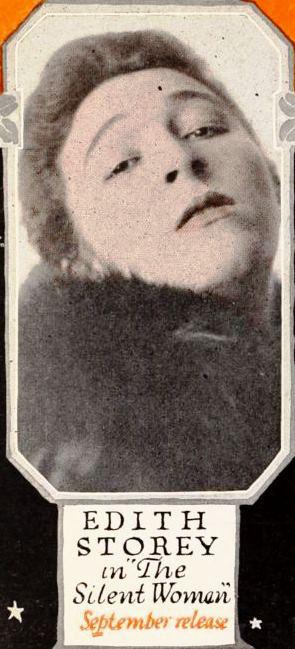
Edith Storey’s Nan, by contrast, is all kinetic empathy. She doesn’t walk into a room; she materializes like warmth on frostbitten skin. Watch the micro-shift in her shoulders when Billy rejects medicine offered by anyone else—there’s a barely perceptible triumph, the quiet ecstasy of being needed. It’s the same expression you see on Lila Leslie’s face in The Sacrifice of Pauline when she realizes suffering can be currency.
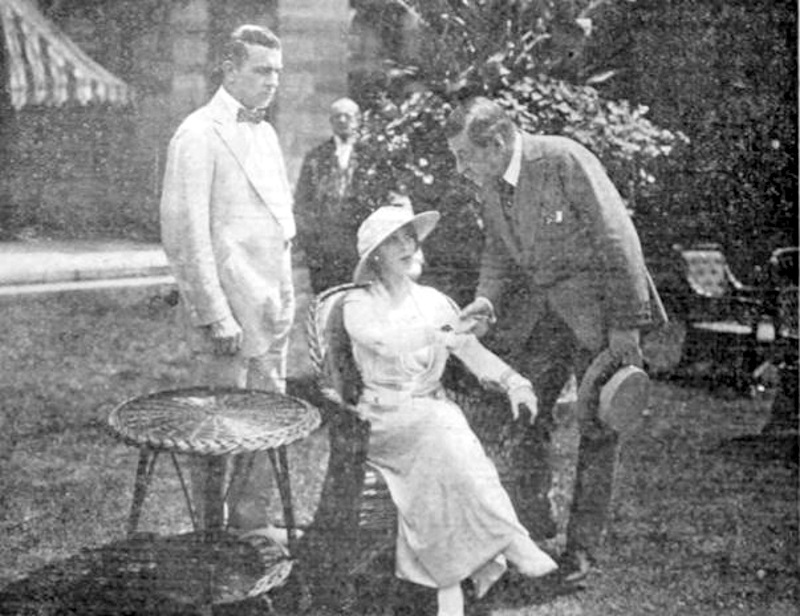
Frank Mills plays John like a man perpetually startled by his own pulse—decent, bewildered, and ultimately culpable in the way only well-meaning men can be. In the penultimate reel, when he grips Nan’s hands and finally sees her, the iris-in doesn’t just close on two faces; it seals a contract of postponed intimacy.
The screenplay folds time like geologic strata. We get ellipses within ellipses: a courtship summarized by a glove dropped in slush, a marriage conveyed through the repositioning of a child’s empty chair. Dialogue intertitles arrive sparingly, often serrated (“She traded lullabies for lies”). Each card is a splinter, not a salve.
Mathis, fresh off her triumph with The Three Musketeers, imports that film’s swashbuckling tempo but drains it of heroics; here, daring deeds are performed by nurses, not swordsmen, and victory means a fever breaking at dawn.
Some scholars slot The Silent Woman beside Under Southern Skies as a regional curio. I’d rather seat it between Honor Thy Name and Laughing Bill Hyde—films that understand marriage as a speculative investment where women routinely pay the margin call.
Mary’s adultery is never pardoned, yet the film refuses to caricature her as harlot. She is, instead, a refugee from her own choices, seeking in Clifford not merely eros but aliveness—the frisson of risk that proves the heart still ticks. Nan’s eventual “triumph” is pyrrhic: she gains the legal title of wife at the cost of being perpetually second-best to a ghost. The final embrace isn’t a restoration but a détente, two survivors agreeing to warm themselves at a fire built from someone else’s letters.
Seen today, the lack of synchronized sound feels less like limitation than aesthetic manifesto. Every creak of the seat, every projector whirr in the auditorium, becomes part of the film’s nervous system. When Nan, keeping vigil over Billy, hears Mary’s illicit footsteps, the soundtrack is whatever your particular theater happens to offer—a cough, a rustle, the distant hum of traffic. The result is a ghost story that colonizes your acoustic space.
It’s a technique Hitchcock would refine in Blackmail six years later, but Zellner gets there first, weaponizing ambience before the term itself existed.
Nan’s nickname—“angel of the lumberjacks”—isn’t casual. She baptizes infants in enamel basins, reads psalms over crushed limbs, and keeps a tin box of Eucharistic wafers amid the bandages. In one ravishing insert, we see her press a wafer into Billy’s palm; the camera lingers on the dissolve between bread and skin, as if asking which is holier.
Compare that to His Holiness, the Late Pope Pius X, and the Vatican, where sanctity is spectacle. Here, grace is smuggled in coat pockets, and redemption tastes like bitter quinine.
Trade papers of 1923 praised Storey’s “magnanimous restraint” but griped that the plot “curdles into moral molasses.” By 1926, the print was already touring second-run houses under the title Nan of the North, a desperate stab at the serial-adventure market. Today, only two incomplete reels survive—one at Cinémathèque québécoise, the other in a private collector’s barn outside Duluth—making each viewing a séance rather than screening.
Yet fragments can sometimes speak louder than wholes. The missing footage becomes negative space, a lacuna where we imprint our own anxieties about motherhood, duty, and the high cost of keeping quiet.
If you crave narrative closure, look elsewhere. If you want to witness how early cinema could indict patriarchy while masquerading as penny-dreadful, chase this film like prospectors once chased yellow metal. Bring mittens; the chill travels.
Verdict: 8.7/10—a shard of glacial melodrama that still draws blood a century on.
For further context, pair with Seventeen for youth in revolt, or The Gray Ghost for another meditation on reputational hauntings.
IMDb 5.8
1936
Community
Log in to comment.