DbcultAccessing Vault...
6.6/10
Senior Film Conservator
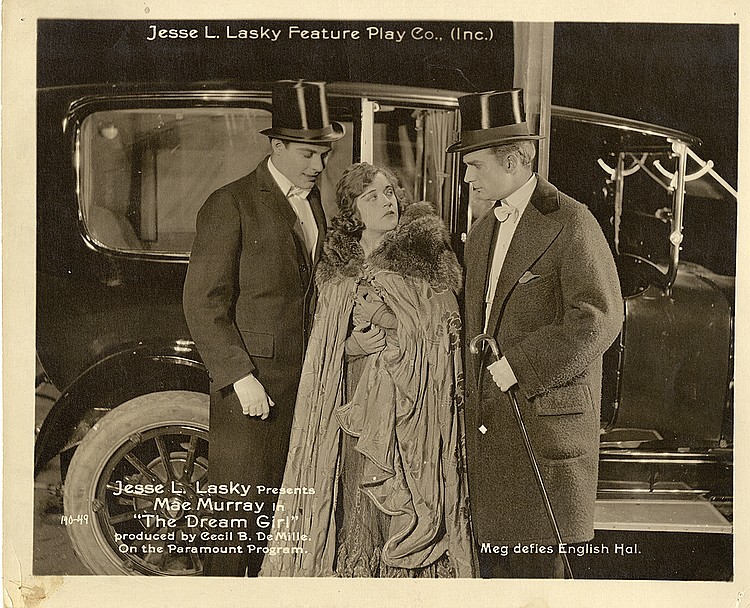
A definitive 6.6/10 rating for a film that redefined the boundaries of cult cinema. The Dream Girl remains a cornerstone of transgressive art.
Stepping back into the flickering glow of the silent era, one encounters 'The Dream Girl', a cinematic narrative that, despite its age, still pulsates with a raw emotionality and a keen insight into human frailty and resilience. This isn't merely a relic of a bygone cinematic age; it's a testament to the enduring power of visual storytelling, anchored by the magnetic presence of its star, Mae Murray. The film plunges us into a world where moral lines are blurred, where desperation breeds deceit, and where the fragile hope of redemption hangs by a thread. It’s a compelling exploration of class disparity, the corrosive nature of ambition, and the transformative power of truth, all rendered with the expressive theatrics characteristic of early 20th-century filmmaking.
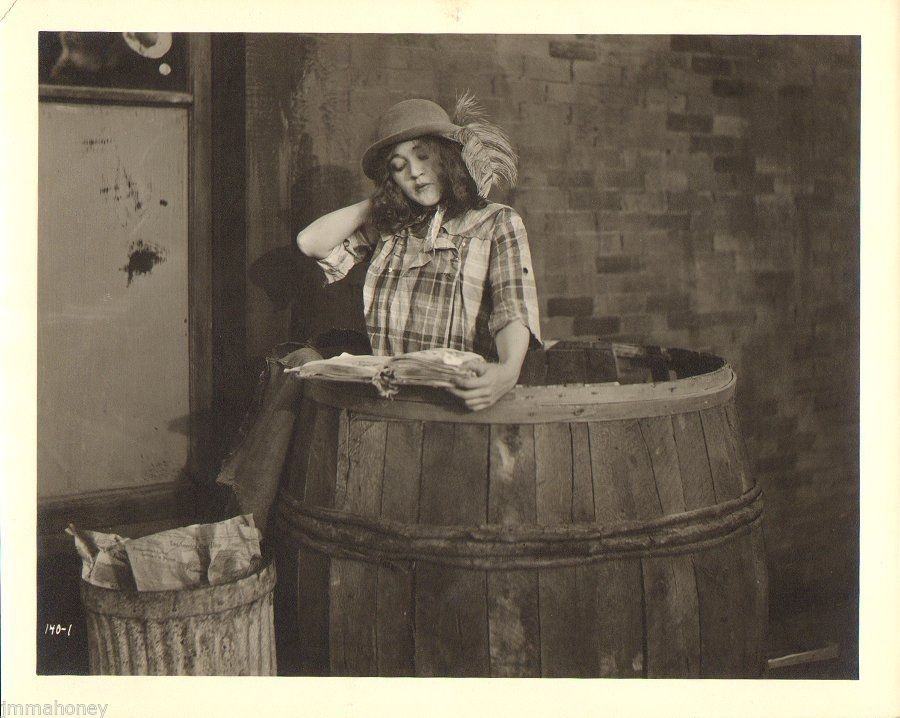
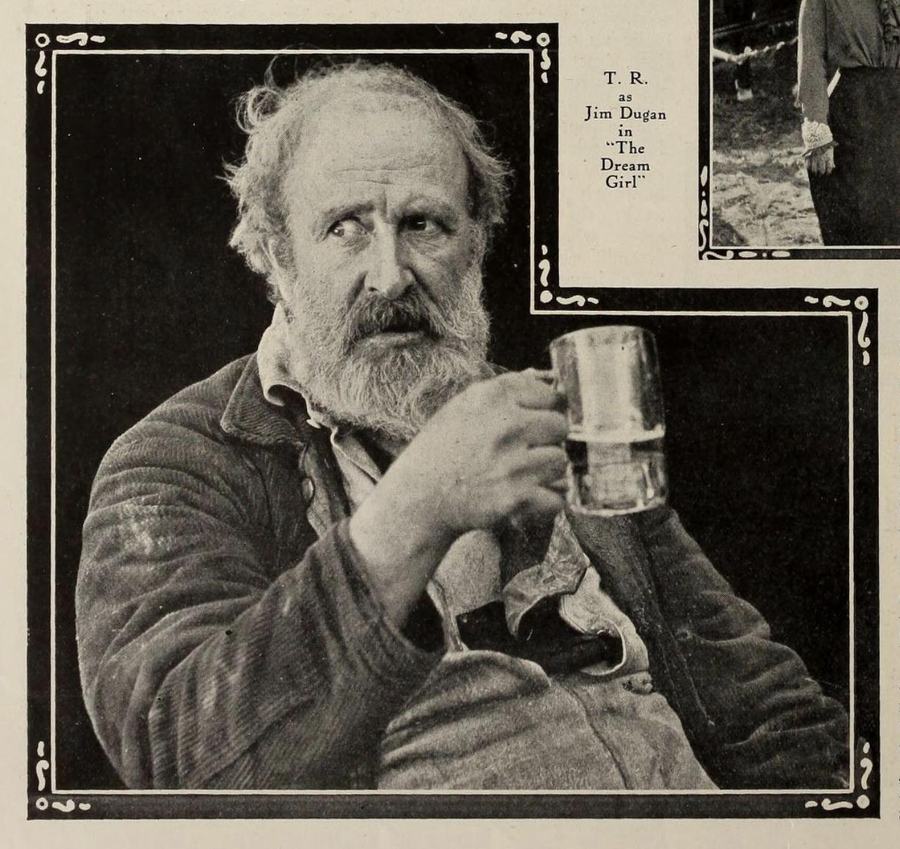
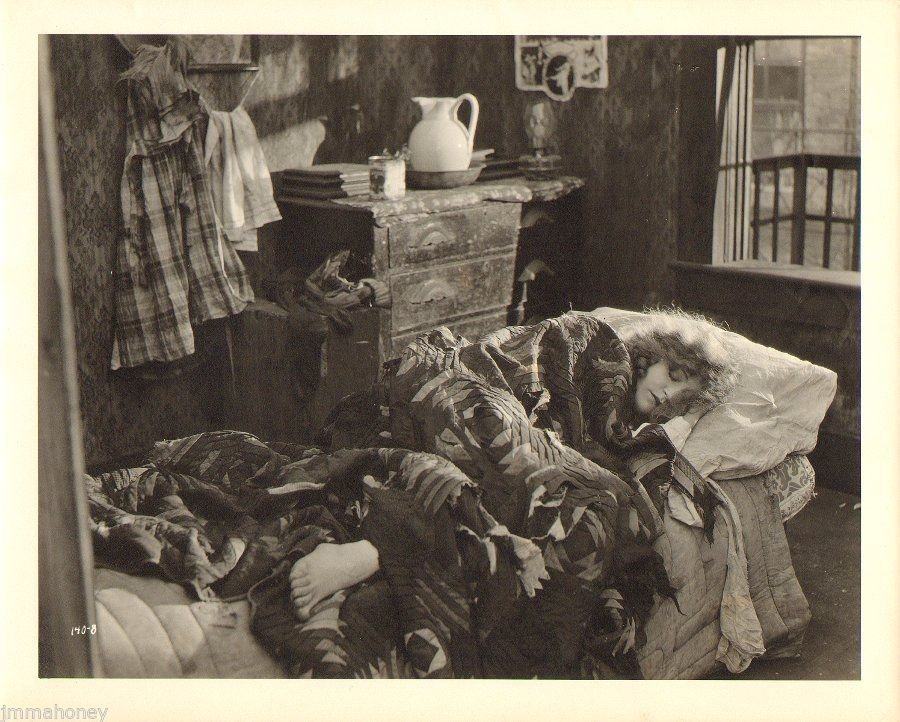
At its core, 'The Dream Girl' unfurls the complex saga of Meg, a San Francisco waif whose existence is perpetually teetering on the precipice of societal acceptance. Her world, initially defined by the grimy underbelly of illicit enterprise, is inextricably linked to her father, a man whose moral compass has long since spun off course. He presides over a clandestine liquor club, a haven of forbidden pleasures and shadowy dealings, a clear echo of the Prohibition-era anxieties that would have resonated deeply with contemporary audiences. His latest venture, however, transcends mere illegality; it delves into the realm of outright criminality. He has forged an unholy alliance with the enigmatic and clearly unscrupulous 'English' Hal, a figure whose very moniker suggests a certain alien detachment from American ideals of fair play. Their joint enterprise? A meticulously crafted scheme to blackmail a wealthy, unsuspecting young woman, a plot steeped in avarice and cold calculation.
Yet, fate, in its often-ironic fashion, intervenes with a peculiar twist. Meg, perhaps due to some minor transgression or simply the prevailing social policies aimed at ‘rehabilitating’ the less fortunate, is placed on probation. Her new guardian is none other than Benjamin Merton, a pillar of the community, a man of considerable means and unquestionable rectitude. The profound irony, almost Shakespearian in its tragic potential, lies in the fact that Merton is the patriarch of the very family targeted by her father’s nefarious machinations. This juxtaposition immediately establishes a profound thematic tension: Meg, a product of the shadows, is thrust into the light, forced to confront the stark realities of her origins against the backdrop of a world she never knew existed. The narrative, under the astute guidance of writer Jeanie Macpherson, meticulously builds this foundation of moral conflict, ensuring that Meg’s eventual dilemma feels both earned and inevitable.
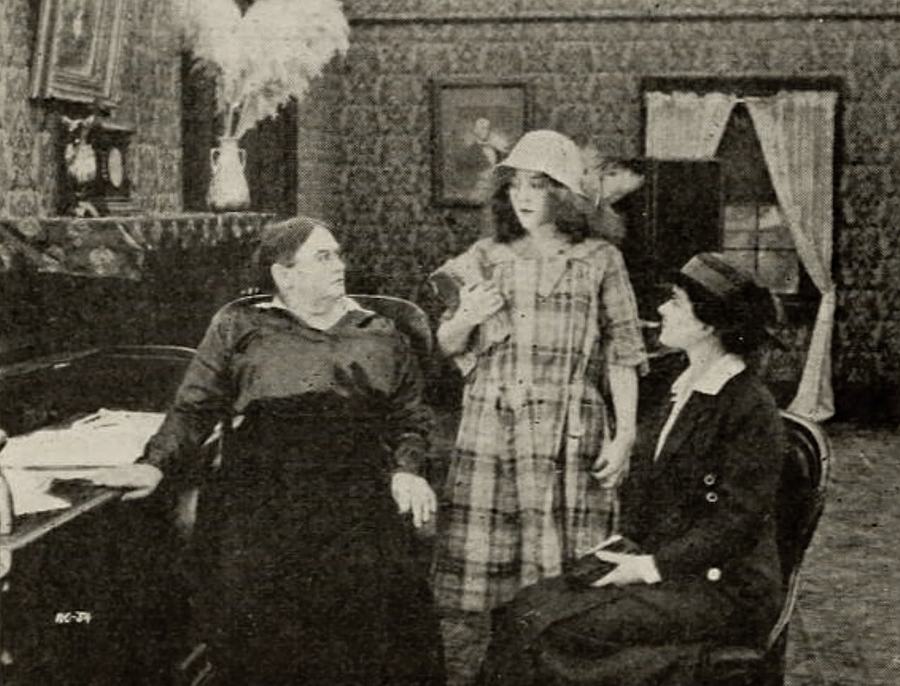
Mae Murray, as Meg, delivers a performance that transcends the often-exaggerated gestures of the silent screen, injecting her character with a palpable vulnerability and a nascent strength. Murray, celebrated for her vivaciousness and 'bee-stung' lips, here crafts a portrayal that is both delicate and determined. Her wide, expressive eyes convey a world of unspoken hardship, her movements a blend of streetwise caution and an innate grace yearning for release. When Meg unearths the grotesque truth of her father's plan – that the family offering her sanctuary is the same one slated for ruin – Murray's internal struggle is conveyed with a heartbreaking clarity. It's a moment of searing revelation, a betrayal from the very person meant to protect her, forcing her to choose between filial loyalty and a burgeoning sense of justice. This profound moral awakening is the true engine of the film, elevating it beyond a simple melodrama.
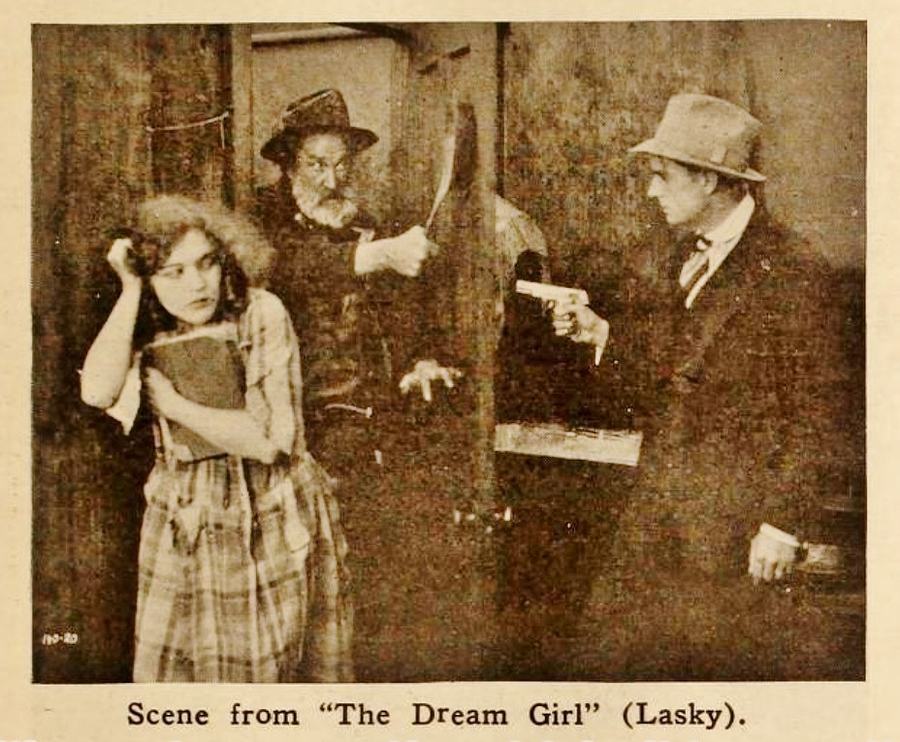
The supporting cast, while perhaps overshadowed by Murray's star power, nonetheless contributes significantly to the film's intricate tapestry. Earle Foxe, as Tom Merton, the attractive son of Benjamin, embodies the youthful idealism and romantic potential that Meg desperately craves. Their burgeoning connection is not merely a conventional love story; it represents Meg’s yearning for a life unburdened by deceit, a future where she can be seen for who she truly is, rather than a reflection of her father’s sins. Foxe portrays Tom with an earnest charm, making his character a believable beacon of hope amidst the moral murkiness. Mrs. Lewis McCord and Mary Mersch, likely portraying members of the Merton household or other societal figures, would have provided the necessary context for the affluent world Meg is thrust into, their portrayals often serving as foils to Meg's own rough-hewn origins. Charles West, Theodore Roberts, and James Neill, likely in roles such as Meg’s father, 'English' Hal, and Benjamin Merton respectively, would have grounded the film in its dramatic realism, each bringing a distinct flavor to their morally ambiguous or upright characters.
Jeanie Macpherson's screenplay is a masterclass in silent film narrative construction. Without the benefit of spoken dialogue, the story must rely heavily on visual cues, intertitles, and the sheer evocative power of the actors' performances. Macpherson, known for her prolific work with Cecil B. DeMille, understood the rhythm and pacing required to build suspense and elicit emotional responses from an audience. She crafts a plot that is both intricate and emotionally resonant, ensuring that each twist and turn feels organic to the characters' motivations. The decision for Meg to be placed with the Mertons is a stroke of narrative genius, creating a crucible of conflict that drives the entire second act of the film. It's this kind of intelligent plotting that distinguishes a memorable silent film from a mere spectacle.
Thematically, 'The Dream Girl' delves into a rich vein of social commentary. The stark contrast between Meg's impoverished background and the Merton family's wealth highlights the prevalent class divides of the era. This isn't just a backdrop; it's an active force shaping the characters' choices and perceptions. Meg's father's desperation, while not excused, is contextualized by his struggle in a society that offers few legitimate paths to advancement for those on the fringes. The film also grapples with profound questions of morality and redemption. Meg's courageous decision to expose the truth, despite the immense personal cost, is an act of profound self-definition, a rejection of the predetermined path laid out by her lineage. It speaks to the idea that one's character is not solely defined by birth or circumstance, but by the choices made in the face of adversity. This echoes the moral fortitude seen in films like Ingeborg Holm, where a woman's unwavering spirit is tested by the harsh realities of her environment, forcing her to make difficult, often heartbreaking, decisions for survival and integrity.
Furthermore, the film explores the pervasive themes of deception and truth. The blackmail scheme itself is predicated on a web of lies, designed to exploit vulnerability and fear. Meg's journey is one of peeling back these layers of deceit, not only from her father's actions but also from the societal expectations placed upon her. Her revelation is a cathartic moment, a dramatic unveiling that promises upheaval but also the potential for genuine connection. The burgeoning romance between Meg and Tom Merton adds another layer of complexity, intertwining the personal with the ethical. Their relationship is contingent upon honesty, forcing Meg to confront her past head-on, risking everything for the possibility of a love built on trust rather than artifice. This narrative choice elevates the romantic subplot beyond mere sentimentality, imbuing it with significant dramatic weight.
Visually, silent films often had to compensate for the lack of sound with heightened visual storytelling. The direction of 'The Dream Girl', while not explicitly attributed in the provided information, would have relied heavily on expressive cinematography, dramatic lighting, and carefully constructed set pieces. The contrast between the shadowy, smoke-filled interiors of the illegal liquor club and the airy, opulent surroundings of the Merton home would have been starkly rendered, serving as a powerful visual metaphor for Meg's internal conflict. Close-ups on Murray's face would have been crucial for conveying the subtle nuances of her emotional state, allowing the audience to empathize deeply with her plight. The pacing, too, would have been carefully controlled, building tension through slow, deliberate scenes punctuated by moments of intense emotional release, a hallmark of effective silent film direction. One can imagine the dramatic use of shadows to represent the moral darkness of the blackmailers, contrasting with brighter, more open shots when Meg makes her courageous choice.
Comparing 'The Dream Girl' to other films of its era, one finds echoes of its themes in various cinematic explorations of social dilemma and personal integrity. The sense of being trapped by one's circumstances or past actions, for instance, resonates strongly with films like Chains of the Past, where characters grapple with the inescapable consequences of their history. The theme of deception, particularly within social strata, and the unmasking of false pretenses, finds parallels in films such as The Pretenders, which often explored the fragile facades people maintain in society. While 'The Dream Girl' focuses on a more direct form of blackmail, the underlying tension of hidden truths and their inevitable exposure links it to these narratives of social exposé. The film's portrayal of Meg as a vulnerable yet ultimately strong female protagonist navigating a treacherous world also aligns with the evolving roles for women in cinema during this period, moving beyond mere damsels in distress to characters capable of agency and moral courage.
In conclusion, 'The Dream Girl' stands as a compelling example of silent cinema’s power to weave intricate, emotionally charged narratives. It’s a film that masterfully combines elements of social drama, thrilling suspense, and heartfelt romance, all filtered through the captivating performance of Mae Murray. Jeanie Macpherson’s insightful writing ensures that the narrative is not just a series of events, but a profound exploration of choice, consequence, and the enduring human quest for truth and belonging. While the absence of spoken dialogue might initially seem a barrier to modern viewers, the film’s visual language, the raw expressiveness of its cast, and its timeless themes of moral integrity make it a deeply rewarding experience. It reminds us that the fundamental struggles of the human heart – the desire for acceptance, the burden of deceit, and the courage to forge one's own destiny – are universal, transcending the boundaries of time and technological advancement in filmmaking. It’s a potent reminder of the artistry and narrative sophistication that defined the golden age of silent film, and a compelling argument for its continued study and appreciation.
IMDb 5.3
1936
Community
Log in to comment.