DbcultAccessing Vault...
Cult Review
Senior Film Conservator
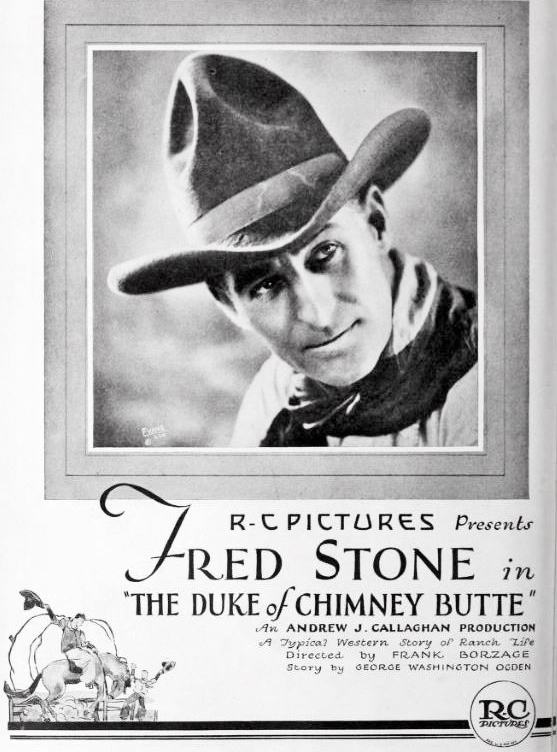
The Duke of Chimney Butte (1915) is a relic of the early Western genre that distills the essence of frontier mythology into a brisk, character-driven narrative. Directed with a keen eye for both action and emotional nuance, this film positions its protagonist Lambert not merely as a hero but as a mirror reflecting the era’s shifting tides of ambition and responsibility.
Fred Stone’s portrayal of Lambert is a masterclass in blending physical comedy with earnest heroism. His arrival at the cattle ranch, armed with a gadget capable of peeling potatoes and extracting nails, is less a gimmick and more a metaphor for the era’s faith in innovation. Yet it’s Stone’s charm—equal parts roguish and sincere—that cements his transition from outsider to leader. The cowboys’ initial skepticism (skillfully portrayed by Harry Dunkinson and Buck Connors) gives way to camaraderie, a dynamic that underscores the film’s subtle critique of rigid social hierarchies.
Josie Sedgwick’s Vesta Philbrook, meanwhile, embodies the archetype of the strong yet vulnerable woman, a trope reimagined here with surprising depth. Her role as ranch manager is not just symbolic; it’s a narrative fulcrum. Vesta’s interactions with Lambert—whether in moments of flirtatious tension or pragmatic collaboration—reveal a woman navigating both the physical and patriarchal challenges of her environment. The romance between Lambert and Vesta is handled with a deftness that avoids melodrama, instead grounding their connection in shared stakes and mutual respect.
The antagonists—vicious cattle rustlers led by a menacing yet underwritten gang—serve as the necessary evil in this Western parable. Their raids are depicted with a visceral urgency that contrasts sharply with the ranch’s idyllic routines. While the film’s resolution leans into the archetypal triumph of good over evil, it’s the journey there that lingers. The Duke’s moral code, forged in the crucible of these conflicts, becomes a lens through which to examine the cost of heroism in a lawless land.
What elevates *The Duke of Chimney Butte* beyond mere genre fare is its meticulous attention to texture. The cinematography, though rudimentary by modern standards, captures the stark beauty of the American West with a reverence that feels both nostalgic and timeless. Scenes of Lambert tinkering with his gadget under the vast sky, or Vesta riding horseback against the golden horizon, evoke a sense of wonder that transcends the film’s modest technical constraints.
Comparisons to contemporaries like Young Mr. Jazz or The World and the Woman are instructive. While those films grapple with urban modernity or societal expectations, *The Duke of Chimney Butte* roots its themes in the physical and moral landscape of the frontier. It’s a quieter, more introspective work than the bombastic action pieces of its time, yet no less compelling.
The film’s writers, Marian Ainslee and George Washington Ogden, deserve particular praise for crafting dialogue that is crisp and purposeful. Lambert’s quips—many delivered with Stone’s signature grin—balance humor and wit, while Vesta’s responses carry the weight of a woman in a man’s world. These exchanges are not mere filler; they’re the lifeblood of a narrative that seeks to explore the human condition through the lens of a Western adventure.
Critics of the era, including those who lamented the lack of subtlety in early cinema, might dismiss *The Duke of Chimney Butte* as simplistic. Yet its simplicity is its strength. The film’s unapologetic embrace of archetypes and its focus on tangible, relatable conflicts make it a gateway for modern audiences to appreciate the genre’s foundational elements. It’s a story about building something from nothing—both metaphorically and in the literal sense of constructing a ranch and a moral identity.
The supporting cast, though often relegated to stock roles, adds texture to the narrative. Vola Vale’s presence, for instance, introduces a layer of complexity to Vesta’s world, while Chick Morrison’s turn as a rogue cowboy injects levity without undermining the film’s core gravitas. These performances, though brief, highlight the ensemble’s commitment to the material’s demands.
Thematically, *The Duke of Chimney Butte* wrestles with the tension between individual ambition and communal duty. Lambert’s journey from gadget salesman to ranch guardian is not just a physical transformation but an ethical one. The film suggests that true heroism lies not in the tools one wields but in the choices one makes when those tools are tested against the harshness of reality.
In the broader context of early 20th-century cinema, this film occupies a unique space. It predates the sophisticated storytelling of the studio era yet retains a raw, almost improvisational energy that feels oddly modern. Its influence can be seen in later Westerns, from the moral dilemmas of The Wild Rider to the romantic entanglements of The Kingdom of Love, but it stands on its own as a testament to the genre’s early potential.
For modern viewers, *The Duke of Chimney Butte* is a reminder of cinema’s power to distill grand themes into intimate, character-driven stories. Its flaws—predictable plot turns, underdeveloped antagonists—are offset by its heart and the authenticity of its performances. It’s a film that invites repeated viewings, each time revealing new layers in its deceptively simple narrative.
In conclusion, *The Duke of Chimney Butte* is more than a historical artifact; it’s a vibrant, affecting piece of storytelling that resonates across decades. Its exploration of honor, love, and the frontier spirit remains as compelling today as it was in 1915. Whether you’re a Western enthusiast or a casual viewer, this film offers a window into the soul of a genre that continues to shape global cinema.
IMDb —
1917
Community
Log in to comment.