DbcultAccessing Vault...
Cult Review
Senior Film Conservator
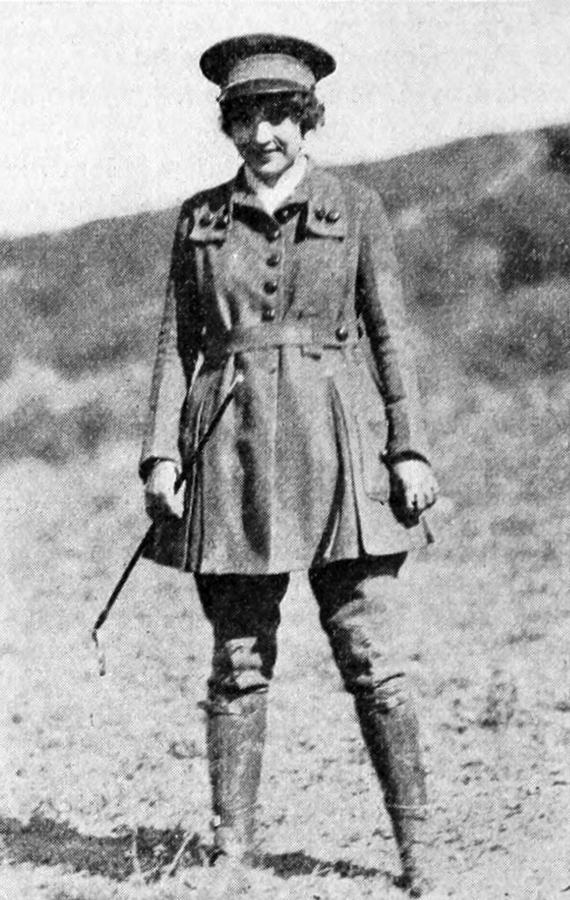
The flickering frames of A Yankee Princess, a cinematic artifact from 1916, unfurl a narrative that, despite its century-old vintage, resonates with an enduring pertinence regarding the human yearning for status, identity, and genuine connection. At its heart lies Patsy O'Reilly, portrayed with a youthful blend of earnestness and wide-eyed aspiration by Bessie Love, who also contributed to the screenplay alongside Bernard McConville. Patsy is not merely a character; she is an embodiment of the American dream, albeit one filtered through the romanticized lens of Old World nobility. Her initial circumstances are humble, a stark contrast to the grand visions that dance in her mind – visions of Irish aristocratic lineage, a heritage she passionately believes to be hers, despite the ragged reality of her present. This potent cocktail of imagination and circumstance sets the stage for a compelling exploration of what constitutes true worth, be it inherited or earned.
The catalyst for the O'Reilly family's dramatic shift in fortune is a stroke of inventive genius from Patsy's father, an impoverished contractor whose ingenuity yields a revolutionary ore crusher. This invention, a symbol of American innovation and industrial prowess, instantly elevates the family from the fringes of destitution to the opulent echelons of New York City society. This sudden transmogrification from rags to riches is a narrative trope common in the early cinematic landscape, echoing themes found in films like The Millionaire Baby, where wealth dramatically alters the trajectory of characters' lives, often bringing with it unforeseen complexities. For Patsy, the newfound affluence is not just about comfort; it's a means to legitimize her imagined aristocratic identity. She is promptly enrolled in a finishing school, a crucible designed to refine her rough edges and mold her into a paragon of high society, a fascinating juxtaposition of her innate spirit and the imposed strictures of her new environment.
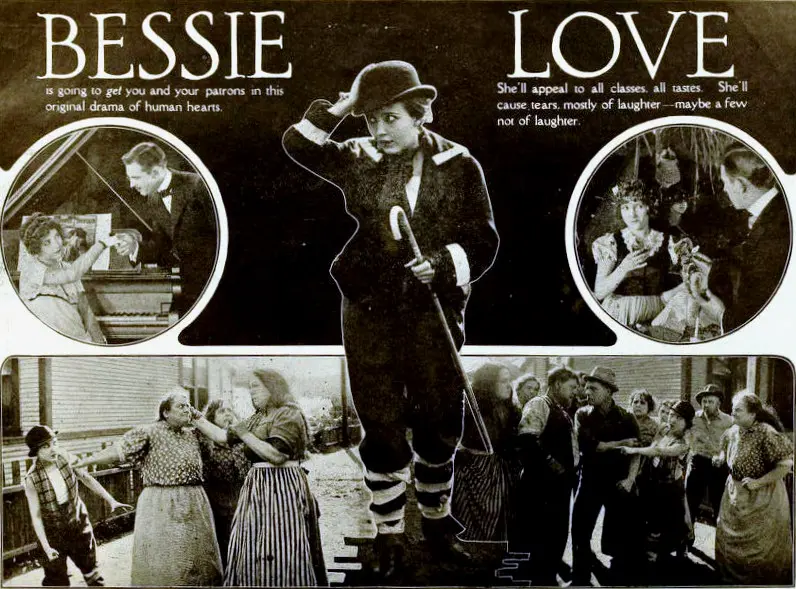
The O'Reilly parents, perhaps indulging their daughter's romanticized notions or genuinely seeking to anchor their new status with historical gravitas, embark on a grand tour of Ireland. It is here, amidst the ancient landscapes and crumbling estates, that the tangible manifestation of Patsy's aspirations takes form. At her fervent request, they acquire a coat-of-arms from the financially beleaguered Lord Windbourne family. This transaction is more than a mere purchase; it's a symbolic adoption, an attempt to graft a venerable lineage onto their freshly minted wealth. The irony, of course, is that this acquisition is born of a deceptive premise – a bankrupt aristocracy selling off its symbols to an aspiring nouveau riche. This sets up a delicious dramatic tension, a ticking time bomb of revelation waiting to explode. The film deftly explores the societal hunger for perceived authenticity, even when that authenticity is bought and sold, a theme that remains profoundly relevant in our image-conscious world.
Upon the O'Reillys' return to the United States, the purchased coat-of-arms soon walks through their door in the form of Lady Windbourne and her son, the 'Lord.' Their visit is shrouded in a subtle, yet palpable, deception. They fail to disclose the crucial detail that the very crest the O'Reillys proudly display is, in fact, their own ancestral emblem. This act of omission is a masterful stroke of narrative manipulation, building suspense and highlighting the moral ambiguities inherent in the pursuit of status. The 'Lord' Windbourne, a character played with a certain opportunistic charm by J. Carlton Wetherby, quickly becomes engaged to Patsy. This engagement, seemingly the culmination of Patsy's dreams, is built on a foundation of sand, a façade of inherited nobility that mirrors her own initial self-deception, albeit on a grander, more calculated scale. The film, through this intricate web of deceit, probes the nature of appearances versus reality, a timeless dramatic conflict.
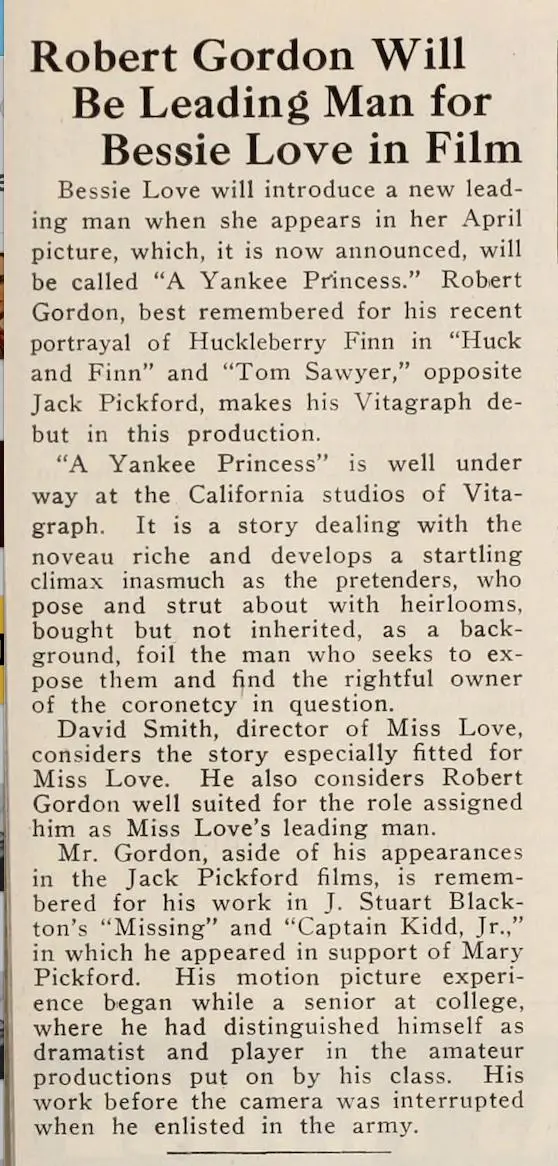
The dramatic pivot occurs with the arrival of Larry Burke, an English officer, portrayed by Robert Gordon. Burke is not merely a rival suitor; he is the true heir to the Windbourne line, the authentic article in a world increasingly populated by counterfeits. His presence serves as a narrative wrecking ball, demolishing the carefully constructed edifice of lies. The revelation of the 'Lord' Windbourne as an impostor is a moment of both shock and liberation for Patsy. It shatters her romantic illusions, forcing her to confront the uncomfortable truth that her aspirations have been tethered to a charlatan. This kind of mistaken identity and eventual unmasking is a classic dramatic device, seen in various forms across silent cinema, from the intricate plots of Der lebende Leichnam to the thrilling reveals in The Mysterious Lady, where hidden truths are paramount to the resolution. Here, it’s not just about a crime or a secret, but about the very fabric of personal identity and social standing.
Larry Burke, in marrying Patsy, offers her not just love, but a truly authentic ancestral name and coat-of-arms. This resolution is profoundly symbolic. Patsy, who began by imagining nobility and then attempting to purchase it, ultimately achieves it through a genuine connection with a legitimate heir. Her journey is one from imagined status to acquired status, and finally, to inherent status. It's a powerful statement about the nature of belonging – that true lineage, true worth, is not something that can be bought or faked, but must be earned or legitimately recognized. Bessie Love's performance as Patsy is particularly noteworthy, capturing the character's evolution from a dreamy, somewhat naive girl to a woman who has navigated the treacherous waters of social ambition and emerged with a clearer understanding of self. Her portrayal carries the emotional weight of Patsy's disillusionment and ultimate vindication, making her a compelling figure for the audience to root for.
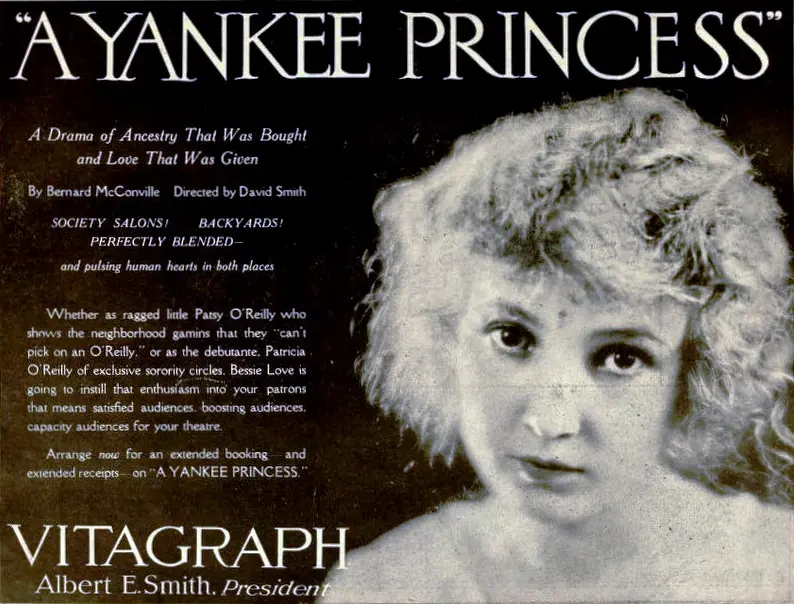
The film, under the creative guidance of writers Bessie Love and Bernard McConville, delves into several compelling themes beyond the immediate plot. The clash between old money and new money, between inherited aristocracy and self-made wealth, is central to its narrative. The O'Reillys represent the dynamic, upwardly mobile American spirit, while the Windbournes embody the decaying grandeur of European nobility, willing to compromise their integrity for financial solvency. This societal commentary, though presented through a romantic drama, offers a window into the anxieties and aspirations of the early 20th century. The idea of 'earning' one's place versus 'inheriting' it is a perennial debate, and A Yankee Princess navigates this with a certain grace, ultimately suggesting that genuine character and love triumph over superficial titles and borrowed prestige.
Moreover, the film subtly explores the female experience of the era. Patsy's journey is not just about social climbing; it's about self-discovery. She initially seeks validation through external symbols – a coat-of-arms, a titled fiancé. Her growth comes from realizing the hollowness of these external markers and finding fulfillment in an authentic relationship with a man who values her for who she is, not for the status she can acquire. This arc for a female protagonist, while still ending in marriage, offers a degree of agency and self-realization that was progressive for its time. It echoes the spirit of strong female characters found in other early films, such as those in The Primitive Woman or Maid o' the Storm, who navigate complex social landscapes with resilience.
The ensemble cast, featuring George C. Pearce, Lydia Yeamans Titus, Max Asher, Katherine Griffith, and Aggie Herring, each contribute to the film's vibrant tapestry. George C. Pearce, as Patsy's inventive father, brings a grounded warmth to the narrative, representing the honest labor and ingenuity that underpins the family's sudden prosperity. Lydia Yeamans Titus, as Patsy's mother, provides a maternal counterpoint, navigating the social intricacies with a blend of pride and perhaps a touch of apprehension. The supporting cast members skillfully employ the exaggerated expressions and body language characteristic of silent film acting, conveying character and emotion without spoken dialogue. This reliance on visual storytelling is a hallmark of the era, demanding a particular kind of performance that can communicate complex internal states through external gestures. The film's direction, though uncredited in the given information, would have been crucial in orchestrating these performances and maintaining the narrative's pace and emotional arc. The choice of camera angles, editing rhythm, and intertitles would have all worked in concert to tell this intricate story effectively to an audience accustomed to visual, rather than auditory, narrative cues.
The visual aesthetic of A Yankee Princess, like many films of its period, would have relied heavily on set design, costumes, and lighting to differentiate between the O'Reillys' initial humble abode and their later opulent New York mansion, as well as the grand, albeit decaying, Irish estates. These visual contrasts are essential in reinforcing the film's themes of social mobility and the superficiality of appearances. The costuming, in particular, would have played a significant role in defining character and status, from Patsy's 'ragged' beginnings to her refined finishing school attire, and the distinctive garb of the 'Lord' and Lady Windbourne. These elements, combined with the melodramatic yet heartfelt performances, create a compelling cinematic experience that transcends the limitations of its silent format, drawing the viewer into a world where dreams and deceptions intertwine.
Ultimately, A Yankee Princess stands as more than just a historical curiosity; it is a thoughtful exploration of universal human desires. It speaks to the allure of status, the dangers of superficiality, and the ultimate triumph of authenticity and genuine connection. Patsy O'Reilly's journey from a girl who dreams of an aristocratic past to a woman who finds her true lineage through love and honest recognition is a compelling one. It reminds us that while wealth can open doors, and titles can impress, true identity and belonging are forged through integrity and authentic relationships. The film's enduring power lies in its ability to present these complex ideas within a charming, accessible narrative, showcasing the storytelling prowess of early cinema. For those who appreciate the nuanced artistry of silent films, and the timeless themes they so often explored, A Yankee Princess offers a delightful and insightful viewing experience, a testament to the enduring appeal of a well-told story, even without the benefit of spoken words. It’s a compelling reminder that the foundational elements of compelling drama – character, conflict, and resolution – have remained constant through cinema's many evolutions, from the flicker of the silent era to the digital spectacles of today. The film’s exploration of identity and class resonates even now, as societies continue to grapple with similar questions of who we are, who we aspire to be, and what truly defines our worth in an ever-changing world.
IMDb —
1912
Community
Log in to comment.