DbcultAccessing Vault...
5.8/10
Senior Film Conservator
A definitive 5.8/10 rating for a film that redefined the boundaries of cult cinema. The Silent Master remains a cornerstone of transgressive art.
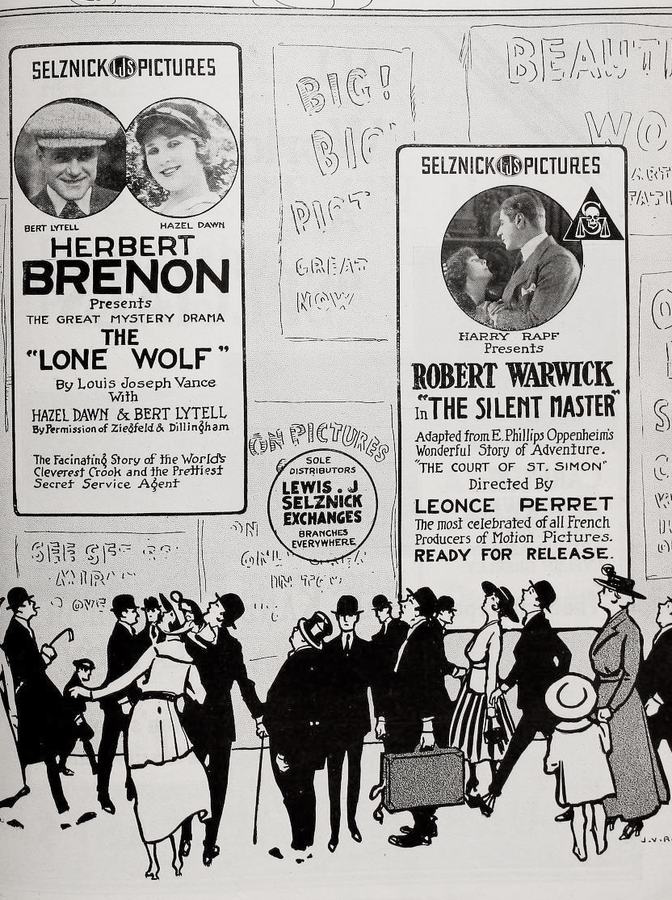
Ah, the silent era! A time when narratives unfurled through grand gestures, expressive visages, and the evocative power of intertitles. Among the myriad cinematic offerings of this bygone age, The Silent Master (the-silent-master), an adaptation of E. Phillips Oppenheim’s intricate plotting, stands as a fascinating, if sometimes morally ambiguous, artifact. It's a film that plunges headfirst into the murky waters of vigilante justice, personal culpability, and the crushing weight of a past that refuses to remain buried. As a film critic, I find myself drawn to these narratives that dare to explore the darker corners of human nature, especially when presented with the dramatic flourishes characteristic of early cinema.
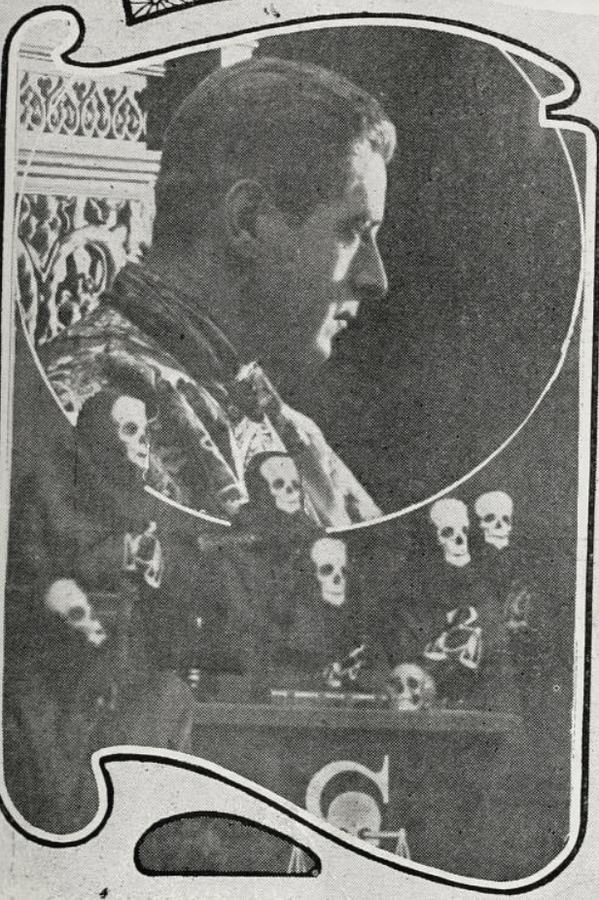
Our journey begins in the labyrinthine byways of Parisian society, a world where appearances are deceiving, and shadows conceal a sinister undercurrent. Here, we meet Valentin Marquis de Sombreuil, portrayed with a compelling, if somewhat inscrutable, intensity by Valentine Petit. Valentin is not merely a man of noble birth; he is also the enigmatic figure known as Monsieur Simon, the titular 'Silent Master.' This duality is the very bedrock of the film, a thematic tension that propels the narrative forward with an almost relentless momentum. Monsieur Simon is the architect and leader of a clandestine organization, a band of Parisian Apaches who operate outside the confines of conventional law. Their mission? To dispense their own brand of 'justice' through a secret tribunal, the chillingly named 'court of St. Simon.' It's a concept that immediately raises questions about morality, law, and the slippery slope of self-appointed righteousness. The film doesn't shy away from presenting these 'horrors,' as the plot synopsis describes them, forcing the audience to grapple with the disturbing implications of such a system.
The narrative truly ignites with the introduction of Eugene, a young American, presumably well-meaning but desperately seeking an escape from the mundane, yearning for the thrill of the forbidden. Valentin, with a calculated and almost predatory manipulation, inducts this impressionable youth into his world, exposing him to the brutal realities of the Apache gang. It's a cruel twist of fate, a master manipulator playing with an innocent’s destiny. Eugene, initially a mere spectator, is inexorably drawn into the vortex of their illicit activities, ultimately becoming a pawn in their dangerous game. His eventual imprisonment for a crime committed by the gang serves as a stark testament to Valentin's corrupting influence and the devastating consequences of his actions. This early segment of the film, though perhaps lacking the sophisticated psychological depth of later cinematic works, effectively establishes the moral quandary at its core. It echoes, in a way, the themes of corruption and the lure of dark societies found in films like The Sons of Satan, where individuals are drawn into morally compromising situations with dire outcomes.
Years pass, and the 'Silent Master' attempts to shed his shadowed past. Valentin disbands his secret society, seeking a semblance of normalcy and redemption. He marries Virginia Arlen, a charming and aristocratic young woman, played by Anna Q. Nilsson with a grace that suggests an underlying strength. This period of domestic bliss, however, is merely the calm before the storm. The past, as it often does in compelling dramas, resurfaces with a vengeance. The horrifying truth that Eugene, the young man whose life Valentin so carelessly shattered, is Virginia's own brother, strikes with the force of a cinematic thunderclap. This revelation is the dramatic fulcrum of the film, a moment designed to elicit gasps from the audience and to plunge our protagonist into an abyss of self-recrimination. The irony is palpable: the architect of so much suffering finds himself inextricably linked by familial bonds to one of his most prominent victims. It's a classic narrative device, forcing a reckoning that is both personal and profound.
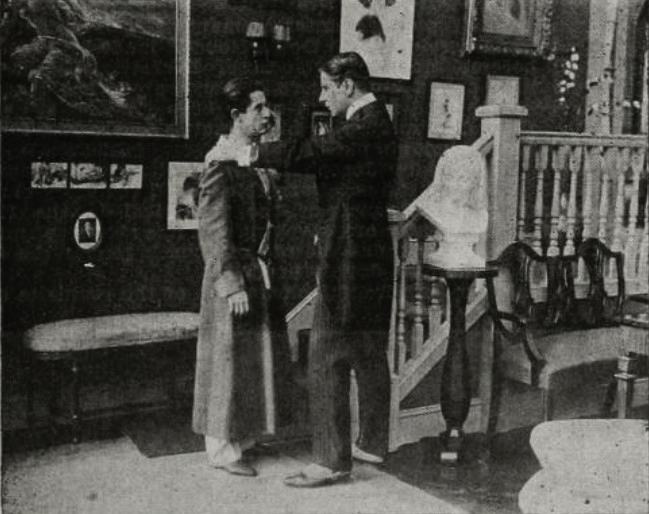
Virginia’s reaction, portrayed with poignant anguish by Nilsson, is entirely understandable. Her refusal to forgive Valentin is not merely a spouse's indignation but a sister's heartbroken fury. The film delves into their subsequent separation, a period of emotional purgatory where the audience is left to ponder the possibility of reconciliation. Can love truly conquer such a profound betrayal? The answer, as the film ultimately suggests, comes in the form of their child. The innocent presence of a shared offspring becomes the catalyst for their eventual reconciliation, a symbol of hope and a bridge across the chasm of their past. While some might view this resolution as somewhat conventional or even saccharine by modern standards, it was a potent narrative device in early cinema, often used to signify the triumph of enduring love and the possibility of atonement. It speaks to a societal belief in the redemptive power of family, a theme explored in varying degrees across many films of the era, though perhaps with less dramatic intensity than seen here.
The performances, particularly from Valentine Petit as Valentin and Anna Q. Nilsson as Virginia, are crucial to the film's impact. Petit's Valentin must navigate the treacherous waters of a dual identity, conveying both the ruthless authority of Monsieur Simon and the conflicted anguish of a man haunted by his past. His performance, relying heavily on subtle facial expressions and body language, manages to convey the inner turmoil of a character caught between his former life and his desperate yearning for redemption. Nilsson, on the other hand, embodies the innocence and later the profound heartbreak of Virginia, making her emotional journey palpable to the audience. The supporting cast, including Juliette Moore, Donald Gallaher, and Olive Tell, provides the necessary texture to this Parisian tapestry, each contributing to the overall atmosphere of intrigue and drama. One can imagine the impact these performances had on audiences of the time, who were accustomed to a more theatrical style of acting in film, yet still appreciated nuanced portrayals.
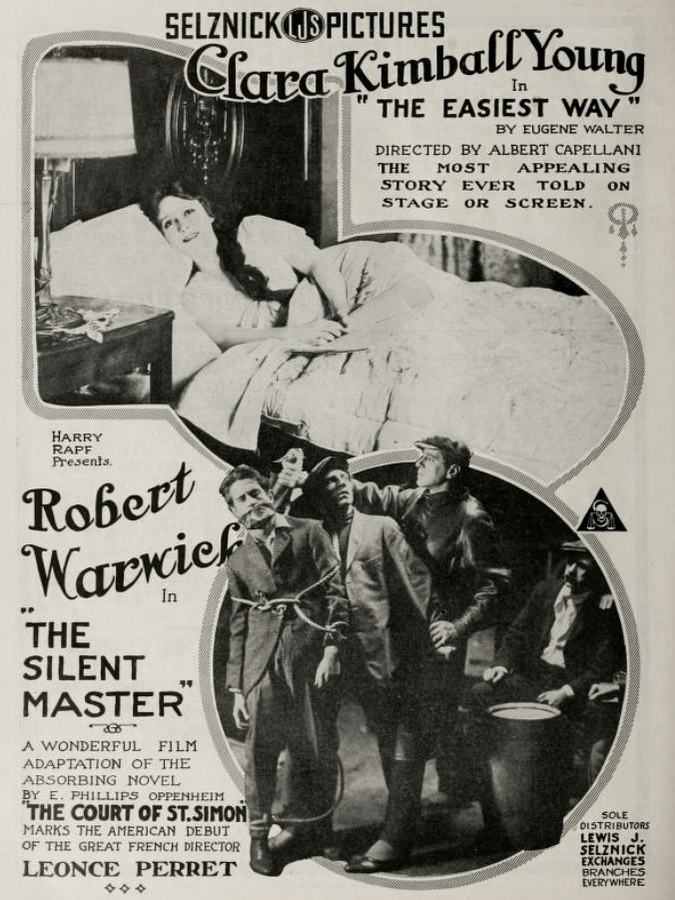
From a directorial standpoint, Léonce Perret, also one of the writers alongside E. Phillips Oppenheim, demonstrates a keen understanding of cinematic storytelling, even in its nascent stages. The pacing, though perhaps leisurely by today's standards, allows the dramatic tension to build gradually, drawing the viewer deeper into Valentin’s moral quagmire. The use of mise-en-scène, the arrangement of elements within the frame, likely played a significant role in establishing the contrasting worlds of aristocratic elegance and the grimy underworld. While details on the specific cinematography are scarce without direct access to the film print, one can infer that lighting and composition were employed to distinguish between the light and shadow of Valentin's existence. The film’s ability to sustain its narrative drive without spoken dialogue is a testament to Perret’s skill in visual storytelling, relying on the power of images and intertitles to convey complex emotional states and plot developments. This visual prowess is a hallmark of many silent films, allowing them to transcend language barriers and connect with audiences on a purely emotional level, much like the evocative imagery in Monna Vanna or the thrilling escapades of Filibus.
The thematic richness of The Silent Master extends beyond mere plot mechanics. It’s a profound exploration of identity—the masks we wear, the personas we adopt, and the struggle to reconcile our past selves with our desired future. Valentin’s journey from the 'Silent Master' to the repentant husband is a compelling arc, albeit one tinged with the convenient resolution of a child’s innocence. The film grapples with the concept of justice: is it a societal construct or a personal vendetta? The 'court of St. Simon' represents a dangerous alternative, a system where personal codes supersede established law, leading to inevitable chaos and suffering. This moral ambiguity is what elevates the film beyond a simple melodrama, inviting contemplation on the nature of right and wrong, and the heavy price of hubris. This exploration of justice, both formal and informal, is a recurring theme in cinema, seen in different contexts in films like Detective Craig's Coup, which explores the intricacies of legal systems, and even Warning! The S.O.S. Call of Humanity, which might touch upon broader societal injustices.
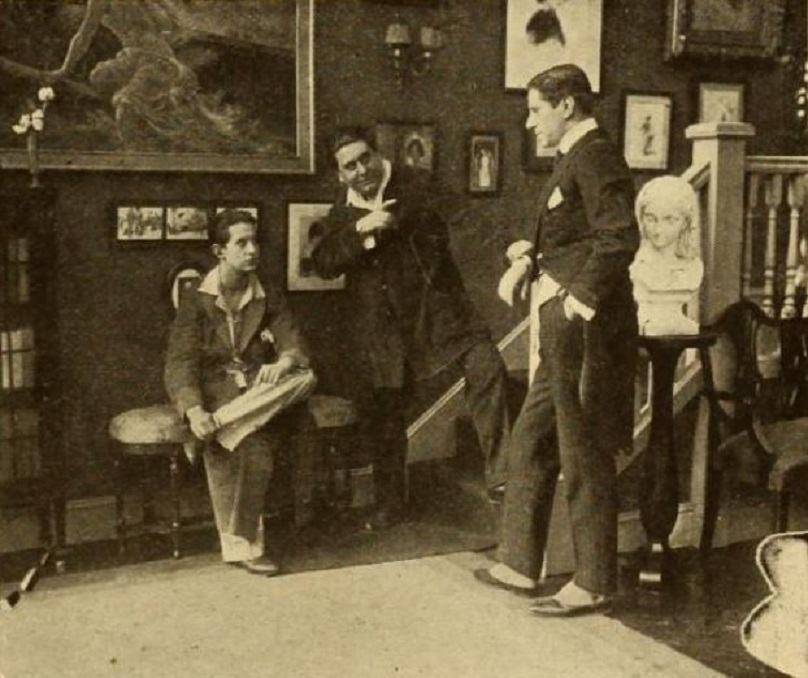
Moreover, the film touches upon the class distinctions prevalent in early 20th-century Parisian society. Valentin’s aristocratic background juxtaposed with the 'Apaches' of the underworld highlights the stark social stratification and the tensions that simmered beneath the surface of polite society. The film implicitly critiques the moral decay that can permeate all levels of society, suggesting that even those of noble birth are not immune to corruption or the temptation to wield power outside legitimate channels. Virginia’s aristocratic family provides a stark contrast to Valentin’s darker world, emphasizing the profound gulf he must bridge to achieve any semblance of peace. This social commentary, subtle as it may be, provides an additional layer of depth, inviting comparisons to other films of the era that explored similar themes of societal expectations and class divides, such as A Little Brother of the Rich or The Woman Pays, both of which dealt with the consequences of social standing and personal choices.
The film’s resolution, while providing emotional closure, also prompts reflection. Is a child truly enough to erase the profound damage caused by one’s past actions? While the film presents it as a powerful symbol of reconciliation, a modern audience might view it with a more critical eye, questioning the ease with which such deep-seated trauma is overcome. However, within the narrative conventions of its time, this was a potent and often accepted means of signifying hope and the cyclical nature of life. The ending, therefore, serves as a poignant reminder of the era's storytelling sensibilities, where moral lessons and emotional catharsis often took precedence over complex psychological realism.
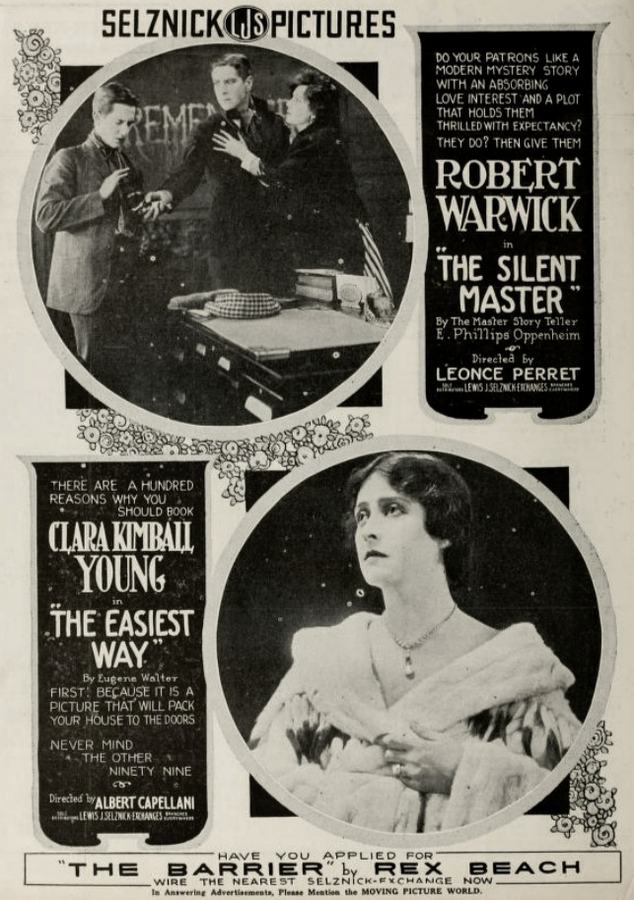
In conclusion, The Silent Master is more than just a relic of early cinema; it’s a compelling drama that delves into the eternal struggle between good and evil, justice and vengeance, and the enduring power of love and forgiveness. Its intricate plot, driven by moral dilemmas and personal reckonings, remains captivating. The performances, while adhering to the stylistic conventions of the silent era, convey genuine emotion and contribute significantly to the film's dramatic weight. Léonce Perret’s direction skillfully navigates the narrative's complexities, creating a visually engaging experience that speaks volumes without a single uttered word. For enthusiasts of early cinema, and for anyone interested in the evolution of cinematic storytelling, The Silent Master offers a rich and rewarding viewing experience. It reminds us that even in the nascent years of film, storytellers were grappling with profound human questions, crafting narratives that continue to resonate, albeit through a different lens, with audiences today. It stands as a testament to the enduring appeal of a well-told story, even one whispered from the depths of a silent, forgotten past. The film’s intricate web of deceit and redemption offers a glimpse into the moral fabric of its time, making it a valuable piece of cinematic history worthy of rediscovery and critical appreciation.
The legacy of such films is not merely in their historical significance but in their ability to still provoke thought and emotion. The Silent Master, with its compelling narrative of a man grappling with the consequences of his shadowy past, continues to offer insights into human nature and the societal structures of its era. It asks us to consider the burden of secrets, the allure of power, and the possibility of atonement. While it might not possess the technical sophistication of later films, its dramatic force and thematic depth secure its place as a noteworthy entry in the annals of early cinema. It’s a film that, much like its protagonist, eventually finds its voice, speaking volumes from the silence of its original presentation, urging us to reflect on the intricate dance between fate and choice, and the profound impact of one's actions on the lives of others.
The moral journey of Valentin, from the self-appointed arbiter of justice to a man seeking personal redemption, forms the emotional core of the film. His transformation, though prompted by a devastating personal revelation, underscores the film's belief in the potential for change and the human capacity for growth. The narrative skillfully weaves together elements of crime, drama, and romance, creating a tapestry that is both thrilling and emotionally resonant. The tension between Valentin's past as Monsieur Simon and his present as Virginia's husband is expertly maintained, keeping the audience engaged and invested in his ultimate fate. This compelling character study, coupled with the dramatic revelations, makes The Silent Master a compelling watch, demonstrating how early filmmakers were already adept at crafting complex narratives that explored the intricacies of the human condition. It’s a stark reminder that the fundamental elements of powerful storytelling have remained consistent, even as the medium itself has evolved dramatically. The film, therefore, serves as a bridge, connecting the cinematic past with the present, demonstrating the timeless appeal of a story well told, regardless of its technological constraints.
IMDb 6.4
1935
Community
Log in to comment.