DbcultAccessing Vault...
7.6/10
Senior Film Conservator
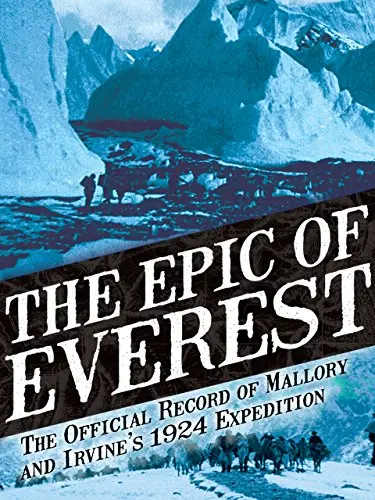
A definitive 7.6/10 rating for a film that redefined the boundaries of cult cinema. The Epic of Everest remains a cornerstone of transgressive art.
In the annals of cinematic history, certain films transcend their initial purpose, morphing into invaluable historical artifacts that continue to resonate with profound significance decades, even a century, after their creation. J.B.L. Noel's The Epic of Everest is precisely such a masterpiece. Released in 1924, it isn't merely a documentary; it's a raw, unfiltered, and often haunting chronicle of the third British expedition to Mount Everest, an endeavor forever etched into legend by the disappearance of George Mallory and Andrew Irvine. To engage with this film today is to embark on a journey not only into the treacherous, awe-inspiring heights of the world’s tallest mountain but also into a bygone era of exploration, where courage bordered on hubris and the unknown loomed with both terrifying allure and devastating consequence.
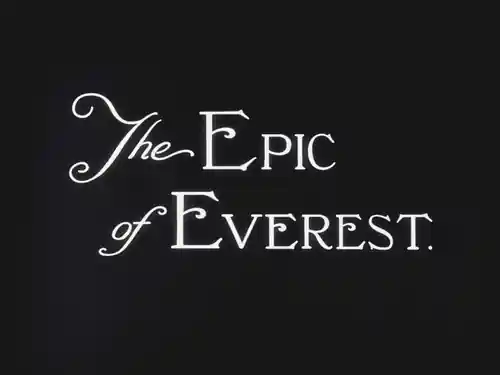
Noel, a clergyman, photographer, and filmmaker of remarkable tenacity, was an integral part of this ill-fated venture. His role extended far beyond simply documenting; he was tasked with capturing the essence of an undertaking that gripped the imagination of a post-World War I world hungry for new frontiers and heroic narratives. The logistical hurdles he overcame to film at such extreme altitudes with the cumbersome equipment of the 1920s are almost as staggering as the mountaineering feats themselves. This film stands as a testament to his pioneering spirit, offering a visual record that contemporary audiences, accustomed to high-definition, drone-shot vistas, can still find utterly captivating and deeply moving.
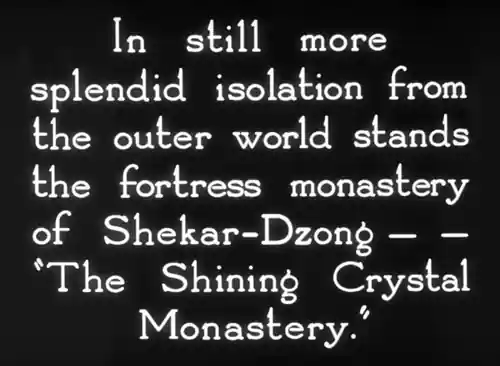
The film commences by establishing the formidable scale of the undertaking, meticulously detailing the arduous trek across the Tibetan plateau. We witness the vast caravan of porters, animals, and equipment, a veritable mobile city inching its way towards the sacred, forbidden mountain. Noel’s cinematography, though black and white and inherently grainy by modern standards, possesses an elemental power. The sheer expanse of the landscape, the dramatic play of light and shadow on the jagged peaks, and the relentless, unforgiving weather are rendered with an almost painterly quality. These early sequences are crucial in setting the stage, emphasizing not just the physical distance to be covered but the psychological chasm between civilization and the untamed wilderness of the Himalayas.
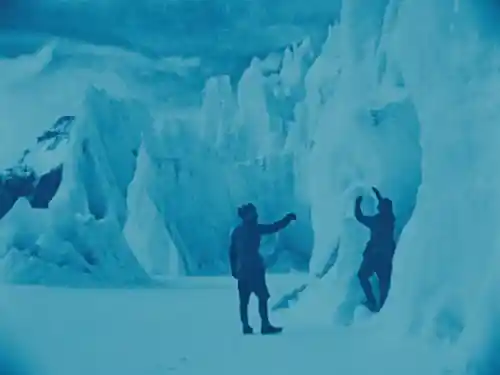
The preparation for the ascent itself is portrayed with an almost anthropological precision. The establishment of base camps, the acclimatization process, the testing of primitive oxygen equipment – every detail underscores the monumental challenge. The film allows us to observe the expedition members, not as mythical heroes, but as determined individuals grappling with extreme conditions. We see their faces, etched with a mixture of fatigue, resolve, and sometimes, a quiet apprehension. This human element, stripped bare against the backdrop of an indifferent natural world, is where the film truly begins to forge its lasting connection with the viewer.
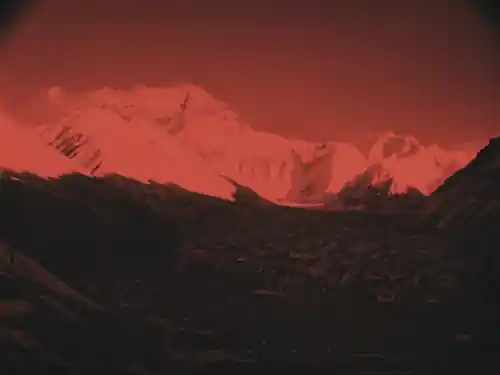
Everest itself is arguably the most compelling character in Noel's narrative. Its towering presence dominates every frame, a majestic yet malevolent deity. The slow, deliberate tracking shots of the climbers ascending the colossal icefalls and traversing treacherous ridges imbue the mountain with an almost sentient quality, a silent, impassive guardian of its summit. The visual language employed by Noel, particularly in the sequences depicting the higher camps, conveys a profound sense of isolation and vulnerability. The tiny figures of the climbers, dwarfed by the immense scale, become symbols of audacious human aspiration against insurmountable odds.
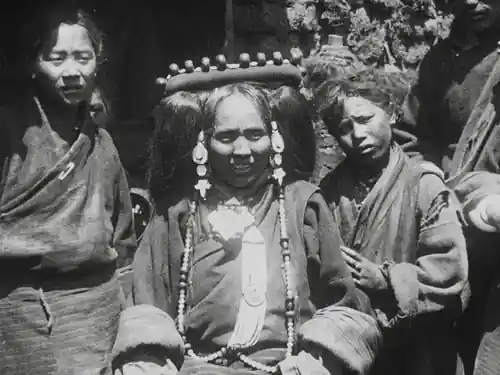
Unlike contemporary narrative features of its time, such as the romantic drama of The Ne'er-Do-Well or the societal intrigues of Bella Donna, The Epic of Everest eschews fabricated drama for the raw, unadorned reality of its subject. There are no grand pronouncements or manufactured plot twists; the drama unfolds organically from the inherent perils of the environment. The film’s pacing, while perhaps slower than modern audiences might expect, perfectly mirrors the agonizingly deliberate pace of high-altitude climbing, building a palpable tension through sheer endurance and the relentless march upwards.
The tragic disappearance of George Mallory and Andrew Irvine forms the poignant heart of the film. Noel’s footage of these two men, particularly Mallory, captures a sense of their determination and the weight of their ambition. We see Mallory, a figure of almost mythical status even then, preparing for his final, fateful push. The film doesn't sensationalize their demise; rather, it presents the stark, brutal facts: their last sighting, a fleeting glimpse through a break in the clouds, and then, the void. This understated approach heightens the emotional impact, transforming their story into a universal parable of human striving and the ultimate limits of physical endurance.
The mystery surrounding whether they reached the summit before succumbing to the mountain's wrath has captivated generations. Noel’s film, by capturing their final preparations and the almost casual courage with which they faced their destiny, immortalizes their quest. It offers the last moving images of these pioneering climbers, rendering their disappearance not just a historical footnote but a deeply personal loss felt through the grainy, flickering frames. The narrative, guided by Noel’s own reflective voice (or implied perspective in the silent era), becomes a meditation on ambition, sacrifice, and the profound allure of the unconquered.
Considering the technological constraints of 1924, Noel’s achievement as a filmmaker is nothing short of extraordinary. His camera, a cumbersome hand-cranked device, was not designed for the brutal cold, thin air, and treacherous terrain of Everest. Yet, he managed to capture remarkably stable and evocative footage, often under conditions that would challenge modern equipment. The challenges were immense: keeping the film stock from freezing and becoming brittle, protecting the camera from the elements, and simply operating it with numb fingers while battling altitude sickness. The very act of filming became an integral part of the expedition's struggle.
The film’s visual language, while primitive by today's standards, is surprisingly sophisticated. Noel employs wide shots to emphasize the grandeur and isolation, and tighter shots to focus on the human struggle. The use of natural light, often harsh and brilliant against the snow, creates stark contrasts that are visually arresting. There are moments of breathtaking beauty – sunrises over the endless peaks, the ethereal glow of moonlight on snow – that showcase Noel’s keen eye for composition and his dedication to conveying the sublime majesty of the environment. The pioneering nature of this film sets it apart from other contemporary historical narratives like Pyotr Velikiy, which, while grand in scope, was produced under far more controlled circumstances.
IMDb 5.5
1925
Community
Log in to comment.