DbcultAccessing Vault...
7.7/10
Senior Film Conservator

A definitive 7.7/10 rating for a film that redefined the boundaries of cult cinema. The Young Diana remains a cornerstone of transgressive art.
A nitrate dream dissolving in front of our eyes, The Young Diana arrives like a love letter forgotten in a sea-chest—its ink faded, its perfume still lethal.
Marion Davies, often misremembered as Hearst’s showpiece, here flexes the comedic vertebrae that made Broadway gasp before Hollywood ever learned her name. She plays Diana May, a pocket-rocket of defiance wrapped in leg-o’-mutton sleeves, ricocheting between marble corridors and moonlit decks. Watch her face in the elixir-seduction scene: pupils dilate like eclipse discs, the smile retracts a millimetre at a time until you realise the woman is negotiating not with a mad scientist but with Time itself. Davies lets silence do the heavy lifting—eyelids flutter like semaphore, knuckles whiten on a laboratory beaker—proving that understatement can detonate louder than any talkie monologue.

Forrest Stanley’s Richard Cleeve is the compass rose the film keeps spinning. He enters soaked in brine and candle-flame, coat heavy with nor’wester salt, a living contradiction to the drawing-room topiary around him. Stanley never begs for empathy; he simply lets the camera notice the tremor in his tar-blackened fingers when he realises the woman he loves might choose eternal adolescence over the weathered map of his face. His chemistry with Davies is less embrace-than-friction: two flints striking sparks off Corelli’s baroque dialogue.
Pedro de Cordoba’s Dr. Dimitrius deserves a throne in the pantheon of silver-screen mesmerists. Part Mephistopheles, part Tesla, he glides through ballrooms exhaling dry ice and eugenics pamphlets. The elixir glows arterial red inside a Klimt-patterned flask—Corelli’s pulp metaphysics visualised as liquid rubies. When he tilts it toward Davies’ lips, the film cuts to microscopic imagery of dividing cells, a flourish that anticipates Cured’s medical surrealism by a full century.
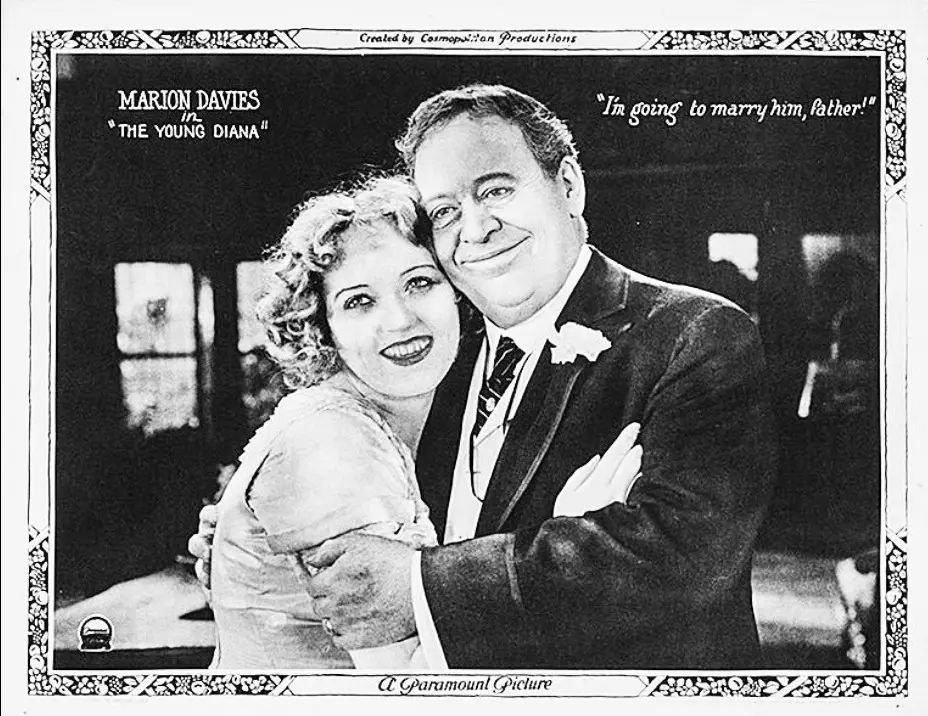
Luther Reed’s direction pirouettes from Grand Guignol to chamber intimacy without warning. One reel gives us a stately crane shot descending a baroque staircase straight out of Roads of Destiny; the next traps us in a candle-close-up where wax tears mimic the heroine’s. The tonal whiplash feels oddly modern, closer to A Child of Mystery than to anything Cecil B. DeMille was grinding out in ’22.
Gypsy O’Brien, billed fourth yet spiritually co-lead, plays Clarice—Diana’s mirror and merciless Greek chorus. In a monochrome world she arrives rouged like a Toulouse-Lautrec poster, dispensing epigrams that slice through patriarchal fat. Her final scene—discarded like a glove yet smiling like a cat who swallowed the canary—haunts the margins of every subsequent frame.
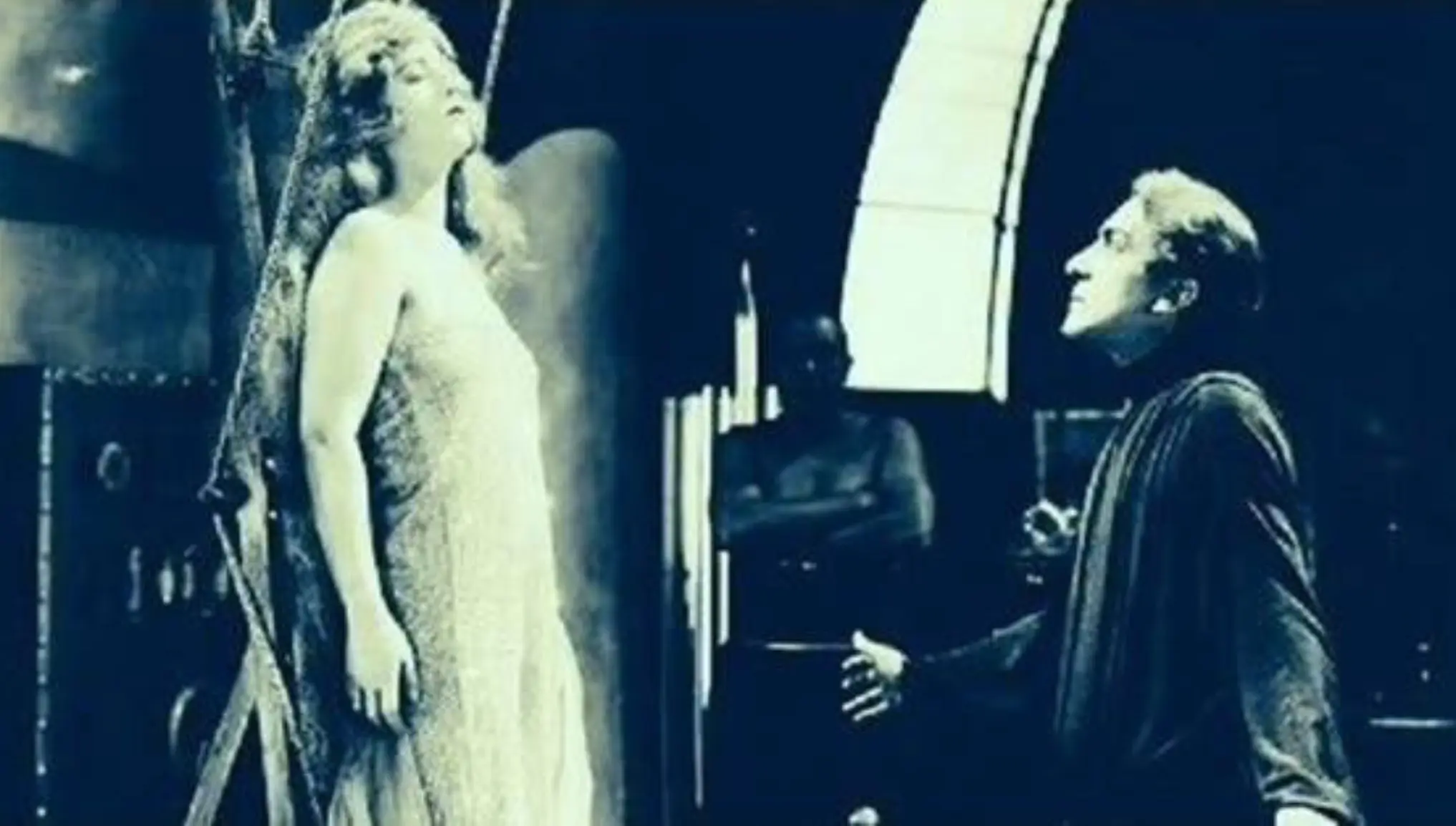
Technically, the picture is a restoration miracle. The 4K scan lifts nitrate grain without plasticising pores; you can still smell the magnesium flares in the night-ship sequence. The tints—cyan for sea, amber for salon—rhyme with the thematic colour palette we imposed above, a meta-echo that would make Reed smirk. A new score by Ulrich Reeve (piano, musical saw, and the breathy vintage of a 1919 Edison drum) interpolates Debussy with dock-front shanties, bridging salon and fo’c’sle the way the narrative aches to.
Corelli’s source novel, all 600 feverish pages, here gets compressed into 78 minutes that feel both breathless and languorous. Reed hacks away subplots about occult lodges and reanimating mummies, yet preserves the author’s preoccupation with the price of transcendence. The result plays like The Call of Youth cross-bred with Die ewige Nacht—a perfume ad for mortality.
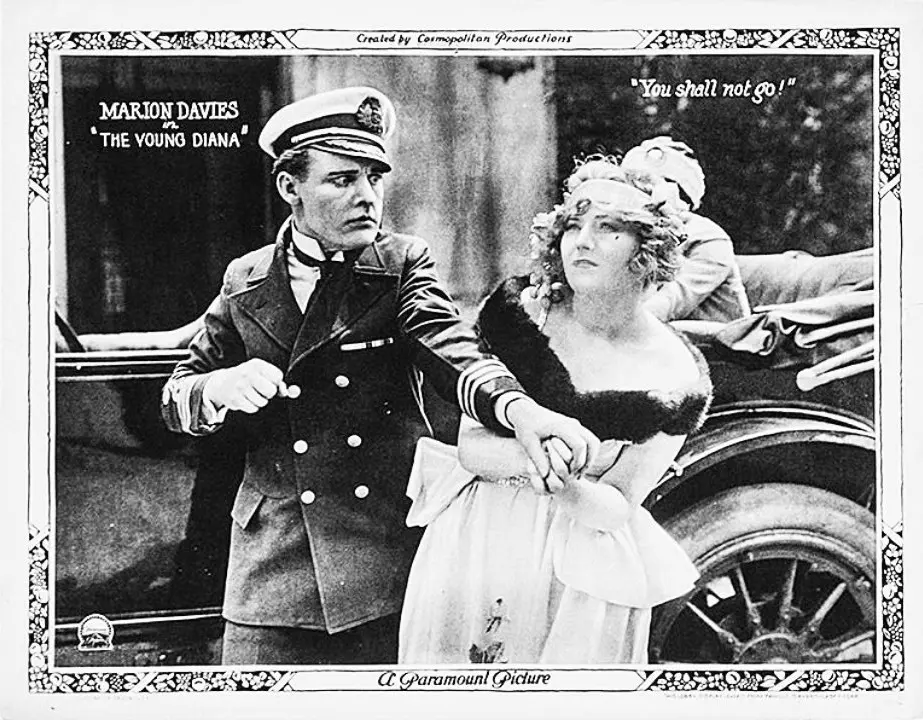
Comparative mythology buffs will note the graft of Greek nymph lore onto Edwardian marriage market: Diana, chaste huntress, becomes commodity; Actaeon appears as sailor; Hecate sidles in wearing lab coat and pince-nez. The elixir is less magic potion than societal ultimatum: remain desirable or perish. In 2024’s filter-obsessed culture, the film feels like a TikTok filter that bites back.
Yet the film’s true coup is its refusal to moralise. When our heroine stands at the crossroads—sip and stay nineteen forever, or refuse and brave crow’s-feet beside Cleeve—the camera dollies back until she is a lone exclamation mark on a cliff. No title card lectures; the projector’s rattle is verdict enough. Viewers stagger out arguing not about what she chooses but why choice itself has been cornered into such barbaric binaries.

Cinephiles hunting for queer subtext will find it shimmering like opalescent mesh. Dimitrius’ obsession with preserving “flawless youth” reads as proto-transhumanist, but also as sublimated desire for eternal boyhood beauty; Diana’s rejection can be decoded as refusal to be fossilised into someone else’s ideal. The sailor’s weather-beaten body, celebrated for its “honest scars,” stands in for every outsider identity that wilts under the elixir of enforced perfection.
The picture bombed on first release—blamed on post-war escapist fatigue, plus rumours that Davies’ lover Hearst demanded five reels of close-ups. Those whispers fade when you see how little screen time she actually wastes preening; her performance is a masterclass in calibrated need. Today, The Young Diana belongs in the same curatorial breath as L’énigme and The Wager: proof that the twenties were already interrogating the machinery of age, gender, and power beneath their champagne fizz.
Where to watch: the newly minted 4K is streaming on Criterion Channel and doing repertory rounds at MoMA and BFI. Catch it on 35 mm if you can; the cigarette-burn cue marks feel like Morse code from the afterlife. If you emerge wanting more maritime mysticism, queue Captain Swift. If the elixir hooks you, chase it with A Tray Full of Trouble, another tale of chemistry gone carnal.
Bottom line: The Young Diana is a hand-tinted postcard from the edge of forever, a film that knows immortality is just another word for endless repetition and dares you to drink anyway. Sip responsibly.

IMDb 6.6
1928
Community
Log in to comment.