DbcultAccessing Vault...
Cult Review
Senior Film Conservator
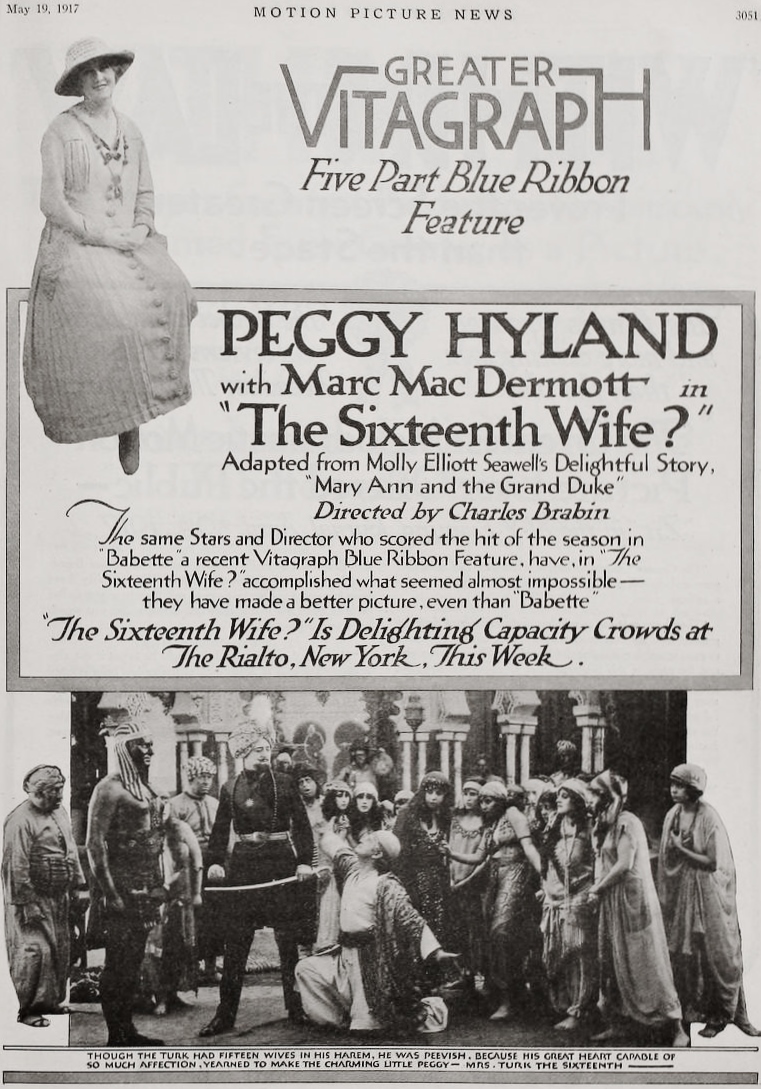
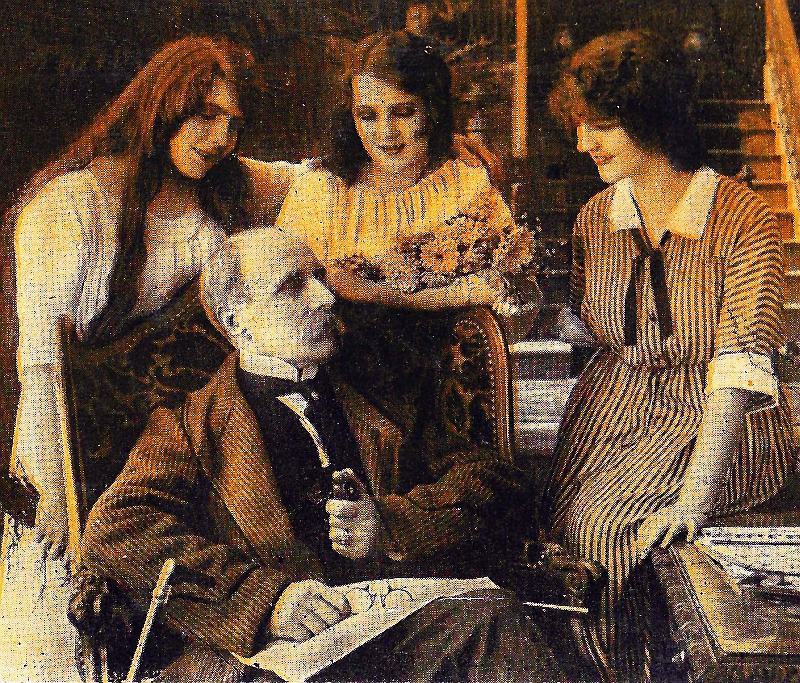
The flickering luminescence of early cinema often served as a grand canvas for sweeping melodramas, exotic fantasies, and profound moral quandaries. Among these cinematic artifacts, The Sixteenth Wife emerges not merely as a relic of a bygone era, but as a compelling exploration of power dynamics, individual agency, and the seductive, yet perilous, allure of the 'Other'. Released in an age obsessed with distant lands and dramatic human struggles, this film, penned by A. Van Buren Powell and Molly Elliot Seawell, plunges audiences into a narrative as old as civilization itself: the clash between relentless desire and an unyielding spirit.
At its heart lies a premise both simple and profoundly unsettling: a powerful Turk, already surrounded by the quiet submission of fifteen wives, fixates on making one more woman his own. This isn't a story of romantic pursuit, but of acquisition, of a potentate's will bending the world to his whim. Marc McDermott, a formidable presence in early cinema, embodies this titular Turk with a chilling gravitas. His portrayal is less about overt villainy and more about an ingrained sense of entitlement, a character whose desires are immediate and absolute. McDermott, known for his imposing stature and often villainous roles, brings a palpable sense of menace and unwavering resolve to the screen, his every gesture underscoring the formidable obstacle our heroine faces. His performance, reliant entirely on physicality and facial expression, communicates a man for whom 'no' is merely an unheard word, a temporary delay in the inevitable expansion of his dominion.
Opposing this monolithic force is the heroine, brought to vivid, silent life by the expressive Peggy Hyland. Hyland, a star of the silent screen, imbues her character with a quiet strength and a resilient spirit that transcends the confines of her perilous situation. Her struggle is not merely against a man, but against an entire cultural paradigm that seeks to erase her autonomy. The film, through Hyland's nuanced performance, transforms her into a symbol of resistance. Her wide, pleading eyes, her subtle tremors of fear, and her moments of defiant stillness speak volumes where words are absent. It’s a performance that resonates with the plight of women throughout history, battling against forces far greater than themselves. In an era where female characters were often relegated to damsel-in-distress tropes, Hyland’s portrayal suggests a deeper, more internal fortitude, making her character's fight for self-preservation genuinely compelling.
The cinematic language of The Sixteenth Wife, typical of its period, relies heavily on exaggerated gestures, dramatic close-ups, and the narrative guidance of intertitles. Yet, within these conventions, the film manages to craft a surprisingly tense and psychologically charged atmosphere. The sets, though perhaps modest by today’s standards, effectively convey the opulence of the Turk’s court and the stark contrast with the heroine’s perceived simplicity or vulnerability. Costumes play a crucial role, not just in establishing setting, but in delineating character: the Turk’s rich, authoritative attire against the heroine’s more modest, often disheveled, garments underscores the power imbalance. The silent medium, far from being a limitation, forces the viewer to engage more deeply with the visual storytelling, interpreting every flicker of emotion, every tense tableau.
One cannot discuss The Sixteenth Wife without addressing the pervasive theme of orientalism that permeated much of Western art and media during this period. The 'Turk' character, a stock figure in many narratives, often served as a convenient antagonist, embodying exotic despotism and providing a foil against which Western ideals of freedom and individualism could shine. While the film undoubtedly partakes in these tropes, it also, perhaps inadvertently, offers a glimpse into the anxieties surrounding cultural encounters and the subjugation of women in patriarchal societies, wherever they may exist. The film's 'Orient' is less a geographical location and more a theatrical backdrop for a universal struggle. This portrayal of the 'other' as both alluring and menacing was a common narrative device, much like the dramatic foreign settings seen in films such as Vendetta, which capitalized on exotic locales to heighten emotional stakes, or even Der Thug. Im Dienste der Todesgöttin, though the latter delves into more overtly sinister cult dynamics. Here, the 'otherness' is rooted in social structure rather than religious fanaticism.
The writing team of A. Van Buren Powell and Molly Elliot Seawell, working within the narrative constraints of the era, crafted a story that, despite its brevity, managed to evoke a sense of high drama and moral urgency. Seawell, a prolific author known for her historical romances and children's literature, brought a sensibility for strong narrative arcs and character-driven conflict. Powell's contribution likely solidified the cinematic structure, translating literary concepts into visual beats. Together, they distilled the essence of a woman's struggle against overwhelming odds, a theme that resonates across genres and eras. Their work here is a testament to the power of concise storytelling, where every plot point must serve to heighten the tension and define the characters through action and reaction.
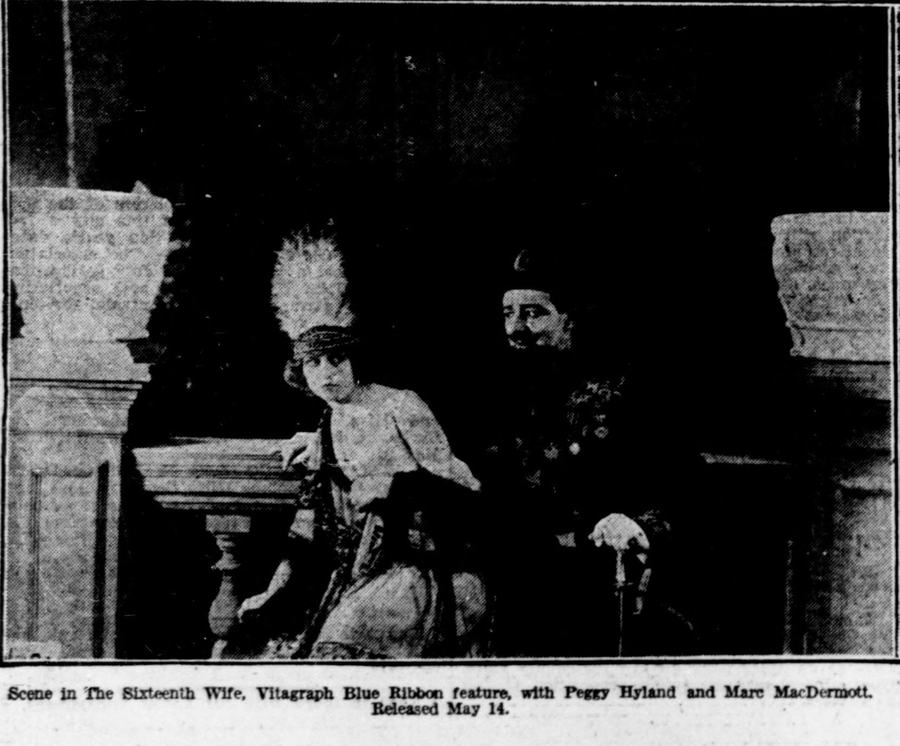
The film’s supporting cast, including George J. Forth and Templar Saxe, play crucial roles in fleshing out the world and escalating the stakes. Their performances, though perhaps less central than Hyland’s or McDermott’s, provide the necessary human elements that complicate the heroine’s escape or further the Turk’s agenda. Whether they are loyal servants, potential allies, or unwitting pawns, their presence contributes to the intricate web of power and intrigue that defines the narrative. Their silent reactions and interactions are vital in conveying the atmosphere of dread or hope that permeates the various scenes, acting as a chorus to the central drama.
Comparing The Sixteenth Wife to other films of the period highlights both its unique qualities and its adherence to established cinematic trends. While films like A Romance of the Redwoods, a D.W. Griffith classic, also featured strong female leads in peril, their struggles were often framed within a distinctly American frontier setting, emphasizing different forms of heroism and moral rectitude. Here, the 'foreign' element adds another layer of cultural conflict to the personal drama. The intense psychological pressure faced by Hyland’s character might find a faint echo in the internal battles of characters in films like Under the Gaslight, where women are often trapped by circumstances or societal expectations, though the threats in The Sixteenth Wife are far more overtly physical and politically charged.
The broader context of silent cinema in the early 20th century is essential for appreciating a film like this. It was an era of rapid innovation, where filmmakers were still discovering the grammar of cinematic storytelling. The reliance on visual cues, the theatricality of performances, and the often-melodramatic plots were not weaknesses but the very tools through which these early artists communicated. The Sixteenth Wife exemplifies this period's blend of entertainment and social commentary, albeit often filtered through a lens of exoticism. The dramatic tension, meticulously built through scene composition and character reactions, speaks to a nascent understanding of how to manipulate an audience's emotions without the aid of spoken dialogue. This required actors like Hyland and McDermott to possess an extraordinary command of pantomime and subtle facial expression, skills that are often underestimated today.
Furthermore, the film's exploration of obsession and unchecked power can be viewed through a timeless lens. The Turk's desire is not for love, but for ownership, a common theme in literature and film. This theme of a powerful individual's relentless pursuit, often at the expense of another's freedom, can be seen in various forms throughout cinematic history. While the specific cultural trappings might date the film, the core conflict remains profoundly human. It's a testament to the writers' ability to tap into universal anxieties about control, subjugation, and the enduring human quest for liberty.
The visual aesthetics of The Sixteenth Wife, while perhaps not groundbreaking for its time, contribute significantly to its atmosphere. The use of light and shadow, though often rudimentary, effectively creates mood and highlights dramatic moments. Indoor scenes might be bathed in a soft, diffused glow to suggest opulence, while moments of peril could employ starker contrasts. The framing of shots often emphasizes the isolation of the heroine or the imposing presence of the Turk, using the entire visual field to convey narrative information. This deliberate visual communication was paramount in a medium devoid of sound, requiring a meticulous eye from the director and cinematographer.
In an age fascinated by the spectacle of the exotic, films like The Sixteenth Wife offered audiences a window into worlds far removed from their own, even if those worlds were largely constructed from Western imaginings. It presented a dramatic narrative that, despite its romanticized and sometimes problematic portrayal of foreign cultures, tapped into universal themes of struggle and survival. While we might not have a direct comparison on this list for its specific blend of orientalism and female agency, the general spirit of adventurous drama and heightened stakes can be found in films like The Return of Draw Egan, which also explored intense personal conflicts against a backdrop of danger and moral choice.
Ultimately, The Sixteenth Wife stands as more than just a historical curiosity. It is a potent reminder of the enduring power of silent cinema to convey complex emotions and compelling narratives. Through the magnetic performances of Peggy Hyland and Marc McDermott, and the thoughtful narrative constructed by Powell and Seawell, the film encapsulates a timeless struggle for freedom against the crushing weight of tyrannical desire. It invites us to ponder the nature of power, the resilience of the human spirit, and the moral complexities that arise when cultures collide. This film, though a product of its time, speaks to an enduring human condition, making its silent plea for liberty resonate even today.
IMDb 4.8
1920
Community
Log in to comment.