DbcultAccessing Vault...
Cult Review
Senior Film Conservator
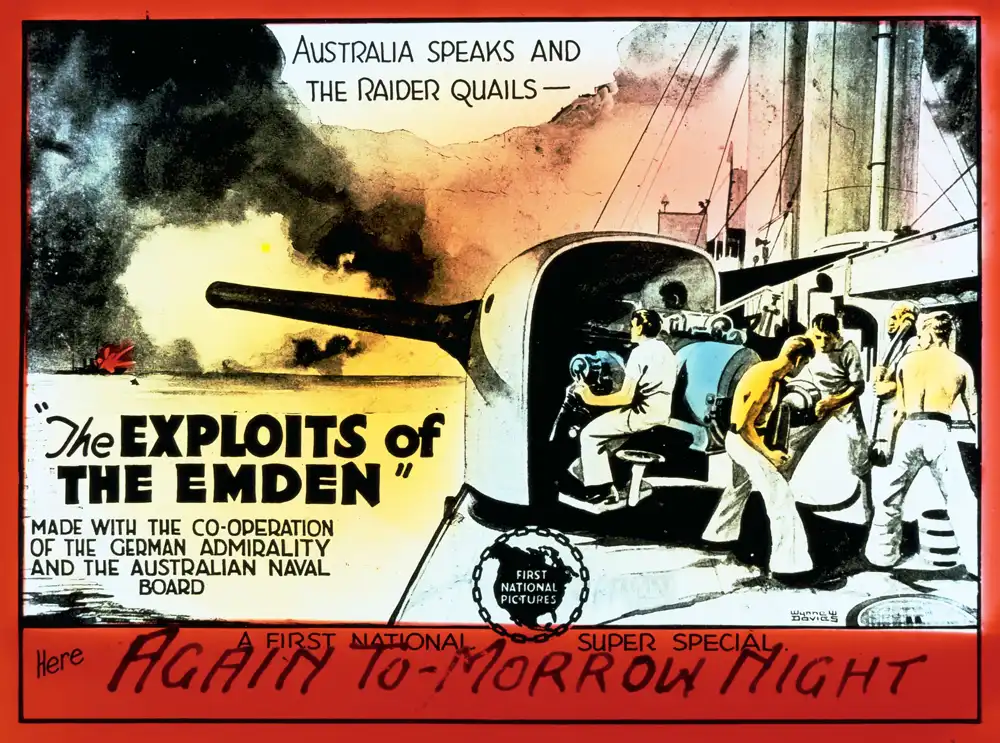
Okay, so The Exploits of the Emden isn't exactly a Saturday night popcorn flick for everyone. But if you've got a soft spot for really old war dramas, especially the silent kind, and don't mind a story that feels a bit... too neat, then yeah, give it a shot. Anyone looking for modern action or complex character arcs? You'll probably be bored stiff, bless your heart. 🙏
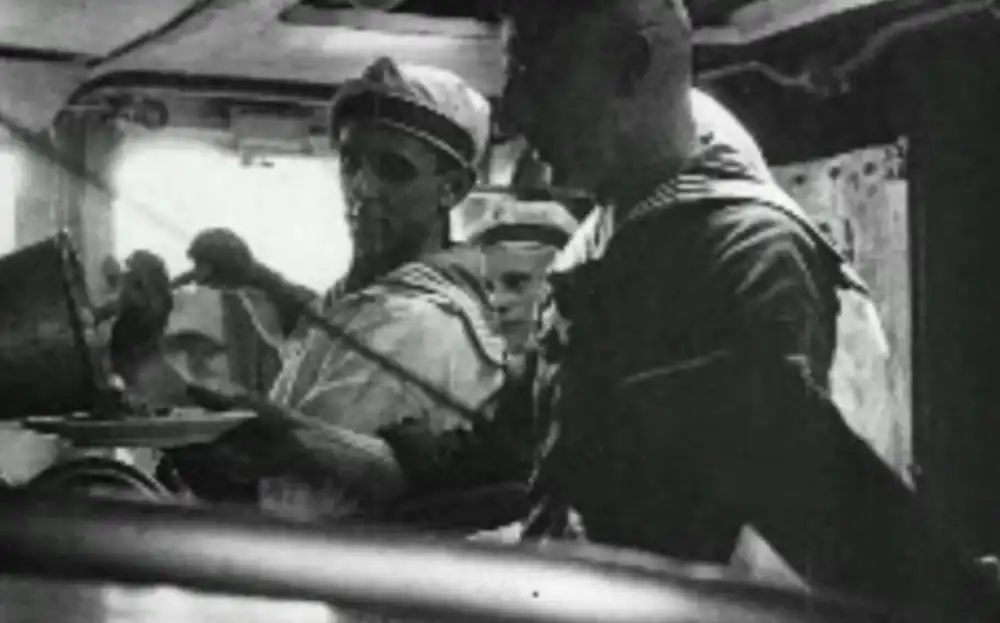
The whole thing kicks off with a German officer, just minding his own business, requesting his wife join him out in China where his ship, the SMS Emden, is hanging out. It’s a quiet life, you know. Then, *bam*, World War I breaks out, and suddenly, his ship is called into service. No time for a proper goodbye, which feels pretty standard for these sorts of tales.

What follows, though, is where things get... interesting. The Emden is out there, doing its naval thing, and spots a sinking passenger ship. Of course, they go to aid it. And wouldn't you know it, the officer's wife is on board this ill-fated liner! I mean, what are the odds? It’s a moment that asks you to really stretch your belief. You can almost feel the movie trying to convince you this moment matters, like, _really_ matters, despite the outrageous coincidence.

She’s found among the rescued, naturally, and our sailor is relieved. A very brief, heartfelt moment. They don't linger too long, which is probably a good thing. Another port visit happens, another quick farewell, and then the Emden is off again, sailing towards its fate.
The big set-piece, I guess you could call it, is when the Emden finally meets the HMAS Sydney in battle. It’s a proper naval showdown, silent film style. Lots of smoke, frantic hand gestures from the sailors, and that inevitable feeling of impending doom for our German cruiser. The Emden, as history tells us, gets sunk. But don't you worry about our officer. He manages to escape the sinking vessel. Just like that. Poof.
And, because this film truly loves its happy endings and convenient plot twists, he’s reunited with his wife. Again. It's almost like she just pops up wherever he ends up. You start to wonder if she's secretly a very dedicated shadow agent or something. The movie doesn't really explain how she's just *there* again, but hey, it's 1926. We weren't asking those kinds of questions then, were we? It just felt… right. Or at least, the filmmakers wanted it to feel right. 😊
The naval action itself is pretty decent for its time. You get a sense of the scale, even if the special effects are more charmingly antique than truly impressive. The focus, though, is always pulled back to our officer and his constant near-misses with his wife. It's a romance wrapped in a war film, or maybe a war film that mostly serves as an elaborate backdrop for a domestic drama. It's hard to tell sometimes.
One thing that really sticks out: the way they show the wife's expressions. Maria Mindzenty, she plays the wife, and you can see her trying to convey a lot with just her face. Those close-ups really highlight the silent film acting style. It's a bit exaggerated to modern eyes, but you get the emotion, even if it feels a little _pushed_ sometimes. Kapitänleutnant von Mücke, as the officer, has a more stoic thing going on, which makes sense for a naval man.
I kept thinking about how different this is from something like, say, The Cheat, another film from that era. While that one leaned into intense personal drama with a bit of a scandalous edge, Emden keeps it all very noble and, well, *proper*. Even the war feels a bit like a gentleman's disagreement sometimes, despite the sinking ships.
The whole experience feels less like a gritty war epic and more like a heroic adventure tale where fate keeps playing matchmaker. It's a bit melodramatic, yes, and some of the plot contrivances are truly wild. But there’s an earnestness to it. You don’t get many films quite like this anymore, where the sheer good fortune of the main characters feels like a character in itself. Like, you know, the invisible hand of destiny. Or a really sloppy writer. 😉
So, is it a masterpiece? Nah. But is it a neat peek into early cinema and how they handled grand stories with very limited tools? Absolutely. It’s a curiosity, a bit of a time capsule. You might even chuckle at some of the overly dramatic moments, and that's okay. It’s part of the charm, really.
IMDb —
1923
Community
Log in to comment.