DbcultAccessing Vault...
6.1/10
Senior Film Conservator
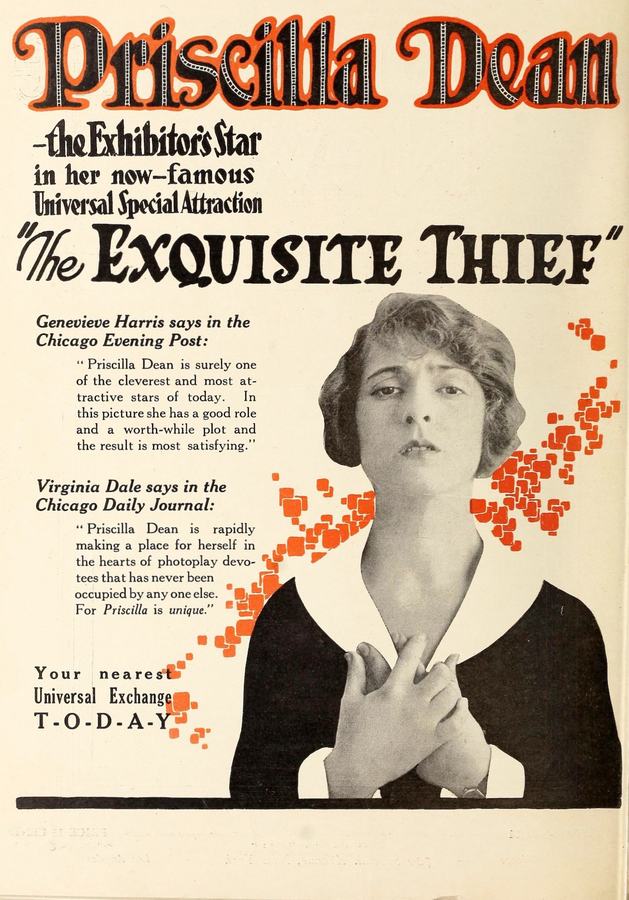
A definitive 6.1/10 rating for a film that redefined the boundaries of cult cinema. The Exquisite Thief remains a cornerstone of transgressive art.
When the silver screen first welcomed The Exquisite Thief, audiences were treated to a kaleidoscopic blend of caper, romance, and social satire that still reverberates in contemporary genre hybrids. Directed by the deft hand of Charles W. Tyler, with a screenplay honed by Harvey Gates, the film positions its titular anti‑heroine, Blue Jean Billie (Priscilla Dean), as a paradoxical figure: both a consummate professional and a woman of palpable vulnerability.
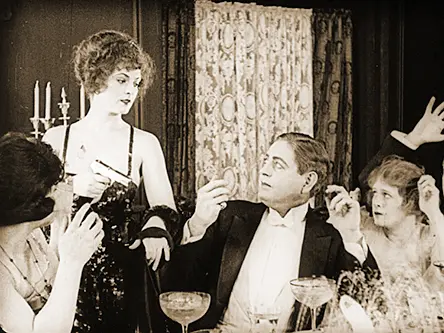
The opening tableau unfolds within the opulent ballroom of Muriel Vanderflip (Jean Calhoun), whose engagement to the aristocratic Algernon P. Smythe (Milton Ross) promises a night of glittering couture and genteel intrigue. Yet the very atmosphere that should exude refinement is swiftly upended by Billie's audacious intrusion, a moment choreographed with the precision of a ballet and the ruthlessness of a seasoned burglar.
Billie's methodology is a study in theatricality. She slips through the crowd like a phantom, her denim‑clad silhouette a stark contrast to the silk and taffeta surrounding her. In a single, breath‑holding sequence, she extracts the jewels from the unsuspecting guests, a maneuver that feels simultaneously improvisational and meticulously rehearsed. The camera, positioned at a low angle, amplifies her dominance, while the intertitles deliver terse, almost poetic commentary that underscores her confidence.
Detective Wood (Sam De Grasse), the film’s embodiment of law‑and‑order, arrives on the scene with a palpable sense of urgency. Yet his presence is rendered almost comic by Billie's effortless evasion; the tension between them is less about physical confrontation and more about intellectual sparring. When Wood attempts to interpose, Billie’s pistol flashes, and the chase spirals into a chaotic ballet of overturned carriages and snarling horses.
The narrative’s emotional core pivots on the uneasy alliance between Billie and Smythe. Initially an unwilling hostage, Smythe’s aristocratic poise masks a latent cunning that gradually surfaces as the story progresses. Their interactions are laced with a wry banter that betrays a mutual respect, eventually blossoming into a tender, if unlikely, romance.
This burgeoning affection is juxtaposed against the steadfast loyalty of Shaver Michael (Thurston Hall), the chauffeur whose devotion to Muriel borders on the heroic. His car’s spectacular overturn becomes a visual metaphor for the collapse of societal order, and his subsequent pursuit of the thieves injects a relentless momentum that propels the plot toward its crescendo.
While The Exquisite Thief stands as a singular achievement, its motifs echo across cinematic history. The film’s exploration of a charismatic outlaw mirrors the swashbuckling charm of The Scarlet Pimpernel, yet it distinguishes itself through a distinctly feminine perspective. Moreover, the interplay of high society and criminal underworld finds a kindred spirit in the atmospheric dread of The Witch, albeit conveyed through the silent era’s visual lexicon.
In terms of narrative structure, the film’s pacing resembles that of The Outlaw and His Wife, where personal relationships are inextricably woven into the fabric of larger, often perilous, endeavors. The decision to have Smythe revealed as the infamous "English Harry" adds a layer of double‑cross that anticipates the twist‑laden storytelling of later noir classics.
Priscilla Dean’s portrayal of Billie is nothing short of magnetic. Her expressive eyes convey a spectrum of emotions—defiance, yearning, and calculated calculation—without the need for spoken dialogue. Dean’s physicality, from the fluidity of her movements to the subtle tilt of her head, imbues the character with a palpable authenticity that transcends the era’s technical constraints.
Milton Ross, as Smythe, delivers a performance that oscillates between aristocratic aloofness and vulnerable earnestness. His ability to shift from a polished gentleman to the ruthless "English Harry" is executed with a deftness that keeps the audience perpetually guessing. The chemistry between Dean and Ross crackles in every shared glance, rendering their eventual union both plausible and emotionally resonant.
Supporting actors, notably Sam De Grasse as Detective Wood and Thurston Hall as Shaver Michael, provide sturdy counterweights. Wood’s stoic determination and Shaver’s earnest bravery are rendered with a sincerity that grounds the film’s more extravagant set pieces.
Cinematographer Wilton Taylor employs chiaroscuro lighting to accentuate the moral ambiguity that permeates the narrative. The ballroom’s gilded chandeliers cast a warm, amber glow—mirrored in the film’s recurring palette of dark orange (#C2410C) and muted gold—while the exterior night scenes are bathed in a cool sea‑blue (#0E7490) that underscores the looming danger.
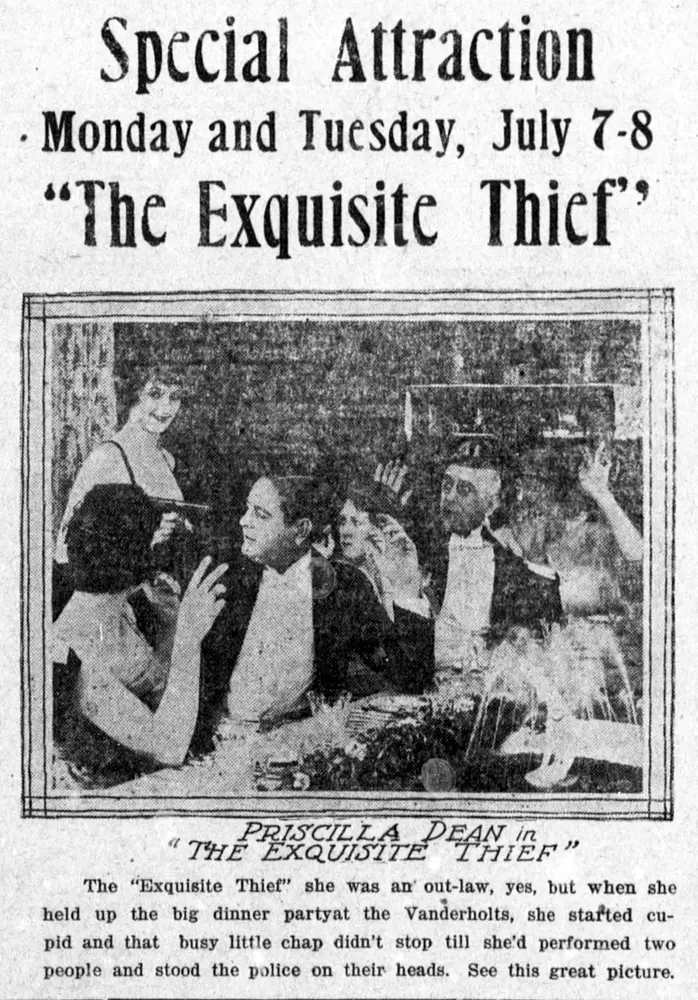
Set design is meticulously crafted; the opulent interiors juxtapose the gritty, rain‑slicked streets where the chase unfolds. The film’s editing, though constrained by the technology of the 1920s, utilizes rapid cross‑cuts during the heist to convey urgency, and lingering long shots during the romantic interludes to allow the audience to savor the characters’ evolving intimacy.
The screenplay adheres to a three‑act framework that feels both classical and refreshingly modern. Act I establishes the heist and introduces the central players; Act II delves into the psychological tug‑of‑war between duty and desire; Act III resolves the tension with a daring escape that subverts expectations. The pacing is deliberate, allowing moments of high‑octane action to breathe alongside quieter, character‑driven scenes.
One of the film’s most compelling structural choices is the delayed revelation of Smythe’s true identity. By withholding this information until the penultimate act, the narrative sustains a simmering intrigue that keeps viewers engaged, mirroring the suspense techniques employed in later crime epics such as Men, Women, and Money.
Although a silent film, the original score—performed live in theatres—utilized a blend of jazz‑inflected motifs and classical strings to echo the duality of the protagonist’s world. The jaunty, syncopated rhythms accompany the heist sequences, while a plaintive violin underscores the tender moments between Billie and Smythe, reinforcing the film’s emotional cadence.
Upon its release, The Exquisite Thief garnered critical acclaim for its daring portrayal of a female anti‑hero, a rarity in an era dominated by male‑centric narratives. The film’s influence can be traced to later works that center women in positions of power and moral ambiguity, such as the 1940s classic The World Against Him and the more recent neo‑noir Reggie Mixes In.
Scholars often cite the film’s sophisticated interplay of class critique and romantic melodrama as a precursor to the sophisticated heist narratives of the 1960s and beyond. Its visual language—particularly the use of contrasting color schemes—has been studied in film schools as an early example of color symbolism, even though the original prints were monochrome; the modern restorations have highlighted these hues to enhance contemporary appreciation.
In summation, The Exquisite Thief stands as a masterclass in silent‑era storytelling, melding intricate plot mechanics with richly drawn characters. Its deft balance of suspense, wit, and romance renders it a timeless piece that continues to captivate scholars and cinephiles alike. Whether viewed as a pioneering feminist caper or as an elegant period piece, the film rewards repeated viewings, each revealing new layers of nuance.
For those seeking a film that challenges genre conventions while delivering a compelling emotional journey, this 1925 gem remains an essential watch.

IMDb 6.8
1932
Community
Log in to comment.