DbcultAccessing Vault...
3.7/10
Senior Film Conservator
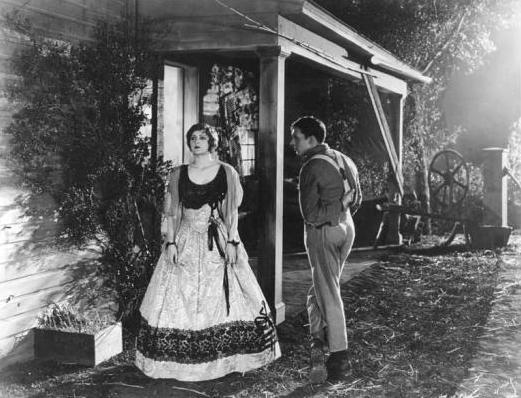
A definitive 3.7/10 rating for a film that redefined the boundaries of cult cinema. The Fighting Brothers remains a cornerstone of transgressive art.
Ah, the silent era Western. A genre often dismissed by modern audiences as quaint or simplistic, yet within its stark visual language, one frequently discovers narratives of profound ethical complexity and raw human drama. Such is the case with 1919's The Fighting Brothers, a film that doesn't just tell a story of the Old West, but rather plunges headfirst into the very soul of a man torn between the rigid demands of his sworn duty and the unbreakable bonds of blood. Directed with a keen eye for emotional nuance, this cinematic artifact, penned by George C. Hull and George Hively, offers far more than just galloping horses and six-shooter showdowns; it delivers a visceral examination of loyalty, justice, and the moral ambiguities that define us. It's a testament to the power of early filmmaking to articulate universal dilemmas without uttering a single spoken word.
At the heart of The Fighting Brothers lies Sheriff Larkin, portrayed with a compelling gravitas by Pete Morrison. Morrison, a stalwart of the Western genre, imbues Larkin with a quiet strength that belies the tempest raging within. The premise is devastatingly simple yet infinitely complex: Larkin's own brother, played by Jack Woods, stands accused of a murder he did not commit. This isn't just a legal predicament; it's an existential crisis for a man whose identity is inextricably linked to upholding the law. The initial scenes, depicting Larkin's methodical, almost agonizing adherence to his duty as he arrests his own sibling, are masterpieces of silent storytelling. Every lingering glance, every subtle shift in posture, conveys the profound internal conflict tearing at the sheriff. He performs his job with a grim determination, escorting his brother to the confines of a prison cell, a duty fulfilled with a heavy heart that is palpable even through the grainy black and white footage.
But the true genius of Hull and Hively's screenplay, and indeed the film's enduring power, emerges in the aftermath of this painful obligation. Once the badge is unpinned, once the uniform is shed, Larkin transforms. He ceases to be the impartial arm of the law and becomes, once again, simply a brother. His subsequent actions—engineering his brother's escape—are not acts of defiance against justice itself, but rather a desperate, primal assertion of familial loyalty against a system he believes has erred. This isn't a story of a corrupt lawman, but of a righteous one forced to navigate a labyrinth of moral compromise. The film masterfully avoids painting Larkin as a villain; instead, it portrays him as a man driven by a higher, more personal code, highlighting the profound tension between societal expectations and individual conscience. This nuanced exploration of duty versus personal conviction finds a thematic cousin in films like Behind the Door, where the horrors of war push a man to extreme, morally ambiguous acts for the sake of vengeance and love. While the settings differ wildly, the core examination of how extraordinary circumstances force individuals to transgress conventional morality resonates powerfully.
The success of a silent film hinges entirely on the expressive power of its cast, and The Fighting Brothers boasts a lineup that delivers. Pete Morrison, as Sheriff Larkin, carries the emotional weight of the narrative with remarkable subtlety. His eyes, even through the flickering projection, convey a world of inner turmoil and unwavering resolve. He doesn't just act; he embodies the struggle. Jack Woods, as the falsely accused brother, is equally compelling. His portrayal evokes a sense of bewildered despair and quiet dignity, making his plight all the more sympathetic. The bond between the two actors feels authentic, lending credibility to the extraordinary lengths Larkin goes to protect his kin.
Hoot Gibson, a name synonymous with early Westerns, brings his characteristic charm and athleticism to his role, providing a dynamic counterpoint to the more somber central conflict. Gibson's presence often injected a needed vitality into these narratives, and here, he doesn't disappoint. Yvette Mitchell and Duke R. Lee round out the principal cast, each contributing to the rich tapestry of the frontier town. Mitchell, in particular, often played strong female characters in the era, and her performance here, while perhaps less central, adds a vital human element to the backdrop of the unfolding drama. These actors, through exaggerated yet precise gestures, nuanced facial expressions, and powerful body language, construct a world of palpable emotion that transcends the absence of dialogue. It's a masterclass in non-verbal communication, reminding us that true acting often lies in what is left unsaid.
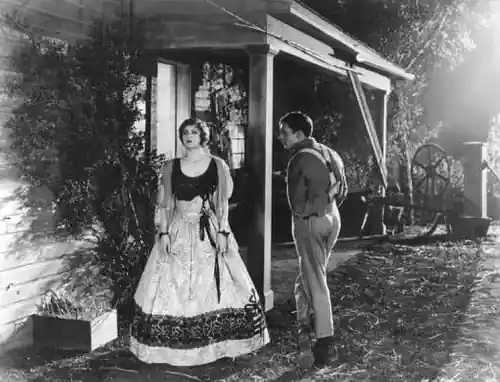
The directorial hand guiding The Fighting Brothers is adept at utilizing the vast, untamed landscapes of the American West not merely as a backdrop, but as an active participant in the narrative. The rugged terrain mirrors the harsh moral choices faced by the characters. The sweeping vistas emphasize the isolation and the immense personal responsibility that falls upon Larkin's shoulders. The action sequences, while perhaps less elaborate by modern standards, are executed with a raw energy that keeps the audience engaged, culminating in a tense, gripping escape sequence that truly ratchets up the stakes. The use of intertitles is particularly effective, serving not just to convey dialogue or plot points, but to punctuate emotional beats, offering glimpses into the characters' inner thoughts and motivations, much like a Greek chorus commenting on the unfolding tragedy.
George C. Hull and George Hively's writing is commendable for its tight plotting and its refusal to offer easy answers. They craft a scenario where the protagonist's actions, though morally questionable by strict legal standards, are entirely understandable and even laudable from a human perspective. This moral ambiguity is what elevates The Fighting Brothers above many of its contemporary Westerns, which often adhered to more clear-cut distinctions between good and evil. The narrative avoids preachiness, instead allowing the audience to wrestle with Larkin's dilemma alongside him. This sophisticated approach to character and plot is something that one might expect from more modern cinema, yet it is present here, nearly a century ago.
Comparisons within the silent Western canon reveal The Fighting Brothers as a strong entry. While films like The Masked Rider might lean more heavily into classic adventure tropes, or The Puncher and the Pup into heartwarming companionship, "The Fighting Brothers" firmly plants its boots in the soil of ethical conflict. Its thematic depth also sets it apart from more straightforward action-oriented features, or even those focusing on individual heroism. It's a film that asks profound questions about where our true allegiances lie, and what happens when those allegiances tear us apart. The raw, unvarnished depiction of the American West, a hallmark of its era, finds its echoes in other contemporary productions. While not directly comparable in plot, the ethos of survival and stark moral choices present in The Courageous Coward, for instance, contribute to a broader understanding of the genre's formative years, albeit through a different lens of personal integrity.
The Fighting Brothers stands as a compelling reminder of the sophistication and emotional power of silent cinema. It transcends its historical context to speak to timeless human concerns. The narrative of duty versus loyalty, of the law's fallibility, and of the fierce, unyielding bond between siblings is as potent today as it was over a century ago. It challenges viewers to consider the complexities of justice and the sacrifices we are willing to make for those we love. While audiences of the time might have been equally captivated by the spectacle of human athleticism in World's Heavyweight Championship Between Tommy Burns and Jack Johnson, "The Fighting Brothers" offered a different kind of compelling confrontation: an internal, ethical battle fought with equally compelling intensity on the cinematic stage.
For enthusiasts of classic Westerns and silent film aficionados alike, The Fighting Brothers is an essential viewing experience. It's not merely a historical curiosity; it's a vibrant, emotionally resonant piece of filmmaking that deserves its place among the genre's most thought-provoking entries. Its ability to convey such profound moral quandaries through the limited technical means of its era is nothing short of remarkable. It is a film that lingers long after the final fade to black, prompting reflection on the immutable conflicts that continue to shape the human condition, proving that some stories, told with enough heart and conviction, require no sound to be heard loud and clear. It’s a powerful exploration of the lengths one will go for family, an enduring theme that continues to resonate across cinematic landscapes, from the gritty frontier to more contemporary dramas like A Bit of Kindling, which, while different in genre, also explores the spark of desperation in dire circumstances. Similarly, the desperate plight of the accused brother and Larkin's unwavering support could be seen as a precursor to narratives of profound personal sacrifice, much like the emotional core found in A Hungry Heart, where emotional needs drive dramatic action. In its quiet intensity, The Fighting Brothers makes a powerful case for the enduring relevance of silent cinema, reminding us that the deepest human struggles are often best expressed through the eloquent silence of the screen.
IMDb 7.6
1934
Community
Log in to comment.