DbcultAccessing Vault...
Cult Review
Senior Film Conservator
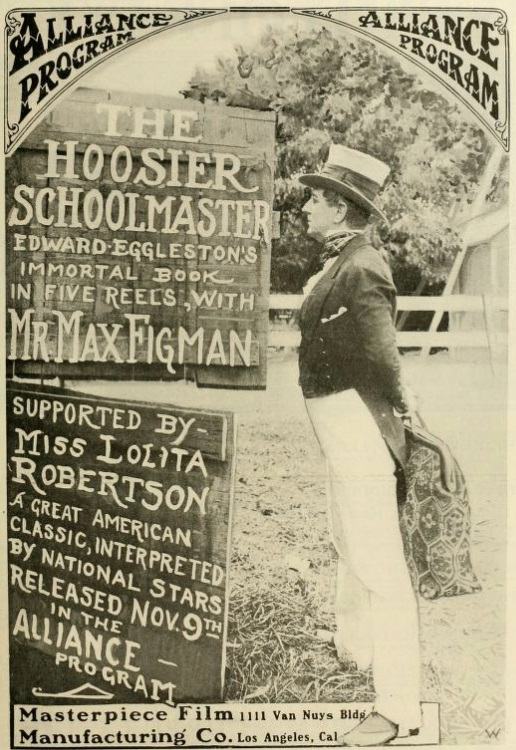
Stepping back into the cinematic annals of 1914, one encounters a fascinating artifact of early American storytelling: The Hoosier Schoolmaster. This silent film, an adaptation of Edward Eggleston’s seminal 1871 novel, transports us to a vivid, if somewhat idealized, depiction of the 1831 Indiana frontier. It’s a landscape not merely of untamed wilderness but of untamed human spirit, where societal norms are still fluid and the clash between progress and tradition, enlightenment and ignorance, is fiercely pronounced. The film serves as a compelling window into the social fabric of nascent America, presenting a narrative that, despite its century-old vintage, resonates with timeless questions about character, community, and the transformative power of knowledge. This isn't just a historical curiosity; it's a testament to the enduring power of narrative, even in its most nascent cinematic forms.
At the heart of this compelling drama is Ralph Hartsook, portrayed with earnest conviction by Roy Stewart. Ralph is not merely a schoolmaster; he is an evangelist of intellect, a lone beacon of progressive thought in a community steeped in suspicion and brute pragmatism. His arrival in the Flat Creek District is less an appointment and more a declaration of war against the prevailing ethos that values physical might over mental acuity. The phrase “l'arnin' is a keener-edged tool than lickin'” becomes his unofficial motto, a radical philosophy in a world where discipline is often synonymous with corporal punishment. Stewart, through the expressive silent film acting style, conveys Ralph's unwavering resolve and inherent goodness. His gestures are deliberate, his gaze often fixed with a purposeful intensity, allowing the audience to intuit the depth of his commitment despite the absence of spoken dialogue. He embodies the classic American archetype of the self-made man, not through material gain, but through moral and intellectual fortitude. His journey is one of profound courage, a quiet defiance against a society that initially scorns his very purpose. He is the quintessential outsider, challenging a deeply ingrained culture, much like protagonists in other literary adaptations of the era where societal structures are questioned, such as the struggles against rigid class systems seen in films like Oliver Twist or the grand narratives of social upheaval explored in Les Misérables.
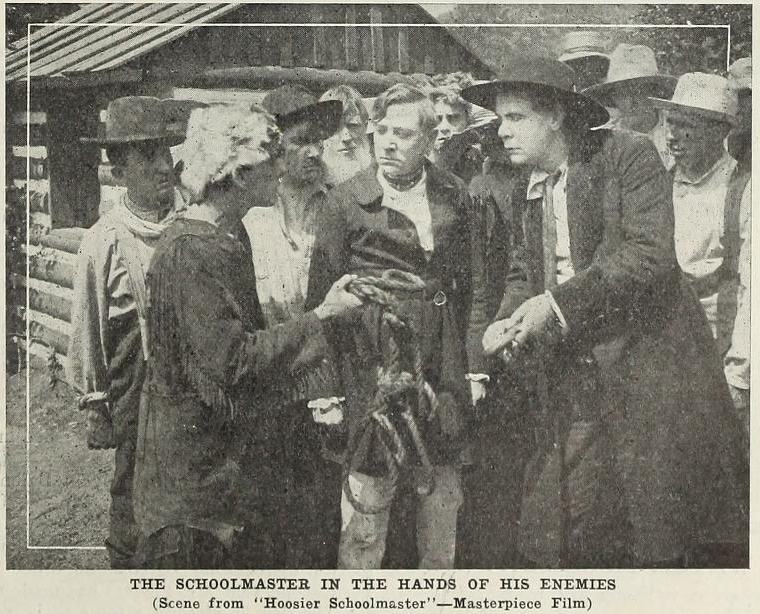
The emotional core of the film, arguably even more poignant than Ralph's intellectual crusade, lies in the character of Hannah Thompson, brought to life with delicate pathos by Lolita Robertson. Hannah is an anomaly in Flat Creek, a girl educated far beyond her humble, brutal surroundings. Bound out as a servant in the Means household, she is reduced to a drudge, her sensitive, retiring disposition ill-equipped to combat the sheer brutality and thoughtlessness of her masters. Robertson’s portrayal is remarkable for its subtle communication of profound suffering and quiet dignity. Her downcast eyes, her hesitant movements, and the occasional flicker of hope or despair across her face speak volumes where words are absent. It is in Hannah that Ralph sees not a servant, but a kindred spirit, recognizing the “Queen rose of the rosebud garden of girls” beneath her soiled clothes and downtrodden demeanor. This recognition forms the romantic heart of the story, a love born of empathy and shared intellectualism rather than superficial attraction. Hannah's plight highlights the harsh realities faced by vulnerable individuals on the frontier, a theme that echoes the struggles of characters seeking a better life or escaping hardship, a common thread in early cinema. Her story is a testament to the enduring human spirit, a quiet resistance against overwhelming odds, and a powerful symbol of grace under pressure.
The Means household serves as a perfectly crafted microcosm of the Flat Creek community’s less savory aspects. Mrs. Means, played by Florence Gibson, is a character steeped in hypocrisy. While she outwardly disdains education, she harbors no objection to its familial absorption, scheming to marry Ralph to her vain daughter, Sis (George Huff). This juxtaposition of ignorance and vanity creates a rich vein of comedic tension. Sis Means, egged on by her mother, relentlessly pursues Ralph, oblivious to his true affections. Ralph, meanwhile, is caught in a delicate dance, attempting to maintain peace within the household while his heart burns for Hannah. The comedic sequences arising from this awkward triangulation are masterfully executed through exaggerated expressions and physical comedy, typical of the silent era, yet effectively conveying the underlying human foibles. The Means family dynamic underscores the societal pressures and class distinctions prevalent even in frontier settlements, where social climbing and maintaining appearances, however crude, were paramount. Their actions, though often humorous, highlight the pervasive self-interest and shortsightedness that Ralph is determined to overcome. This kind of domestic intrigue, driven by misguided ambition and social maneuvering, is a recurring motif in period dramas, revealing the universal nature of human desires, even when expressed through the distinct lens of early American life.
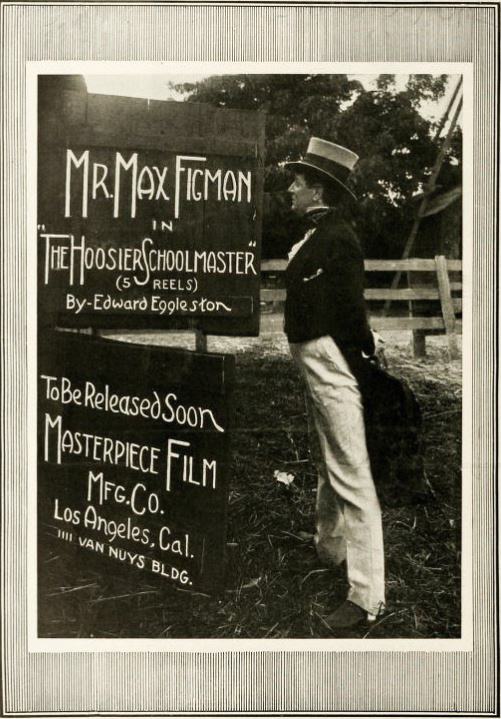
Ralph’s mission is not without formidable opposition. From the moment of his arrival, he is branded the “natural enemy” of the Flat Creek populace. This animosity finds its most potent physical embodiment in Bud Means, powerfully rendered by Edwin Harley. A towering figure at six feet two inches, Bud is the district’s self-proclaimed champion schoolmaster-hater, notorious for having “licked” every unfortunate educator who dared to venture into their territory. Harley’s physical presence and menacing demeanor effectively establish Bud as a formidable, almost primal, force of resistance. Yet, Ralph, despite the rumors and threats, steadfastly decides to remain, organizing his metaphorical “Church of the Licks”—a challenge to meet physical aggression with intellectual and moral superiority. When the initial attempts by the pupils to drive Ralph out fail, the conflict escalates, shifting from juvenile mischief to adult machination. The community patriarchs, under the insidious leadership of Pete Jones, a politician with considerable local influence (played by Max Figman), undertake the task of discrediting Ralph. Jones represents a more insidious form of antagonism: intellectual cunning twisted for malevolent purposes. Figman’s performance, likely characterized by subtle sneers and calculated gestures, would have conveyed this duplicity. The responsibility for a grave crime is cunningly fastened upon Ralph, stirring public sentiment into a fever pitch. This narrative arc cleverly demonstrates the transition from overt, physical opposition to covert, manipulative tactics, reflecting a more complex understanding of conflict. The film’s portrayal of justice and injustice, and the rallying of community sentiment, bears a thematic resemblance to other dramas where a protagonist faces public condemnation or an unjust trial, forcing a community to confront its own biases.
The film’s climax is a masterclass in silent film drama, a tense convergence of all the narrative threads. As crowds gather, fueled by rumor and prejudice, public sentiment against Ralph runs dangerously high. The tension is palpable, communicated through the actors’ expressions of fear, anger, and anticipation, and through the dynamic staging of large crowd scenes. It’s a moment where the very soul of Flat Creek hangs in the balance: will ignorance and mob mentality prevail, or will truth and justice ultimately triumph? The dramatic turning point arrives with striking impact. In a surprising act of redemption, Bud Means, the erstwhile champion of physical force, joins Ralph, aligning himself with the “Church of the Best Licks”—a powerful symbolic shift from brute strength to moral rectitude. This unexpected alliance signals a turning tide, a testament to Ralph’s unwavering influence and the gradual awakening of conscience within the community. The true villainy of Pete Jones is then dramatically exposed, branding him as the guilty party and clearing Ralph’s name. This resolution, while satisfying, also serves as a potent commentary on the dangers of unchecked power and the corrupting influence of opportunistic politics. The final threads are woven together with the remembrance of Shocky, Hannah’s long-lost brother, bringing a sense of completeness and emotional resonance to the narrative. This denouement underlines the film's optimistic view of progress, suggesting that even in the most hardened communities, enlightenment and justice can, with perseverance, ultimately prevail. The dramatic courtroom reveal and the subsequent exoneration of the wrongly accused protagonist is a narrative trope that has resonated throughout cinematic history, providing catharsis and reaffirming moral order, much like the climactic revelations found in stories of crime and consequence.
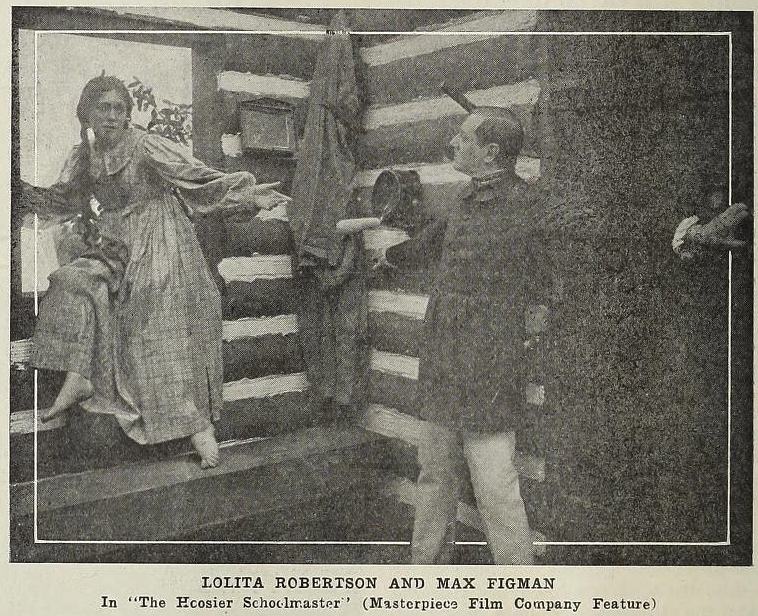
As a product of 1914, The Hoosier Schoolmaster offers invaluable insight into the evolving language of silent cinema. The film relies heavily on visual storytelling, employing exaggerated gestures, expressive facial contortions, and carefully composed tableau shots to convey emotion and plot. Intertitles, sparingly but effectively used, bridge narrative gaps and provide crucial dialogue or exposition, guiding the audience through the intricate plot twists. The cinematography, while constrained by early technology, still manages to capture the rustic charm and ruggedness of the frontier setting. Directors of this era were pioneers, experimenting with framing, depth, and movement to engage audiences without the benefit of synchronized sound. The pacing of the film, though perhaps slower by modern standards, allows for a deliberate unfolding of character and conflict, inviting the viewer to immerse themselves fully in the unfolding drama. The performances, often criticized today for their theatricality, were in fact a sophisticated form of non-verbal communication, demanding immense skill from actors like Roy Stewart and Lolita Robertson to convey nuanced emotions solely through their physicality and expressions. The film demonstrates how early filmmakers were already adept at using visual rhetoric to evoke sympathy, suspense, and humor, proving that a compelling story transcends technological limitations. This mastery of visual narrative can be seen in other foundational works of cinema, which, despite their age, continue to captivate through their innovative use of the camera and performance.
Beyond its historical significance as an early film adaptation, The Hoosier Schoolmaster is rich with themes that remain profoundly relevant. The central conflict between education and ignorance is a timeless struggle, portrayed here with a clarity that borders on allegorical. Ralph Hartsook stands as a symbol of progress, challenging the entrenched conservatism and anti-intellectualism of the frontier. His fight is not just for literacy, but for a broader enlightenment, a shift from superstition and brute force to reason and empathy. The film also delves into the complexities of justice, highlighting how easily public opinion can be swayed by rumor and manipulation, and how difficult it can be for truth to emerge in a community prone to prejudice. Hannah Thompson’s story is a powerful exploration of resilience and the quiet strength of the human spirit in the face of profound adversity. Her journey from drudgery to dignity, supported by Ralph's unwavering affection, forms a beautiful testament to the power of love and recognition. The film's blend of comedy and drama, its depiction of frontier life, and its optimistic resolution underscore a belief in the inherent goodness of people and the eventual triumph of moral rectitude. This narrative optimism, even amidst hardship, is a characteristic often found in early American cinema, reflecting the national spirit of the time. The exploration of these universal human experiences ensures that The Hoosier Schoolmaster remains more than just a historical curiosity; it is a resonant work of art that speaks to the perennial human quest for betterment, understanding, and connection.
In an era dominated by sprawling epics like The Life of Moses or grand historical dramas, The Hoosier Schoolmaster offers a more intimate, yet equally impactful, narrative. It's a character study wrapped in a social commentary, a love story woven into a tale of frontier justice. The film’s commitment to its source material, a beloved American novel, speaks to the burgeoning desire of early cinema to adapt respected literary works for a wider audience. The performances, while adhering to the conventions of the silent screen, manage to convey a surprising depth of emotion and character development. Roy Stewart’s earnest Ralph, Lolita Robertson’s vulnerable Hannah, and the colorful supporting cast collectively paint a vivid picture of a bygone era, yet their struggles and triumphs feel remarkably contemporary. The movie reminds us that the battle for education, for fairness, and for recognizing the inherent worth in every individual is an ongoing one. It's a reminder that true strength often lies not in physical dominance, but in intellectual courage and moral integrity. For cinephiles and historians alike, this film is not merely a relic; it is a living document, offering profound insights into the origins of American storytelling on screen and the enduring power of its themes. Its quiet charm and powerful message make it a truly remarkable experience, a testament to the foundational period of cinematic art and a compelling argument for the importance of 'l'arnin'' in any age.
IMDb —
1926
Community
Log in to comment.