DbcultAccessing Vault...
7.2/10
Senior Film Conservator
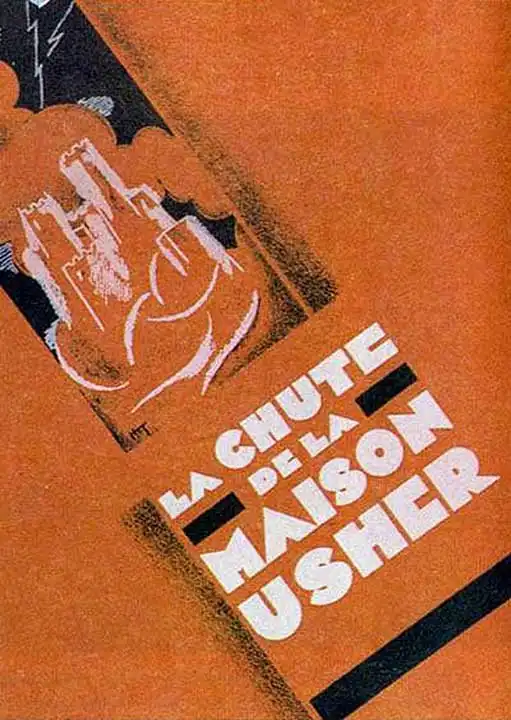
A definitive 7.2/10 rating for a film that redefined the boundaries of cult cinema. The Fall of the House of Usher remains a cornerstone of transgressive art.
If you come to Jean Epstein’s 1928 version of The Fall of the House of Usher expecting a traditional horror film with jump scares or a linear narrative, you will likely find yourself bored within twenty minutes. However, if you are looking for a film that captures the logic of a nightmare—where time stretches, the wind feels heavy, and the walls seem to breathe—this is essential viewing. It is a film for those who appreciate visual texture over dialogue and for anyone interested in how cinema can evoke a sense of dread without saying a single word.
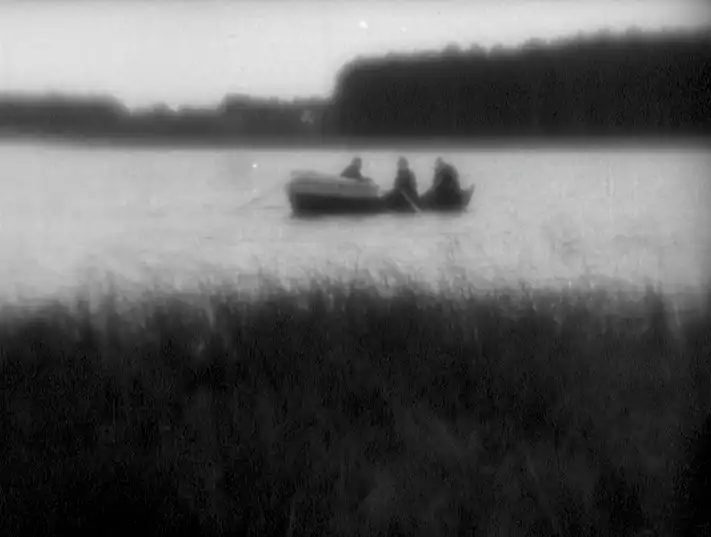
Modern audiences might struggle with the deliberate pacing, but for fans of Gothic aesthetics or the history of French Impressionist cinema, it remains a high-water mark. It’s less a movie and more a haunting that you happen to be watching.
What strikes you first about this film isn't the story, but the air. Epstein uses a variety of camera techniques that were revolutionary at the time and still feel effective today. The use of ralenti (slow motion) isn't used for action, but to make the simple movement of a bridal veil or the flickering of a candle feel supernatural. There is a specific shot of Madeline walking through the house where her veil trails behind her in a way that feels heavy, as if the air itself is resisting her movement.
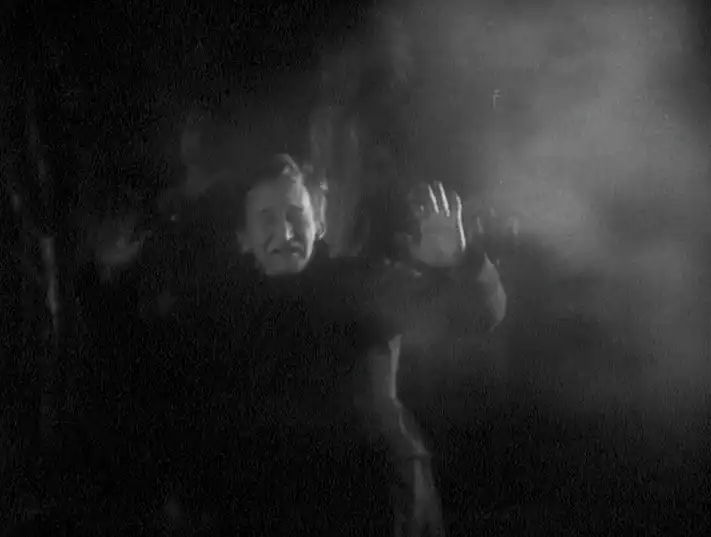
The house is not just a backdrop; it is a character. The sets are cavernous, filled with shadows and an inexplicable amount of wind that keeps curtains billowing and candles guttering. Epstein and his cinematographer, Georges Périnal, use double exposures to layer images of the house over the faces of the actors, suggesting that the Ushers are being physically absorbed by their environment. Unlike the more grounded approach seen in Fièvre, this film leans entirely into the surreal.
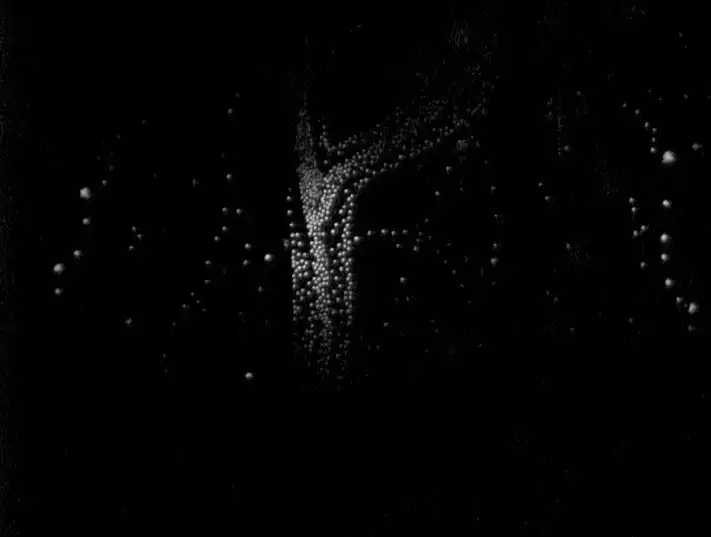
Jean Debucourt plays Roderick Usher not as a tragic hero, but as a man vibrating with a nervous, almost repellent energy. He is twitchy and obsessive. The way he handles his paintbrush—stabbing at the canvas as if he’s drawing blood—is genuinely unsettling. You can see the madness in his eyes, but it’s a quiet, internal madness rather than the theatrical 'crazy' acting common in the silent era.
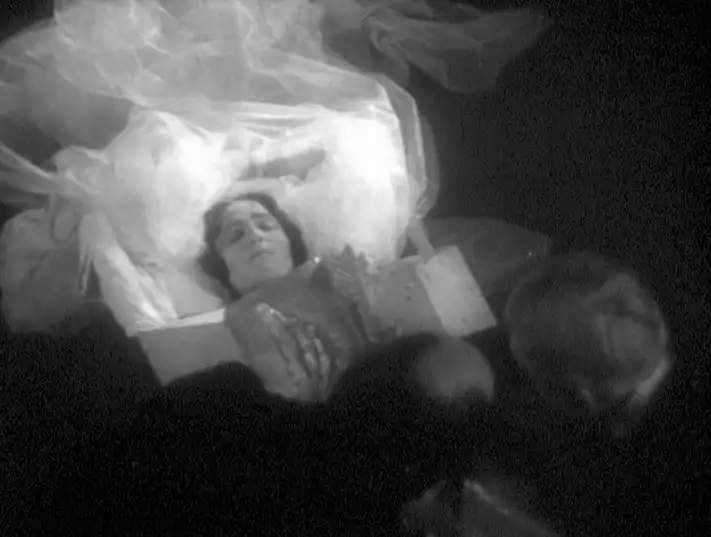
Marguerite Gance, as Madeline, provides the perfect counterpoint. She is ethereal and almost translucent. Her performance is mostly stationary, yet she conveys a terrifying sense of depletion. As the portrait becomes more lifelike, she becomes more statue-like. There is a moment where she stands by a window, and the lighting makes her skin look like grey marble; it’s a concrete visual representation of her life force being drained away.
The middle of the film drags slightly as Roderick’s obsession with the portrait takes center stage. We see many shots of the painting, the brushes, and the palettes. While these reinforce the theme of art as a predatory force, the repetition can feel a bit indulgent. However, the pacing recovers during the funeral sequence. The procession through the woods, with the white coffin carried against a backdrop of dark, skeletal trees, is one of the most beautiful and grim sequences in silent cinema.
The editing rhythm here is slow and mournful, contrasting sharply with the chaotic finale. When the house finally begins to fall, the editing becomes frantic. We see quick cuts of falling books, cracking walls, and the elements reclaiming the rooms. It’s a sensory assault that feels earned after the slow-burn tension of the first hour. It shares a certain thematic DNA with the grim explorations of mortality found in Hilde Warren und der Tod, but Epstein’s execution is far more fluid and experimental.
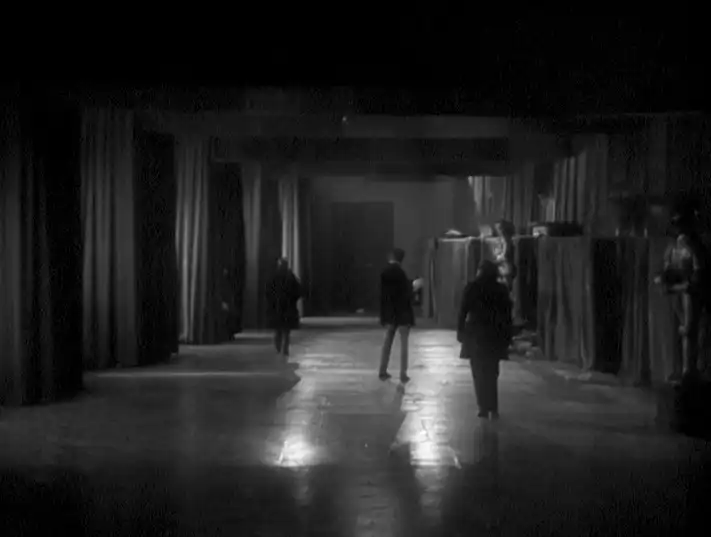
One detail that only becomes apparent upon a close watch is the use of the floor. Epstein often shoots from a low angle, showing vast expanses of polished floor that reflect the characters like water. It creates a sense of instability, as if the characters are walking on a liquid surface that could swallow them at any moment.
There is also a strange, lingering shot of a guitar string snapping by itself. It isn't a jump scare, but the way the camera stays on the vibrating string long after the sound would have faded (in a sound film) creates a piercing sense of wrongness. It’s these small, tactile moments—the texture of the paint, the dust in the air, the way a heavy door creaks open—that make the film feel lived-in despite its dreamlike quality.
The Fall of the House of Usher is a triumph of style over substance, but when the style is this evocative, the lack of a complex plot doesn't matter. It is a film about the fear of death and the terrifying power of the things we create. If you can surrender yourself to its slow, hypnotic rhythm, it provides an experience that modern horror rarely attempts: a genuine sense of the uncanny. It is a mandatory watch for cinephiles and a highly recommended one for anyone who wants to see how much can be communicated through the lens of a camera alone.
IMDb 5.5
1935
Community
Log in to comment.