DbcultAccessing Vault...
6.3/10
Senior Film Conservator
A definitive 6.3/10 rating for a film that redefined the boundaries of cult cinema. The Family Secret remains a cornerstone of transgressive art.
There's an undeniable allure to stories that peel back the layers of genteel society, exposing the raw, often uncomfortable truths that lie beneath. 'The Family Secret,' a cinematic endeavor from a bygone era, masterfully taps into this fascination, presenting a narrative that is as timeless as it is compelling. It’s a film that, even decades removed from its initial release, continues to resonate with themes of class, identity, and the inescapable consequences of concealed actions. From the moment the credits roll, hinting at the creative minds of Lois Zellner, Augustus Thomas, Frances Hodgson Burnett, and Dwinelle Benthall, one senses a story crafted with both a keen eye for human drama and a profound understanding of the social mores that governed early 20th-century life.
At its core, 'The Family Secret' is a testament to the intricate web of fate, wherein seemingly disparate lives are irrevocably woven together by a single, pivotal event. We are introduced to a modest man, whose life, by all accounts, is one of quiet dignity and unpretentious routine. His existence stands in stark contrast to the opulent, perhaps even stifling, world of an affluent family, a bastion of wealth and influence. The narrative ingeniously sets these two worlds on a collision course through the birth of a child, a daughter, whose very existence is a secret kept from her biological father. This is not a tale of deliberate deception on the father's part, but rather one of unwitting ignorance, a dramatic irony that imbues the film with a palpable sense of impending revelation.
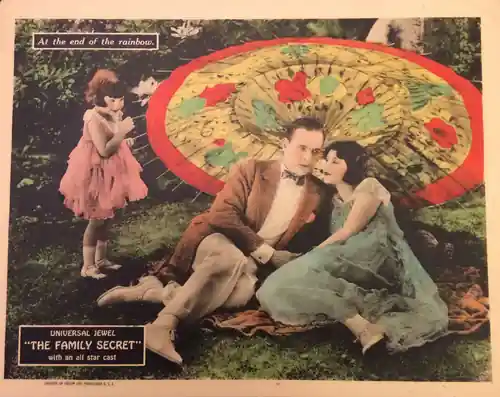
The genius of the storytelling lies in its reliance on coincidence, not as a lazy plot device, but as a meticulously constructed mechanism for dramatic tension. These coincidences are the narrative's heartbeat, each one drawing the protagonist closer to his unknown progeny, each beat intensifying the inevitable confrontation. The film doesn't rush this process; instead, it allows the suspense to simmer, building a powerful sense of anticipation. When the reunion finally occurs, it is not a gentle coming together, but a seismic event that sends shockwaves through the established order of the affluent family. This family, accustomed to privilege and the power to dictate their own truths, suddenly finds their carefully curated reality shattered, forced to confront a secret that threatens to unravel their very foundation.
The ensemble cast of 'The Family Secret' delivers performances that, even through the lens of early cinema, convey a remarkable depth of emotion and character. Rose Plumer, in a role that undoubtedly demanded both grace and internal turmoil, navigates the complexities of her character with compelling nuance. Her portrayal likely embodies the societal pressures and personal sacrifices inherent in a life dictated by appearances and the preservation of a family name. Opposite her, Frank Currier, as the unassuming father, brings a quiet strength and an inherent decency to his role, making his eventual discovery all the more impactful. His journey from ignorance to revelation is the emotional anchor of the film, and Currier’s ability to convey a spectrum of feelings without the aid of spoken dialogue is a testament to his craft.
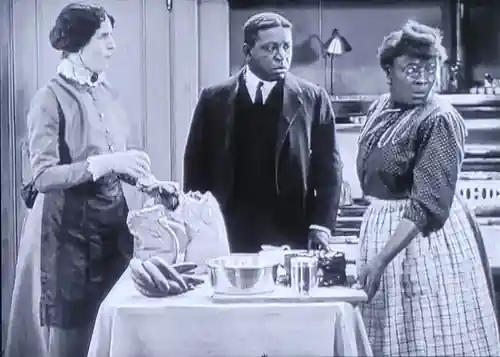
The supporting cast further enriches the tapestry of the narrative. Cesare Gravina and Lucy Beaumont, likely portraying figures within the affluent family, would have been instrumental in establishing the rigid social hierarchy and the formidable resistance to change that characterizes their world. Their performances would have underscored the tension between maintaining decorum and succumbing to the raw emotional force of truth. Edward Earle, Martha Mattox, and Tiny Sandford, among others, contribute to the intricate social fabric of the film, each character, no matter how minor, playing a crucial role in the unfolding drama. It’s the kind of ensemble work that elevates a story from mere plot to a vibrant, living world.
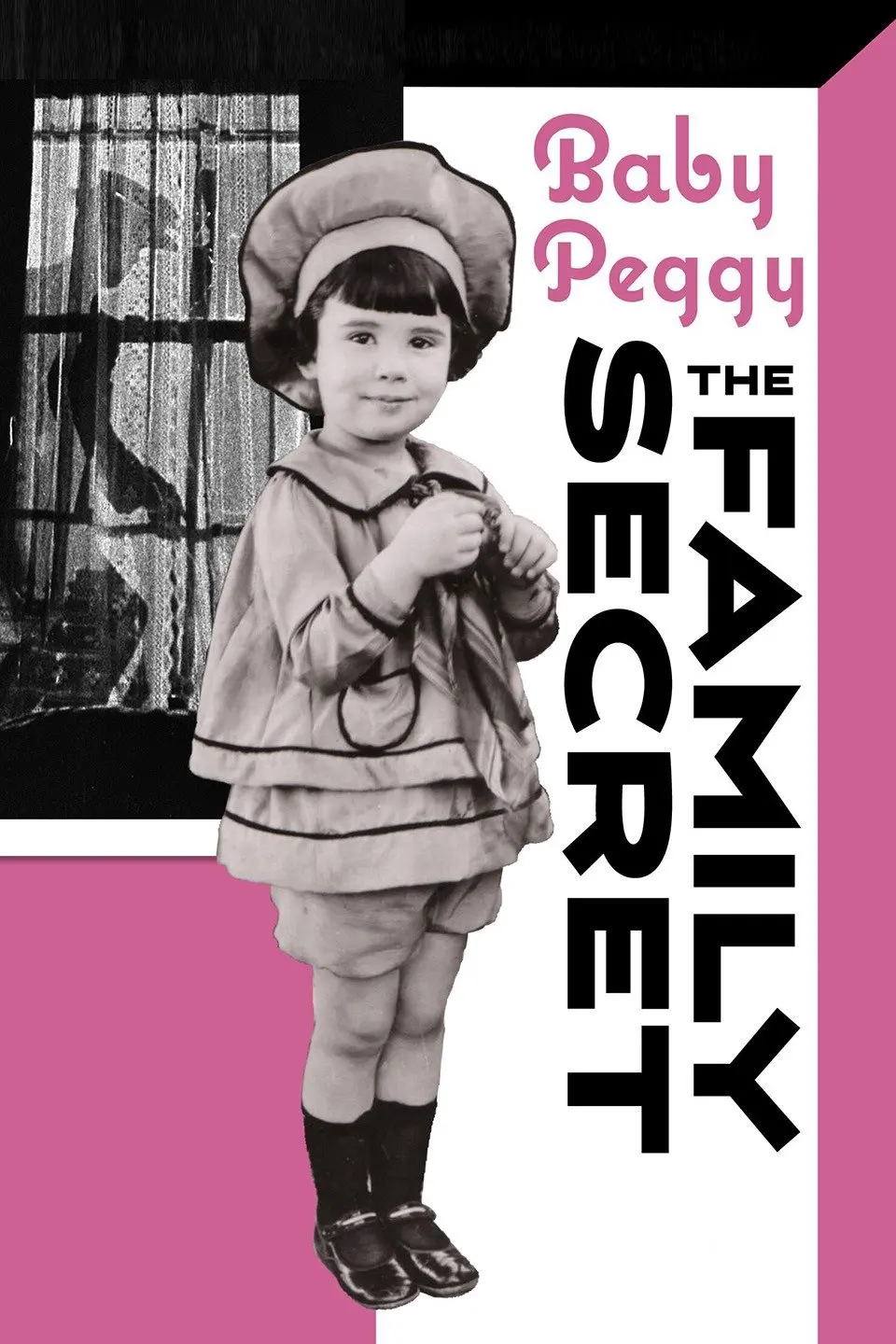
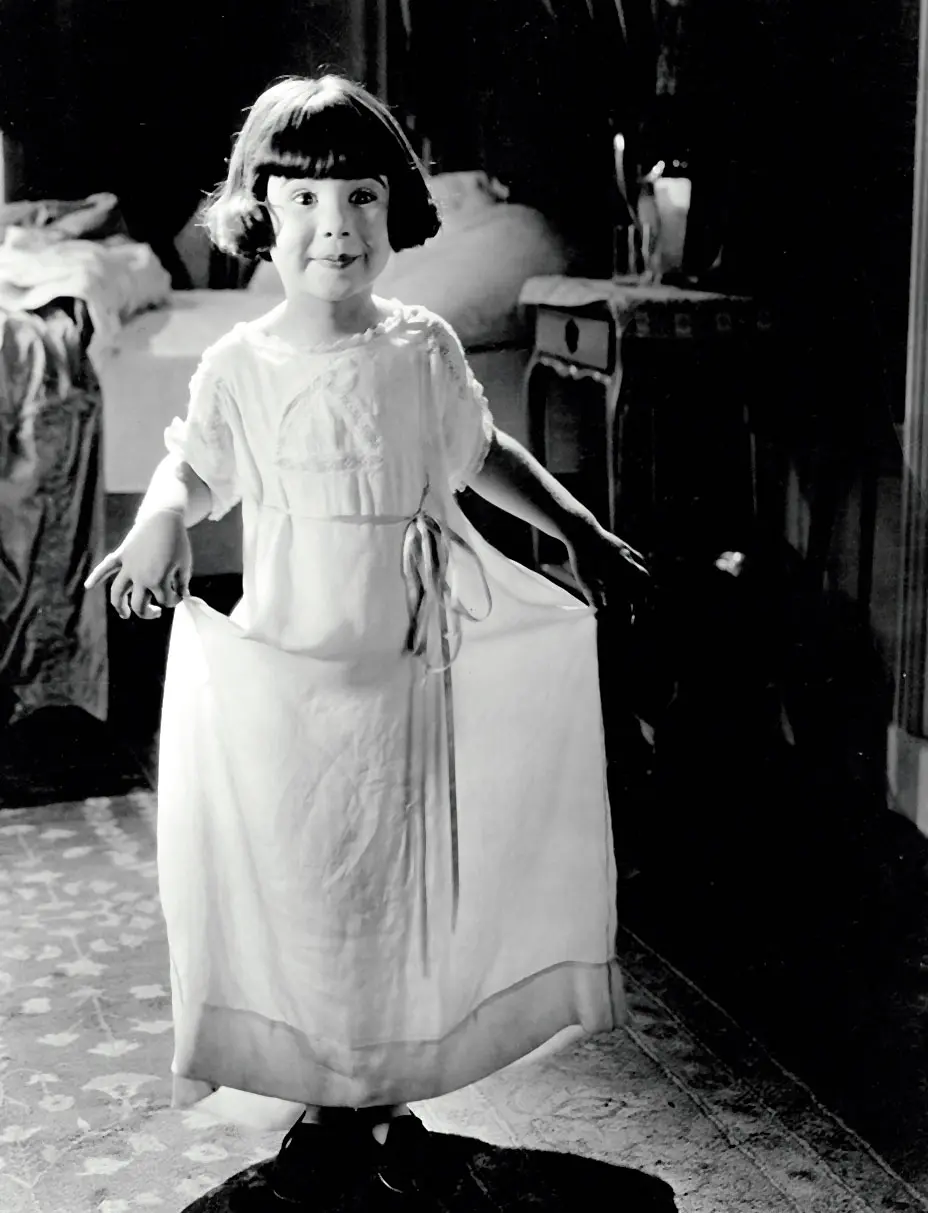
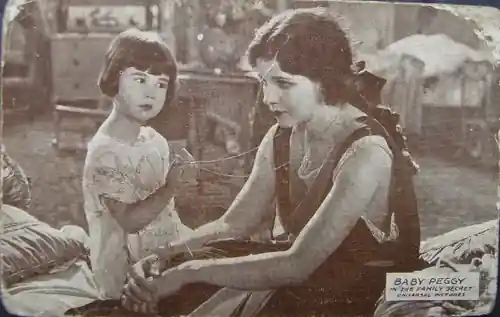
However, perhaps the most captivating presence, and certainly one that would have garnered significant attention, is that of Baby Peggy. Child actors, especially in the silent era, often possessed an innate ability to convey innocence and vulnerability that could pierce through the most hardened of hearts. Baby Peggy, a phenomenon of her time, would undoubtedly have brought an irresistible charm and pathos to the role of the daughter, serving as the innocent catalyst for the entire drama. Her very presence would have heightened the emotional stakes, making the audience deeply invested in the outcome of this extraordinary family reunion. The raw, unadulterated emotion she could evoke would have been a powerful counterpoint to the more restrained performances of the adults, creating a dynamic tension that is essential to the film's success. This innocent figure becomes the literal embodiment of the secret, a living, breathing testament to a past event that demands reckoning.
The screenplay for 'The Family Secret' is a collaborative effort, a confluence of distinct voices that together forge a cohesive and impactful narrative. Lois Zellner, Augustus Thomas, Frances Hodgson Burnett, and Dwinelle Benthall each bring a unique sensibility to the table, resulting in a script that is both dramatically robust and emotionally resonant. Frances Hodgson Burnett, a name synonymous with enduring literary works such as 'The Secret Garden' and 'Little Lord Fauntleroy,' brings a profound understanding of childhood innocence, class dynamics, and the redemptive power of truth. Her influence would likely have been crucial in shaping the emotional core of the story, particularly the portrayal of the child and the moral dilemmas faced by the characters.
Augustus Thomas, a prolific playwright, would have contributed a strong sense of theatrical structure and dialogue (or rather, intertitles in this context) that drives the plot forward with precision and impact. His experience in crafting compelling stage narratives would have translated well into the silent film medium, ensuring that each scene serves a purpose, each revelation lands with maximum effect. Zellner and Benthall, in their capacities, would have further refined the narrative, ensuring its cinematic flow and adapting it to the visual language of the screen. This collaborative approach, rather than diluting the vision, seems to have fortified it, creating a multi-layered story that speaks to universal human experiences while remaining rooted in its specific social context. The interplay of these creative minds is evident in the film's ability to maintain a delicate balance between melodrama and genuine human insight.
'The Family Secret' is more than just a dramatic plot; it's a potent social commentary. The stark contrast between the modest man and the affluent family highlights the rigid class divisions prevalent during the period. The film implicitly critiques the hypocrisy of a society that values appearance and lineage above honesty and genuine human connection. The affluent family's desperate attempts to maintain their secret underscore the immense pressure to conform to societal expectations, even at the cost of personal integrity and emotional truth. This aspect resonates with other films of its era, and indeed, with dramas throughout cinematic history that tackle the complexities of social status. One might draw a thematic parallel to the underlying critiques of societal norms found in films like The Eternal Law, which often explored the unwritten rules and moral codes that governed different echelons of society, though perhaps with different narrative approaches.
The theme of identity is also central. The modest man's identity is challenged and redefined by the discovery of his daughter, forcing him to reconcile his past with an unforeseen future. Similarly, the daughter's identity, initially shaped by one family, is complicated by the revelation of her true parentage. For the affluent family, their collective identity is threatened, forcing them to confront who they truly are beneath the veneer of wealth and respectability. It’s a compelling exploration of how secrets, once unearthed, have the power to reshape not just individual lives, but the very fabric of an entire family's self-perception.
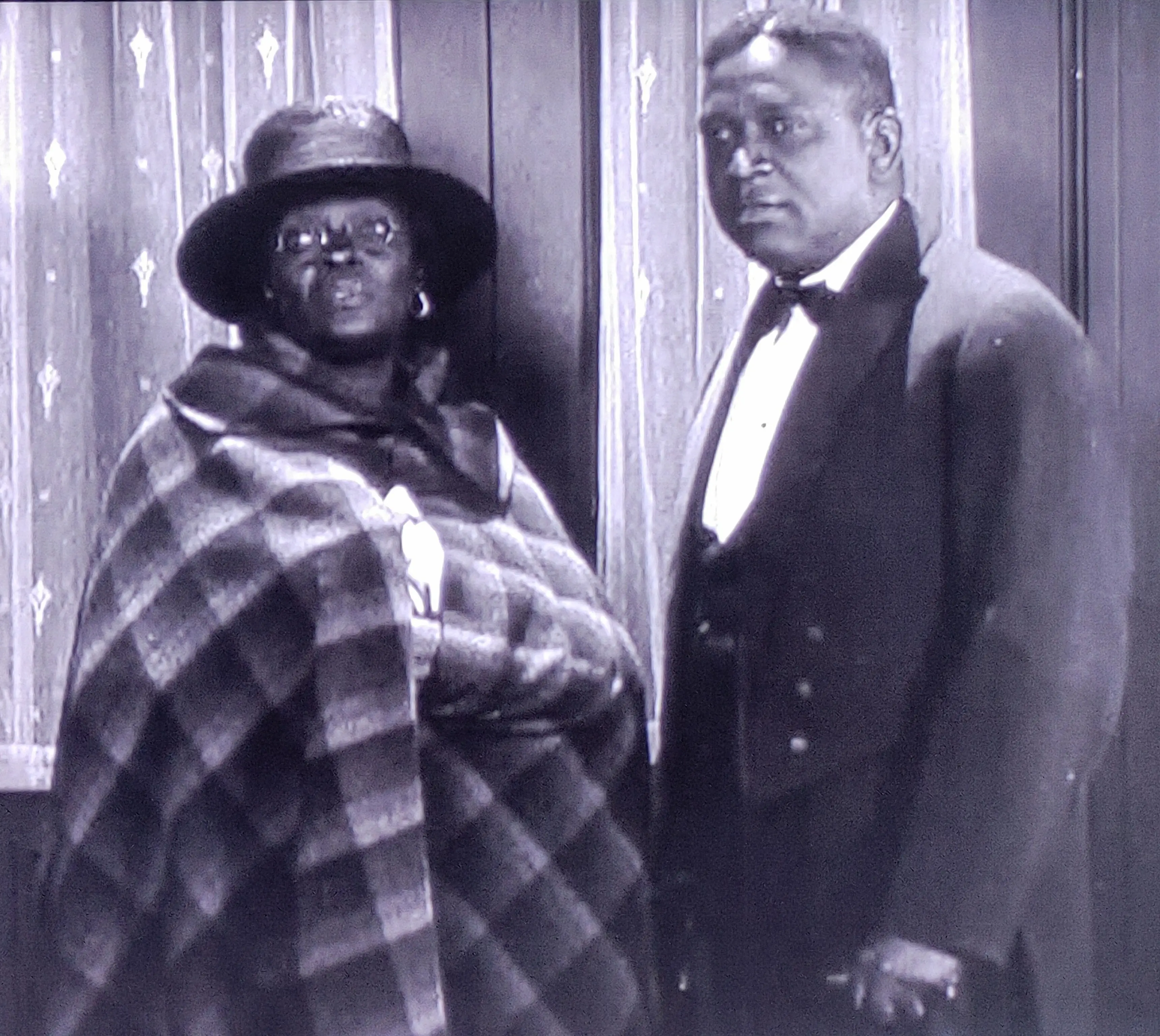
The film also delves into the moral implications of secrecy. Is it ever justifiable to conceal a truth, especially one as fundamental as parenthood, to protect a reputation or a social standing? 'The Family Secret' seems to argue against such justifications, demonstrating how these hidden truths inevitably fester and, when exposed, cause far greater disruption than an initial honest confrontation might have. The dramatic tension isn't just about *if* the secret will be revealed, but *how* it will impact everyone involved, particularly the innocent child caught in the crosscurrents of adult deceit.
As a product of its time, 'The Family Secret' offers a fascinating insight into the nascent art of filmmaking. The direction, while perhaps adhering to the conventions of the silent era – an emphasis on clear visual storytelling, expressive acting, and the judicious use of intertitles – would have been crucial in conveying the film's emotional weight. The cinematography, even without the technological advancements of later decades, would have aimed to create mood and atmosphere, using lighting and camera angles to emphasize the drama. Imagine the contrast between the dimly lit, perhaps humble abode of the protagonist and the grand, sun-drenched (or dramatically shadowed) interiors of the affluent family's estate. Such visual cues would have reinforced the thematic divides.
The pacing of the film, a critical element in any drama, would have been carefully managed to build suspense and allow the emotional beats to land effectively. Silent films often relied on a more deliberate pace, allowing audiences to absorb the visual information and the emotional expressions of the actors. This slower rhythm can, for modern audiences, feel unfamiliar, but it was an essential part of the storytelling language of the time, demanding a different kind of engagement. The film's ability to maintain a gripping narrative without spoken dialogue is a testament to the power of visual storytelling and the skill of its director and performers. Much like a suspenseful thriller such as Kiss or Kill or Cornered, the film relies on building tension, albeit through different means, to keep the audience engrossed, focusing on the human drama rather than overt action.
'The Family Secret' stands as a compelling example of early 20th-century melodrama, a genre that often explored the moral quandaries and social hypocrisies of its time. Its enduring appeal lies in its universal themes: the search for truth, the consequences of deception, and the unbreakable bonds of family, however complicated they may be. The film’s ability to evoke strong emotions and provoke thought, even without the benefit of sound, speaks volumes about the power of its narrative and the talent of its creators and performers.
It's a film that invites us to consider the hidden narratives within our own lives and societies, prompting reflection on the weight of secrets and the liberating, albeit sometimes painful, power of truth. For cinephiles and historians of film, it offers a valuable window into the storytelling techniques and societal concerns of its era. For those simply seeking a powerful drama, 'The Family Secret' delivers a rich, emotionally resonant experience that transcends its historical context. It reminds us that while the outward expressions of society may change, the fundamental human dramas of love, loss, betrayal, and redemption remain eternally relevant, making this film a significant piece of cinematic history and a poignant story that continues to captivate.
The film, through its masterful construction and potent performances, particularly by the likes of Rose Plumer and Frank Currier, and the undeniable charm of Baby Peggy, ensures that its 'secret' is one that audiences will be eager to uncover and reflect upon long after the final frame has faded. It's a powerful reminder that some truths, no matter how deeply buried, will always find a way to the surface, bringing with them a reckoning that reshapes destinies and redefines what it means to be a family. This enduring quality of the narrative, the universal human struggle against the weight of hidden truths, solidifies 'The Family Secret' as a memorable and impactful cinematic experience, a quiet triumph in the annals of early film.
IMDb —
1924
Community
Log in to comment.