DbcultAccessing Vault...
6.5/10
Senior Film Conservator
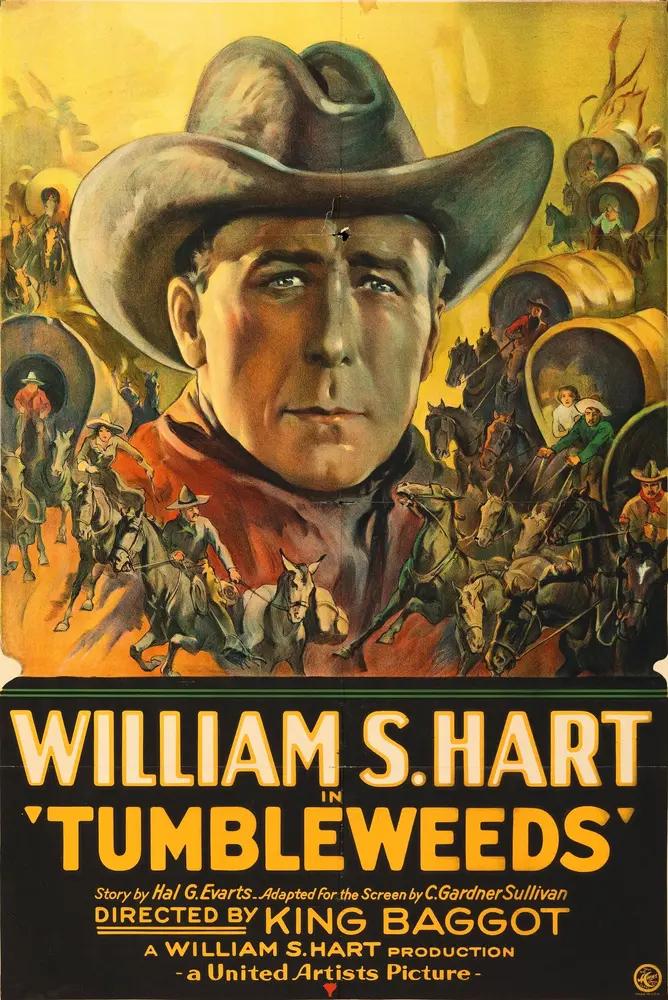
A definitive 6.5/10 rating for a film that redefined the boundaries of cult cinema. Tumbleweeds remains a cornerstone of transgressive art.
Ah, Tumbleweeds. The very title conjures images of boundless plains, of a restless spirit carried by the winds of change. This 1925 masterpiece isn't merely a film; it’s a valedictory statement, a poignant farewell from one of the silver screen's most enduring and authentic Western icons, William S. Hart. As his final silent picture, it encapsulates everything that made Hart a legend: the stoic anti-hero, the unwavering moral code etched onto a weathered face, and an unvarnished portrayal of the American frontier. But more than just a star vehicle, Tumbleweeds is an ambitious cinematic undertaking, one that plunges us headfirst into the visceral, chaotic heart of an Oklahoma Land Run, a historical spectacle brought to life with astonishing realism and a narrative depth that defies its era.
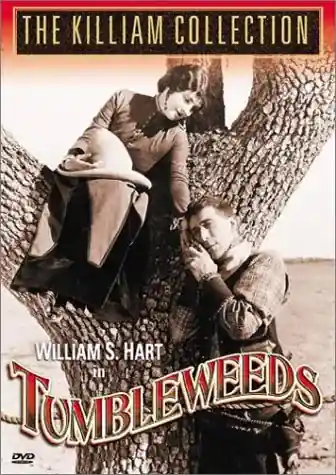
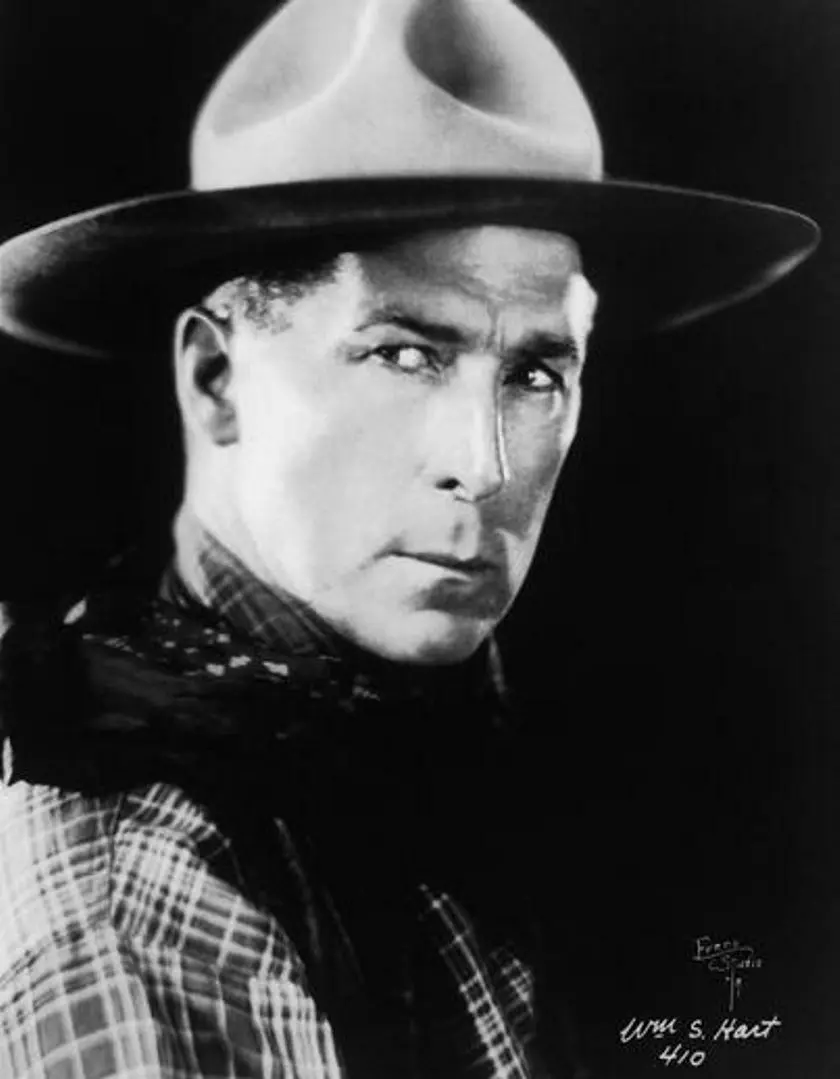
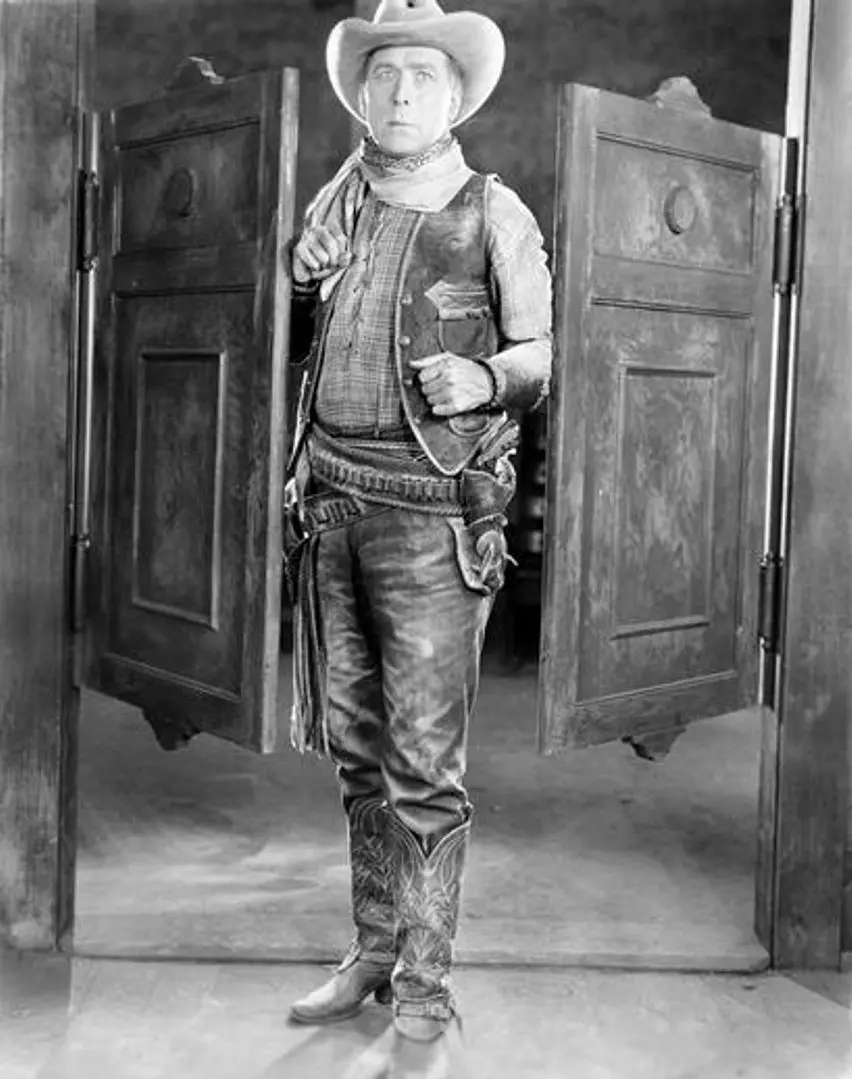
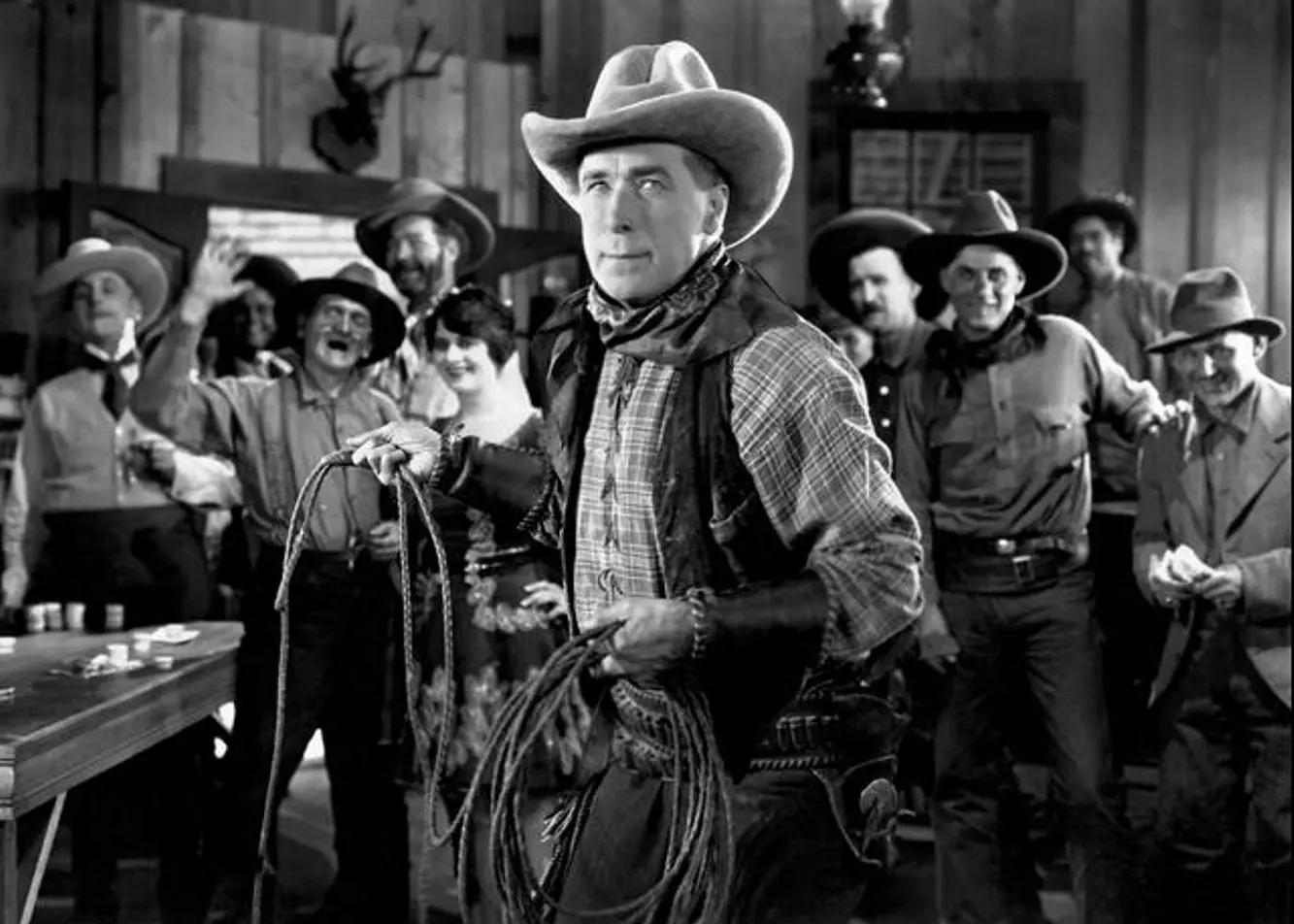
William S. Hart, in his role as Don Carver, is every inch the archetypal "good badman" he perfected over a career spanning decades. He’s a man of the open range, a cowboy who finds himself at a crossroads as the West rapidly transforms from an untamed wilderness into a settled landscape. Carver, weary of the nomadic life, yearns for a piece of land to call his own, a place to finally plant roots. This yearning drives him to participate in the upcoming land run, an event that represents both the promise of a new beginning and the violent end of an old way of life. Hart’s performance is understated yet profoundly impactful. His expressions, subtle shifts in gaze, and measured movements convey a lifetime of experience, sorrow, and an unshakeable sense of honor. He doesn't need grand pronouncements; his character speaks through his actions, his quiet dignity, and the almost spiritual connection he seems to have with the vast, unforgiving terrain. It’s a masterclass in silent film acting, a testament to the power of non-verbal storytelling.
One cannot discuss Hart's portrayal without acknowledging the meticulous craftsmanship of writers C. Gardner Sullivan and Hal G. Evarts. Sullivan, a frequent collaborator with Hart, understood the nuances of his persona, crafting narratives that allowed Hart to embody the complex moral landscape of the frontier. Evarts, an acclaimed author of Western fiction, brought an authenticity to the setting and the historical events, grounding the drama in a believable reality. Their combined efforts ensured that Carver wasn't just a generic hero, but a man wrestling with the implications of progress, caught between the rugged individualism he represents and the communal aspirations of a burgeoning society. This depth is what elevates Tumbleweeds beyond a simple cowboy picture into a more profound exploration of American identity.
The centerpiece of Tumbleweeds, without question, is the depiction of the Oklahoma Land Run of 1889. This sequence is nothing short of breathtaking, a monumental achievement in cinematic realism for its time. Director King Baggot, though uncredited, orchestrates a symphony of chaos and human desire. Thousands of real extras, hundreds of horses, and countless wagons converge at the starting line, a human tide poised to surge across the prairie. The tension is palpable, a collective breath held in anticipation. When the signal shot finally rings out, it unleashes an explosion of motion, a frantic scramble for destiny. Dust billows, horses gallop with thunderous urgency, and the screen becomes a dynamic canvas of raw, elemental ambition. It’s a visceral experience, capturing the inherent danger, the desperate hope, and the sheer scale of an event that fundamentally reshaped the American West.
This isn't merely a dramatic flourish; it's a historical recreation of immense significance. The film captures the essence of what it meant to stake a claim, to literally race for one's future. The wide shots of the charging settlers, the close-ups of determined faces, the inevitable tumbles and collisions – all contribute to an immersive experience that transports the viewer directly into the heart of the frantic pursuit. In an era before CGI, achieving such a grand spectacle required meticulous planning, immense resources, and a fearless commitment to authenticity. The sequence stands as a testament to the ingenuity of silent era filmmakers and remains a powerful visual benchmark for any film attempting to portray mass movement and historical urgency. It’s a scene that resonates with the same kind of pioneering spirit seen in films like Real Adventure, albeit on an even grander, more chaotic scale.
Beyond Hart's central performance and the epic land rush, Tumbleweeds weaves a rich tapestry of supporting characters who populate this evolving frontier. Barbara Bedford shines as Molly Lassiter, the spirited young woman
IMDb 5.9
1920
Community
Log in to comment.