DbcultAccessing Vault...
Cult Review
Senior Film Conservator
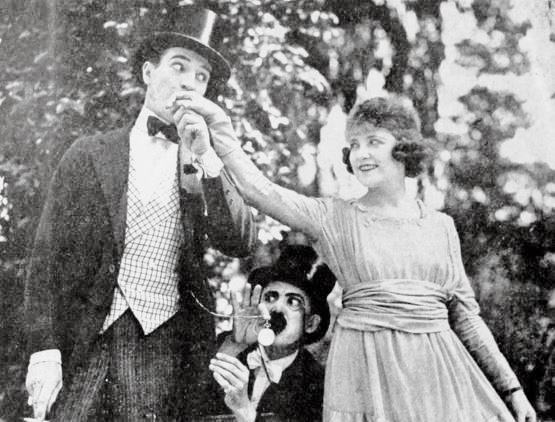
In the vast, often tantalizingly incomplete archive of early cinema, certain titles resonate with an almost mythical quality, promising narratives of profound emotional weight or thrilling escapades. 'The Fatal Marriage' stands as one such enigmatic artifact, its very name a pronouncement of high-stakes drama and inevitable tragedy. While specific plot details have largely receded into the annals of cinematic history, leaving us to piece together its essence from fragments and informed conjecture, the film's title, coupled with its notable cast members, offers a tantalizing glimpse into the storytelling conventions and thematic preoccupations of its era. This is not merely a film to be watched, but a historical echo to be contemplated, a silent testament to the foundational impulses of a nascent art form.
The allure of 'The Fatal Marriage' lies precisely in its elusive nature. Without a readily available synopsis, critics and cinephiles are invited into a fascinating exercise of imaginative reconstruction, drawing upon the prevailing genres and narrative structures common during the period of its likely production. Given the trajectory of films like The Woman Who Dared or Rose of the Alley, which frequently explored moral quandaries and societal pressures, 'The Fatal Marriage' almost certainly delved into the darker facets of human relationships. One can envision a narrative steeped in melodrama, where a seemingly auspicious union spirals into catastrophe, propelled by a confluence of unfortunate circumstances, hidden secrets, or perhaps even malevolent intent. The 'fatal' aspect could imply a literal death, a metaphorical demise of happiness, or the irreparable shattering of reputations—all potent ingredients for captivating audiences of the time.
The cast list itself provides fertile ground for speculation regarding the film's tone and potential character archetypes. Hugh Fay, known for his work in both comedic shorts and dramatic roles, suggests a versatility that could have been harnessed for either a protagonist burdened by his choices or a more nuanced antagonist. Ethel Teare, a prominent presence in numerous early comedies and dramas, likely embodied a central female figure—perhaps the unsuspecting bride, the aggrieved wife, or even the catalyst for the unfolding tragedy. Her expressive capabilities, honed through extensive stage and screen experience, would have been crucial in conveying the emotional turmoil inherent in a 'fatal marriage.'
Betty Carpenter, Billie Ritchie, and Shannon Day further round out an ensemble that, while perhaps not all in leading roles, would have collectively contributed to the film's dramatic texture. Ritchie, often associated with slapstick and comedic antics, might have offered moments of dark humor or served as a foil to the more serious dramatic elements, a common device in films of this period to provide narrative contrast. Day, a beauty of the silent screen, could have portrayed a rival, a confidante, or another victim of the titular unfortunate union. The interplay between these performers, guided by the director's vision, would have been paramount in translating the emotional gravity of the script into a visually compelling experience, relying heavily on exaggerated gestures and facial expressions to communicate nuanced feelings in the absence of spoken dialogue.
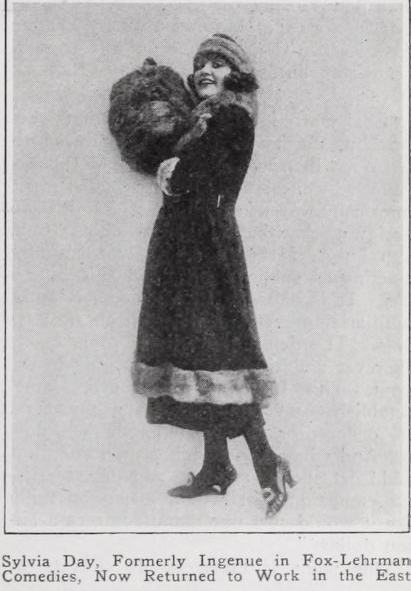
The very phrase 'fatal marriage' conjures a potent blend of romantic idealism and grim determinism. It speaks to the societal pressures surrounding marriage in an era when it was often seen as the ultimate societal institution, a cornerstone of respectability and legacy. The film, in its narrative, likely explored the devastating repercussions when this sacred bond is violated, whether through infidelity, deceit, or an inherent incompatibility that proves deadly in its implications. Films like The Atom, though perhaps more focused on broader societal corruption, shared a contemporary concern for the unraveling of moral order, a theme that would undoubtedly underpin 'The Fatal Marriage.'
One can surmise that the narrative would have meticulously built suspense, perhaps through a gradual revelation of a character's true nature, or the slow tightening of a noose around an unsuspecting victim. The sense of an inescapable destiny, a marriage predestined for disaster, would have been a powerful emotional hook. This thematic exploration of fate versus free will, of the choices that lead to irreversible outcomes, remains a timeless narrative device, and its presence in 'The Fatal Marriage' would have cemented its relevance to audiences grappling with their own life decisions and the perceived vagaries of fortune.
Beyond its thematic resonance, 'The Fatal Marriage' would have been a fascinating example of early filmmaking techniques. The cinematography, likely characterized by static shots and a reliance on theatrical blocking, would have aimed to capture the intensity of the performances. Lighting, while perhaps rudimentary by modern standards, would have been employed to create mood—shadows deepening around a conspiratorial figure, a single ray of light illuminating a moment of tragic realization. The use of intertitles would have been crucial, not just to convey dialogue, but to provide exposition, express inner thoughts, and heighten dramatic tension, much like the expository elements found in other early features such as The Diamond from the Sky, albeit on a potentially smaller scale.
Set design, though perhaps simple, would have been carefully crafted to evoke the social milieu of the story—be it opulent drawing rooms signifying wealth and status, or more modest settings reflecting a struggle against adversity. Costumes would have played a vital role in characterization, with elaborate gowns and sharp suits distinguishing protagonists and antagonists, and their eventual disarray or transformation signaling shifts in fortune or moral standing. The entire visual language of the film would have been a testament to the burgeoning artistry of cinema, striving to tell complex stories with the limited, yet potent, tools at its disposal.
The absence of 'The Fatal Marriage' from widespread viewing does not diminish its historical or potential artistic significance. Indeed, the very act of discussing such a film, even in its spectral form, highlights the precarious nature of cinematic preservation and the countless narratives that have been lost to time. Each lost film represents a unique artistic vision, a snapshot of societal anxieties, and a stepping stone in the evolution of storytelling. Its title alone, 'The Fatal Marriage,' is a powerful narrative in itself, hinting at universal themes that continue to captivate audiences across generations: love, betrayal, consequence, and the often-unforeseen trajectory of human relationships.
In an era where cinema was rapidly evolving from a novelty into a sophisticated art form, films like 'The Fatal Marriage' played a crucial role in shaping audience expectations and refining narrative techniques. They were laboratories of emotion, testing the boundaries of what could be conveyed without spoken words, relying instead on the power of visual metaphor and the raw talent of performers. The very concept of a 'fatal marriage' speaks to a fundamental human fear—the fear of a grand commitment turning into a source of profound sorrow or destruction. This primal resonance ensures that even in its current, elusive state, the film's title continues to provoke thought and inspire curiosity.
Considering the context of its contemporaries provides further insight into what 'The Fatal Marriage' might have offered. If it leaned into the dramatic, it could be seen as a precursor to more complex psychological dramas, exploring the inner turmoil of its characters with an intensity perhaps akin to the emotional landscapes of Gems of Foscarina. If it contained elements of social commentary, exposing the hypocrisies or dangers within societal structures, it would align with the critical lens found in films like The Yellow Menace, albeit through a more personal, domestic tragedy rather than a broad geopolitical one.
The presence of Billie Ritchie might even suggest a dark comedic undertone, a subversion of expectations where tragedy is laced with gallows humor, much in the way some early slapstick films could abruptly shift tone. This would distinguish it from purely dramatic offerings such as The Pretenders, which likely maintained a more consistent dramatic register. The potential for such tonal complexity speaks to the burgeoning sophistication of early screenwriting, moving beyond simplistic narratives to explore more nuanced emotional territories.
Ultimately, 'The Fatal Marriage' represents more than just a forgotten film; it embodies a rich vein of early cinematic storytelling that prioritized emotional impact and moral inquiry. Its spectral presence reminds us of the fragility of film history and the enduring power of a well-chosen title to ignite the imagination. While we may never fully witness its dramatic unfolding, the echoes of its intended narrative persist, a testament to the timeless appeal of stories that delve into the profound and often perilous journey of human connection.
Though the screen may remain dark for this particular reel, the narrative potential of 'The Fatal Marriage' continues to flicker brightly in the collective imagination of film enthusiasts.
IMDb —
1928
Community
Log in to comment.