DbcultAccessing Vault...
7.7/10
Senior Film Conservator
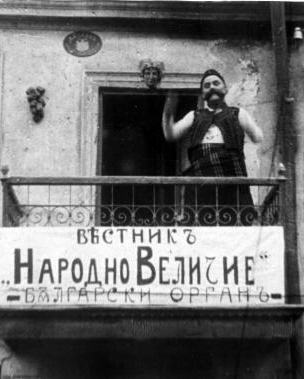
A definitive 7.7/10 rating for a film that redefined the boundaries of cult cinema. Bay Ganyo remains a cornerstone of transgressive art.
In the realm of cinematic satire, few films have managed to capture the essence of societal critique as adeptly as Bay Ganyo, a film that delves into the intricacies of Bulgaria's post-Ottoman bourgeoisie with unflinching candor. As we navigate the labyrinthine world of Bay Ganyo Balkanski, the eponymous protagonist, we find ourselves entangled in a complex web of political intrigue, social upheaval, and amorous escapades, all of which serve to underscore the duplicitous nature of this newly formed class.
The film's narrative is a masterclass in character development, as Bay Ganyo's multifaceted personality is gradually revealed through his interactions with the myriad characters that populate the film. From his cunning political maneuverings to his amorous pursuits, Bay Ganyo's actions are a testament to the film's biting satire, which deftly skewers the pretensions of the bourgeoisie with unflinching accuracy. As we watch Bay Ganyo navigate the rarefied world of Vienna, we are reminded of the Desert Gold of the American West, where the boundaries between reality and fiction are constantly blurred.
The film's use of visual motifs is equally impressive, as the cinematography weaves a rich tapestry of images that serve to reinforce the narrative's themes of social commentary and satire. From the grand vistas of the Bulgarian countryside to the intimate close-ups of Bay Ganyo's interactions with the women in his life, the film's visual language is a testament to the director's mastery of the medium. As we reflect on the film's themes and motifs, we are reminded of the Symbol of Sacrifice, where the boundaries between duty and desire are constantly negotiated.
One of the most striking aspects of Bay Ganyo is its use of comedy as a means of social commentary. Through Bay Ganyo's amorous misadventures and political machinations, the film offers a scathing critique of the bourgeoisie's pretensions, laying bare the hypocrisies and contradictions that underpin their world. As we watch Bay Ganyo navigate the complexities of his own desires, we are reminded of the Miss Jackie of the Army, where the boundaries between duty and desire are constantly blurred. This use of comedy as a means of social commentary is a hallmark of the film's satirical genius, and serves to underscore the film's status as a masterpiece of cinematic satire.
In addition to its technical accomplishments, Bay Ganyo is also notable for its cultural significance. As a film that offers a searing critique of the bourgeoisie, it serves as a powerful commentary on the social and political upheavals that have shaped Bulgaria's history. As we reflect on the film's themes and motifs, we are reminded of the Her Hour, where the boundaries between past and present are constantly negotiated. Through its use of satire and social commentary, Bay Ganyo offers a nuanced and multifaceted portrayal of Bulgarian society, one that laying bare the complexities and contradictions of a world in flux.
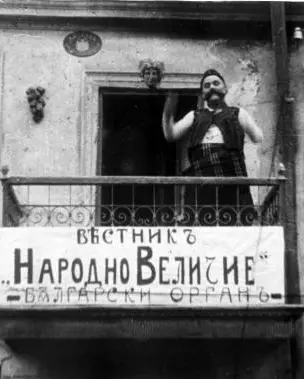
As we consider the film's place within the broader cinematic landscape, it is clear that Bay Ganyo is a film that defies easy categorization. While it shares some similarities with other films of the era, such as At the Ringside and The Fighting Trail, it is ultimately a unique and innovative work that offers a fresh perspective on the world. As we watch Bay Ganyo navigate the complexities of his own desires, we are reminded of the Tom Mix in Arabia, where the boundaries between reality and fiction are constantly blurred. Through its use of satire and social commentary, Bay Ganyo offers a scathing critique of the bourgeoisie, one that serves as a powerful commentary on the social and political upheavals that have shaped Bulgaria's history.
In conclusion, Bay Ganyo is a film that is at once a masterpiece of cinematic satire and a powerful commentary on the social and political upheavals that have shaped Bulgaria's history. Through its use of comedy, visual motifs, and cultural significance, the film offers a nuanced and multifaceted portrayal of Bulgarian society, one that laying bare the complexities and contradictions of a world in flux. As we reflect on the film's themes and motifs, we are reminded of the Silnyi chelovek, where the boundaries between past and present are constantly negotiated. Through its use of satire and social commentary, Bay Ganyo offers a scathing critique of the bourgeoisie, one that serves as a powerful commentary on the social and political upheavals that have shaped Bulgaria's history. As we consider the film's place within the broader cinematic landscape, it is clear that Bay Ganyo is a film that defies easy categorization, and its influence can be seen in films such as Das Geheimschloss and The Cup of Life, where the boundaries between reality and fiction are constantly blurred.
The film's legacy can also be seen in its continued relevance to contemporary audiences. As a film that offers a powerful commentary on the social and political upheavals that have shaped Bulgaria's history, Bay Ganyo remains a timeless classic that continues to resonate with viewers today. As we reflect on the film's themes and motifs, we are reminded of the Under the Yoke, where the boundaries between past and present are constantly negotiated. Through its use of satire and social commentary, Bay Ganyo offers a scathing critique of the bourgeoisie, one that serves as a powerful commentary on the social and political upheavals that have shaped Bulgaria's history.
In terms of its technical accomplishments, Bay Ganyo is a film that is notable for its innovative use of cinematography. The film's use of visual motifs is equally impressive, as the cinematography weaves a rich tapestry of images that serve to reinforce the narrative's themes of social commentary and satire. As we watch Bay Ganyo navigate the complexities of his own desires, we are reminded of the The Wager, where the boundaries between reality and fiction are constantly blurred. Through its use of satire and social commentary, Bay Ganyo offers a scathing critique of the bourgeoisie, one that serves as a powerful commentary on the social and political upheavals that have shaped Bulgaria's history.
As we consider the film's place within the broader cinematic landscape, it is clear that Bay Ganyo is a film that defies easy categorization. While it shares some similarities with other films of the era, such as Through the Wall and David Copperfield, it is ultimately a unique and innovative work that offers a fresh perspective on the world. As we watch Bay Ganyo navigate the complexities of his own desires, we are reminded of the The Human Orchid, where the boundaries between reality and fiction are constantly blurred. Through its use of satire and social commentary, Bay Ganyo offers a scathing critique of the bourgeoisie, one that serves as a powerful commentary on the social and political upheavals that have shaped Bulgaria's history.

IMDb —
1915
Community
Log in to comment.