DbcultAccessing Vault...
Cult Review
Senior Film Conservator
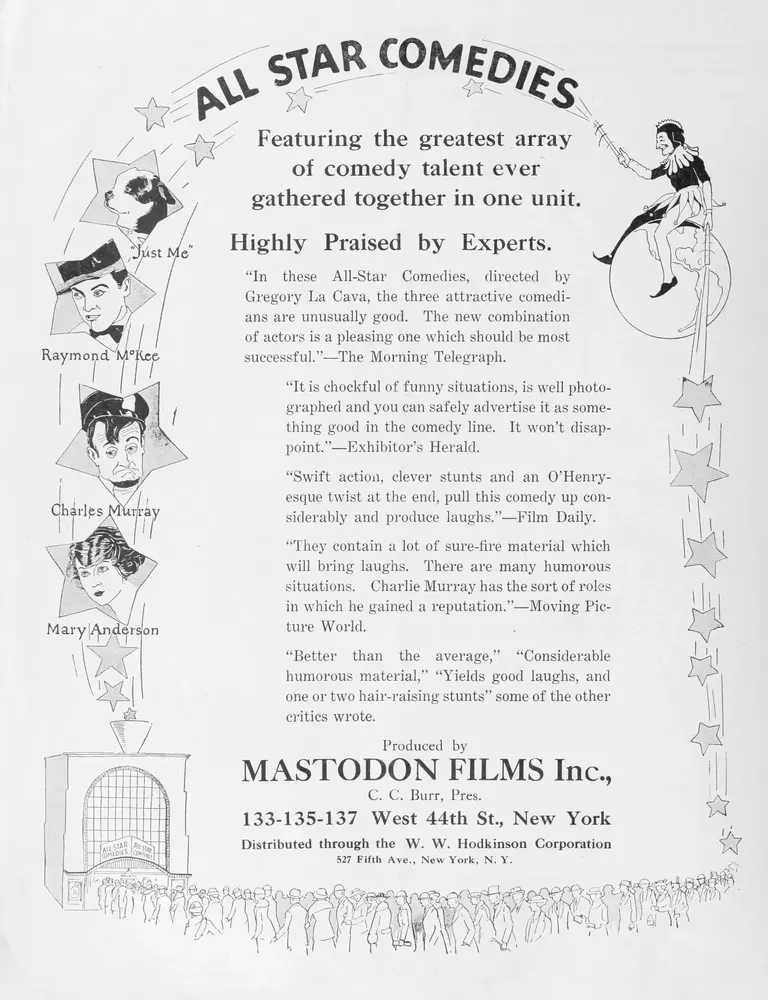
In the shimmering, nascent years of cinematic storytelling, when narratives unfolded in the eloquent silence punctuated by intertitles and the expressive physicality of performers, a film like The Fatal Photo emerges as a fascinating artifact. It's more than just a quaint relic; it's a testament to the enduring power of a simple, compelling premise, skillfully executed within the technical and artistic constraints of its era. This particular cinematic endeavor, featuring the talents of Charles Murray, Mary Anderson, and Raymond McKee, delves into the perennial human anxieties surrounding reputation, the indelible nature of a past indiscretion, and the manipulative currents that can flow through even the most ostensibly innocent romantic pursuits.
At its core, the film orchestrates a delicate, yet often farcical, ballet around a single, highly compromising photograph. This isn't merely a snapshot; it's a Pandora's Box, a silent witness to Pa Hinkle's bachelor days, capturing him in a scene with a 'bathing girl siren.' In an age where societal norms were rigidly enforced and public image held immense sway, such an image was not merely embarrassing; it was potentially ruinous. The narrative, therefore, pivots on Pa Hinkle’s increasingly desperate, and often comically inept, attempts to retrieve this damning piece of evidence. His predicament is immediately relatable, tapping into a universal fear: the past, unbidden and unwelcome, resurfacing to disrupt a carefully constructed present. The genius of the premise lies in its simplicity, allowing the dramatic tension to build through character reactions and escalating stakes rather than convoluted plot twists.
Charles Murray, embodying the beleaguered Pa Hinkle, delivers a performance that oscillates between broad physical comedy and moments of genuine, if exaggerated, distress. His expressions, his furtive glances, his his increasingly frantic gestures – all serve as the primary conduits for his internal turmoil. Murray, a seasoned performer of the era, understands the nuanced demands of silent acting, where every flicker of an eye, every slump of a shoulder, must convey volumes. He navigates Hinkle's descent into panic with a commendable blend of pathos and humor, making the character both pitiable and ludicrous. One cannot help but empathize with his plight, even as his frantic efforts to suppress the truth lead to increasingly absurd situations. This duality is a hallmark of effective silent comedy, drawing the audience into the character's struggle while simultaneously inviting laughter at their expense.
Mary Anderson, in the role of Mary Hinkle, brings a necessary anchor of innocence and burgeoning romantic interest to the proceedings. Her character, often caught in the crossfire of her father’s secret and her suitor’s machinations, provides a moral compass and a point of emotional investment for the audience. While the focus remains heavily on the male characters’ sparring, Anderson’s portrayal grounds the narrative in a more conventional romantic framework, reminding us of the ultimate prize: Mary's hand in marriage. Her reactions, though perhaps less overtly theatrical than Murray’s, are crucial in reflecting the escalating domestic tension. Similarly, Raymond McKee, as Jimmie, the suitor, is tasked with embodying a character who is simultaneously a romantic lead and an antagonist. McKee navigates this complex duality with a smirking charm that suggests a deeper layer of cunning beneath his amiable exterior. His possession of the photograph transforms him from a mere suitor into a puppeteer, pulling the strings of Pa Hinkle's fate. This shift in power dynamics, facilitated by the photographic evidence, is where the film truly finds its dramatic teeth, elevating it beyond a simple romantic comedy.
The central conflict, the blackmail orchestrated by Jimmie, is a potent narrative device that resonates across cinematic history. The photograph isn't just a physical object; it's a symbol of vulnerability, a tangible manifestation of a past that refuses to stay buried. Jimmie's manipulation of Pa Hinkle through this image speaks volumes about the societal pressures of the era, where a man's reputation could be shattered by a single misstep, particularly one involving an 'improper' association. This theme of a hidden past coming to light, and the subsequent scramble to contain the damage, is a well-trodden path in cinema. For instance, one might draw a thematic parallel to films like A Man of Honor, where the protagonist's integrity is similarly tested by external pressures or compromising situations, though perhaps with a more dramatic, less comedic, inflection. The stakes in The Fatal Photo are primarily social and familial, rather than life-or-death, but the emotional intensity for Hinkle is palpable.
The film cleverly exploits the comedic potential inherent in such a predicament. Pa Hinkle's desperate attempts to regain the photo lead to a series of escalating blunders and near-misses, providing ample opportunity for physical gags and farcical situations. This blend of suspense and humor is expertly balanced, preventing the blackmail plot from becoming overly grim. Instead, it maintains a lighthearted tone, even as the underlying threat to Hinkle’s social standing remains very real. The directorial choices emphasize this duality, often employing quick cuts and exaggerated reactions to heighten both the tension and the comedic effect. The pacing is brisk, typical of many early short films, ensuring that the audience remains engaged without lingering too long on any single moment of distress.
Viewing The Fatal Photo through a contemporary lens offers a unique glimpse into the societal anxieties and moral codes prevalent during its production. The very concept of a 'bathing girl siren' being so scandalous speaks volumes about the conservative values of the early 20th century. A simple photograph, by today's standards utterly innocuous, held the power to destroy a man's reputation. This film, therefore, acts as a fascinating cultural document, reflecting the era's preoccupation with propriety and the fear of public shame. It implicitly critiques the hypocrisy of a society that demands outward conformity while individuals harbor hidden pasts. The film doesn't preach, but rather presents a scenario that allows the audience to reflect on these unspoken rules.
IMDb —
1921
Community
Log in to comment.