DbcultAccessing Vault...
6/10
Senior Film Conservator
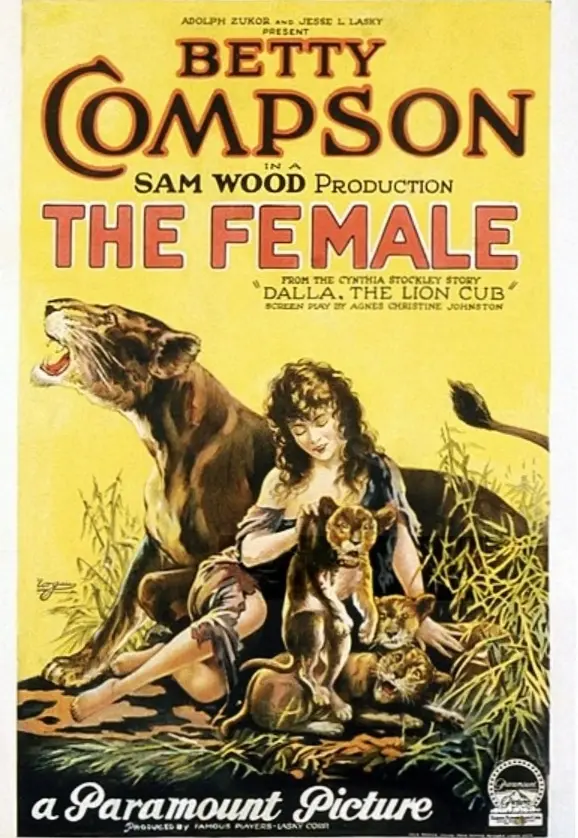
A definitive 6/10 rating for a film that redefined the boundaries of cult cinema. The Female remains a cornerstone of transgressive art.
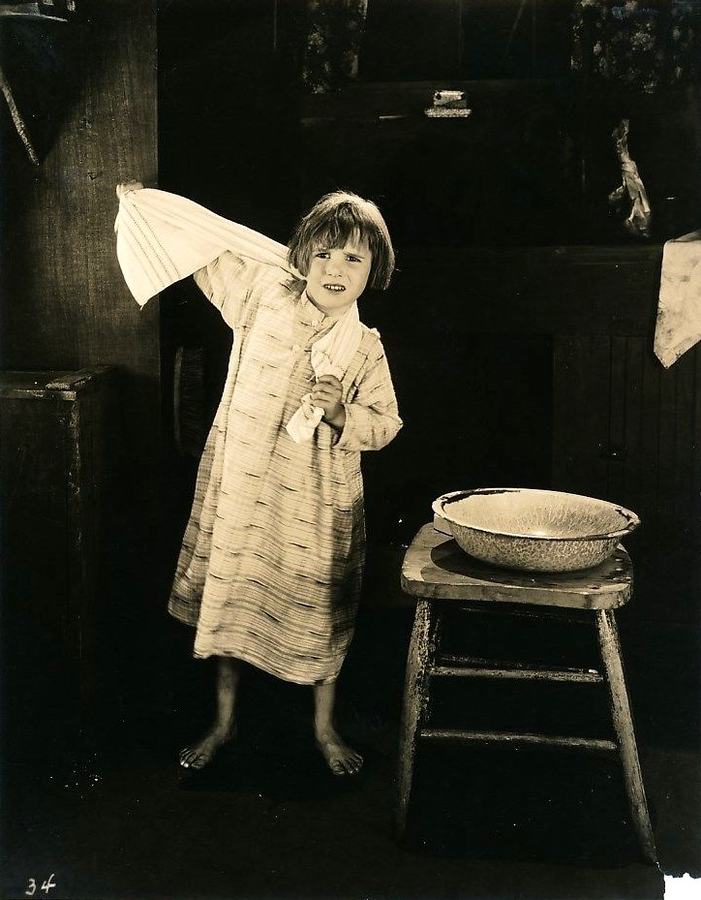
Edgar Norton's portrayal of Dalla, an impetuous and spirited South African orphan, is a standout in 'The Female', a 1919 silent film that captivates with its intricate plot and nuanced characters.
Dalla, deeply attracted to Colonel Valentia, embarks on a transformative journey to England where she meets her benefactor, Barend De Beer. Under his tutelage, she blossoms into a polished and poised lady, a transformation that sets the stage for a series of events that will test her mettle.
Her benefactor, Barend De Beer, is tragically killed by Clon Biron, a jealous rival. Dalla, naturally, becomes the prime suspect in a murder case. The film's director, Agnes Christine Johnston, and co-writer Cynthia Stockley have crafted a narrative that is both suspenseful and moving, filled with moments of tension and unexpected revelations.
Freeman Wood, as Valentia, and Florence Wix, as De Beer, provide strong support, but it is Norton's Dalla who truly carries the emotional weight of the film. Her performance is a blend of innocence and determination, showcasing a character who, despite her initial impulsiveness, evolves into a figure of strength and resilience.
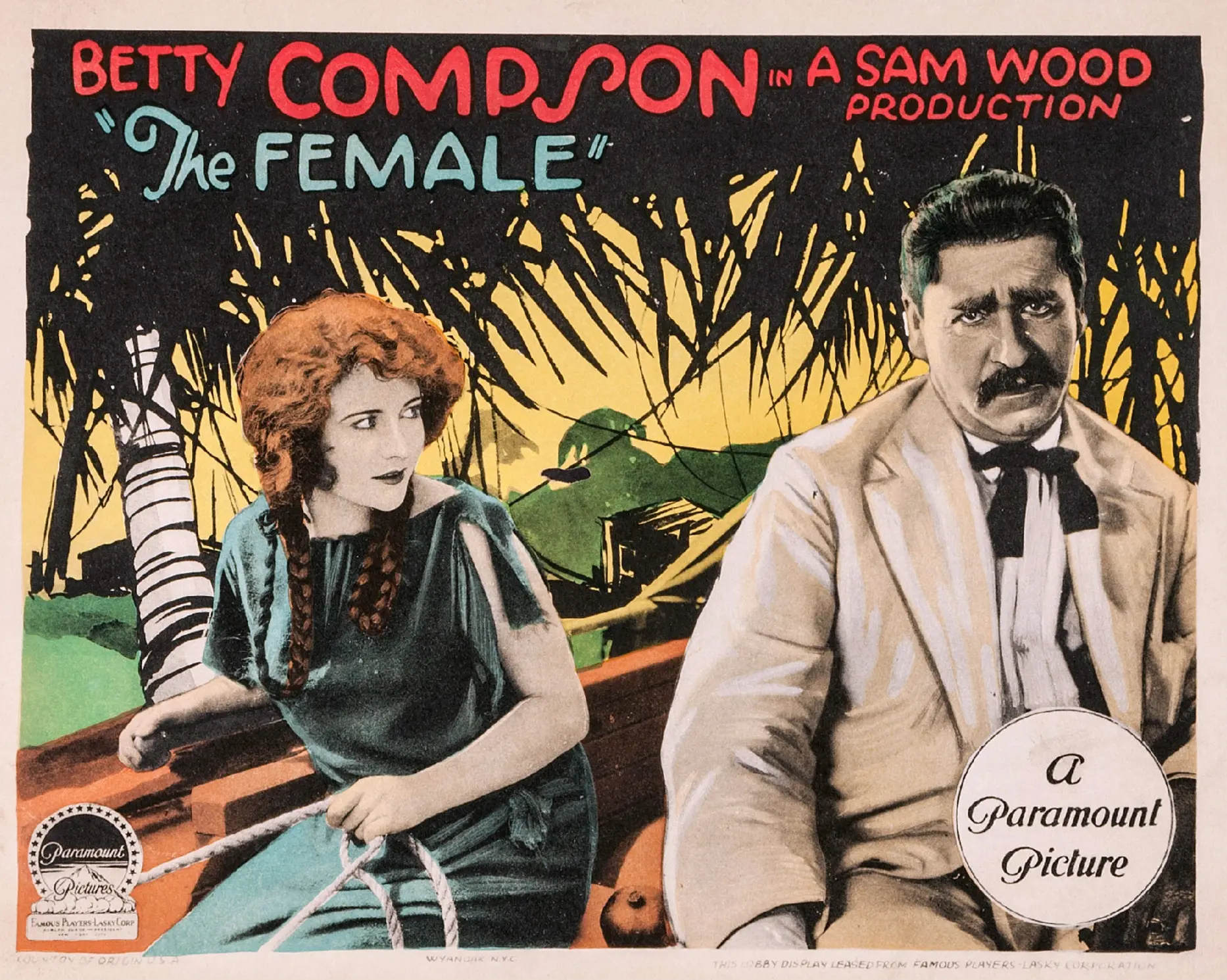
The film's setting in England adds an extra layer of authenticity and grandeur to the narrative, with its scenes of opulence and elegance contrasting sharply with the gritty realities of Dalla's past. The lion hunt sequence, where Barend De Beer is killed, is particularly memorable, capturing the drama and violence that propels the plot forward.
What sets 'The Female' apart is its exploration of themes such as transformation, justice, and the complexities of human relationships. The film challenges the viewer to consider the moral and ethical implications of Dalla's situation, prompting a deeper reflection on the nature of guilt and redemption.
In terms of visual storytelling, the film is a testament to early cinema's ability to convey emotion and narrative through gesture and expression. The cinematography, though not flashy, is effective in setting the mood and enhancing the film's emotional impact.
Comparisons to films like 'Reported Missing' and 'The Probation Wife' might be insightful for those interested in early American cinema. Both films explore themes of social transformation and moral integrity, but 'The Female' takes a more complex and nuanced approach, delving into the psychological layers of its central character.
In conclusion, 'The Female' is a remarkable piece of early cinema that continues to resonate with its powerful performances and thought-provoking narrative. It stands as a testament to the artistry of silent film and a reminder of the enduring relevance of classic storytelling techniques.

IMDb 5.1
1935
Community
Log in to comment.