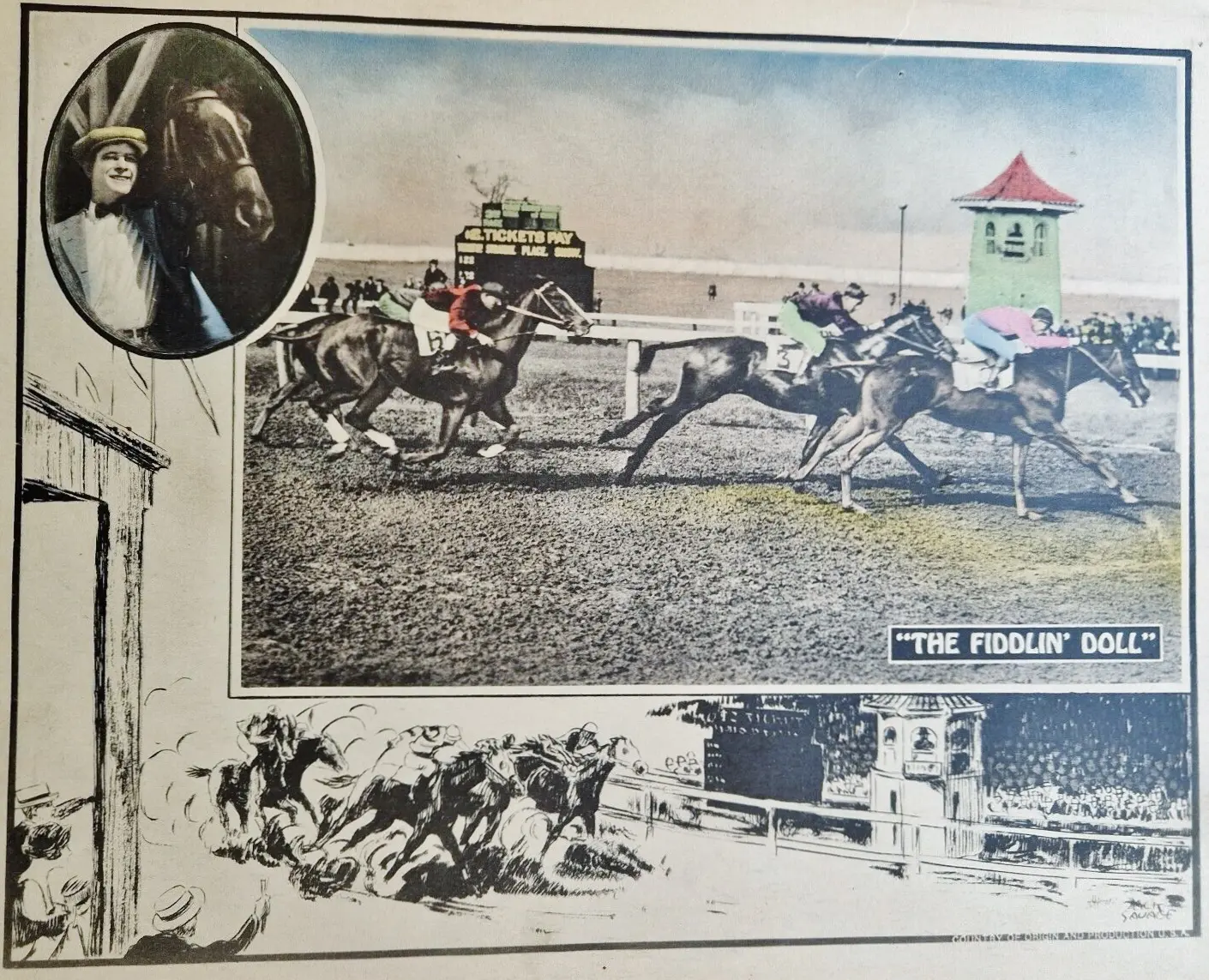
The Fiddlin' Doll, a 1920s gem directed by Gerald Beaumont and Scott Darling, introduces viewers to the multifaceted world of Cesare Gravina, a musician turned detective, as he navigates the complexities of a small town mystery. Gravina, played with a notable depth by Cesare Gravina, is a character whose musical background informs his approach to solving crimes, often using the art of fiddling to uncover hidden truths.
The film's narrative is a delightful tapestry of humor, music, and suspense, set against the backdrop of a quaint, small town. The story follows Gravina as he investigates a series of mysterious events that threaten the tranquility of the community. His journey is not only a quest for justice but also a personal odyssey, as he delves into the lives of the town's inhabitants, each with their own secrets and motivations.
Cesare Gravina's character is a standout, embodying both the charm and the intensity required to bring the story to life. The supporting cast, including Shannon Day, Bert Woodruff, and Billy Sullivan, adds layers of complexity and depth to the narrative. Their performances are particularly noteworthy, especially Shannon Day, whose portrayal of a reclusive local musician adds a poignant layer to the film's emotional landscape.
The film's visual aesthetic is a testament to its period setting. The cinematography captures the essence of a bygone era, with scenes that are both nostalgic and evocative. The attention to detail in the set design and costumes is remarkable, transporting the audience to a world where the warmth of community and the richness of cultural heritage are palpable.
Musically, the film is a joy, with a score that complements the narrative beautifully. The use of fiddle music, a recurring motif that follows Gravina throughout his investigation, serves both as a thematic and narrative device. The musical numbers are integrated seamlessly into the plot, enhancing the storytelling without overpowering the narrative.
The mystery at the heart of the film is engaging, with a plot that keeps the audience guessing until the very end. The resolution is satisfying, offering a resolution that is both surprising and fitting. The film's structure, with its interwoven subplots and character arcs, creates a rich tapestry of storytelling that rewards close attention and multiple viewings.
In comparison to other films of its era, such as 'Breaking Into Society' and 'The Purple Riders', The Fiddlin' Doll stands out for its balance between humor and drama, and its exploration of the human condition. It is a film that values character development and emotional depth over spectacle, making it a timeless classic in its genre.
For cinephiles and those interested in the rich tapestry of early 20th-century cinema, The Fiddlin' Doll is a must-see. It is a film that not only entertains but also challenges, offering a glimpse into a world that is both familiar and strange. The performances, the music, and the storytelling are all elements that contribute to its enduring appeal.
In conclusion, The Fiddlin' Doll is a film that deserves recognition for its artistry and innovation. It is a cinematic experience that transcends its historical context, offering a story that is as relevant today as it was when it was first released. For those looking for a film that offers more than just entertainment, The Fiddlin' Doll is a compelling choice.