DbcultAccessing Vault...
5.2/10
Senior Film Conservator
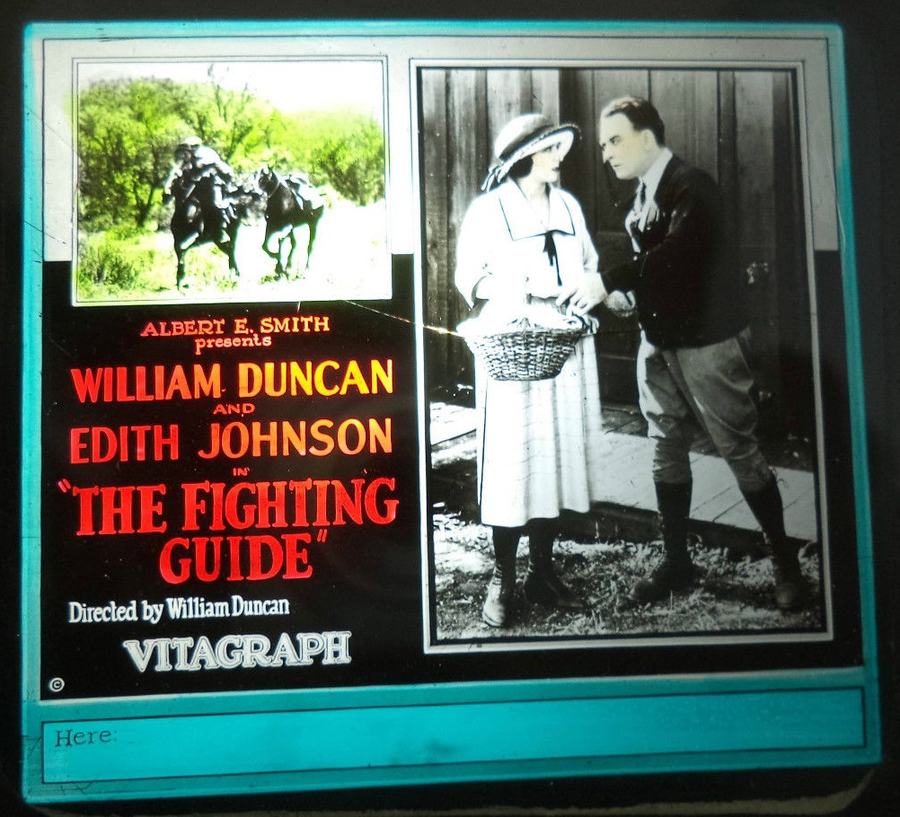
A definitive 5.2/10 rating for a film that redefined the boundaries of cult cinema. The Fighting Guide remains a cornerstone of transgressive art.
From the very first flickering frames, The Fighting Guide announces itself as a narrative tapestry woven with threads of intrigue, moral urgency, and a surprising depth of character for its era. This isn't merely a tale of good versus evil; it's an intricate dance of identity, perception, and the relentless pursuit of justice against a backdrop of avarice and manipulation. The film plunges us headfirst into a world where appearances are deceiving, and the most unassuming figures often harbor the greatest courage. It's a cinematic experience that grips you, not with bombastic explosions or frenetic chases, but with the quiet tension of a man living a lie for a greater truth, a premise that continues to resonate with audiences decades later.
At its heart lies Ned Lightning, portrayed with a compelling blend of understated resolve and quick-witted ingenuity by William Duncan. Ned is a guide by trade, a man accustomed to navigating treacherous landscapes, but here he embarks upon a far more perilous journey: impersonating his client, the esteemed Lord Winston. This is no frivolous masquerade, no fleeting dalliance with another's identity. Instead, it is a calculated, high-stakes gamble, necessitated by the discovery of a truly diabolical scheme. The film masterfully builds the suspense around Ned's dual existence, making every interaction a potential unraveling of his carefully constructed facade. The weight of his mission is palpable, transforming what could have been a simple plot device into the very engine of the narrative's emotional core.
The core conflict of The Fighting Guide is rooted in a deeply personal and shockingly venal plot: the framing of John MacDonald for murder, orchestrated solely to strip his daughter, Ethel, of her valuable land. This isn't just a crime; it's an act of profound injustice, striking at the very foundation of familial security and property rights. The film excels at illustrating the vulnerability of the innocent when confronted by the ruthless machinations of the powerful and unscrupulous. John MacDonald, likely a man of integrity but perhaps lacking the cunning to defend himself against such a sophisticated attack, becomes a tragic figure whose fate hangs precariously in the balance. Ethel, his daughter, embodies the innocent victim, her future jeopardized by a villain's greed. This setup immediately invests the audience in Ned's quest, transforming his investigation from a mere puzzle into a desperate race against time to save lives and legacies.
Grant Knowles, brought to life with a chilling sense of calculated malevolence by Sidney D'Albrook, emerges as the architect of this nefarious plan. D'Albrook's portrayal eschews overt villainy for a more insidious, believable form of evil – a man driven by insatiable avarice, willing to destroy lives for financial gain. His presence casts a long shadow over the proceedings, creating a constant sense of dread and urgency. The film's strength lies in allowing the audience to witness Knowles's machinations unfold, understanding the depth of his depravity even as Ned works tirelessly in the shadows to expose him. This creates a compelling dramatic irony, as we often know more than the characters on screen, amplifying the tension of Ned's precarious mission.
Ned's investigation is a masterclass in methodical deduction and daring execution. He doesn't merely stumble upon clues; he actively seeks them, navigating dangerous social circles and clandestine meetings, all while maintaining his elaborate facade as Lord Winston. The narrative unfolds with a satisfying rhythm, each discovery building upon the last, slowly tightening the net around Knowles. The film avoids cheap tricks, instead relying on Ned's intelligence and perseverance. We see him piecing together fragments of information, confronting suspects, and risking exposure at every turn. This grounded approach to detective work grounds the film in a believable reality, making Ned's eventual triumph all the more gratifying. The stakes are never forgotten, as the specter of MacDonald's unjust conviction looms large, driving Ned forward with an unwavering sense of purpose.
The casting is particularly strong, with William Duncan anchoring the film with his stoic yet expressive performance. His Ned Lightning is a man of action and intellect, capable of both subtle deception and decisive confrontation. He embodies the quiet hero, whose strength lies not in brute force but in his moral conviction and sharp mind. Sidney D'Albrook, as Grant Knowles, provides an excellent foil, projecting a sophisticated menace that makes his villainy all the more chilling. Harry Lonsdale’s portrayal of John MacDonald elicits genuine sympathy, making his plight feel deeply personal, while Edith Johnson (or Dorothy Vernon, depending on specific casting details for Ethel) brings a necessary vulnerability and strength to Ethel, the innocent pawn in Knowles's game. The ensemble works cohesively to elevate the material, transforming what could have been a straightforward potboiler into a character-driven drama.
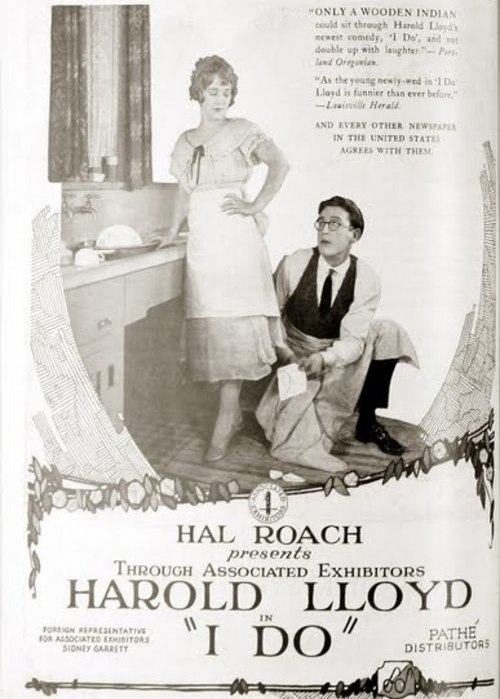
Beyond the thrilling plot, The Fighting Guide delves into profound themes. The most obvious is identity. Ned’s impersonation of Lord Winston isn't just a plot device; it's a commentary on how easily one can assume a different persona, and the power dynamics inherent in such a transformation. It asks questions about what defines a person – their true self or the role they play? This exploration of identity, albeit in a dramatic context, provides a fascinating layer to the narrative. Compare this to the more lighthearted, yet still identity-focused antics found in films like He Did and He Didn't, where mistaken identity fuels comedic scenarios. Here, the stakes are existential, not farcical. Ned's journey is one of self-discovery through self-denial, ultimately affirming his true character even while wearing another's mantle.
Justice, of course, stands as the paramount theme. The film is a clear-eyed examination of how justice can be subverted by greed and power, and the extraordinary lengths to which one individual must go to restore balance. It’s a timeless struggle, portrayed here with a raw sincerity that resonates. The victory Ned achieves isn't just personal; it's a triumph for the wronged, a restoration of order against chaos. The film makes a powerful statement about moral fortitude and the imperative to fight for what is right, even when the odds seem insurmountable. This moral clarity is a hallmark of many compelling narratives, much like the clear-cut battles against societal threats seen in films such as The Nation's Peril, though The Fighting Guide grounds its conflict in a more intimate, personal vendetta.
While specific directorial credits aren't provided, the overall craftsmanship of The Fighting Guide speaks volumes. The pacing is deliberate, allowing the mystery to unfurl organically, yet never dragging. The use of visual storytelling, a crucial element in early cinema, is effective, conveying character motivations and plot points through action and expression rather than relying solely on intertitles. The film builds suspense through subtle cues and escalating stakes, keeping the audience engaged without resorting to melodramatic excess. The tension of Ned's double life, the imminent threat to MacDonald, and the lurking presence of Knowles combine to create a truly gripping experience.
The climax, where Ned finally gathers and presents the evidence, is deeply satisfying. It's not a sudden, convenient revelation, but the culmination of painstaking effort and considerable personal risk. The exposure of Grant Knowles as both swindler and murderer is a moment of cathartic release, a powerful assertion that truth will ultimately prevail over deception. The reward for Ned – being made the new manager of Lord Winston's trading company – feels earned, not just as a narrative convenience, but as a recognition of his exceptional character and capabilities. It signifies a transformation, not just for Ned, but for the moral landscape of the story, where integrity is finally rewarded.
In an era where cinema was still finding its voice, The Fighting Guide demonstrates a sophisticated understanding of narrative structure and character development. It holds its own against other compelling dramas of its time, such as The Lure of New York, which also explored urban complexities and moral choices, or the raw physicality sometimes depicted in films like Bare Knuckles. What sets The Fighting Guide apart is its blend of intellectual mystery with a strong moral core. It's a film that doesn't just entertain; it engages the mind and stirs the conscience.
The Fighting Guide stands as a testament to the enduring power of classic storytelling. Its plot, while rooted in specific circumstances, touches upon universal themes of corruption, justice, and the courage of the individual to stand against overwhelming odds. The film's ability to craft a compelling mystery, develop relatable characters, and deliver a satisfying resolution without sacrificing depth is truly remarkable. It’s a film that deserves to be rediscovered and appreciated for its contributions to the mystery and drama genres, showcasing how early cinema was capable of intricate narratives and profound emotional impact.
The legacy of films like The Fighting Guide lies not just in their historical significance, but in their continued ability to captivate and provoke thought. It reminds us that heroism isn't always about grand gestures, but often about the quiet, unwavering commitment to truth and fairness. Ned Lightning's journey, from a simple guide to a celebrated manager, is a powerful metaphor for the idea that true worth is revealed not by one's title, but by one's actions and the integrity with which they are carried out. It’s a compelling piece of cinematic history that continues to shine brightly, proving that a well-told story, driven by strong characters and a clear moral compass, is truly timeless.
IMDb 5.1
1926
Community
Log in to comment.