DbcultAccessing Vault...
6.9/10
Senior Film Conservator
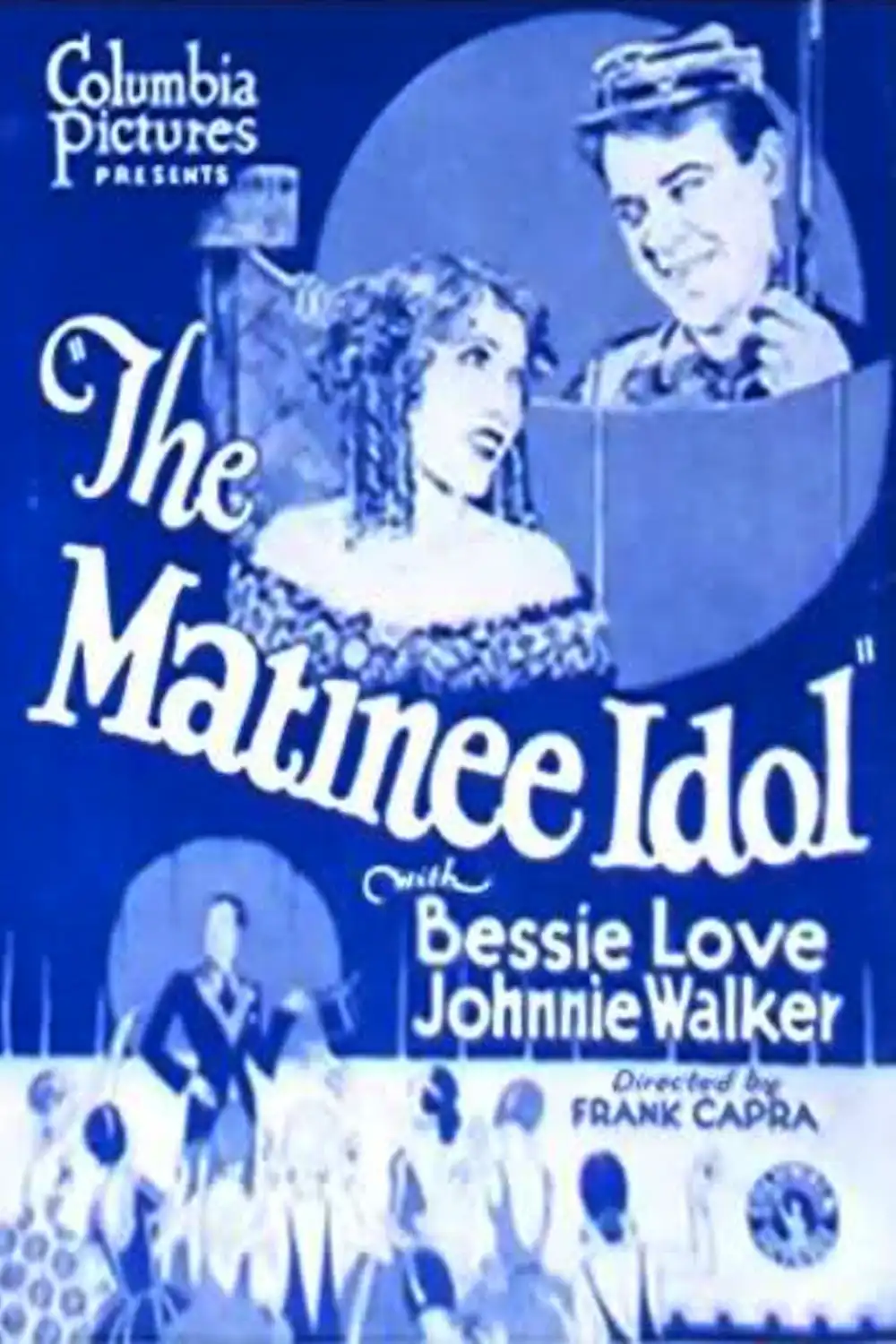
A definitive 6.9/10 rating for a film that redefined the boundaries of cult cinema. The Matinee Idol remains a cornerstone of transgressive art.
'The Matinee Idol,' released in 1928, offers a surprisingly durable romantic comedy experience for viewers today, particularly those with an appreciation for the silent era's specific rhythms and visual storytelling. It’s a film for those who enjoy character-driven narratives centered on mistaken identity and the inherent charm of early Hollywood stars. However, audiences less accustomed to silent film conventions, or those sensitive to the period's prevalent use of blackface as a comedic or dramatic device, might find certain aspects challenging or off-putting. It demands a degree of historical understanding, but rewards with genuine warmth and some clever comedic beats.
The premise is classic: a famous professional, weary of his celebrity, seeks refuge and authenticity among amateurs. Johnnie Walker plays Don Juan, a Broadway sensation whose signature act involves blackface portrayals. He’s depicted as charismatic on stage, but privately, he yearns for something more real than the adulation of his fans. His solution? To disappear into a small town and join an amateur acting troupe under the assumed name of 'Donkey,' deliberately playing the part of a bumbling, untalented newcomer. This setup immediately creates a dramatic tension that the film largely capitalizes on.
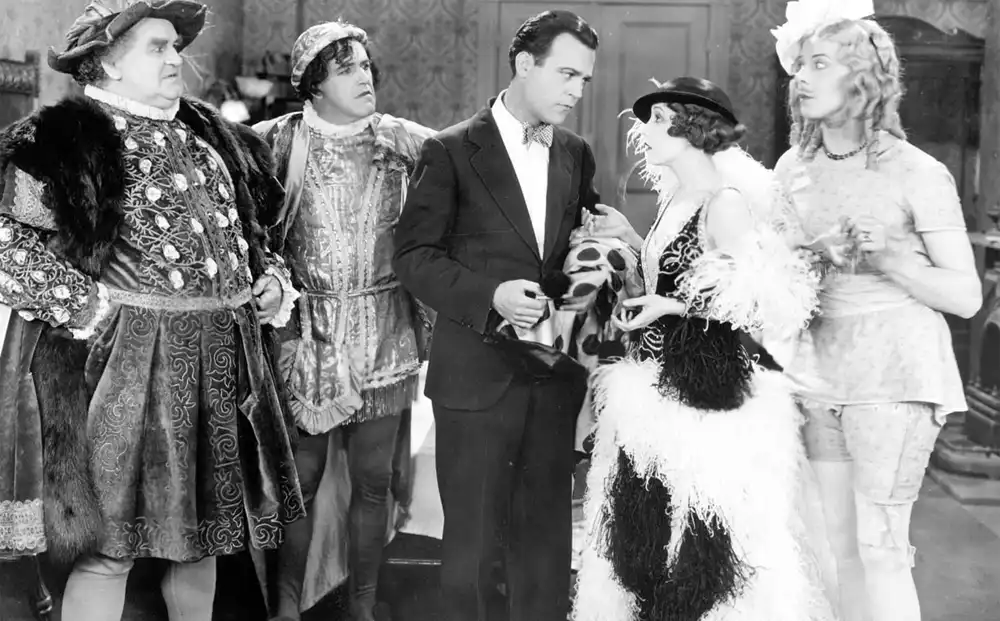
The central romance blossoms between Don Juan's disguised persona and Ginger, the troupe's leading lady, played by the effervescent Bessie Love. Love, a veteran of the silent screen, brings a natural grace and earnestness to Ginger. Her reactions often carry the emotional weight of a scene, particularly in her moments of frustration with 'Donkey's' apparent ineptitude, which slowly gives way to grudging respect and then affection. There's a particular scene where she’s trying to teach him a dance step, and his deliberate awkwardness subtly gives way to a flash of professional footwork before he catches himself, a moment Love plays with an excellent mix of suspicion and amusement.
Bessie Love is undoubtedly the film's anchor. Her performance as Ginger is nuanced, avoiding caricature even when the script leans into comedic broadness. She makes Ginger feel like a genuinely talented and ambitious young woman, rather than just a romantic foil. Her expressions are clear and readable, a crucial asset in silent cinema, conveying everything from exasperation to blossoming love with ease. When she smiles, it’s infectious; when she’s hurt, you feel it.
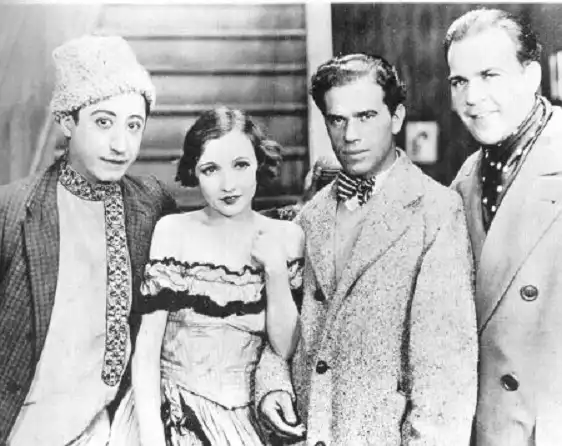
Johnnie Walker, as Don Juan/Donkey, has the more challenging role of playing two distinct personas. As Don Juan, he projects an air of suave confidence, though often with a hint of melancholy. As 'Donkey,' he embraces physical comedy and a sort of endearing clumsiness. The contrast is effective, though occasionally the 'Donkey' persona feels a touch too exaggerated, pushing the boundaries of belief. However, he manages to sell the internal conflict of a man trying to hide his true self while simultaneously falling in love. The film’s approach to Don Juan’s blackface act is purely as a theatrical device of the era, presenting it as the source of his fame rather than exploring its implications, which is typical for a film of this period. It serves its narrative purpose as the ultimate disguise he must shed.
The supporting cast, particularly the members of the amateur troupe, contribute to the film's charm. Lionel Belmore, as the troupe's blustering director, provides solid comedic relief, his exaggerated reactions often punctuating the more tender romantic scenes.
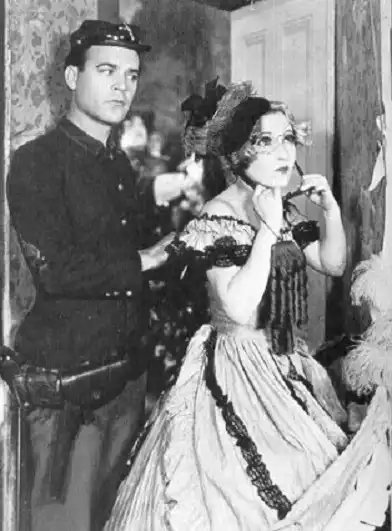
For a silent film, 'The Matinee Idol' maintains a generally brisk pace, particularly in its first two acts. The setup of Don Juan's discontent and his integration into the amateur troupe moves efficiently. The initial comedic beats, centered around 'Donkey's' feigned lack of talent, land well. However, there are moments in the middle act where the romantic misunderstandings feel slightly drawn out, relying a bit too much on repeated reaction shots of characters looking confused or smitten. A few intertitles could have been trimmed without losing narrative clarity.
The film navigates a tricky tonal balance between broad comedy and sincere romance. For the most part, it succeeds, thanks to Love's grounding performance. The comedic scenes, such as the troupe's disastrous rehearsals or their attempts at stage combat, are genuinely funny without devolving into pure farce. Yet, when the film shifts to the burgeoning affection between Don Juan and Ginger, it manages to feel authentic and sweet, avoiding saccharine sentimentality.
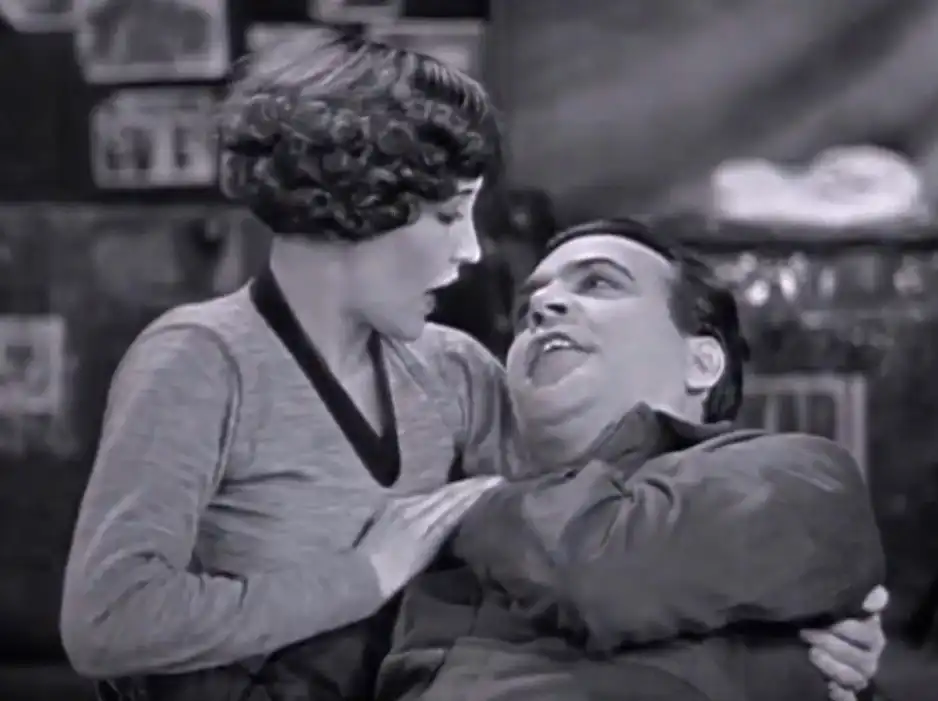
Director Frank Capra (uncredited in some sources, but his touch is evident) brings a straightforward yet effective visual style to the film. The cinematography is clean, and the use of close-ups is judicious, often highlighting the emotional beats of Love's performance. The contrast between the grandiosity of Broadway stages and the humble, often makeshift sets of the amateur troupe is visually striking, subtly emphasizing Don Juan's journey from artifice to authenticity.
One particularly revealing moment comes not in the grand reveals, but in a small, almost throwaway scene where Don Juan, as 'Donkey,' is helping the amateur troupe paint scenery. His professional stage instincts are so ingrained that he finds himself correcting a young actor's posture and vocal projection, only to catch himself and feign awkwardness, looking around to see if anyone noticed his lapse. It's a subtle beat, easily missed, but it perfectly encapsulates the tension between his assumed identity and his true calling, a flicker of the matinee idol beneath the clumsy disguise.
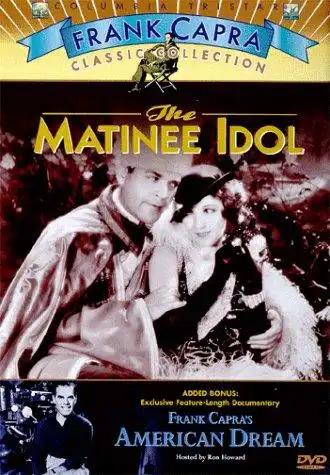
The film’s climax, involving the inevitable exposure of Don Juan's identity during a performance, is well-staged. The reactions from the shocked audience and the heartbroken Ginger are effectively conveyed through quick cuts and dramatic close-ups, selling the emotional fallout without relying on overwrought melodrama.
'The Matinee Idol' is a charming and often genuinely funny silent romantic comedy that holds up surprisingly well. It’s a testament to the enduring power of classic storytelling and the magnetic screen presence of stars like Bessie Love. While its use of blackface as a plot device anchors it firmly in its historical context, the film's core themes of authenticity, hidden talents, and unexpected love remain timeless. For silent film enthusiasts, or anyone curious about the genre beyond its most famous examples, this is a delightful watch that offers more than just a historical curiosity. It’s a solid, entertaining piece of early Hollywood filmmaking that still manages to elicit smiles and a few laughs.
IMDb 6.8
1926
Community
Log in to comment.