DbcultAccessing Vault...
Cult Review
Senior Film Conservator
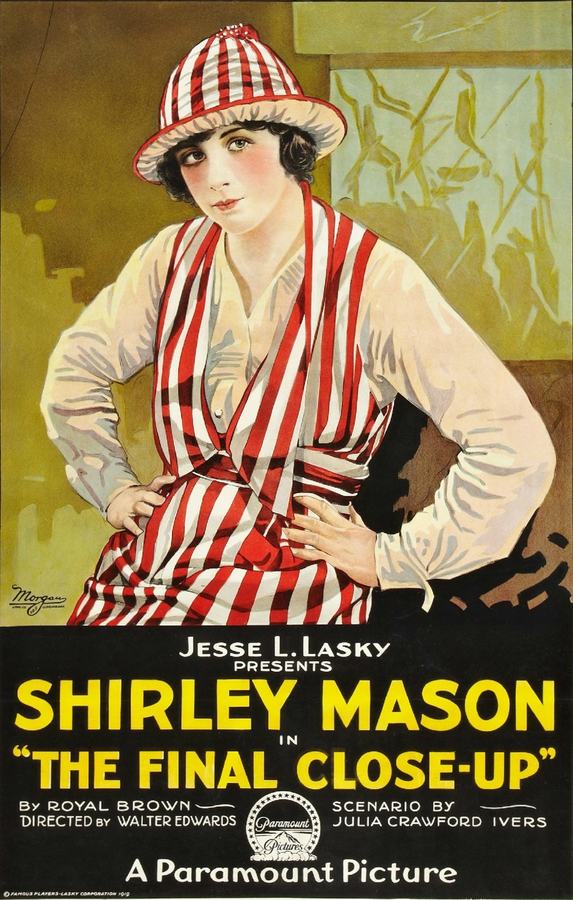
Stepping back into the cinematic landscape of 1917, one encounters a fascinating tapestry of storytelling, often imbued with the moralistic undercurrents and class consciousness prevalent in the era. The Final Close-Up, a film that might easily be overlooked amidst the cacophony of modern blockbusters, emerges as a poignant artifact, a narrative deeply rooted in the social stratifications and romantic ideals of its time. Penned by the collaborative efforts of Royal Brown and Julia Crawford Ivers, this picture, starring Mary Warren as the resilient Nora Nolan and Francis McDonald as the enigmatic Jimmie Norton, offers more than just a simple love story; it presents a compelling study of character, circumstance, and the enduring human spirit.
The film commences with an immediate immersion into the grinding realities faced by its protagonist, Nora Nolan. Her station as a bargain-basement clerk is not merely a detail of her employment; it is a stark descriptor of her societal standing, her economic fragility, and the constant, often invisible, pressures that define her existence. The sweltering heat that precipitates her collapse is more than just a meteorological event; it is a metaphorical weight, symbolizing the oppressive conditions under which she toils. This initial scene masterfully establishes Nora as an emblem of the working class, a figure whose struggles would have resonated deeply with a significant portion of the contemporary audience. Her vulnerability, however, is not a weakness but a catalyst, an unexpected spark in the life of Jimmie Norton.
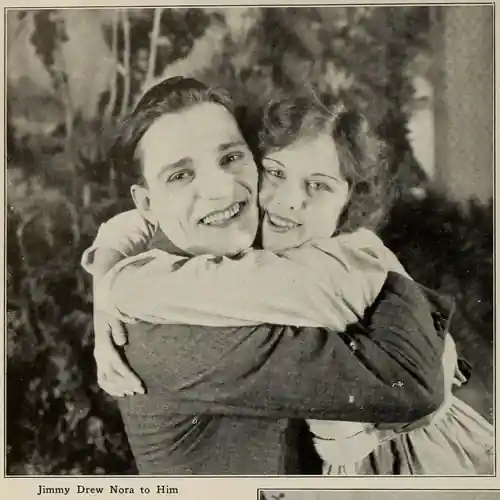
Jimmie, the scion of a millionaire, initially appears as a detached observer, a reporter whose professional distance is quickly dissolved by an act of genuine empathy. His anonymous gift of $200 is not a mere handout but a lifeline, a gesture that transcends the transactional and speaks to a deeper sense of justice or perhaps even an nascent attraction. This act of hidden beneficence immediately casts Jimmie in a heroic, if somewhat mysterious, light. It sets up a classic narrative trope: the wealthy benefactor whose true identity is concealed, allowing for a more authentic connection to form, unburdened by the prejudices of class. One might draw parallels to the anonymous interventions seen in other early cinematic narratives, where disguised wealth often served as a vehicle for moral instruction or romantic entanglement. The very notion of a reporter, a seeker of truth, being fired and then adopting a new, more unassuming role, further underscores his character's journey away from superficiality towards something more profound.
Nora's subsequent retreat to a fashionable seaside hotel, funded by Jimmie's anonymous generosity, is a pivotal shift in the narrative. It transports her from the oppressive confines of the city to a world of leisure and privilege, a stark contrast that highlights the chasm between her former life and this temporary reprieve. The irony, of course, is that Jimmie is already there, having shed his reporter's guise to pitch for the hotel's baseball team. This contrivance, while perhaps a touch melodramatic for modern sensibilities, perfectly serves the romantic comedies and dramas of the era, allowing for chance encounters and the gradual unfolding of affection. It's a delightful setup, ripe with the potential for misunderstandings and revelations, echoing the playful serendipity found in films like Manhattan Madness, where mistaken identities and coincidental meetings drive much of the plot's charm and conflict.
The burgeoning tranquility of Nora's seaside sojourn is abruptly shattered by a malevolent accusation: she is charged with looting the bathhouses. This plot twist introduces an element of unjust persecution, a common theme in silent films where the virtuous protagonist often faces trials and tribulations before ultimately being vindicated. The accusation is not just a personal affront; it's a direct attack on her character, threatening to strip away the respectability she momentarily gained. Here, the film delves into the darker side of societal judgment, where appearances can be deceiving and the vulnerable are often easy targets. It's a narrative device that effectively raises the stakes, creating a palpable sense of injustice that audiences would have keenly felt. One is reminded of the intense moral dilemmas and accusations of wrongdoing explored in films like The Victory of Conscience, where characters grapple with their integrity in the face of public scorn.
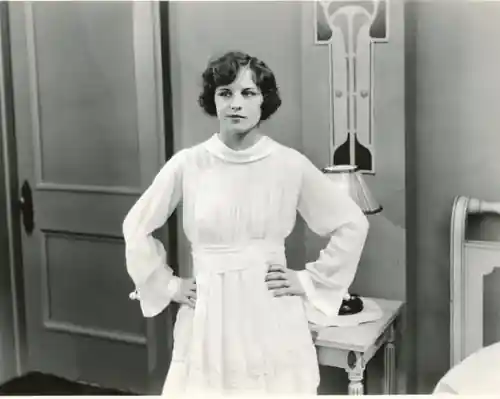
The true antagonist emerges in the form of Emily Westervelt-Moore, a society girl whose covetous desire for Jimmie fuels her villainous machinations. Emily represents the darker side of privilege, a character whose entitlement manifests as cruelty. Her act of planting evidence in Nora's room is a clear act of malice, designed to discredit Nora and remove her as a rival for Jimmie's affections. This portrayal of a jealous, manipulative socialite would have been a recognizable archetype for audiences, embodying the moral failings that often accompany unchecked wealth and status. Nora's discovery of Emily's treachery is a moment of crucial empowerment, where the innocent victim begins to fight back, transforming from passive recipient of injustice to active agent in her own defense. This shift in Nora's agency is vital, showcasing her inner strength and resilience, qualities that are essential for any compelling protagonist.
However, Nora's trials are far from over. The theft of her remaining money, following Emily's failed attempt to frame her, plunges her back into destitution. This sequence is particularly potent, forcing Nora to confront the harsh realities of her economic vulnerability once more. The indignity of being forced to wash dishes to pay her bill is not merely a plot point; it's a powerful visual metaphor for her fall from grace, a reminder of the societal ladders that can be so easily kicked out from under those without means. Yet, even in this moment of profound hardship, Nora's spirit remains unbroken. Her resilience, her quiet determination to endure and overcome, is what truly defines her character. It's a testament to the film's ability to portray dignity in the face of adversity, a theme that resonates across various cinematic periods and cultures, perhaps even finding echoes in the struggles against fate depicted in films such as Syndens datter.
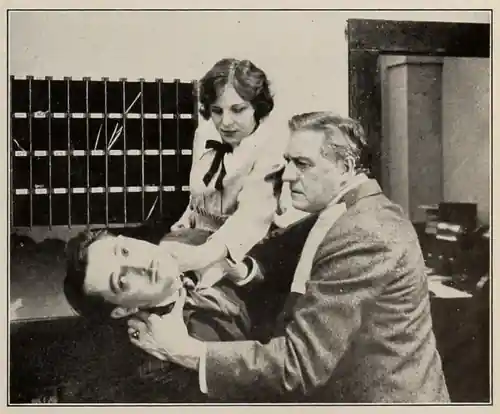
It is within the humble confines of the hotel kitchen, amidst the clatter of dishes and the steam of her arduous labor, that Nora's fate takes another dramatic turn. She overhears a plan to rob the hotel safe, an unexpected eavesdropping that thrusts her into the role of an accidental detective. This shift from victim to proactive hero is a masterful stroke of storytelling, allowing Nora to demonstrate not only her moral fortitude but also her quick wit and courage. Her immediate action to catch the real thief, Lloyd Gregory, is the culmination of her journey, a triumphant act that not only clears her name of past accusations but also establishes her as a woman of undeniable integrity and resourcefulness. This sequence injects a thrilling element of mystery and suspense into the narrative, providing a satisfying climax to the mounting tensions.
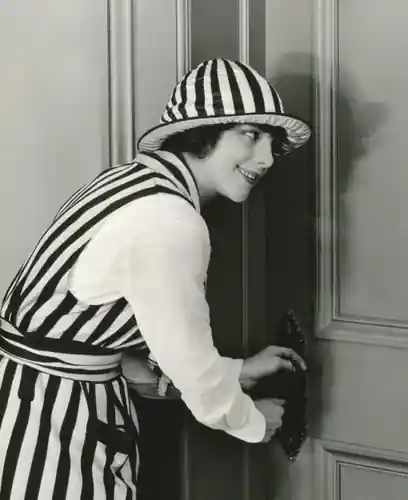
The arrival of Jimmie and his father at this precise moment of dramatic revelation serves as the perfect narrative resolution. The elder Norton's presence is crucial; he represents the patriarchal authority and societal approval that would have been highly valued in the early 20th century. His expression of approval for Nora is not just a personal endorsement but a symbolic bridging of the class divide, a recognition that character and virtue transcend economic status. It validates Nora's journey, confirming that her inherent goodness has been recognized and rewarded. This moment allows for the full blossoming of the romance between Nora and Jimmie, unburdened by suspicion or societal disapproval. The film's title, The Final Close-Up, finds its literal and metaphorical fulfillment in their embrace, a cinematic shorthand for a happily ever after, a promise of a future built on mutual respect and affection. This resolution, where virtue is rewarded and class barriers are symbolically overcome, aligns with the aspirational narratives often found in early cinema, much like the redemptive arcs explored in The Wasted Years or the ultimate triumph of good in Fighting Back.
Beyond its plot mechanics, The Final Close-Up offers a glimpse into the social fabric of its era. It subtly critiques the superficiality of wealth and the dangers of unchecked privilege, while simultaneously celebrating the virtues of hard work, honesty, and resilience. The film champions the idea that true worth is found not in one's birthright or bank account, but in one's character. Mary Warren’s portrayal of Nora, even without spoken dialogue, must have conveyed a compelling blend of vulnerability and inner strength. Her expressive performance would have been key to eliciting audience sympathy and admiration. Similarly, Francis McDonald’s Jimmie would have needed to convey both his initial detachment and his growing affection and respect for Nora, navigating the subtle shifts in his character with nuance. The success of such a silent film hinged almost entirely on the actors' ability to communicate complex emotions and motivations through gesture, facial expression, and physical presence. This focus on visual storytelling, where every movement and glance carries significant meaning, defines the artistry of the period.
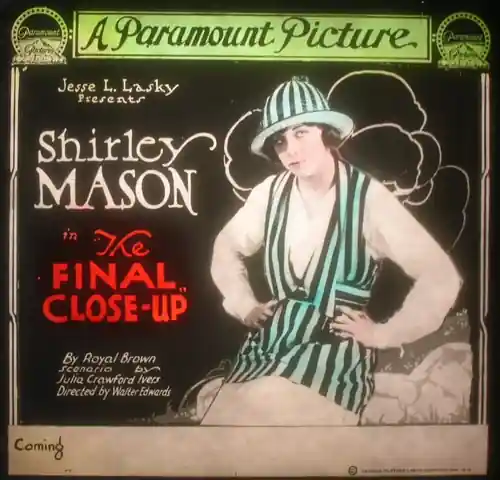
The directorial choices, though not explicitly detailed in the plot summary, would have been crucial in shaping the audience's experience. The use of close-ups, particularly suggested by the title, would have been instrumental in conveying emotional intimacy and highlighting key character reactions. Imagine the power of a close-up on Nora’s face as she faints, or as she discovers Emily’s deceit, or her quiet determination while washing dishes. These visual techniques, alongside effective intertitles, would have guided the audience through the narrative's emotional landscape. The pacing of the film, from the initial establishment of Nora’s plight to the rapid succession of accusations and revelations, would have built suspense and maintained audience engagement. The contrast between the drab city and the vibrant seaside, perhaps rendered through varying degrees of natural light or set design, would have underscored the thematic shifts in Nora's journey.
Considering the broader context of cinema in 1917, The Final Close-Up contributes to a burgeoning genre of social dramas and romantic tales that captivated audiences. Films from this period were often tasked with both entertaining and subtly educating, reflecting contemporary anxieties and aspirations. The narrative of a working-class woman finding love and acceptance with a man from a higher social stratum was a popular fantasy, offering hope and escapism to audiences facing their own daily struggles. It's a testament to the enduring appeal of such Cinderella stories, often featuring a transformation not just of circumstances but of self. While not explicitly a 'rags-to-riches' tale in the most literal sense, Nora’s journey is certainly one of upward mobility, driven by her intrinsic goodness and integrity rather than any overt ambition. This moral underpinning distinguishes it from purely materialistic narratives and gives it a timeless quality.
The screenplay by Brown and Ivers demonstrates a keen understanding of dramatic construction, weaving together elements of romance, mystery, and social commentary into a coherent and engaging whole. The progression from Nora's initial weakness to her ultimate strength and agency is meticulously crafted, ensuring that her character arc feels earned and resonant. The introduction of specific antagonists like Emily Westervelt-Moore, and the red herring of the bathhouse looting, serve to complicate the narrative in satisfying ways, preventing it from becoming a simplistic romance. Instead, it becomes a story about overcoming adversity, about the triumph of truth over deception, and about the power of genuine connection to transcend superficial barriers. Such intricate plotting, even in early cinema, speaks to a sophisticated understanding of audience expectations and narrative payoff. The film’s ability to sustain multiple lines of tension—Nora’s financial plight, the false accusations, Emily’s machinations, and the eventual hotel robbery—is a testament to the writers’ skill, creating a rich, layered viewing experience.
Ultimately, The Final Close-Up, despite its age and the limitations of silent film, offers a compelling and emotionally satisfying experience. It's a reminder of the foundational elements of storytelling that continue to captivate audiences: relatable characters, compelling conflicts, and the enduring hope for justice and love. The film's title itself is evocative, suggesting not just a romantic resolution but perhaps a final, intimate look at the human heart, stripped bare of pretense and revealed in its truest form. For those interested in the evolution of narrative film, and particularly the ways in which early cinema tackled complex social themes through accessible stories, this film stands as a valuable example. It’s a testament to the enduring power of simple, yet profoundly human, narratives to resonate across generations, proving that the silent era was anything but quiet in its impact and artistry. It also prompts reflection on how similar themes of mistaken identity and class struggle, though presented in different contexts, persist across cinematic history, from Nora's struggles to the predicaments faced by characters in films such as The No-Good Guy or even the dramatic turns in The Eleventh Hour. The film's legacy lies in its ability to tell a timeless story with conviction and charm, making its 'final close-up' a truly memorable one.
IMDb —
1921
Community
Log in to comment.