DbcultAccessing Vault...
6/10
Senior Film Conservator
A definitive 6/10 rating for a film that redefined the boundaries of cult cinema. Gloria's Romance remains a cornerstone of transgressive art.
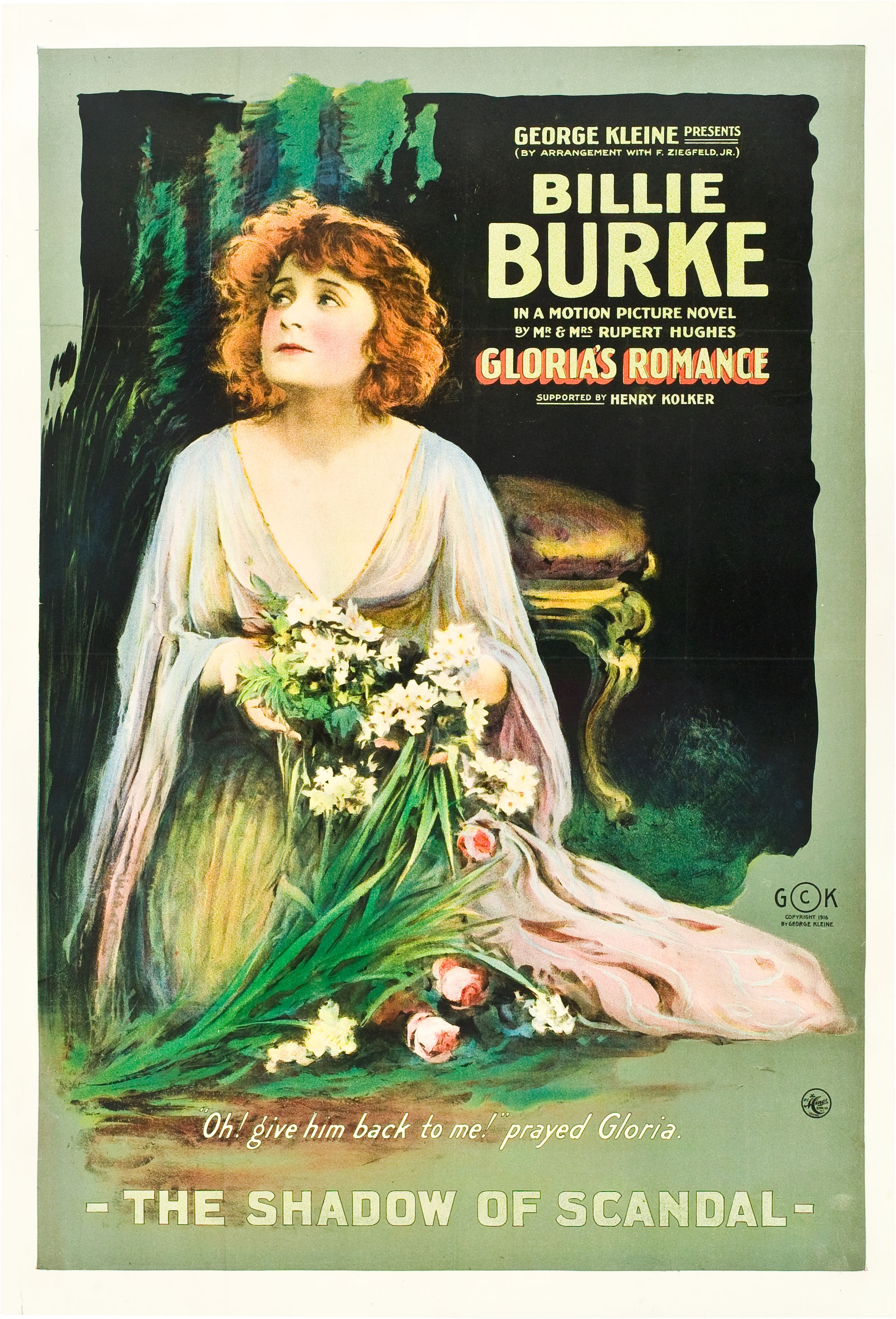
Ah, the silent era! A time when narratives unfolded through grand gestures, expressive eyes, and the evocative power of a well-placed title card. And within this rich tapestry, Rupert Hughes's Gloria's Romance emerges as a fascinating, if sometimes forgotten, gem. Released in 1918, this serial film, starring the luminous Lillian Beck, plunges its audience headfirst into the exotic, often perilous, heart of the Florida Everglades. It's a tale that promises adventure, delivers terror, and ultimately, explores the timeless complexities of love and rivalry against a backdrop as untamed as the human heart itself.
From the very outset, Gloria's Romance establishes its protagonist, Gloria, as no shrinking violet. She's an adventurous young woman, embodying a spirit of independence that, while perhaps not revolutionary by today's standards, was certainly a compelling trait for a female lead of the early 20th century. Her decision to venture deep into the Everglades isn't merely a plot device; it's a declaration of character, a testament to a soul unburdened by conventional feminine constraints. This spirit immediately draws the audience in, creating a rooting interest for her survival and success as she navigates an environment brimming with both natural beauty and inherent danger.
The Everglades, of course, plays a character unto itself. It's not just a setting; it's an active participant in Gloria's journey, a sprawling, enigmatic wilderness that simultaneously offers breathtaking vistas and poses existential threats. The cinematography, even in its early form, strives to capture the unique ecological grandeur of this region – the dense cypress swamps, the slow-moving rivers, the exotic flora and fauna. However, this beauty is constantly juxtaposed with the ever-present danger: the lurking alligators, venomous snakes, and the sheer disorientation of getting lost in such an expansive, undifferentiated landscape. This duality is masterfully employed to heighten the dramatic tension, making Gloria's plight feel genuinely precarious.
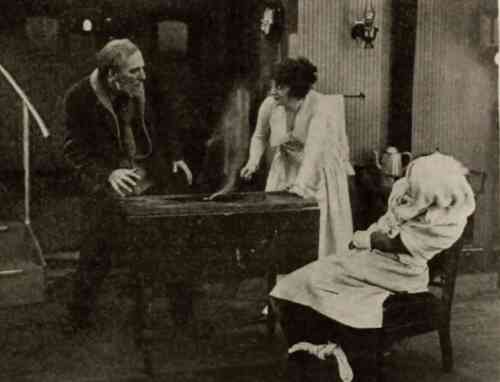
The film excels in illustrating the sheer isolation of Gloria's predicament. When she finds herself lost, the sense of abandonment is palpable. The vastness of the swamp amplifies her vulnerability, transforming a simple adventure into a desperate struggle for survival. This aspect of the narrative shares a spiritual kinship with other tales of human endurance against nature, though perhaps with less existential dread than something like John Barleycorn which explored internal struggles, Gloria's Romance externalizes the conflict into a vivid, tangible threat. It’s a testament to the power of silent film to convey such primal emotions without a single spoken word.
At the heart of the 'romance' in Gloria's Romance lies the passionate rivalry between two men, both smitten with our intrepid heroine. Richard Barthelmess, a prominent figure of the era, brings a compelling intensity to his role, portraying one of Gloria's suitors with a blend of rugged charm and underlying possessiveness. His performance is nuanced, capturing the ardent devotion of a man deeply in love, yet also hinting at the darker currents of jealousy that can arise when such devotion is challenged. Opposite him, another suitor, whose identity and motivations are slowly unveiled throughout the serial, provides the necessary foil, creating a dynamic tension that propels much of the narrative forward.
The casting of Lillian Beck as Gloria was a stroke of genius. Beck possesses an innate charisma and a vibrant screen presence that makes Gloria's adventurous spirit entirely believable. She conveys a wide spectrum of emotions – from wide-eyed wonder to abject fear, from determined resolve to tender affection – all through the eloquent language of silent film acting. Her ability to command the screen, often in scenes where she is the sole focus against the vastness of nature, is truly remarkable. Her performance elevates Gloria beyond a mere damsel in distress, transforming her into an active agent in her own destiny, a woman capable of inspiring both adoration and fierce protection.
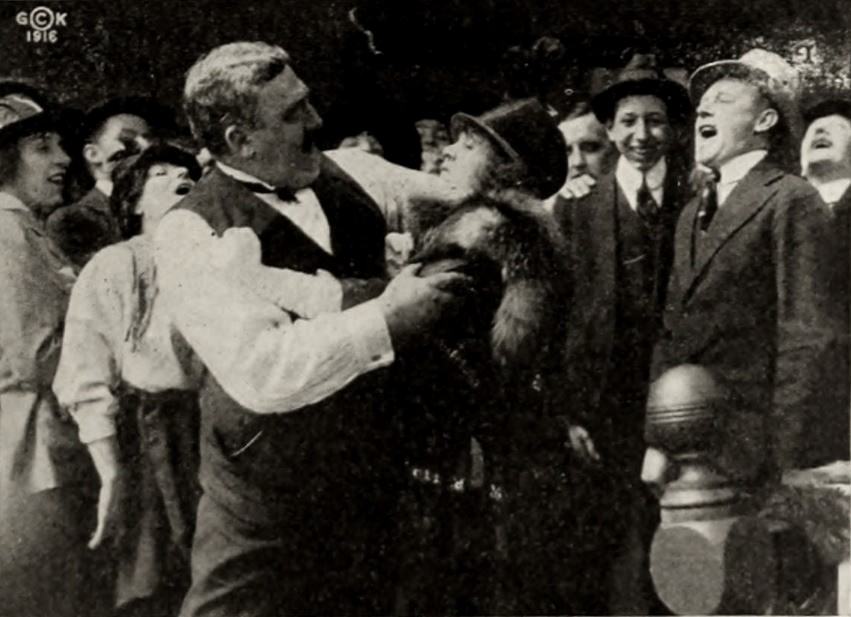
The supporting cast, featuring talents like Virginia Clark, Helen Hart, and Patterson Dial, among others, rounds out the world of Gloria's Romance with a rich tapestry of secondary characters. Each, in their own way, contributes to the intricate web of alliances, betrayals, and unforeseen circumstances that Gloria must navigate. The film's sprawling cast, including veteran actors such as Henry Kolker and Frank McGlynn Sr., ensures that even minor roles are imbued with a certain gravitas, adding depth and credibility to the unfolding drama. It's a testament to the collaborative nature of silent filmmaking, where every actor, regardless of screen time, played a crucial part in conveying the narrative's emotional weight.
One cannot discuss Gloria's Romance without acknowledging its nature as a film serial. This format, immensely popular in the early decades of cinema, was designed to keep audiences returning week after week, eager to discover what new peril or twist awaited their beloved characters. Each episode, or 'chapter,' would end on a dramatic cliffhanger, a technique that Gloria's Romance employs with considerable skill. This episodic structure allowed for a more drawn-out exploration of character arcs and plot developments, building suspense incrementally and maximizing the emotional impact of each new revelation.
The serial format, while perhaps alien to modern viewers accustomed to self-contained narratives, was a cornerstone of early cinematic entertainment. It fostered a unique relationship between the audience and the ongoing story, creating a communal experience of anticipation and shared speculation. In a way, it was the precursor to modern television series, demonstrating a keen understanding of how to maintain audience engagement over an extended period. The constant threat of the Everglades, combined with the escalating romantic tension, made Gloria's Romance particularly well-suited to this format, ensuring that each chapter delivered a fresh dose of excitement and intrigue. Unlike the more straightforward narrative of a film like The Marconi Operator, which relies on a single, focused event, Gloria's Romance thrives on its protracted journey.
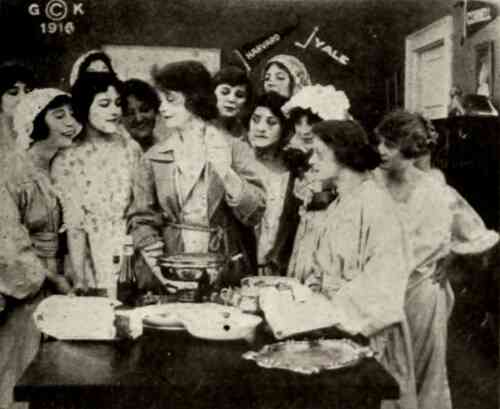
Director Rupert Hughes, collaborating with Mrs. Rupert Hughes on the writing, demonstrates a clear vision for this ambitious project. His direction is characterized by a balance between grand, sweeping shots of the Everglades and intimate close-ups that capture the raw emotion on his actors' faces. He understands the power of visual storytelling, utilizing the natural environment not just as a backdrop, but as an integral element of the narrative's emotional landscape. The terror Gloria experiences in the swamps is made visceral through Hughes's choices in framing and pacing, while the burgeoning romance is conveyed through tender gazes and subtle gestures.
Hughes's ability to orchestrate complex action sequences, particularly those involving the dangers of the Everglades, is commendable for the era. The scenes of struggle and pursuit feel authentic, adding a layer of realism to what could easily have devolved into melodrama. He avoids the static, theatrical staging common in some early films, opting instead for a more dynamic and fluid cinematic language. This approach keeps the audience engaged, making them feel as though they are right there alongside Gloria, experiencing every heart-pounding moment. In this regard, it shares a certain kinetic energy with films like The Rebel, which also emphasized physical action and a sense of forward momentum.
Beyond the thrilling adventure and romantic entanglement, Gloria's Romance delves into several resonant themes. There's the obvious exploration of human resilience in the face of overwhelming odds, a timeless narrative that continues to captivate audiences. Gloria's journey can be seen as an allegory for self-discovery, where facing external dangers forces one to confront internal strengths and weaknesses. Her independence and willingness to forge her own path also speak to nascent feminist ideals, subtly challenging traditional portrayals of women in distress.
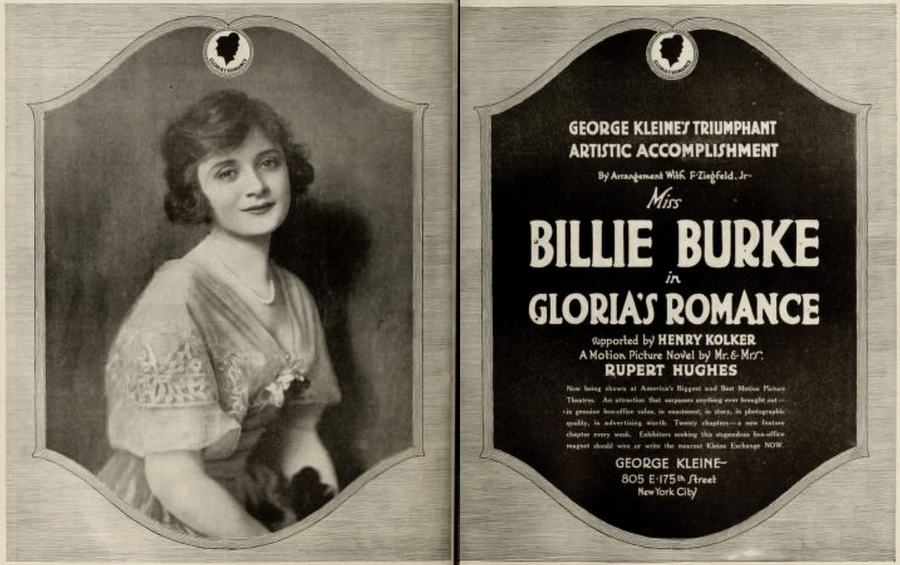
The rivalry between the two men, while a classic romantic trope, is handled with a depth that prevents it from becoming simplistic. It's not just a contest of strength or charm, but a clash of philosophies about love, possession, and respect. This adds layers to the 'romance' aspect, making it more than a mere love triangle. It forces Gloria, and by extension the audience, to consider what qualities truly define a worthy partner, especially in a world where survival and loyalty are paramount. This intricate dance of affection and competition can be seen in other contemporary works, though Gloria's Romance imbues it with a unique wilderness flavor.
The film's enduring appeal, even over a century later, lies in its ability to tap into universal human desires: the yearning for adventure, the search for love, and the fundamental drive to overcome adversity. While the filmmaking techniques may appear quaint by today's standards, the emotional core remains potent. The film serves as a valuable historical document, offering a glimpse into the popular entertainment of its time, and showcasing the nascent artistry of cinematic storytelling before the advent of sound. It's a reminder that compelling narratives transcend technological limitations, relying instead on strong characters, engaging plots, and the fundamental human experience.
For enthusiasts of early cinema, Gloria's Romance offers a rich experience. It showcases the pioneering efforts of filmmakers to push the boundaries of visual storytelling, utilizing natural landscapes and dynamic performances to create immersive worlds. Lillian Beck's portrayal of Gloria stands as a testament to the strength and versatility of silent film actresses, proving that heroines of the era were far from passive. Richard Barthelmess, too, delivers a performance that solidifies his status as a leading man capable of conveying both tenderness and formidable resolve.
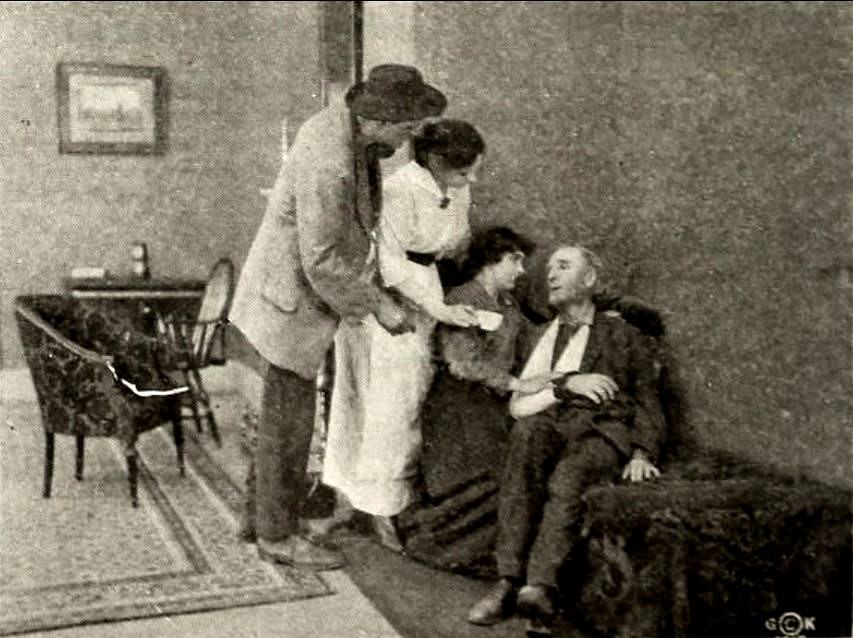
The film also provides a fascinating window into the cultural landscape of 1918. The fascination with exotic locales, the burgeoning sense of female independence, and the societal norms surrounding courtship and rivalry are all subtly reflected within its narrative. It’s a historical artifact that still manages to entertain and provoke thought, much like other ambitious projects of the era such as The Hypocrites, which tackled social commentary, or even the lighter fare of The Slim Princess, which offered a different kind of romantic pursuit. Each film, in its own way, captures a slice of that vibrant cinematic period.
In conclusion, Gloria's Romance is far more than just a historical curiosity. It is a vibrant, compelling adventure that deftly weaves together elements of survival, romance, and human drama. It stands as a testament to the ingenuity of early filmmakers and the timeless power of a well-told story. While its serial format might require a different viewing approach today, the rewards for those who embark on Gloria's journey through the Everglades are plentiful. It's a film that reminds us of the roots of cinematic storytelling and the enduring appeal of a spirited heroine facing down both nature's fury and the complexities of the human heart.
So, if you ever find yourself yearning for a glimpse into the exciting, often dangerous, world of early 20th-century cinema, and a narrative that doesn't shy away from grand adventure or passionate rivalries, then seeking out Gloria's Romance would be a most rewarding endeavor. It's a journey well worth taking, a silent epic that speaks volumes.

IMDb 1.2
1927
Community
Log in to comment.