DbcultAccessing Vault...
5.7/10
Senior Film Conservator
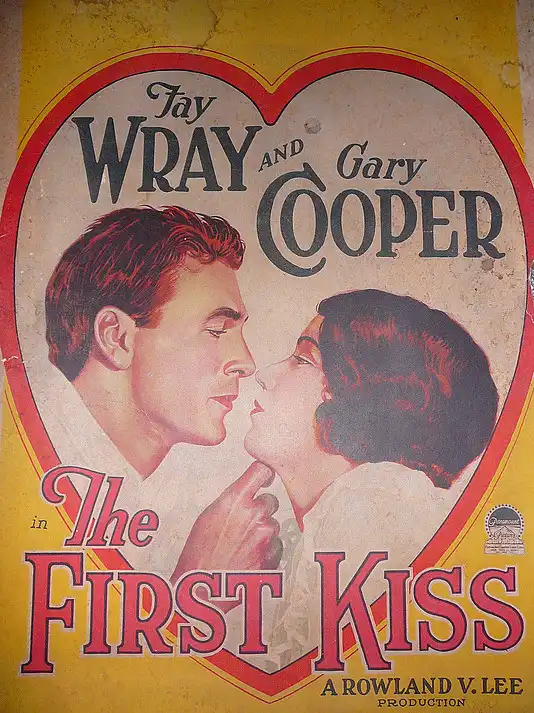
A definitive 5.7/10 rating for a film that redefined the boundaries of cult cinema. The First Kiss remains a cornerstone of transgressive art.
If you are looking for a reason to watch The First Kiss today, it isn't for the plot, which is a fairly standard-issue melodrama about family honor and class distinctions. You watch it for two very specific reasons: a young, remarkably magnetic Gary Cooper and the evocative, on-location photography of the Chesapeake Bay. This is a film for those who appreciate the 'naturalist' streak in late silent cinema—where the studio walls were pushed aside in favor of real wind, real water, and real dirt.
Those looking for a fast-paced thriller or a sophisticated romantic comedy will likely find it plodding. However, for fans of silent-era stars or anyone interested in how Hollywood captured rural American life before the talkies took over, it’s a rewarding experience. It’s certainly more grounded than something like The Untamed, trading high-seas adventure for the localized, grimy reality of oyster poaching.
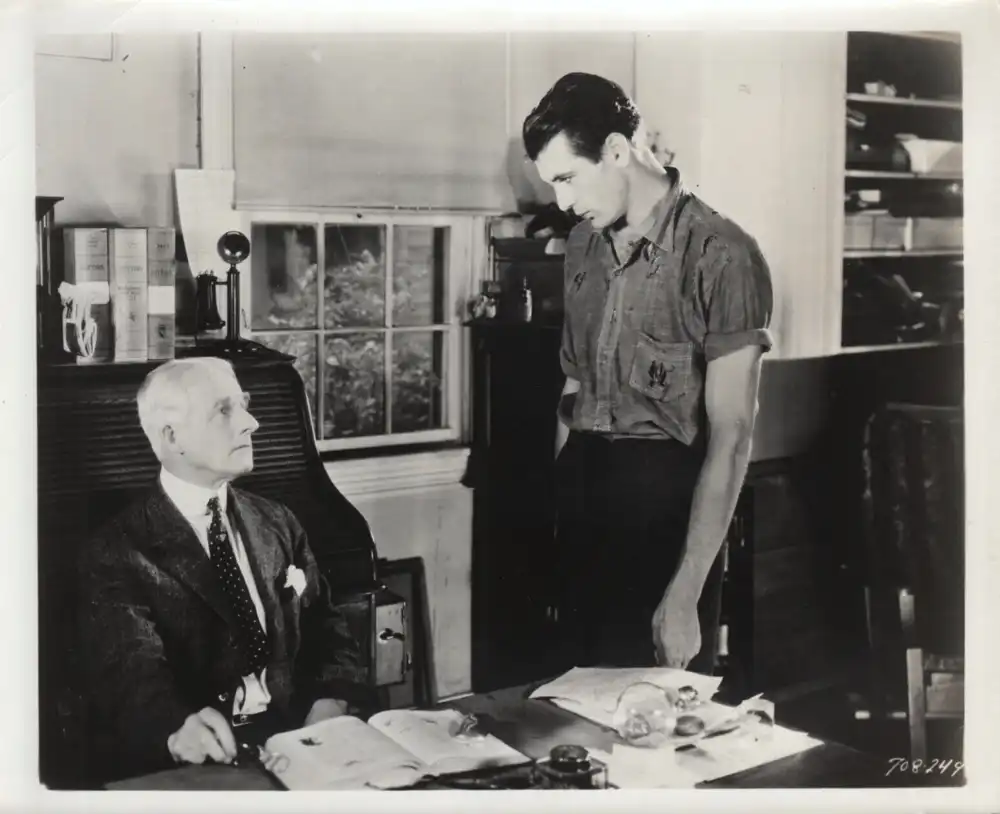
In 1928, Gary Cooper was still finding his footing as a leading man, but his performance as Mulligan Talbot proves that his 'minimalist' style was there from the beginning. While his co-stars—particularly the actors playing his shiftless brothers—frequently resort to the wide-eyed gesticulation common in lesser silents, Cooper remains remarkably still. There is a scene early on where he watches his father and brothers lounge about their decaying estate; the camera lingers on Cooper’s face, and you can see the exhaustion and resentment simmering just under the surface without a single over-the-top movement.
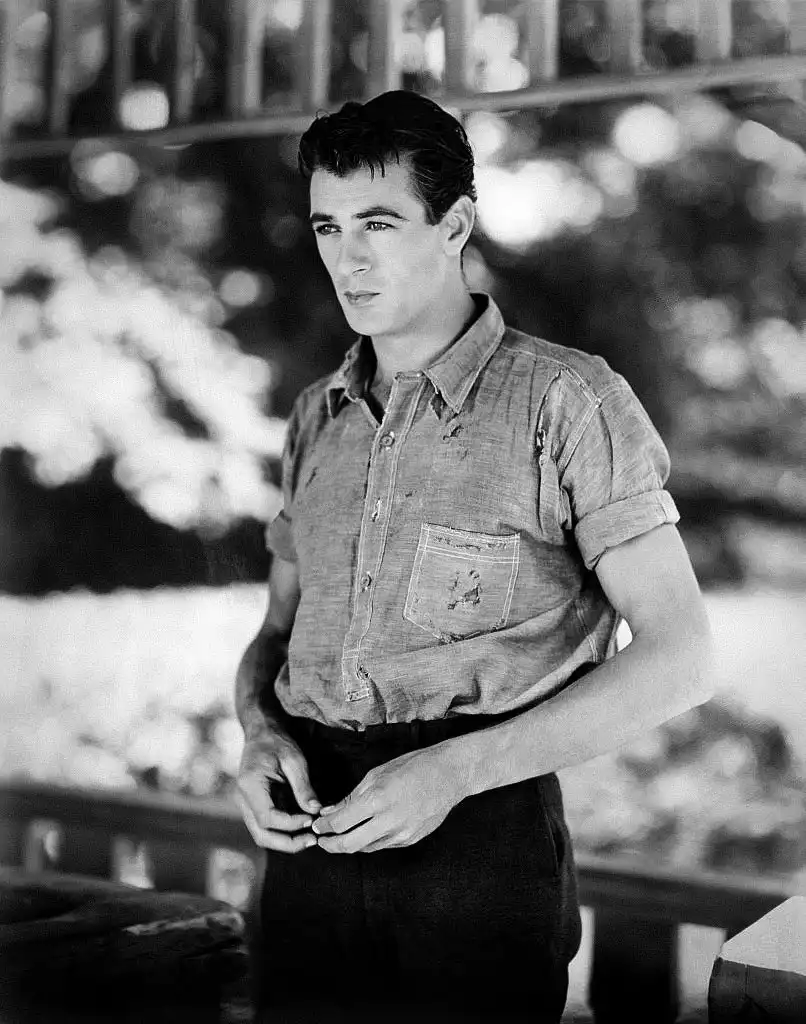
He looks like he belongs on a boat. His physical presence is lanky and rugged, and when he’s hauling nets or navigating the bay, he doesn't look like an actor playing a part—he looks like a man who has spent his life in the sun. It’s this authenticity that carries the film through its more sentimental stretches.
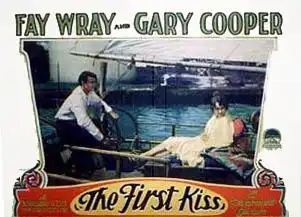
One of the most striking things about The First Kiss is the location shooting in St. Michaels, Maryland. Director Rowland V. Lee clearly understood that the environment was the film's greatest asset. The shots of the oyster fleet moving across the water at dawn aren't just transition shots; they establish the stakes of Mulligan’s life. You can almost smell the brackish water and the wet wood of the docks.
There is a specific visual texture here that you don't get in studio-bound films like The Riddle: Woman. The Talbot family home, while meant to be 'decadent' and crumbling, feels lived-in. The way the light hits the peeling paint and the overgrown weeds in the yard tells you more about the family’s decline than the intertitles ever could. The film excels when it focuses on these textures—the spray of the water during a chase scene or the way the fog rolls in over the marshes.
Where the film struggles is in its middle act. The narrative conceit is that Mulligan is sacrificing his own happiness and legality to turn his brothers into 'gentlemen.' We see a series of vignettes of the brothers—played by the likes of Paul Fix and Leslie Fenton—at school and in the city. These sequences feel rushed and tonally disconnected from the gritty realism of the Bay. The transition from 'lazy bay-rat' to 'refined scholar' happens with a cinematic shorthand that feels unearned.
Furthermore, the 'decadence' of the Talbot family is handled with a bit of a heavy hand. The father’s drinking and the brothers' initial refusal to work are played with a theatricality that clashes with Cooper’s grounded performance. There’s an awkward dinner scene early in the film where the brothers’ buffoonery feels like it belongs in a different, broader comedy. It’s a tonal bump that the film eventually smooths out, but it makes the first twenty minutes feel a bit disjointed.
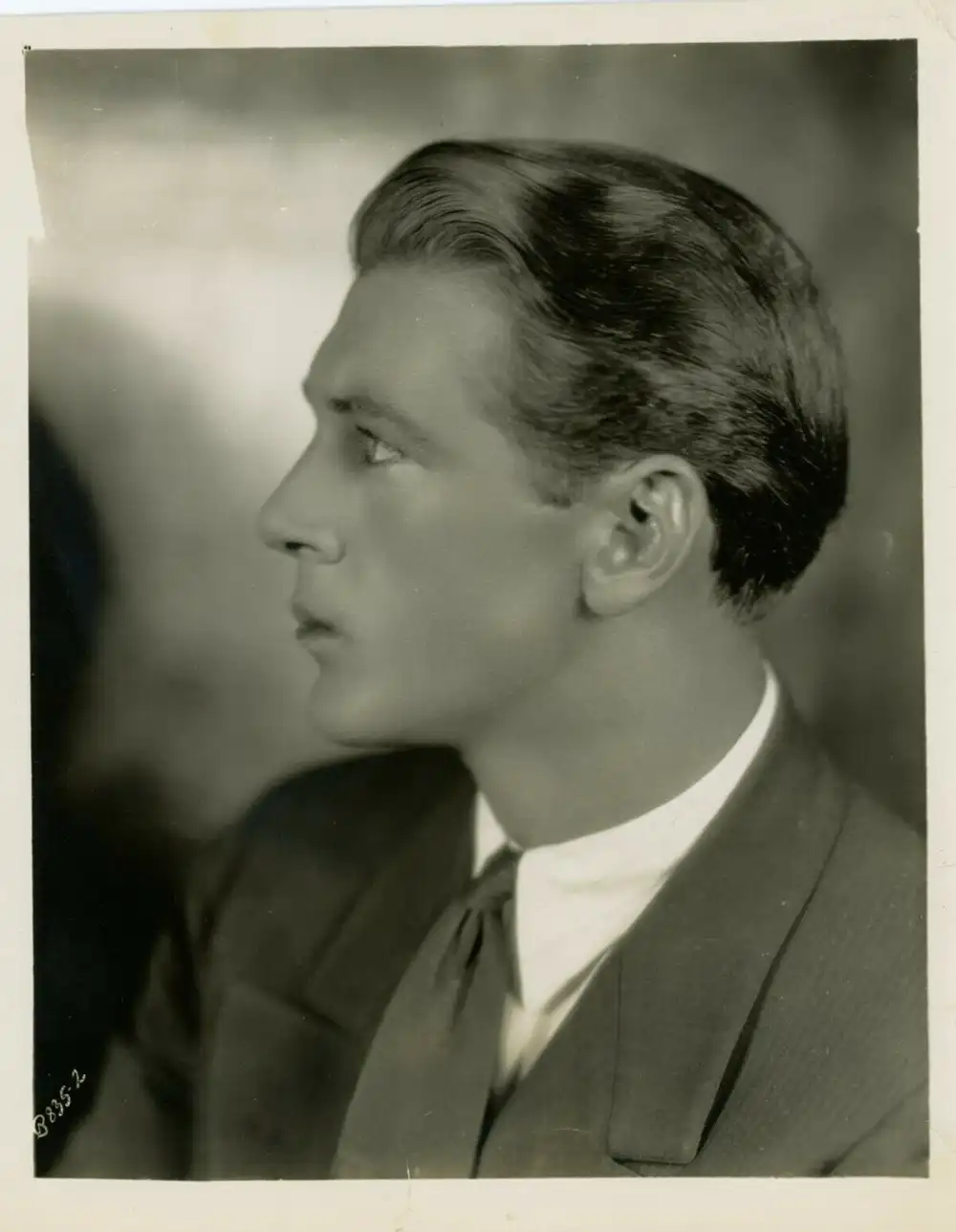
Fay Wray, playing Anna, is luminous but underutilized. Her role is primarily to be the 'prize' at the end of Mulligan’s struggle, a symbol of the high-society life he thinks he wants. However, she and Cooper have a genuine chemistry that saves their scenes from feeling like pure cliché. There is a quiet moment on a bridge where they first acknowledge their feelings—the 'first kiss' of the title—that is handled with surprising restraint. There are no soaring orchestral cues (in the original sense) or frantic editing; it’s just two people in a landscape, and it works because of the simplicity.
The film shifts gears in the final act into a courtroom drama. While this provides the necessary narrative resolution, it’s arguably the least interesting part of the movie visually. After the expansive shots of the Chesapeake, being trapped in a static, crowded courtroom feels claustrophobic in the wrong way. However, it does provide a platform for a final bit of noble sacrifice from Mulligan that cements the film’s themes of honor over legality.
One small detail only a close viewer would notice: during the courtroom scene, pay attention to the background extras. Unlike many films of the era where extras are just static wallpaper, the people in the gallery here feel like actual Maryland locals. Their reactions to the testimony feel lived-in, and their costuming—rough wool coats and battered hats—adds to the film's pervasive sense of place.
The First Kiss isn't a lost masterpiece of the silent era, but it is a highly competent, atmospheric drama that serves as a vital showcase for Gary Cooper’s burgeoning stardom. It manages to take a somewhat soapy plot and ground it in a very real, very specific American landscape. If you can get past the occasionally creaky family dynamics and the rushed middle section, you’ll find a film that is visually beautiful and emotionally sincere.
It’s a reminder that even before sound changed everything, cinema was already mastering the art of the 'sense of place.' The salt air practically leaps off the screen, and for a film nearly a century old, that’s no small feat.
IMDb —
1921
Community
Log in to comment.