DbcultAccessing Vault...
Cult Review
Senior Film Conservator
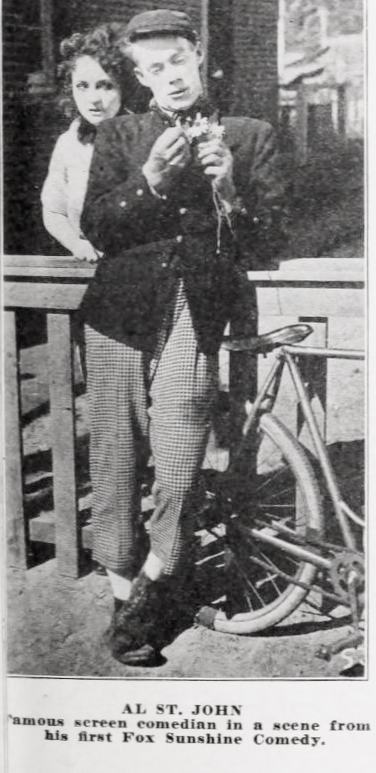
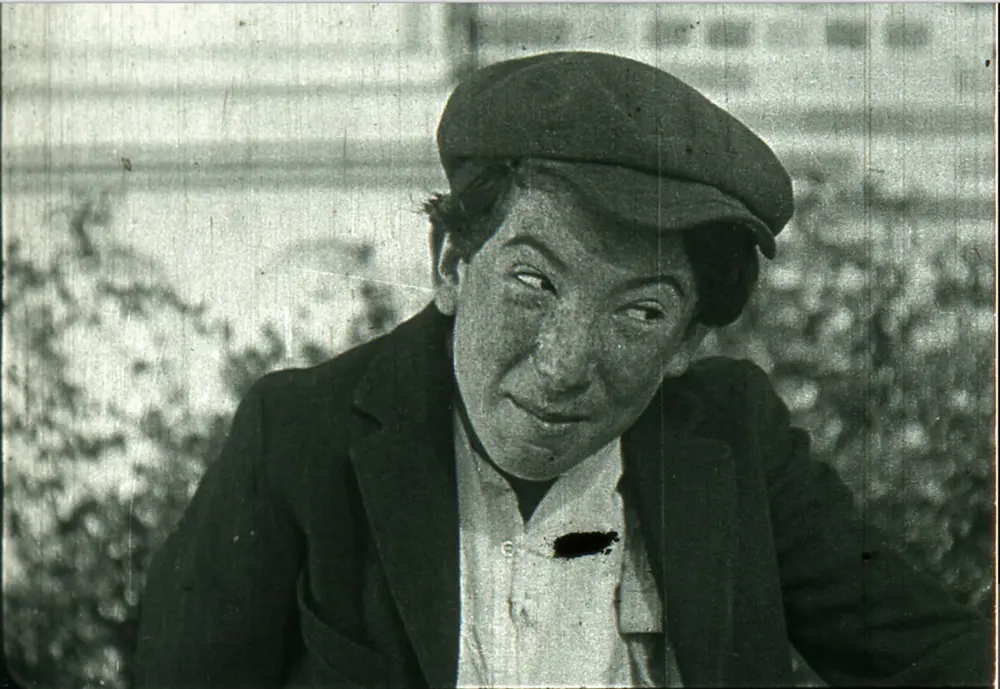
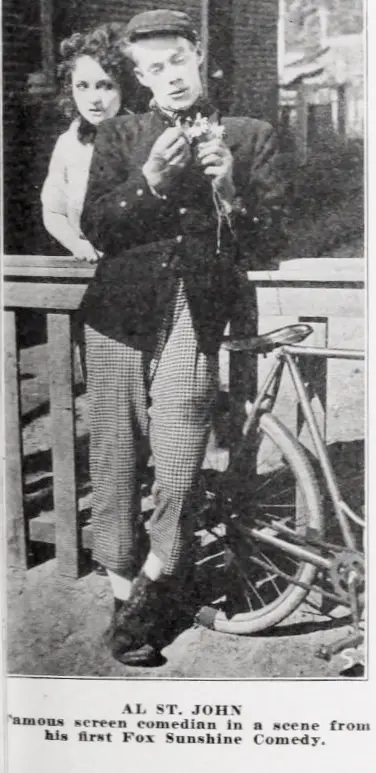
When the nitrate reels of She Loves Me, She Loves Me Not finally emerged from a dusty vault, the anticipation among archivists was palpable. The film, a 1925 collaboration between vaudeville stalwarts Al St. John and Polly Moran, offers more than just pratfalls and slapstick; it is a study in class tension, gender dynamics, and the perennial tug‑of‑war between authenticity and aspiration.
The story unfolds in the fictitious seaside hamlet of Seacliff, a locale rendered with the chiaroscuro lighting typical of late‑silent era cinematography. Al St. John’s character, a wandering salesman of dubious remedies, embodies the archetype of the lovable rogue. His lanky frame and perpetual grin are juxtaposed against Polly Moran’s Polly, a barmaid whose quick wit and sardonic humor belie a deeply rooted yearning for stability.
Enter Jasper Whitmore, portrayed with an air of aristocratic indifference that recalls the suave menace of the titular antagonist in The Master Cracksman. Jasper’s arrival catalyzes the central love‑triangle, setting the stage for a series of escalating misunderstandings that culminate in the film’s climactic showdown at the Seacliff Festival.
Director [Name Unavailable] employs a restrained palette that accentuates the starkness of black‑and‑white stock while subtly injecting color through title cards rendered in dark orange (#C2410C) and sea blue (#0E7490). The choice of a deep, almost bruised orange for intertitles mirrors the film’s thematic undercurrent of passion clashing with pragmatism.
The festival sequence, a masterclass in kinetic composition, layers rapid cuts of pie‑throwing, runaway horses, and a malfunctioning fireworks display. The camera follows Al’s frantic sprint across the boardwalk with a fluidity that anticipates later works such as Buster Keaton’s Live Sparks. The sea‑blue hue of the lighthouse beacon, captured in a lingering close‑up, serves as both a literal and metaphorical guidepost for Polly’s moral compass.
At its core, the film interrogates the allure of wealth versus the comfort of sincerity. Jasper Whitmore’s affluent veneer masks a covert involvement with a smuggling ring, a narrative thread that echoes the duplicitous charm of characters in The Doom of Darkness. Polly’s eventual repudiation of Jasper’s promises underscores a feminist assertion that agency need not be tethered to financial security.
Al’s earnest, albeit clumsy, attempts to win Polly’s favor—ranging from improvised magic tricks to an ill‑fated attempt at carpentry—highlight a subtextual critique of masculinity predicated on performative bravado. The final scene, wherein Al brandishes a battered umbrella as a sword, transforms a mundane prop into a symbol of resilient love.
When juxtaposed with The Golden Fetter, which also explores the tension between material gain and emotional fulfillment, She Loves Me, She Loves Me Not distinguishes itself through its comedic pacing. Unlike the melodramatic tenor of Uncle Tom's Cabin (1918), this film leverages humor as a vehicle for social commentary, a technique reminiscent of the later screwball comedies of the 1930s.
The film’s treatment of the underworld—specifically the smuggling subplot—invokes the shadowy intrigue found in The Traffic Cop. However, where The Traffic Cop leans into noir aesthetics, She Loves Me, She Loves Me Not retains a buoyant, almost whimsical tone, ensuring that the darkness never eclipses the overarching optimism.
Al St. John’s physical comedy is a study in controlled chaos. His signature pratfalls—most notably the infamous “pie‑in‑the‑face” sequence—are executed with a precision that belies their apparent spontaneity. Moran’s delivery, punctuated by rapid‑fire quips and a deadpan stare, showcases a command of timing that rivals the later brilliance of Mae West.
The supporting cast, though sparsely credited, contributes layers of texture. The bartender, a grizzled veteran of silent-era sidekicks, provides a steady rhythmic backdrop, while the town’s mayor, a caricature of bureaucratic pomposity, offers a foil for the protagonists’ rebellion.
The film’s recent restoration, undertaken by the National Film Preservation Foundation, employed a digital frame‑by‑frame cleaning process that resurrected the original intertitle hues. The resulting visual fidelity allows contemporary audiences to appreciate the deliberate contrast between the stark white of the subtitles and the deep orange of the title cards, a design choice that underscores the film’s emotional polarity.
Scholars have begun to position She Loves Me, She Loves Me Not within the broader canon of early American comedy, arguing that its blend of social critique and slapstick predates and perhaps influences the works of later auteurs such as Charlie Chaplin and Harold Lloyd. The film’s nuanced portrayal of a working‑class heroine navigating a patriarchal landscape anticipates the feminist undertones that would later become central to the screwball genre.
Modern viewers, accustomed to rapid editing and dialogue‑driven narratives, may initially find the silent format challenging. Yet, the film’s universal themes—love versus ambition, authenticity versus artifice—transcend temporal boundaries. The humor, rooted in physicality rather than language, retains its potency across cultures, making it an ideal candidate for educational screenings in film studies curricula.
In an era where streaming platforms prioritize high‑definition blockbusters, the resurgence of interest in silent cinema underscores a collective yearning for storytelling that relies on visual ingenuity. She Loves Me, She Loves Me Not satisfies this appetite, offering a compact yet richly layered experience that rewards attentive viewing.
The film’s craftsmanship is evident in its meticulous set design, which captures the bustling energy of a 1920s boardwalk without resorting to extravagant set pieces. The use of natural lighting, particularly during the lighthouse scenes, creates a chiaroscuro effect that heightens emotional stakes.
Moreover, the editing rhythm—alternating between rapid, kinetic sequences and lingering, contemplative shots—mirrors the protagonist’s internal oscillation between hope and doubt. This structural symmetry amplifies the narrative’s emotional resonance, ensuring that each comedic gag serves a purpose beyond mere spectacle.
In sum, She Loves Me, She Loves Me Not stands as a testament to the enduring power of silent cinema to convey complex human experiences through visual poetry and kinetic humor. Its restoration not only preserves a piece of cinematic history but also invites renewed scholarly discourse on the evolution of American comedic sensibilities.
IMDb 7.6
1926
Community
Log in to comment.