DbcultAccessing Vault...
6.4/10
Senior Film Conservator
A definitive 6.4/10 rating for a film that redefined the boundaries of cult cinema. The Fleet's In remains a cornerstone of transgressive art.
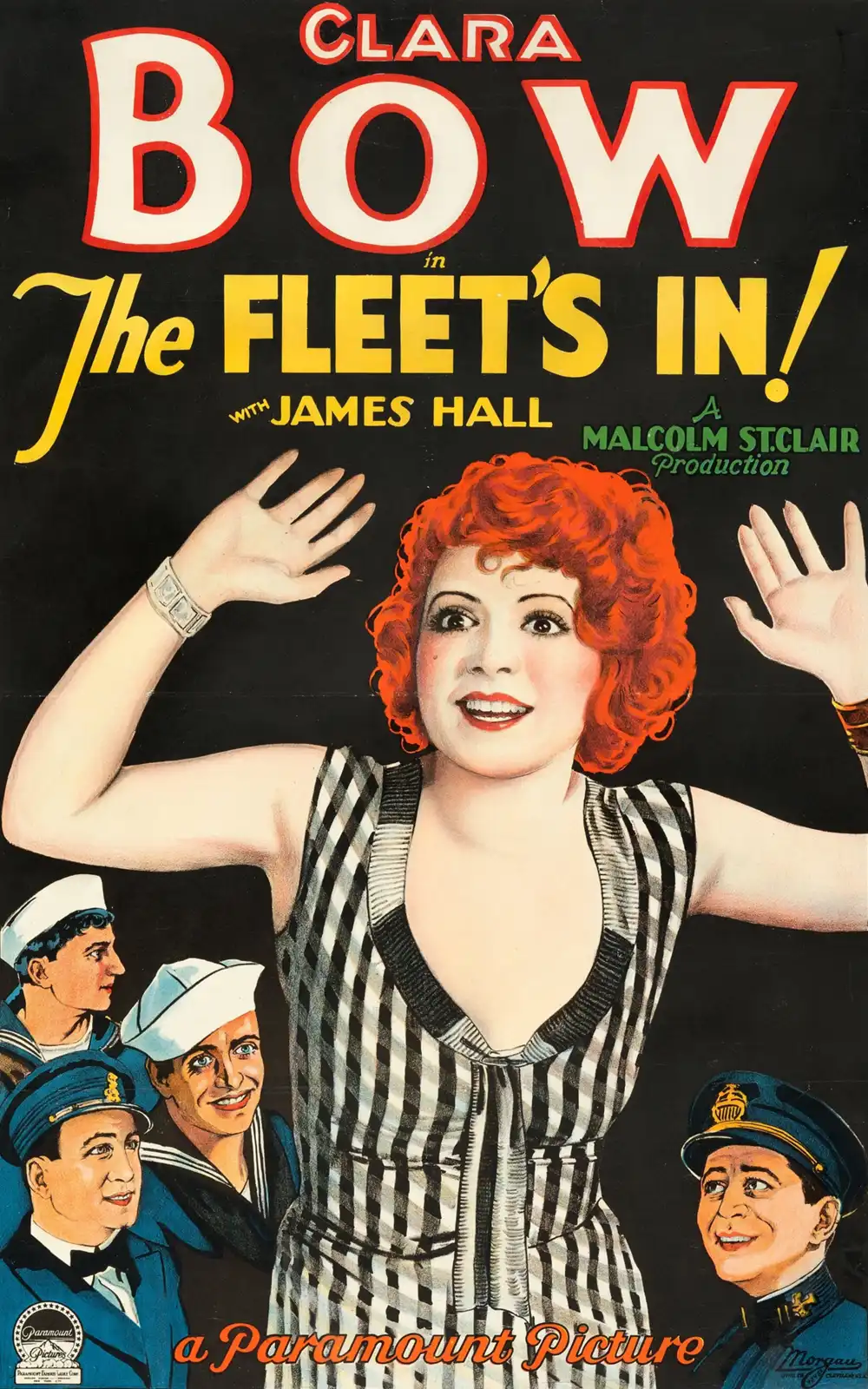
If you want to understand why Clara Bow was the most magnetic screen presence of the 1920s, The Fleet's In is a better case study than many of her more famous flapper comedies. It is worth watching today primarily for her; she doesn't just act, she vibrates on screen with an energy that feels modern even a century later. This is a film for fans of silent-era character studies and anyone interested in the social history of the 'taxi dancer.' It will likely bore those who need high-octane plots or those who find the 'misunderstood woman' trope frustratingly dated.
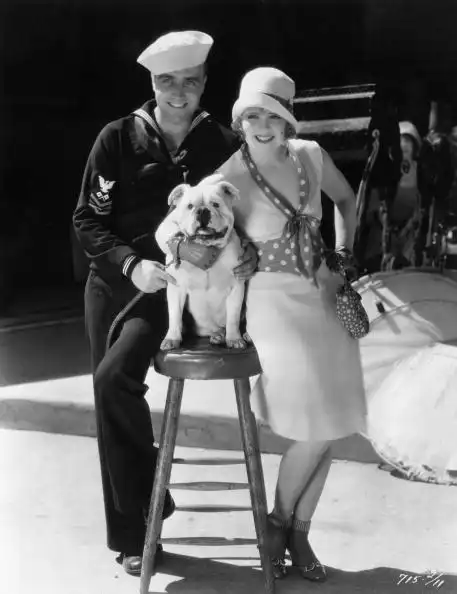
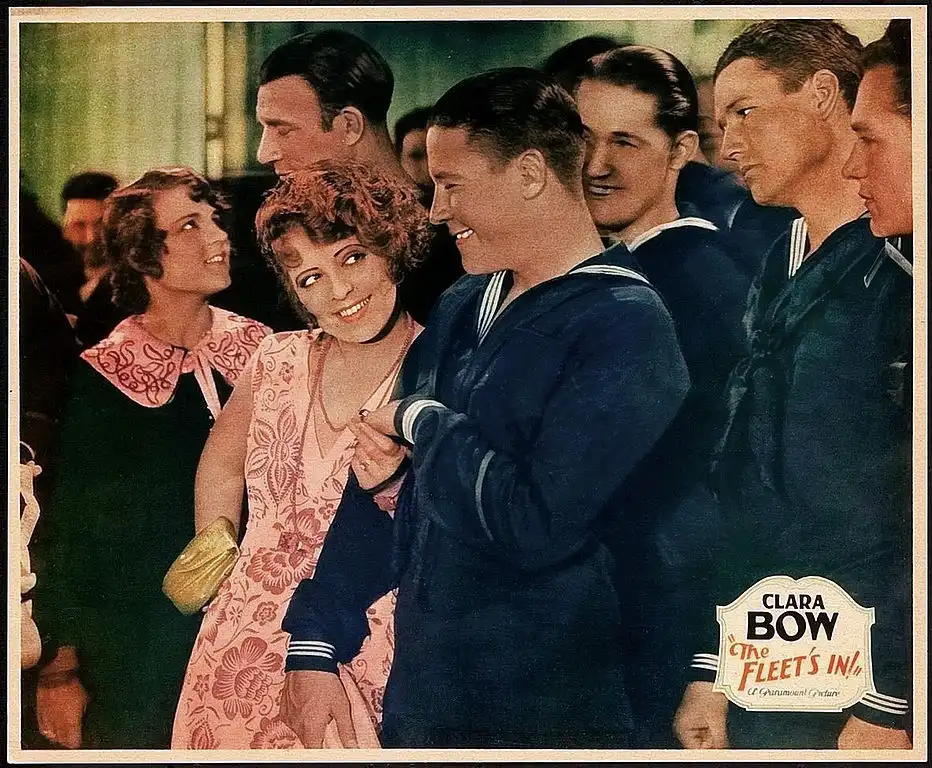
The film lives and dies by Clara Bow’s performance as Trixie. From the moment she appears, the camera seems to track her with a different kind of intensity than it affords the rest of the cast. There is a specific scene early on in the dance hall where she is juggling multiple partners, and you can see the mechanical nature of her job—the way she handles the dance tickets with a practiced, almost bored dexterity—contrasted with the sparkle she puts on for the customers. It’s a grounded piece of acting that tells you everything about her character's survival instincts before a single line of dialogue is needed.

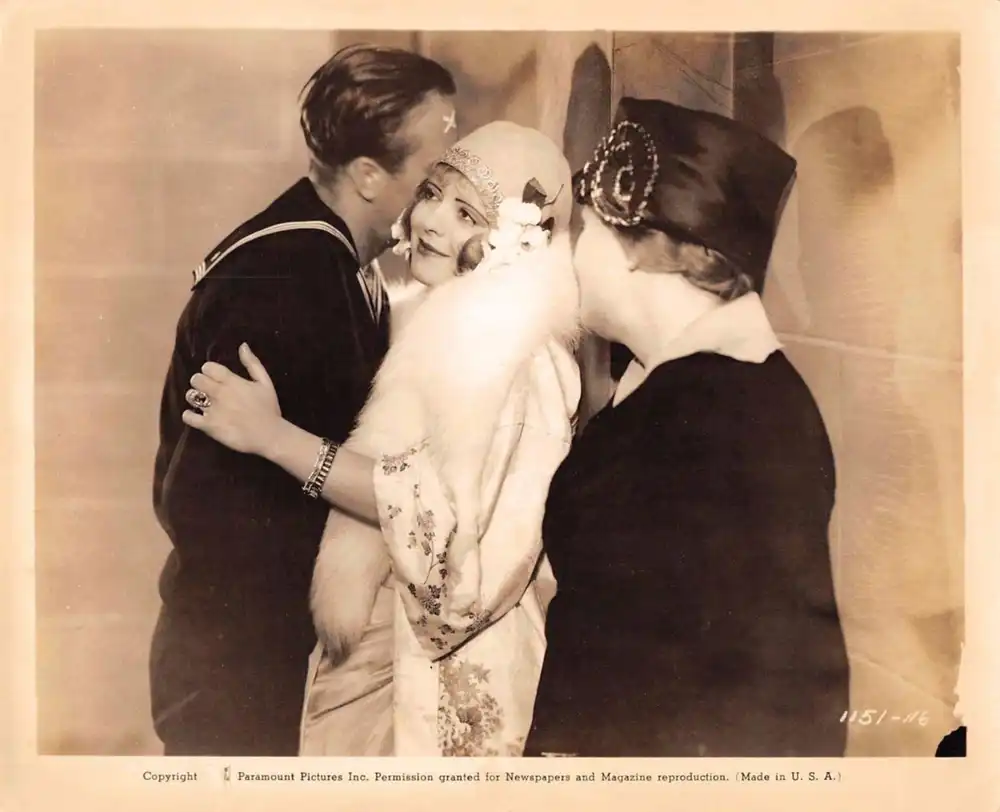
Bow’s face is an open book of micro-expressions. When she looks at James Hall’s Eddie, you see the genuine vulnerability of a girl who is used to being looked at but not seen. It’s this emotional transparency that keeps the film from feeling like a generic melodrama. Without her, the plot—which hinges entirely on a man being too dense to realize a girl can have a job and a moral code—would be insufferable.
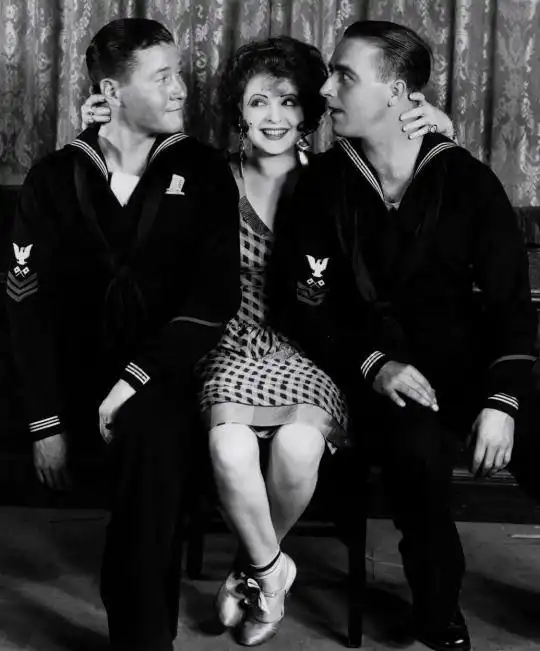
While Bow is the star, The Fleet's In is also notable for the film debut of Jack Oakie. Playing 'Searchlight,' Eddie’s pal, Oakie brings a brand of comedy that feels remarkably fresh. He has a way of reacting to the chaos around him with a raised eyebrow or a double-take that feels less like the exaggerated pantomime of the silent era and more like the conversational comedy of the 1930s. His chemistry with Bow is infectious; they share a rhythm that suggests they were genuinely having fun on set. Every time the movie threatens to get too bogged down in Eddie’s brooding, Oakie pops in to lighten the atmosphere.
The direction by Malcolm St. Clair captures the chaotic, sweaty atmosphere of the dance hall with surprising effectiveness. The lighting is often harsh and flat in the public spaces, emphasizing the transactional nature of the environment, but it softens considerably in the private moments between Trixie and Eddie. There’s a specific visual choice during a brawl scene where the camera stays relatively low, catching the scuffle of boots and the swaying of the crowd, which makes the sequence feel more like a documentary than a staged fight.
The editing rhythm in the first act is brisk, mimicking the fast-paced life of a girl on the clock. However, the film does hit a significant speed bump in the second act. Once the central misunderstanding is established—Eddie thinks Trixie is 'fast' because of her job—the movie loops the same emotional beats. We get several scenes of Trixie looking pained and Eddie looking judgmental that could have been condensed. The pacing drags here, and you might find yourself wishing the fleet would just ship out already so the plot can move toward its resolution.
One of the more interesting aspects of the film is its refusal to sugarcoat the social stakes for women like Trixie. Unlike some other films of the era, such as The Prince and Betty, which lean into more fantastical romantic tropes, The Fleet's In feels rooted in a certain urban reality. The way the other sailors talk about the girls, and the way the 'respectable' characters recoil from the dance hall, reflects a very real 1920s anxiety about women in the workforce.
There is a small, quiet moment where Trixie is alone in her room, looking at her reflection and adjusting her hair, that feels incredibly lonely. It’s a sharp contrast to the sequined, smiling girl we see on the dance floor. This specific observation—the exhaustion behind the glamour—is what elevates the film above standard studio fare. It reminds me of the grounded character work seen in The Untamed, where the environment dictates the character's internal struggle.
The Fleet's In isn't a masterpiece of silent cinema, but it is a top-tier star vehicle. Its flaws are the flaws of its time: a repetitive middle section and a male lead who is far less interesting than the woman he’s pursuing. James Hall is perfectly fine, but he’s essentially a mannequin for a sailor suit, lacking the spark that Bow and Oakie bring to every frame.
Watch it for the historical snapshot of the dance hall culture and for Clara Bow’s undeniable charisma. She handles the tonal shifts from comedy to pathos with a grace that few of her contemporaries could match. It’s a film that understands the difference between a person's job and their soul, and even if the ending feels a bit too neatly tied up, the journey there is vibrantly alive. If you are looking for a place to start with late-period silent films, this is a much more accessible and entertaining entry point than many of the more 'intellectual' classics.
IMDb 6.5
1917
Community
Log in to comment.