DbcultAccessing Vault...
Cult Review
Senior Film Conservator
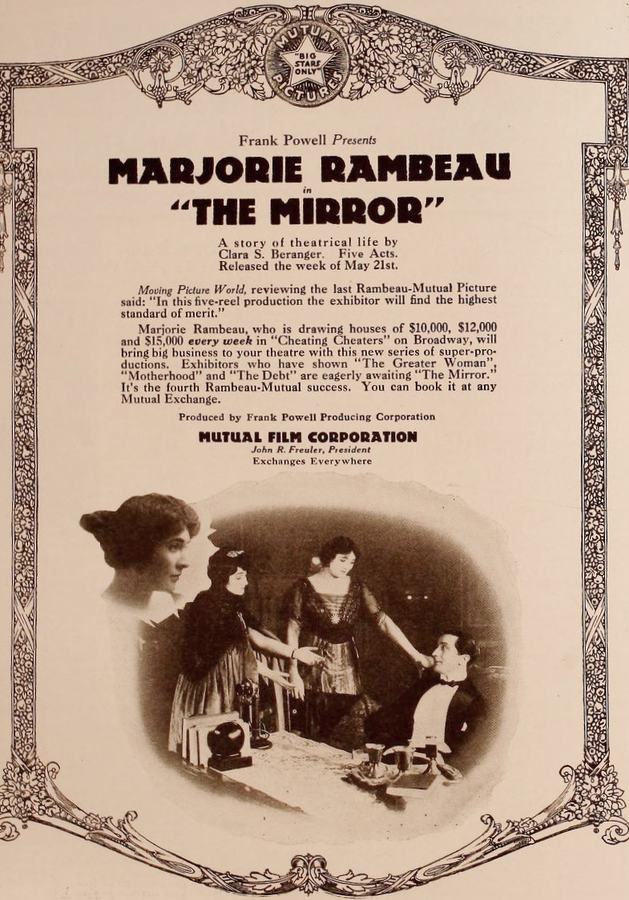
Stepping back into the nascent days of cinema, when flickering images and evocative intertitles did the heavy lifting of storytelling, we encounter The Mirror (1915). This isn't just another relic from the silent era; it's a profound psychological exploration, a cinematic reverie that delves into the very fabric of desire, ambition, and the often-fragile boundary between waking life and the subconscious realm. While many films of its time focused on grand narratives or melodramatic escapades, Clara Beranger's astute writing for The Mirror offers a surprisingly nuanced study of a woman's internal world, proving that even a century ago, cinema was capable of plumbing the depths of the human psyche with remarkable insight. It's a testament to the enduring power of a well-crafted narrative, even when stripped of spoken dialogue and saturated with the stylistic flourishes of an era long past.
The film's very title, The Mirror, is a potent symbol, immediately setting the stage for themes of self-perception, vanity, and perhaps, a portal to an alternate reality. Our protagonist, Blanche Merrill, portrayed with captivating grace by Marjorie Rambeau, initially appears as the supportive, handsome wife of Bob, a striving artist. Their life, while perhaps not opulent, seems grounded in mutual affection and shared ambition. The pivotal moment arrives when Bob, in a flash of artistic inspiration, insists on painting Blanche's portrait as she stands before a mirror. This act is more than just a domestic scene; it's a symbolic genesis. The mirror, a common object, transforms into a catalyst, reflecting not just Blanche's physical form but perhaps her nascent, unacknowledged desires. It's in this moment, under her husband's artistic gaze, that her image transcends the personal and enters the public sphere, becoming an object of fascination for others.
The painting's exhibition is the next logical step in this unfolding drama. It serves as a bridge, connecting the intimate world of the Merrill household with the glittering, often superficial, world of public acclaim. Here, the painting catches the eye of Boyd, a theatrical manager and notorious playboy. Boyd represents everything Bob is not: established, wealthy, and seemingly unburdened by the struggles of artistic integrity. He embodies the allure of the fast life, the promise of instant gratification and dazzling success. His pursuit of Blanche, initiated by her painted image, underscores the film's commentary on how external validation and the promise of a glamorous career can tempt individuals away from simpler, more profound commitments. It's a classic Faustian bargain, albeit one played out within the confines of a silent film, where glances and gestures speak volumes about unspoken desires.
Marjorie Rambeau's performance as Blanche is the beating heart of The Mirror. In an era where acting could often err on the side of theatrical over-exaggeration, Rambeau delivers a nuanced portrayal of a woman torn between duty and desire. Her initial innocence and quiet contentment as Bob's wife slowly give way to a palpable yearning for something more, a subtle shift in her demeanor that speaks volumes without a single word. When she succumbs to Boyd's enticing promises, Rambeau’s transformation is gradual but convincing. We see her revel in the trappings of luxury, her expressions shifting from wide-eyed wonder to a more jaded, sophisticated demeanor. Yet, beneath the veneer of indulgence, Rambeau masterfully conveys a burgeoning sense of unease, a gnawing emptiness that hints at the superficiality of her new life. This internal conflict, conveyed through subtle changes in posture, facial expressions, and the intensity of her gaze, is critical to the film's success. It allows the audience to empathize with Blanche's journey, recognizing the universal human struggle with temptation and the search for genuine fulfillment.
Robert Elliott, as the steadfast artist Bob, provides a crucial anchor to reality. His quiet strength and unwavering devotion stand in stark contrast to Boyd's flashy superficiality. While his role is less overtly dramatic than Rambeau's, his presence is vital for establishing the emotional weight of Blanche's transgression, however imagined. Paul Everton's Boyd is the quintessential silent film villain, charming yet predatory, exuding an air of dangerous allure. His performance effectively encapsulates the seductive power of worldly temptations, making Blanche's choices, even in a dream, understandable. The interplay between these three central performances elevates The Mirror beyond a simple morality tale, transforming it into a compelling character study.
The film's ultimate reveal – that Blanche's entire scandalous escapade was merely a dream – is its most daring and enduring narrative device. This 'it was all a dream' trope, while sometimes criticized as a narrative cop-out in modern storytelling, functions brilliantly within the context of The Mirror. It transforms the film from a straightforward melodrama into a profound psychological drama, inviting audiences to ponder the nature of desire, regret, and the subconscious mind. The dream sequence allows the film to explore themes of infidelity, moral decay, and the emptiness of superficial success without the irreversible consequences that a waking reality would entail. Blanche's awakening in her husband's arms is not just a return to reality; it's a symbolic rebirth, a reaffirmation of her true values, presumably cleansed by the vivid nightmare of her imagined transgressions.
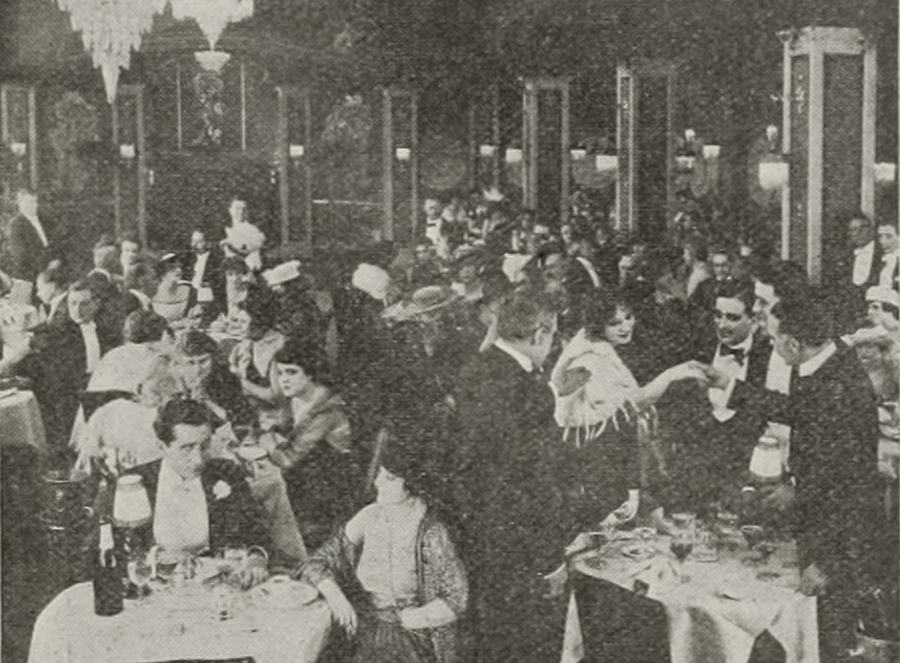
This dream structure is not without its precedents in early cinema, though The Mirror executes it with particular elegance. The film uses the dream to offer a safe space for Blanche to explore her unfulfilled desires and fears, illustrating the psychological battles waged within. It's a clever way to present a woman's internal conflict and societal pressures without condemning her outright. The dream serves as a cathartic experience, allowing Blanche to live out the consequences of her choices vicariously, ultimately leading her back to the comfort and security of her marital bond, presumably with a newfound appreciation for her existing life. This narrative choice speaks to a deeper understanding of human nature, acknowledging that even the most contented individuals might harbor fleeting fantasies of alternative lives.
The craftsmanship of The Mirror, typical of its era, relies heavily on visual storytelling and the expressive power of its actors. Silent films, often underestimated today, possessed a unique lexicon of gestures, facial expressions, and symbolic imagery that could convey complex emotions and narrative developments with surprising clarity. The use of intertitles, while necessary for dialogue and plot exposition, is judiciously balanced with purely visual sequences, allowing the audience to interpret and engage with the story on a deeper, more visceral level. The film's pacing, while perhaps slower than contemporary audiences are accustomed to, allows for a deliberate unfolding of Blanche's internal journey, emphasizing the psychological weight of her choices and the gradual onset of her disillusionment.
Cinematographically, the film likely employed techniques common to the period: static shots giving way to closer framing for emotional impact, and perhaps some rudimentary special effects to differentiate the dream sequence from reality, though the narrative itself does most of this work. The focus remains squarely on the performances, particularly Marjorie Rambeau's ability to project inner turmoil and evolving desires through her eyes and body language. This reliance on non-verbal communication is where silent cinema truly shines, forcing actors to master a physical eloquence that transcends mere dialogue. The impact of the film's climax, Blanche's sudden awakening, is entirely dependent on Rambeau's ability to convey both shock and profound relief, a testament to her skill as a performer.
Beyond its narrative ingenuity and strong performances, The Mirror offers fascinating insights into the societal expectations and anxieties of the early 20th century. It speaks to the burgeoning desires for female independence and professional fulfillment, even as it subtly reinforces the sanctity of traditional marital bonds. Blanche's dream of a theatrical career, while ultimately revealed as a fantasy, reflects a real-world yearning for women to break free from domestic confines and achieve public recognition. The conflict between the artist's humble integrity (Bob) and the playboy's commercial success (Boyd) also resonates, touching upon timeless debates about authenticity versus superficiality in the pursuit of success. In this regard, one might draw parallels to films like Du Barry, another film that explores the rise and fall of a woman through societal pressures and grand aspirations, albeit in a historical context. The underlying tension between personal ambition and marital fidelity is a theme that remains perennially relevant, making The Mirror a surprisingly modern film in its thematic concerns.
The film also touches upon the concept of 'The Writing on the Wall', not literally, but in the sense of Blanche's subconscious projecting her anxieties and desires into a vivid, cautionary tale. Her dream serves as a personal premonition, a vivid exploration of a path she might have taken, and the emotional cost it would entail. This psychological depth elevates it beyond simple entertainment, offering a contemplative experience for its audience. The film, in its quiet way, suggests that true contentment often lies not in the pursuit of external glamour but in the appreciation of existing affections and the integrity of one's chosen path. It's a gentle reminder that sometimes, the grass isn't greener on the other side, especially when that 'other side' is merely a construction of our own restless minds.
In conclusion, The Mirror stands as a compelling example of early cinema's capacity for sophisticated storytelling and psychological nuance. Clara Beranger's script, brought to life by Marjorie Rambeau's expressive performance, crafts a narrative that transcends its silent film origins to explore universal human themes. It's a fascinating journey into the subconscious, a cautionary tale wrapped in a dream, and a testament to the enduring power of visual storytelling. For enthusiasts of classic cinema, or anyone interested in the evolution of psychological drama on screen, The Mirror offers a captivating glimpse into a bygone era, proving that even without a single spoken word, a film can speak volumes about the intricate workings of the human heart and mind. It's a reflection worth revisiting, offering insights that resonate even a century later.
IMDb —
1928
Community
Log in to comment.