DbcultAccessing Vault...
6.2/10
Senior Film Conservator
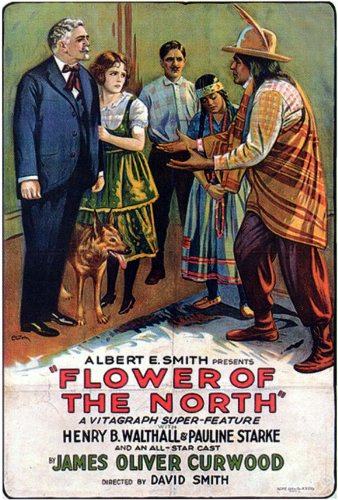
A definitive 6.2/10 rating for a film that redefined the boundaries of cult cinema. The Flower of the North remains a cornerstone of transgressive art.
Stepping back into the cinematic landscape of 1921, one encounters a fascinating tapestry of storytelling, where grand narratives unfolded without the spoken word, relying instead on the evocative power of gesture, expression, and the rhythmic cadence of intertitles. Among these treasures is The Flower of the North, a film that, even a century later, retains a certain raw magnetism. It’s a testament to the era's robust appetite for frontier adventure, corporate intrigue, and the timeless dance of romance and peril. Based on the works of James Oliver Curwood, a master chronicler of the Northwoods, this picture plunges us headfirst into a rugged world where fortunes are made and lost, and human dramas play out against the breathtaking, often unforgiving, backdrop of the Northwest.
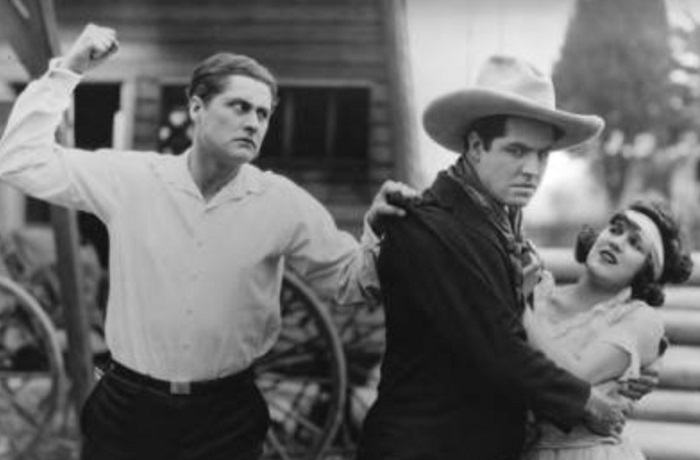
At its core, The Flower of the North is a narrative driven by the relentless march of progress—specifically, the expansion of the railroad into pristine territories. Two rival agents, Philip Whittemore, portrayed with earnest heroism by the venerable Henry B. Walthall, and the nefarious Thorpe, brought to life with chilling effectiveness by Harry Northrup, descend upon the Northwest with a singular objective: to secure the crucial right-of-way from the enigmatic D'Arcambal (Emmett King). This corporate quest, however, quickly morphs into a far more personal and perilous saga. Whittemore, a figure of classic silent-era virtue, arrives first, only to be met with D'Arcambal’s icy resistance. It’s a compelling setup, immediately establishing the high stakes and the formidable personality of the man who holds the key to railroad expansion. The initial standoff, however, is dramatically shattered when Whittemore, with a flash of selfless bravery, rescues D'Arcambal's spirited daughter, Jeanne (Pauline Starke), from the jaws of a raging rapids. This act of heroism is a pivotal moment, shifting the narrative from mere business negotiations to a burgeoning human connection, forging an unspoken bond that transcends the immediate corporate objective.
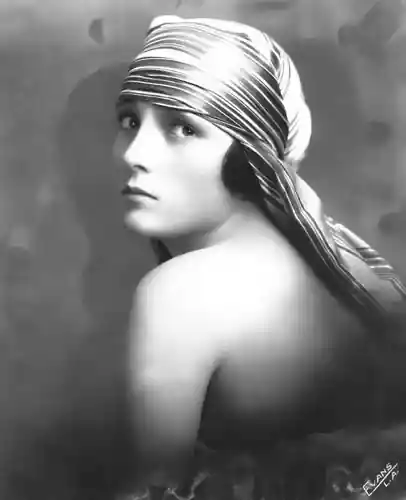
Just as a fragile trust begins to blossom between Whittemore and D'Arcambal, the narrative takes a sharp, villainous turn with the arrival of Thorpe. Northrup’s portrayal of Thorpe is a masterclass in silent film villainy—a character whose sinister intentions are conveyed through sharp glances and menacing postures, requiring no dialogue to articulate his depravity. Thorpe doesn’t merely seek to outmaneuver Whittemore; he descends to outright abduction, seizing Jeanne and audaciousy proclaiming himself her true father. This dramatic escalation introduces a deeply personal, almost Gothic, layer to the corporate rivalry, revealing a dark chapter from D'Arcambal’s past. It’s unveiled that Thorpe had years prior absconded with D'Arcambal’s wife, a revelation that casts a long, unsettling shadow over the present conflict. The film cleverly uses this backstory to deepen the stakes, transforming a simple land dispute into a battle for family honor and identity. This kind of melodramatic twist was a staple of the era, seen in films like The Secret Kingdom, where hidden lineages and past transgressions often served as the engine for the plot, adding layers of emotional complexity to outwardly simple narratives.
In this maelstrom of deceit and familial strife, the character of Pierre, played by Joe Rickson, emerges as a crucial figure, embodying the trope of the 'wise native' often seen in early frontier narratives. It is Pierre, a half-breed, whose intimate knowledge of the land and its inhabitants, coupled with his innate sense of justice, becomes the linchpin in unraveling Thorpe's elaborate deception. His testimony, delivered with quiet conviction, definitively proves Jeanne's true parentage, reaffirming her rightful place as D'Arcambal’s daughter. This moment is not merely a plot device; it serves as a powerful affirmation of truth prevailing over falsehood, a common and deeply satisfying thematic resolution in films of this period. Pierre's role also subtly touches upon the complex racial dynamics of the era, presenting a character who, despite being marginalized by society, possesses a moral compass sharper than many of the 'civilized' characters.
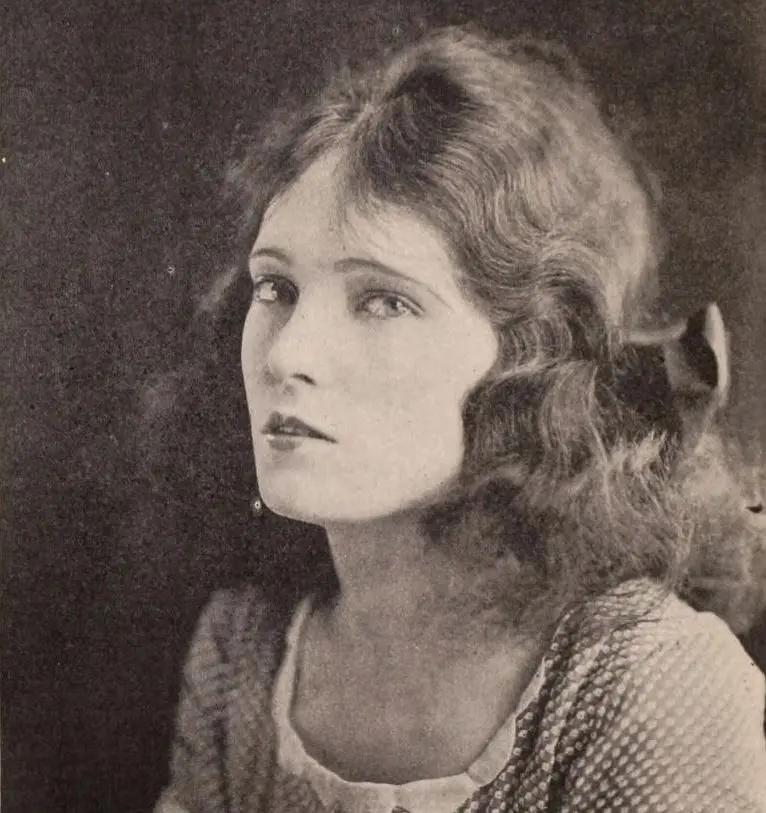
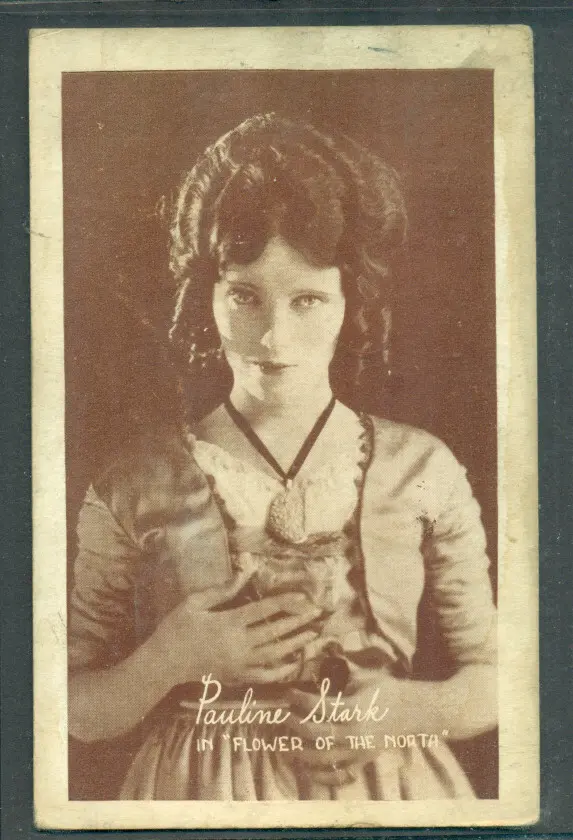
While often depicted as the archetypal damsel in distress, Pauline Starke's Jeanne D'Arcambal is far from passive. Her confinement by Thorpe, a situation that could easily render a character helpless, instead sparks her ingenuity. In a moment of sheer resourcefulness, she manages to light a signal fire, a beacon of hope piercing the vast wilderness. This act is a potent symbol of agency, demonstrating that even within the restrictive narrative constraints placed upon female characters of the time, there was room for spirited defiance. The signal fire, a classic frontier trope, serves not only as a dramatic visual but also as a catalyst for her rescue by the Native Americans, who, in this narrative, are portrayed as allies and instruments of justice. This portrayal contrasts with more antagonistic depictions of indigenous peoples in some contemporary films, offering a nuanced perspective that aligns with Curwood's often romanticized view of wilderness life and its inhabitants. Her ability to act decisively in peril mirrors the adventurous spirit found in heroines of other silent era dramas, perhaps even hinting at the burgeoning independence that would define female characters in later decades.
The success of any silent film hinges entirely on the expressive power of its cast, and The Flower of the North is no exception. Henry B. Walthall, a veteran of the screen, brings a dignified intensity to Philip Whittemore. His nuanced facial expressions and deliberate movements convey a profound sense of purpose and integrity, making him a truly sympathetic hero. Walthall, known for his iconic role as the Little Colonel in The Birth of a Nation, understood the intricate ballet of silent acting, using his entire physicality to communicate character. Pauline Starke, as Jeanne, is equally compelling. She imbues her character with a blend of vulnerability and resilience, making her plight deeply felt and her moments of triumph genuinely earned. Her wide, expressive eyes and graceful gestures tell a story of innocence threatened but ultimately triumphant. Harry Northrup’s Thorpe is a deliciously despicable villain, his every sneer and menacing glance perfectly calibrated to evoke audience antipathy. The supporting cast, including Emmett King as the initially stern D'Arcambal and Joe Rickson as the sagacious Pierre, contribute significantly to the film’s rich tapestry, each performance a testament to the unique demands of silent-era acting, where grand gestures often concealed subtle emotional currents. Their collective ability to convey complex emotions and propel the narrative forward without a single spoken line is a powerful reminder of the artistry inherent in early cinema, much like the ensemble work seen in adventurous serials such as Heroes All, where physical prowess and clear emotional beats were paramount.
The narrative's robust construction owes much to its source material by James Oliver Curwood, adapted for the screen by Bradley J. Smollen. Curwood was celebrated for his vivid depictions of the Canadian wilderness and his tales of adventure, survival, and moral rectitude set against untamed landscapes. His influence is palpable throughout The Flower of the North, lending it an authentic sense of place and a narrative rhythm that mirrors the wildness of its setting. The conflict between civilization (the railroad) and nature, as well as the moral ambiguities of human nature when stripped bare by harsh environments, are classic Curwoodian themes. Smollen's adaptation manages to distill the essence of Curwood's expansive prose into a visually compelling silent film, ensuring that the spirit of the original work is not lost in translation. This fidelity to source material was often a hallmark of successful adaptations in the silent era, where the visual language had to carry the weight of literary complexity, a challenge also navigated by adaptations like If I Were King which brought historical romance to the screen with similar dramatic flair.
Beyond its captivating story and performances, The Flower of the North offers glimpses of genuine cinematic craft. The cinematography, though perhaps not groundbreaking by today's standards, effectively captures the grandeur and isolation of the Northwest. The scenes involving the rapids are particularly well-executed, conveying a tangible sense of peril and urgency. The use of natural light and expansive outdoor shots contributes significantly to the film’s immersive quality, pulling the viewer into this rugged world. The intertitles, crucial conduits of narrative information and character dialogue, are judiciously employed, providing just enough context without overwhelming the visual storytelling. The editing maintains a steady pace, building suspense during the conflict sequences and allowing moments of emotional resonance to breathe. While perhaps not as experimental as some European films of the era, the film's visual language is clear, purposeful, and effective in delivering its dramatic beats. The raw beauty of the landscapes and the dynamic action sequences evoke a similar spirit of outdoor adventure found in films like Trumpet Island, where the natural environment becomes an integral part of the narrative's tension and allure.
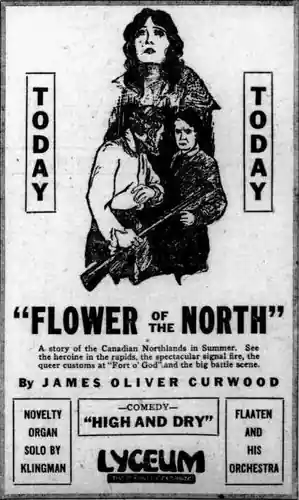
Ultimately, The Flower of the North culminates in a satisfying resolution, as Whittemore and Jeanne are united in marriage, sealing their romance amidst the triumph of justice. It’s a classic Hollywood ending, providing closure to the intricate web of corporate ambition, familial betrayal, and personal heroism. The film, while rooted in the specific conventions of its time, touches upon universal themes: the struggle between good and evil, the power of love to overcome adversity, and the enduring human quest for truth and belonging. It reminds us that even in an era without synchronized sound, cinema possessed an extraordinary capacity to transport audiences, to stir emotions, and to tell stories that resonated deeply. For modern viewers, it offers a fascinating window into the early days of filmmaking, showcasing the foundational elements of narrative structure and character development that continue to inform cinema today. It's a film that, despite its age, still manages to bloom with the vibrant energy of a well-told tale, much like the enduring charm of romantic dramas such as Silks and Satins, which also explored societal expectations and personal desires.
In an age where cinematic experiences are often defined by technological spectacle, revisiting a film like The Flower of the North is a refreshing exercise in appreciating the fundamentals. It’s a compelling argument for the enduring power of visual storytelling, for the nuanced performances that transcend the absence of dialogue, and for the timeless appeal of a hero’s journey intertwined with a damsel’s defiance. This silent masterpiece, with its vivid characters and dramatic wilderness setting, continues to captivate, proving that some stories, like the untamed spirit of the North, possess an everlasting allure, a testament to the craft of early cinema and the powerful narratives it brought to life.
IMDb —
1926
Community
Log in to comment.