DbcultAccessing Vault...
Cult Review
Senior Film Conservator
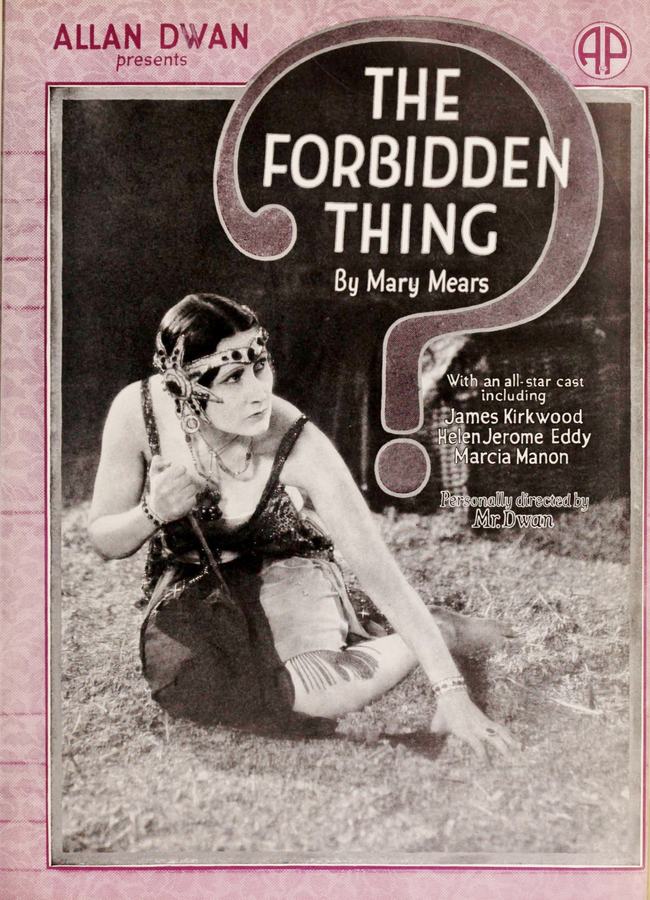
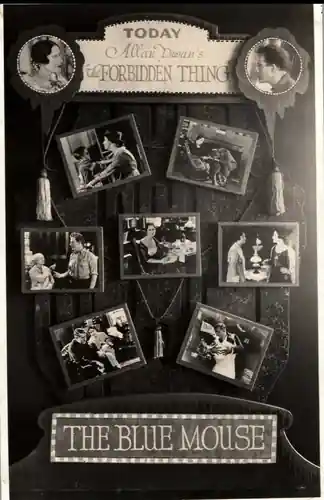
The Forbidden Thing, a 1920 silent film, is a masterpiece of cinematic storytelling that delves into the complexities of human nature, exploring the contradictions that often define us. The film's narrative is a rich tapestry woven from the threads of love, loss, and redemption, set against the backdrop of a conservative community where social norms are stringent and unyielding.
At the heart of the story is Abel Blake, portrayed by King Baggot, a man of strong Puritanical values who finds himself at the crossroads of destiny when his fiancée, Joan, is called away to care for her sick uncle. This temporary separation proves to be a pivotal moment in Abel's life, as he falls under the corrupting influence of his friends and the seductive charms of Glory Prada, played by Helen Jerome Eddy.
The character of Glory Prada is a fascinating study of contrasts - a woman who embodies both the allure of the forbidden and the destructive power of unchecked desire. Her determination to make a conquest of Abel is a calculated move, driven by a complex mix of motivations that are gradually revealed as the story unfolds. The dynamic between Abel and Glory is fraught with tension, their relationship a slow-burning fire that consumes them both, leading to a marriage that is as passionate as it is doomed.
The fallout from Abel's marriage to Glory is immediate and devastating, causing a rift in his relationship with his mother, who dies of grief upon learning of the news. Meanwhile, Joan, realizing that Abel is lost to her, marries Dave, a fisherman, in a union that is as much about convenience as it is about love. The community, too, turns against Abel, ostracizing him due to their animosity towards his wife, who soon tires of him and elopes with Jose Silva, the proprietor of a traveling circus.
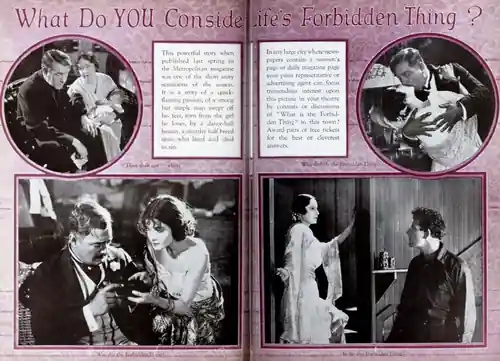
The years that follow are marked by tragedy and loss. Glory's eventual demise at the hands of Jose is a stark reminder of the destructive path she had chosen, while Dave's death in a storm leaves Joan a widow, struggling to care for their two children. It is against this backdrop of despair that Abel finds a new sense of purpose, agreeing to care for Joan's son and, in doing so, rediscovering his own will to live.
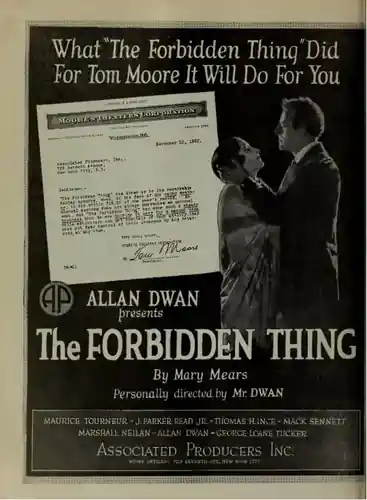
The reunion between Abel and Joan is a poignant moment of redemption, a testament to the enduring power of love and the human capacity for forgiveness. As they start life anew, there is a sense of closure, a feeling that the characters have come full circle, their journeys marked by hardship and heartache, but ultimately, by hope and renewal.
The Forbidden Thing is a film that resonates deeply, its themes and characters etched in the mind long after the credits roll. It is a sea of emotions, with each wave crashing against the shores of the heart, reminding us of the fragility and beauty of human existence. In its exploration of the human condition, the film finds common ground with other classics of the silent era, such as The Mysterious Client and Gloriana, each offering a unique perspective on love, loss, and the eternal quest for connection.
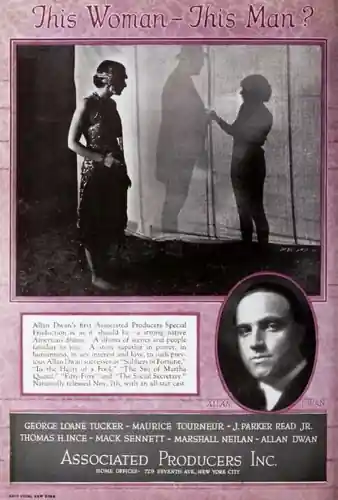
The cinematography is a character in its own right, painting vivid pictures of the landscapes and interiors that serve as the backdrop for the story. The use of lighting is particularly noteworthy, with shadows and silhouettes used to convey the inner turmoil of the characters, adding depth and complexity to the narrative.
In conclusion, The Forbidden Thing is a masterpiece of silent cinema, a film that whispers its secrets to the audience, drawing them into a world of love, loss, and redemption. It is a reminder that, even in the darkest of times, there is always hope, always a chance for forgiveness and renewal. As such, it stands alongside other classics of the era, including Wanted: A Home, On the Steps of the Throne, and Shackled, each a testament to the enduring power of cinema to captivate, to inspire, and to transform.
IMDb —
1920
Community
Log in to comment.