DbcultAccessing Vault...
7/10
Senior Film Conservator
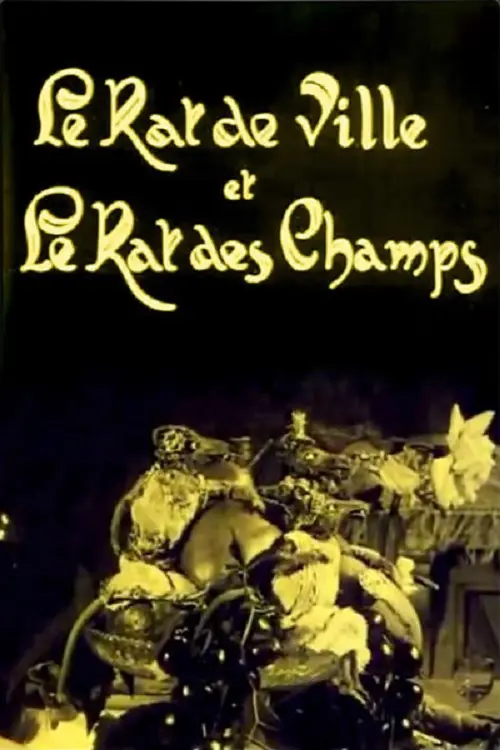
A definitive 7/10 rating for a film that redefined the boundaries of cult cinema. The Town Rat and the Country Rat remains a cornerstone of transgressive art.
Is Wladyslaw Starewicz’s 1926 short film worth your time in an era of hyper-realistic CGI? Short answer: Yes, but only if you possess a taste for the uncanny and a respect for the obsessive labor of early cinema. This film is a mandatory watch for animation historians and fans of the macabre, but it will likely alienate those who prefer the sanitized, predictable warmth of modern family features.
This film works because Wladyslaw Starewicz had an almost supernatural ability to manipulate light and texture to create a world that feels physically present. This film fails because its narrative is bound by the rigid morality of its source material, offering little in the way of character development. You should watch it if you want to witness one of the most effective uses of 'real-world' scale in the history of stop-motion.
Wladyslaw Starewicz was not just an animator; he was a taxidermist of the soul. In The Town Rat and the Country Rat, he takes a centuries-old fable and injects it with a sense of genuine peril that feels missing from contemporary adaptations. The puppets themselves are marvels of engineering, constructed with a level of detail that makes every twitch of a whisker feel like a deliberate choice. Unlike the smooth, plasticine surfaces we see in modern stop-motion, these rats have a coarse, organic quality. They look like they were pulled from the floorboards of a Victorian attic.
The film’s brilliance lies in its atmosphere. When the Country Rat first arrives in the city, the lighting shifts from the soft, naturalistic tones of the countryside to a high-contrast, noir-inspired palette. The city is not just a place; it is a predator. Starewicz captures the overwhelming scale of the urban environment through the eyes of a rodent, making every chair leg look like a skyscraper and every shadow a potential grave. It is a masterclass in perspective.
The most jarring and effective element of the film is the introduction of a live cat. While the rats are meticulously crafted puppets, the antagonist is a real, breathing feline. This choice creates a profound sense of 'otherness.' When the cat’s paw swipes at the puppet rats, the stakes feel infinitely higher than they would in a fully animated sequence. The physical weight of the cat, contrasted with the fragile frames of the puppets, creates a tension that is almost unbearable. It is a primitive form of mixed media that still holds up nearly a century later.
Consider the scene where the rats are feasting on the remains of a human dinner. The decadence is palpable. We see the rats scurry across fine china and silver, their tiny paws clicking against the hard surfaces. But as soon as the cat appears, the music (in modern restorations) and the pacing shift into high gear. The frantic movement of the puppets as they scramble for cover is a testament to Starewicz’s technical prowess. He wasn't just moving dolls; he was choreographing fear. It works. But it’s flawed by the sheer brevity of the encounter.
Yes, The Town Rat and the Country Rat is a vital piece of cinematic history that remains visually arresting. It offers a rare glimpse into the early 20th-century fascination with the grotesque and the miniature. If you appreciate the technical evolution of animation, this film provides a clear bridge between the primitive tricks of the 1910s and the sophisticated storytelling of later decades.
For those who found the pacing of Number 17 or the melodrama of The Last Egyptian a bit too slow, this short film offers a punchy, high-impact experience. It doesn't overstay its welcome. It presents its moral, showcases its technical wizardry, and exits before the novelty wears thin. It is a concentrated dose of Starewicz’s genius.
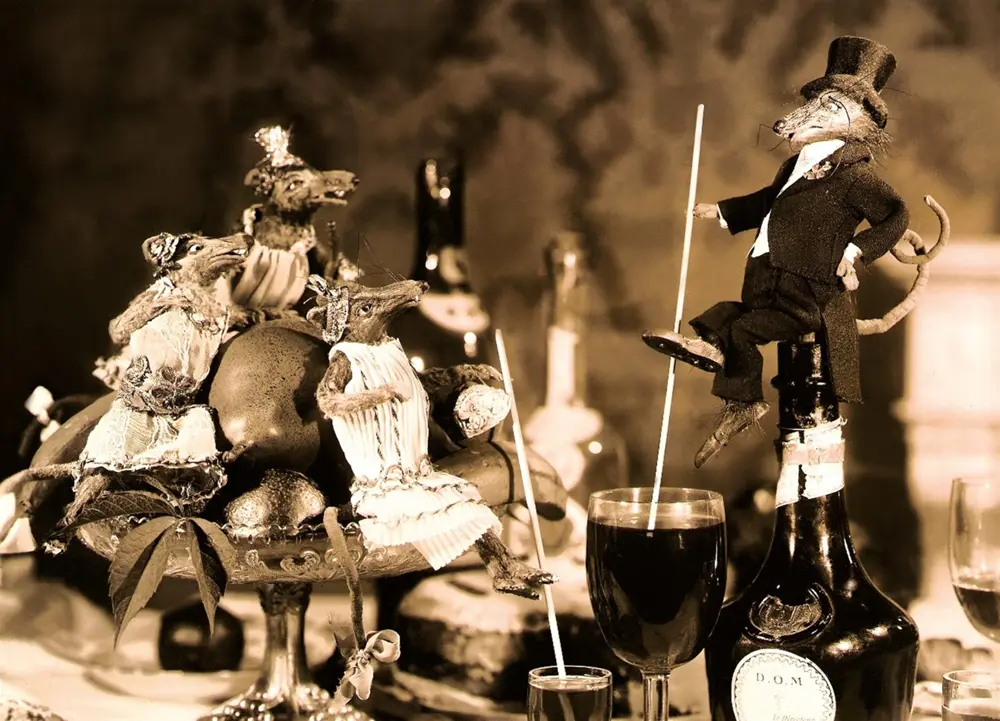
To understand the impact of this film, one must compare it to other releases of the era. While films like A Regular Fellow relied on the charisma of live actors, Starewicz had to manufacture charisma from wire and fur. There is a strange dignity in the Country Rat’s simple desires, a quality that is often lost in the more slapstick-heavy shorts of the 1920s. Even compared to the adventure-focused The Tavern Knight, Starewicz’s work feels more experimental and daring.
The film also shares a certain grimness with Lederstrumpf, though it trades grand landscapes for the claustrophobia of a pantry. There is an underlying cynicism here. The city isn't just dangerous; it's corrupt. The Town Rat is a sycophant, living off the scraps of a world that would happily crush him. This social commentary is subtle but present, elevating the film above a simple children's story. It is far more cynical than the domestic comedies of Tea for Three.
Starewicz’s cinematography is surprisingly modern. He uses close-ups to emphasize the texture of the rats' fur and the glistening surfaces of the stolen food. The way he handles depth of field in a miniature set is nothing short of incredible. In many scenes, the background is softly blurred, drawing the eye to the minute movements of the puppets. This was a sophisticated technique for 1926, and it shows a director who understood the language of film as well as any live-action contemporary.
However, we must address the 'uncanny' factor. For many modern viewers, these puppets are inherently creepy. They have a lifelike quality that is just 'off' enough to trigger a visceral reaction. This isn't a flaw; it's a feature. Starewicz leaned into the weirdness. He wasn't trying to make cute characters. He was making a world that felt slightly removed from our own, a dreamscape where animals mimic human vices. It is a far cry from the lighthearted antics of Alice at the Rodeo.
Pros:
- Unparalleled craftsmanship in puppet design and movement.
- Exceptional use of lighting to create a noir-esque urban atmosphere.
- A unique blend of live-action and animation that still feels effective.
- Short, impactful runtime that respects the viewer's time.
Cons:
- The moral of the story is predictable and a bit heavy-handed.
- The 'uncanny' nature of the puppets may be off-putting to some.
- Limited narrative depth beyond the basic fable structure.
Starewicz’s influence can be seen in the work of everyone from Jan Švankmajer to Wes Anderson. When you watch the meticulous movements in Fantastic Mr. Fox, you are seeing the DNA of The Town Rat and the Country Rat. Starewicz proved that you could tell a compelling story using nothing but discarded materials and a camera. He was a pioneer who understood that the medium of animation was not limited to 'cartoons.' It could be used for social satire, horror, and philosophical inquiry.
The film also stands as a fascinating cultural artifact. Produced during his time in France, it reflects the anxieties of the era—the rapid urbanization and the loss of rural identity. It is a theme that resonates just as strongly today. While other films of the time, like The Man Who Stayed at Home or Bristede Strenge, focused on human drama, Starewicz found more truth in the scurrying of rats. He saw the human condition in the vermin under the floorboards.
The Town Rat and the Country Rat is a haunting, technically brilliant short that deserves its place in the pantheon of great animation. It is not always comfortable to watch, and its puppets may haunt your dreams, but its impact is undeniable. It is a visceral reminder that cinema is at its best when it explores the boundaries of the real and the imagined. Starewicz didn't just animate; he conjured. If you can handle the creep factor, it’s a journey worth taking. It is a small film with a massive shadow, enduring soul. The cat is real. The danger is felt. The lesson is learned.
IMDb —
1920
Community
Log in to comment.