DbcultAccessing Vault...
5/10
Senior Film Conservator
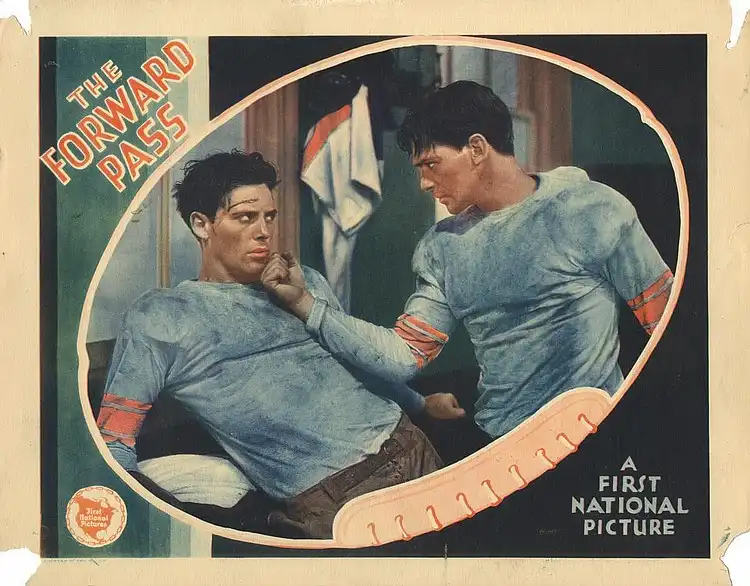
A definitive 5/10 rating for a film that redefined the boundaries of cult cinema. The Forward Pass remains a cornerstone of transgressive art.
Alright, so you’re thinking about a 1929 college football movie. 🏈 Is The Forward Pass something you should dig up? Maybe. If you’re a die-hard classic film buff, especially for pre-Code stuff, or if you just love seeing how sports movies used to be, then yeah, it’s a fun watch. For anyone expecting modern pacing or subtle character work, you’ll probably find it a bit of a slog. It’s got a certain charm, though, and for a very specific audience, it’s worth a look.
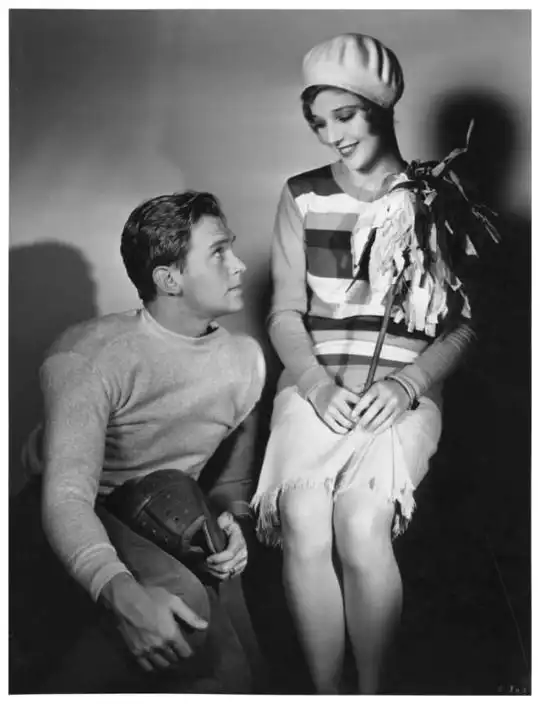
Douglas Fairbanks Jr. plays Marty Reid, our star quarterback at Sanford College. He gets absolutely _hammered_ on the field, like, every single play. It’s almost comical how much they single him out. You can practically hear the director yelling, "More punishment! Make him suffer!" After one too many tackles, he just throws his hands up, tells his pal Honey, and Coach Wilson, that he’s done. Forever. Very dramatic, as these things tend to be.
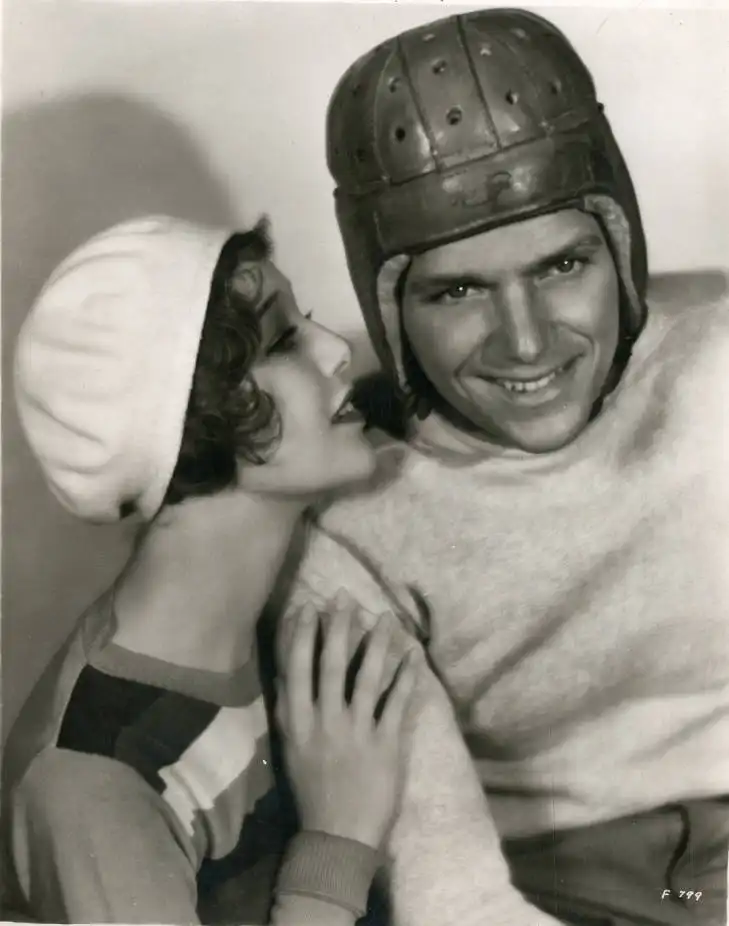
But of course, a star quarterback can’t just quit, not in a movie from this era. Enter Ed Kirby, another player who just *loves* calling Marty "yellow." And then there's Patricia Carlyle, played by the lovely Loretta Young, who is introduced as the "college vamp." Coach Wilson, in a move that feels a little sketch by today’s standards, gets Patricia to essentially trick Marty into playing again. It’s a whole setup!
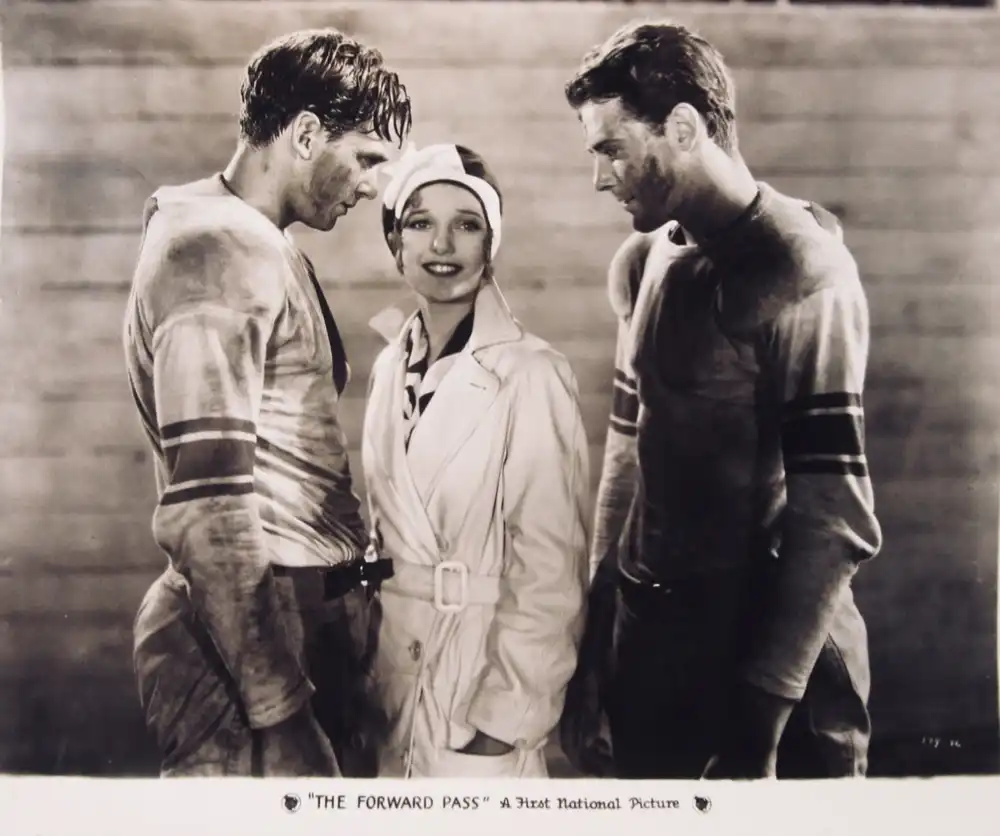
The plot device of the sorority dance is pretty wild. Only football players are allowed to cut in? What even? This is where Kirby really leans into being a jerk, dancing with Pat just to get under Marty’s skin. It’s a very 1929 way to create tension, I guess. You almost feel the movie trying to convince you this moment matters, and for the time, it probably did. This whole sequence is a delightful peek into campus social norms of the era, or at least how movies portrayed them.
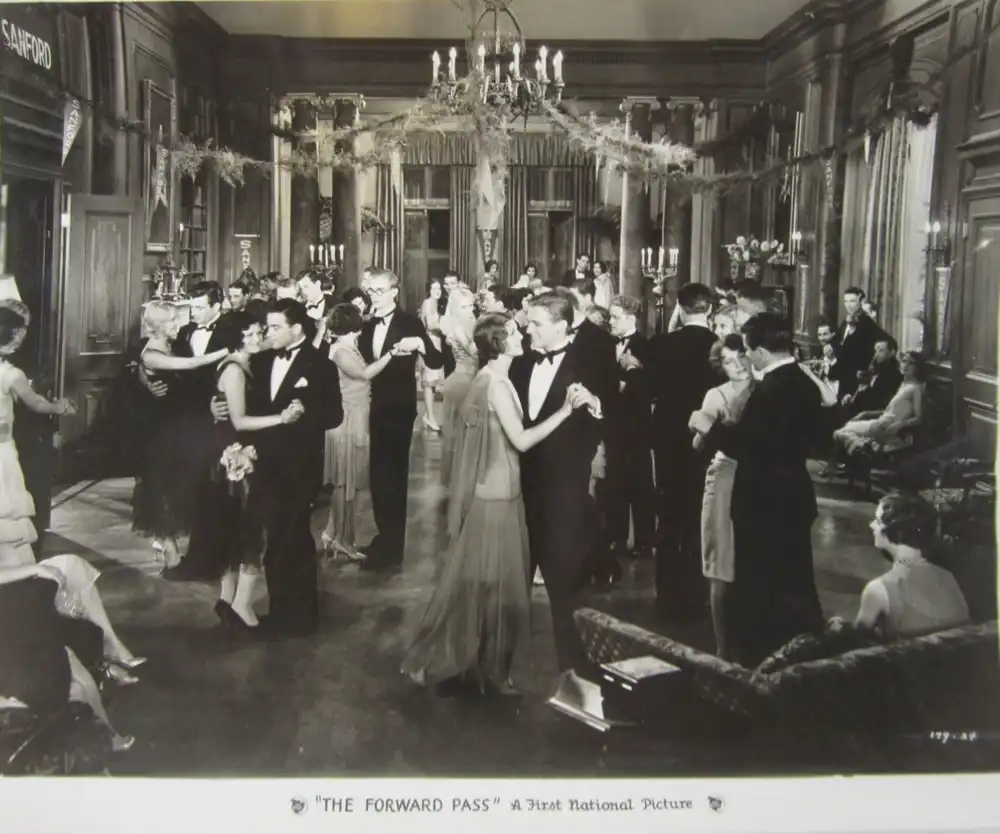
Marty, fueled by a mix of anger and maybe a bit of pride, does decide to play. But then he finds out about Patricia’s trickery. Oh, the melodrama! He goes into the game, fumbles, and both he and Kirby get benched. Of course, they immediately start a fight in the locker room. Because that's what competitive men do when they're angry. 🤷
This is where the movie takes a surprising, if predictable, turn. During their locker room brawl, Kirby suddenly realizes Marty isn't a coward at all. He’s just… mad. And maybe a little hurt. It’s a quick pivot, almost too quick, but it sets up the big finish. They go back in, team up, and win the game. A classic underdog tale, wrapped up with a neat bow.
The football scenes themselves are a mix. Some of the action feels genuinely hard-hitting for its time. Other moments, though, you can see the awkwardness of early film techniques. The crowd shots often feel a bit sparse, like they couldn’t quite fill the stands. You just have to appreciate it for what it is: an early attempt at sports spectacle.
I found myself more interested in the social dynamics than the actual game sometimes. The way characters speak, the very defined roles they play – the hero, the rival, the manipulative woman – it’s all very much of its time. Loretta Young, even in this early role, has this understated presence. She doesn't have to do much to convey a lot, which is cool. And Douglas Fairbanks Jr. really sells the "tortured athlete" thing, even if he hams it up a bit.
Oh, and keep an eye out for a blink-and-you'll-miss-him John Wayne. He’s *in* there. Somewhere. Probably just as an uncredited extra, but it’s a fun little piece of trivia to hunt for. It’s those tiny, easily overlooked details that sometimes make these older films so much fun to watch.
Overall, The Forward Pass isn't a masterpiece, but it’s a solid piece of early Hollywood. It’s less about the actual football and more about the drama surrounding it. If you’re into movie history, or just want to see a very earnest, slightly melodramatic take on college life from nearly a century ago, give it a shot. It's a genuine time capsule, even if it feels a tad dusty.
IMDb —
1931
Community
Log in to comment.