DbcultAccessing Vault...
Cult Review
Senior Film Conservator
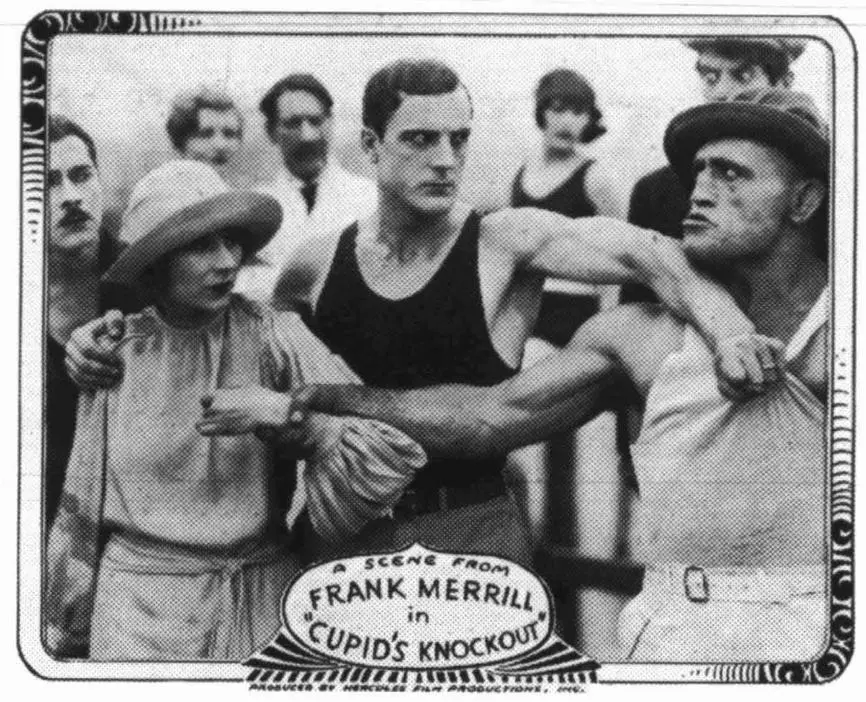
Is Cupid's Knockout worth your time in the modern era? Short answer: Yes, but primarily for those who appreciate the rhythmic physical comedy and social tropes of the mid-1920s. It is a film for the silent cinema completionist and the lover of vintage slapstick, but it is certainly not for those who demand psychological complexity or rapid-fire modern pacing.
This film exists in that sweet spot of the 1920s where the medium had mastered the art of visual storytelling but hadn't yet been burdened by the technical constraints of early sound. It’s a breezy, often ridiculous romp that relies heavily on the 'secret identity' trope that was popular long before superheroes took over the multiplex. It works. But it’s flawed.
1) This film works because it utilizes the 'milk-for-liquor' swap as a brilliant piece of physical and situational irony that subverts the tension of a Prohibition-era raid.
2) This film fails because the reveal of Frank as the Governor’s son feels like a narrative 'get out of jail free' card that undermines the 'everyman' charm established in the first two acts.
3) You should watch it if you enjoy the specific brand of athletic comedy found in films like The Pinch Hitter or if you want to see a rare performance from Frank Merrill before he became the screen's first definitive Tarzan.
Cupid's Knockout is worth watching if you are interested in the evolution of the romantic comedy. Unlike the heavy melodrama found in Camille, this film leans into the lighthearted, almost cartoonish energy of the era. It provides a fascinating look at 1926 social anxieties regarding class and the Volstead Act. While it lacks the high-art aspirations of European cinema from the same period, such as Der lebende Leichnam, it excels at pure, unadulterated entertainment.
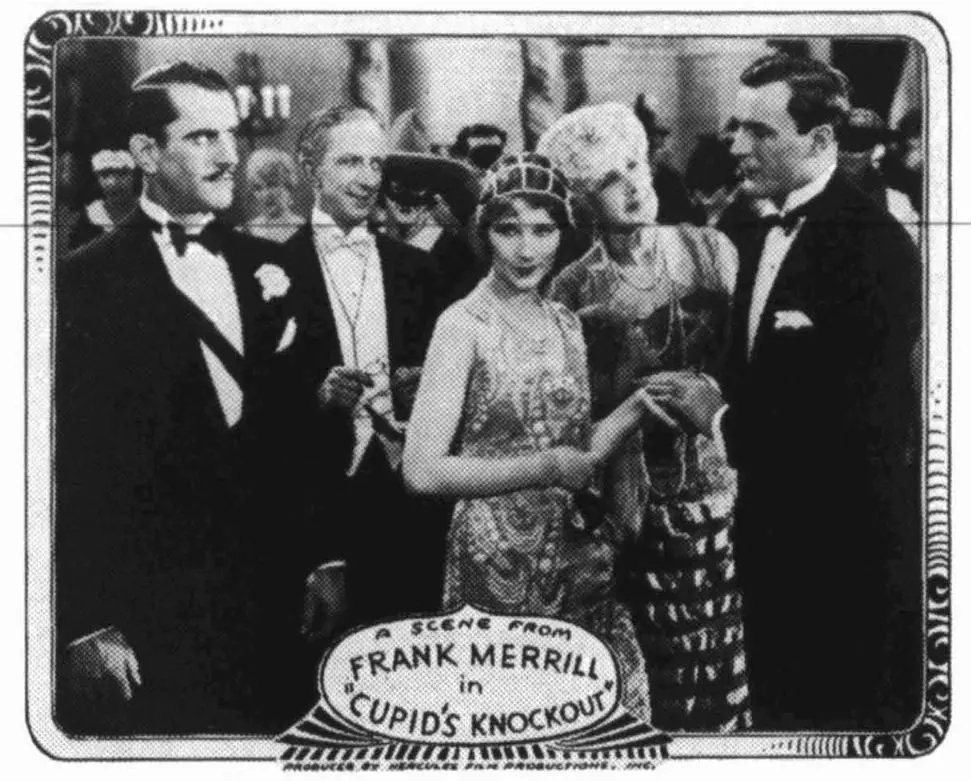
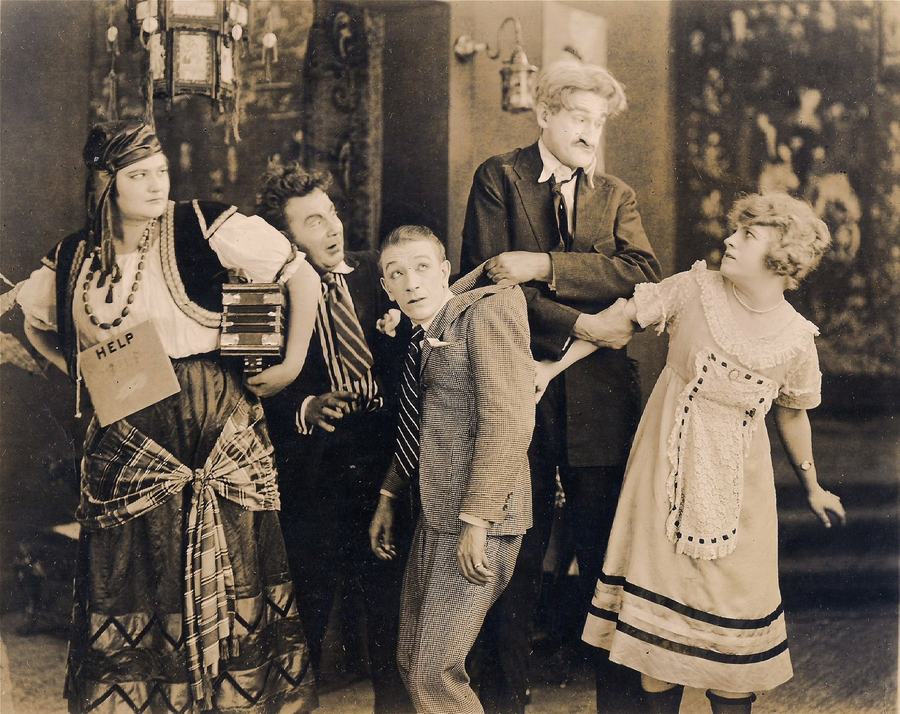
The heart of the film isn't the fight scenes, but the 'picture machine' sequence. In an era before selfies, the idea of two strangers being forced into a tight frame by a mechanical device was a potent romantic metaphor. Don Fuller and Andrée Tourneur play this scene with a delicate mix of embarrassment and instant chemistry. It’s a moment that feels surprisingly modern.
Consider the framing: the characters are physically pushed together by technology, a theme we see repeated in modern films about digital dating. However, here, the 'machine' is a physical object in a public space, grounding the romance in a tangible reality. It is far more effective than the forced sentimentality found in Molly Make-Believe.
The casting of Frank Merrill as a supporting character is an inspired, if underutilized, choice. Merrill, an incredible athlete, brings a sense of kinetic energy to the screen. When Manning's henchmen attack Frank and 'Rubber Chin' Smith, the choreography is crisp. It’s not just a brawl; it’s a dance. George Kotsonaros, playing one of the heavies, provides a formidable physical foil that makes the stakes feel real.
Don Fuller, as Frank, has the difficult task of playing a man of high status pretending to be a laborer. His performance is at its best when he is delivering milk. There is a specific scene where he overhears Manning’s plot while juggling milk bottles that showcases his ability to balance tension with physical comedy. It reminds one of the effortless charm seen in The Show-Off.
David Manning, played with a delightful sneer by William T. Hayes, is a fascinating study in 1920s antagonism. He isn't just a 'bad guy'; he is a man who believes his wealth entitles him to own people. His plan to 'rescue' Sally’s parents to create a debt of gratitude is a sophisticated form of villainy. It’s psychological warfare disguised as chivalry.
This makes the eventual 'milk swap' even more satisfying. Manning tries to use the law (the police raid) as a weapon to destroy his rivals. By replacing the liquor with milk, Frank doesn't just save the party; he makes Manning look like a fool in front of the very authorities he tried to manipulate. It is a punchy, narratively tight resolution that hits harder than a standard fistfight.
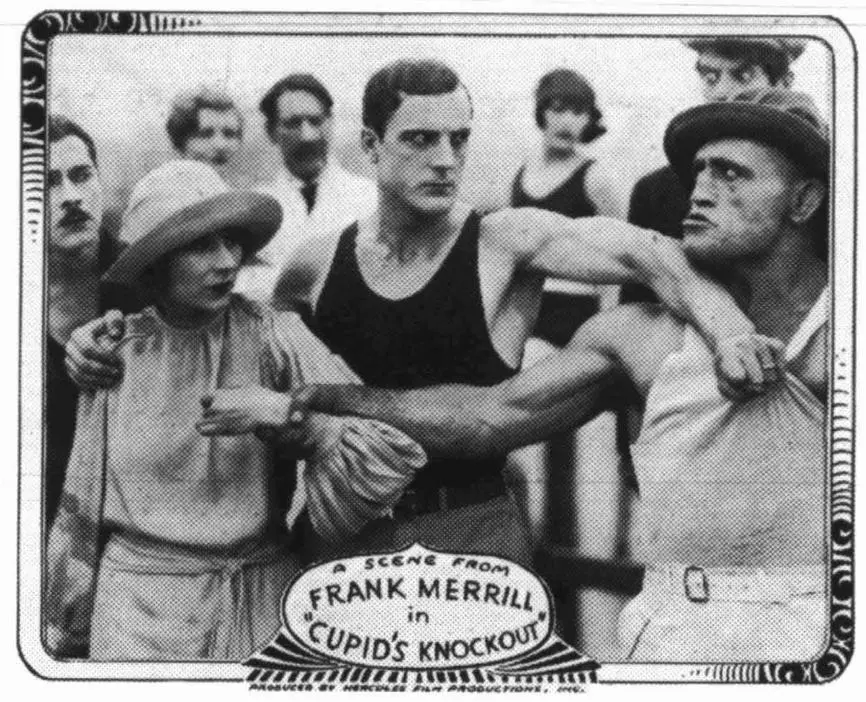
Grover Jones, primarily known for his writing, ensures the film moves at a breakneck pace. The transition from the romantic introduction to the tavern climax is seamless. Unlike the more languid pacing of The Lone Wolf, Cupid's Knockout understands that a comedy lives or dies by its tempo. The editing during the tavern scene, cutting between the approaching police and Frank’s frantic bottle-swapping, creates a genuine sense of comedic suspense.
The tone is consistently light, even when dealing with Manning’s darker impulses. This prevents the film from becoming a dreary melodrama. It stays in the lane of a 'knockout' comedy, delivering quick hits of humor and heart. It shares a similar DNA with Every Man for Himself in its portrayal of a protagonist navigating a world of minor conspiracies.
One cannot discuss Cupid's Knockout without addressing its stance on class. In 1926, the 'Governor's son' reveal would have been seen as a crowning achievement for Sally—a literal 'knockout' in the social ring. Today, it feels slightly regressive. We want Frank to be the milkman because he’s a good man, not because he’s a rich man in disguise. This tension makes the film a perfect companion piece to Are They Born or Made?, which explores similar themes of heritage versus character.
However, the film’s portrayal of the tavern scene offers a more subversive take. By turning the 'illegal' liquor into 'wholesome' milk, the film mocks the rigidity of the law. It suggests that morality isn't found in the statutes of the state, but in the intentions of the individual. This is a surprisingly bold stance for a light comedy.
Visually, the film is standard for its time, but there are flashes of brilliance. The use of depth in the tavern scene—showing the party in the foreground and the impending raid in the background—is expertly handled. It creates a layered comedic effect where the audience knows more than the characters, a classic Hitchcockian technique used here for laughs rather than thrills.
The cinematography during the fight scenes is also noteworthy. Rather than static wide shots, the camera moves slightly to follow the action, giving the brawls a sense of urgency. It’s not as experimental as The Forbidden Lover, but it shows a director who understands how to capture movement.
Cupid's Knockout is a charming, if predictable, slice of silent cinema. It doesn't reinvent the wheel, but it spins it with enough vigor to keep you watching. The 'milkman' hero is a delightful protagonist, and the Prohibition-era hijinks provide a historical flavor that is both educational and entertaining. It’s a film that knows exactly what it is: a crowd-pleasing romantic comedy with a punchy finish. While it may not have the lasting weight of Charity, it remains a vital example of 1920s studio filmmaking. It works because it doesn't take itself too seriously. And sometimes, that's exactly what a movie needs to do. It’s a knockout, even if it wins by points rather than a floor-shaking blow.
IMDb —
1926
Community
Log in to comment.