DbcultAccessing Vault...
6.9/10
Senior Film Conservator
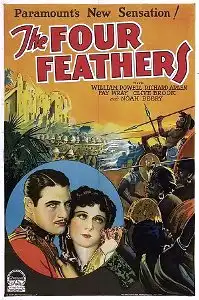
A definitive 6.9/10 rating for a film that redefined the boundaries of cult cinema. The Four Feathers remains a cornerstone of transgressive art.
Look, if you can get past the whole 'silent film' thing, The Four Feathers from 1929 is actually _pretty good_. It’s not for everyone – if you need explosions every five minutes or crisp dialogue, you’ll probably find it a slog. But if you’re into grand adventure, historical stuff, or just want to see what early cinema could do, this one’s a solid pick. It has a surprising amount of punch.
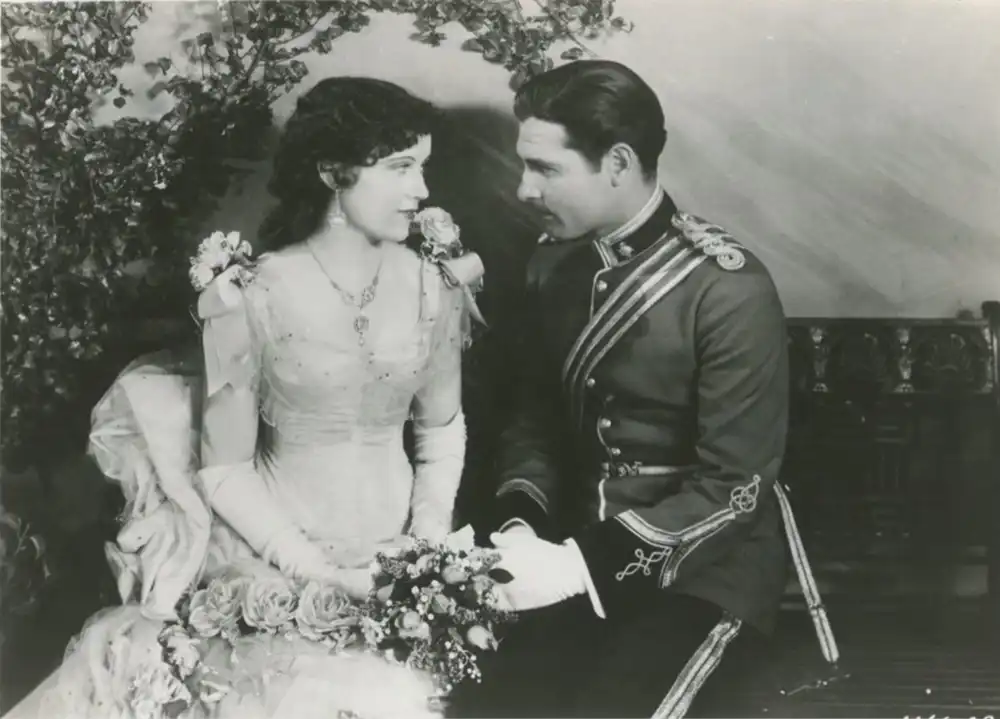
The story kicks off with Harry, a British officer, doing the unthinkable. He just up and quits his regiment right as they’re about to ship off for a big fight in Sudan. His friends and family, including his fiancée Ethne, are completely horrified. They each send him a white feather, the classic sign of a coward. It’s _brutal_ how fast his life falls apart. 😬

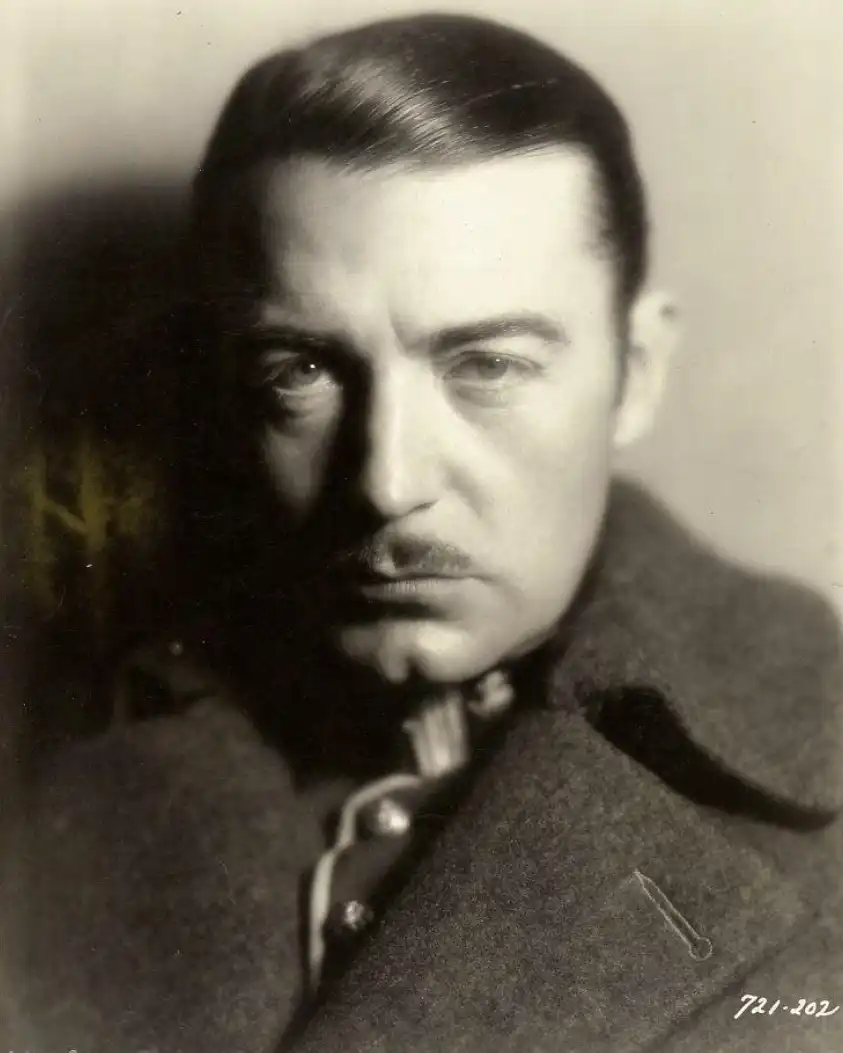
That moment when he gets the feathers? It hits hard. You see him just kinda stare at them, and you can almost feel the shame radiating off the screen. Clive Brook, playing Harry, does a lot with just his face. No words needed there.
So, to prove himself, Harry decides he’s gonna redeem his name. He fakes his own death and then heads to Sudan, undercover, to secretly help his former comrades. It’s a pretty wild plan, if you ask me. And dangerous!
The desert scenes are where this movie really shines. They apparently filmed a lot of this in Africa, and you can tell. The sheer scale of the landscape, the crowds of extras during battle sequences – it feels _big_. You get a real sense of the heat and the dust, even without color or sound. The camera work, for the time, is pretty ambitious. There are these wide shots that just sweep across the desert. Impressive.
One specific moment sticks with me: Harry, disguised, helping his blinded friend, Captain Durrance. Durrance, played by William Powell, doesn’t recognize Harry, of course. Powell, usually the suave type, plays blind so convincingly. The way he reaches out, disoriented. It’s a powerful interaction. And the suspense, wondering if Harry will be found out, is surprisingly effective. The Four Feathers does a decent job keeping you on edge.

Fay Wray, years before her famous role opposite a giant ape, who plays Ethne, is more than just a pretty face here. Her anguish when Harry leaves and then the relief, the confusion, when she sees him again... it’s all there in her expressions. You don’t need dialogue to get what she’s feeling. She’s not just waiting around; she's got her own little journey of heartache. It’s quite something.
Some of the fight choreography is a bit clunky, you know, soldiers falling a bit too gracefully. But then you’ll get a close-up of someone’s face during a skirmish, and their terror feels so real. It’s a mix. The big battle scenes feel messy in a good way, like actual warfare, not some perfectly choreographed dance. The sheer number of extras is kinda mind-boggling for 1929.
I also appreciated the pacing. For a silent film, it doesn’t drag as much as you might expect. There are these quick cuts during intense moments that really build tension. Then it slows down for the more emotional beats. It’s a rhythm that mostly works. Though, sometimes, a reaction shot would linger for a fraction too long, and you're just like, "Okay, I get it." Not often, but it happens. 🤷♀️
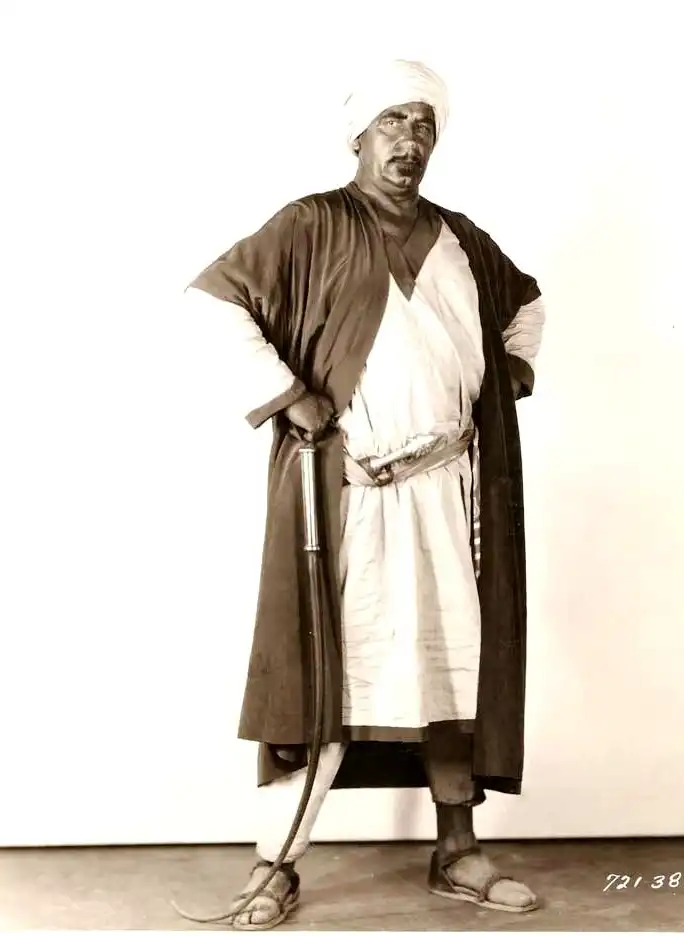
Noah Beery as Moussa, the guide, is another standout. He brings this earthy, grounded presence to the film. His loyalty to Harry, despite everything, is a quiet anchor in the story. You almost forget it’s a silent film when he’s on screen, he’s so expressive.
The ending, it’s satisfying enough, but it doesn't try to be overly dramatic. It just... resolves things. It feels earned, after all the trouble Harry goes through. You walk away thinking, yeah, he really did something. It’s a good, solid adventure story. A bit old-fashioned, sure, but in a charming way.
So, yeah, give it a shot if you’re curious about old movies. You might be surprised. It’s a big, ambitious film for its time, and a lot of it still holds up. Definitely not just for academics. This is a movie you can actually *watch* and enjoy. 👍
IMDb —
1926
Community
Log in to comment.