DbcultAccessing Vault...
7.2/10
Senior Film Conservator
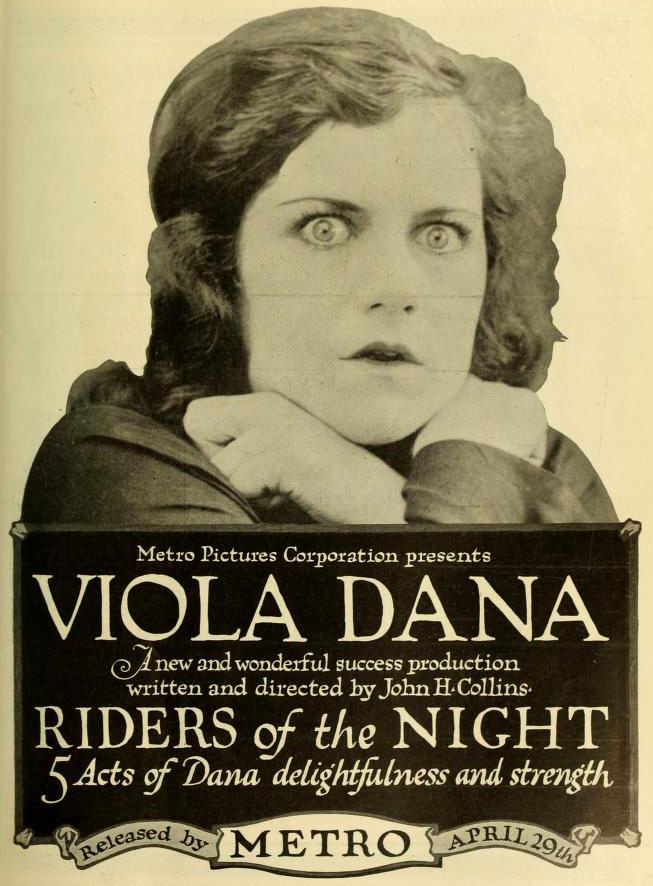
A definitive 7.2/10 rating for a film that redefined the boundaries of cult cinema. Riders of the Night remains a cornerstone of transgressive art.
The 1918 cinematic landscape was a period of profound transition, caught between the burgeoning artistry of the feature film and the lingering constraints of early nickelodeon tropes. In the midst of this evolution, Riders of the Night emerges as a strikingly visceral exploration of populist rage and domestic entrapment. Directed with a keen eye for atmospheric tension by John H. Collins and written by the prolific Albert S. Le Vino, this film transcends its melodramatic roots to offer a poignant commentary on the intersection of private grief and public rebellion.
At the heart of this narrative is the toll-gate—a symbol of systemic oppression that resonates with historical authenticity. In the early 20th century, rural communities often found themselves at the mercy of private interests controlling the very roads they required for survival. John Derr, portrayed with chilling efficacy, represents the quintessential capitalist predator. His refusal to let Sally Castleton pass to find a doctor for her grandfather is not merely a plot device; it is a manifestation of institutionalized cruelty. The resulting death of the grandfather acts as the catalyst for a communal metamorphosis, shifting the film from a personal tragedy into a sociopolitical thriller.
Much like the thematic undercurrents found in Shoes, where poverty dictates the moral choices of the protagonist, Riders of the Night examines how deprivation and injustice force ordinary citizens into extraordinary, and often illegal, acts of resistance. The villagers' transformation into 'night riders'—a term steeped in the historical context of the Kentucky tobacco wars—provides a grim, nocturnal aesthetic that defines the film's visual language.
Viola Dana, an actress whose expressive range was often underutilized in lighter fare, delivers a performance of remarkable depth here. As Sally Castleton, her face becomes a canvas of shifting emotions: the frantic desperation of the opening scenes, the hollowed-out grief of the funeral, and the steely resolve required to face John Derr’s blackmail. In an era where pantomime often leaned toward the hyperbolic, Dana’s restraint is modern and haunting. Her chemistry with Monte Blue, who plays Milt, provides the necessary emotional anchor for the film’s more chaotic sequences.
The romantic tension is complicated by the familial ties between the hero and the villain. Milt is Derr’s cousin, a choice that elevates the conflict from a simple 'hero vs. villain' dynamic to a Shakespearean struggle of blood and loyalty. This internecine strife mirrors the regional feuds depicted in The Trail of the Lonesome Pine, yet it feels more intimate, restricted to the claustrophobic shadows of the toll-house and the dense Kentucky brush.
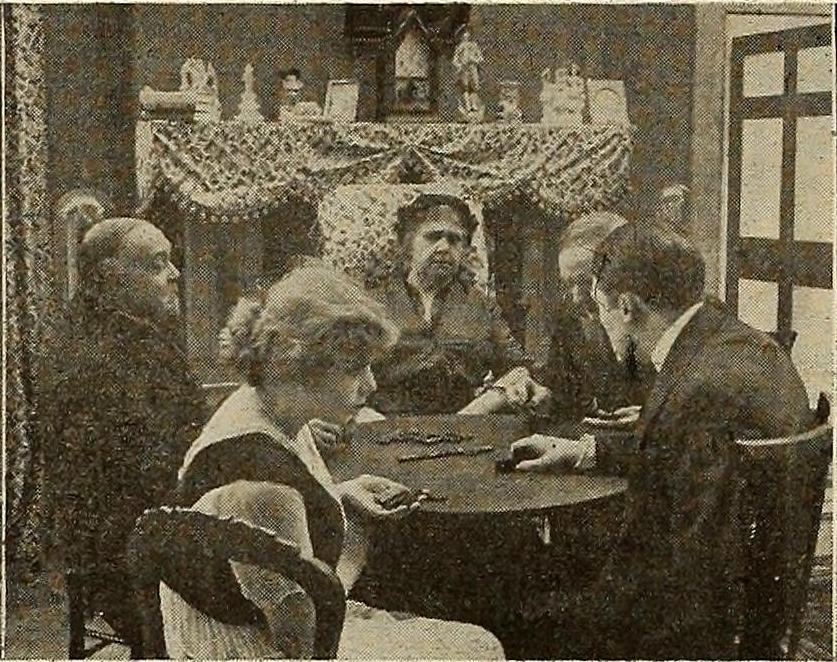
Every great populist uprising in cinema requires a Judas, and in this film, it is Jed, the man ironically known as 'The Killer.' His betrayal of the night riders to the authorities introduces a layer of suspense that propels the second act. The fight between the riders and the sheriff’s posse is a masterclass in silent-era action choreography, utilizing the deep blacks and stark whites of the orthochromatic film stock to create a sense of disorientation and danger. It is during this melee that Milt’s hat is lost—a seemingly trivial occurrence that becomes the fulcrum upon which the entire plot turns.
The use of the hat as incriminating evidence is a classic Hitchcockian MacGuffin, though it predates Hitchcock’s mainstream success. It allows John Derr to exert a psychological pressure on Sally that is far more terrifying than physical violence. He offers her a choice that is no choice at all: marry him and save Milt from the gallows, or refuse and watch her lover hang. This scenario echoes the moral dilemmas found in Love or Justice, where the legal system is weaponized against the innocent.
Visually, Riders of the Night is a precursor to the noir sensibilities that would dominate cinema decades later. The night raids are filmed with an awareness of shadow that suggests the influence of European movements, perhaps even hinting at the dark romanticism seen in Nattens barn or the atmospheric intensity of Satan's Rhapsody. The directors use the natural landscape not just as a setting, but as an active participant in the drama. The trees seem to lean in, the roads are treacherous, and the toll-gate itself stands like a skeletal sentinel guarding the gates of hell.
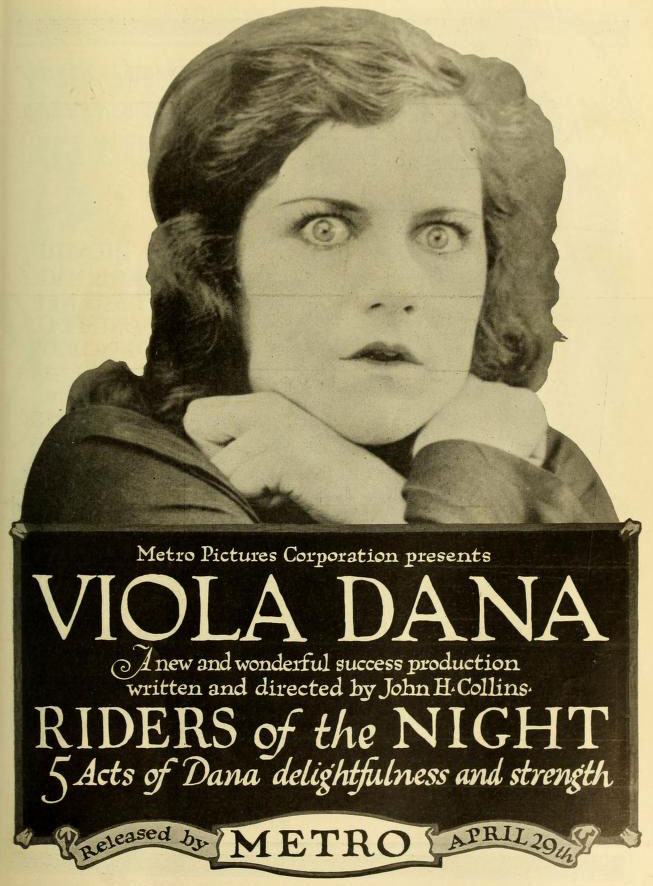
Consider the scene where Sally discovers Derr’s body. The framing is tight, focusing on her shock and the immediate realization of her precarious position. The film avoids the sprawling epic feel of Creation, opting instead for a gritty, localized realism that makes the stakes feel visceral and immediate.
The film’s engagement with the 'Night Rider' phenomenon is particularly noteworthy. While many silent films of the era focused on escapist fantasies or high-society comedies like American Aristocracy, Riders of the Night tackles the agrarian discontent of the American South and Midwest. It portrays the riders not as mere thugs, but as a desperate collective seeking a rudimentary form of justice in a system that has failed them. This thematic weight places the film alongside works like Southern Pride, which also navigated the complexities of regional identity and honor.
The legal climax, wherein Sally is accused of murder, serves to highlight the fallibility of circumstantial evidence. It is a trope that would be explored with even more cynicism in later films like The Marked Woman. Here, however, the resolution is one of triumph and restoration. Sally’s eventual exoneration and her marriage to Milt provide the 'happy ending' required by 1918 audiences, yet the shadow of the grandfather’s death and the violence of the insurrection linger, preventing the conclusion from feeling entirely saccharine.
In comparing this film to its contemporaries, one cannot help but notice its unique grit. While The Prince and the Pauper dealt with class through the lens of fable, Riders of the Night does so through the lens of property rights and physical survival. It shares a certain spiritual DNA with A Daughter of the Sea in its depiction of a woman battling both the elements and the societal expectations of her time. Even the more avant-garde sensibilities of Il fuoco seem distant from the raw, American earthiness of this production.
The film also benefits from a robust supporting cast. Russell Simpson, often the face of rural stoicism in Hollywood, provides a grounded presence, while George Chesebro’s portrayal of the traitor Jed adds a layer of genuine menace. The direction by Collins—who tragically died in the 1918 flu pandemic shortly after this film's release—shows a filmmaker at the height of his powers, blending the lyrical with the literal in a way that few of his peers could match.
Is Riders of the Night a perfect film? By modern standards, its reliance on a lost hat as a major plot point might seem quaint, and the swiftness of Sally’s legal vindication feels somewhat abbreviated. However, when viewed through the prism of its time, it is a sophisticated piece of storytelling. It addresses themes of grief, collective action, and the corruptive nature of power with a sincerity that is lacking in many modern blockbusters. It lacks the satirical bite of Patsy, but it replaces it with a somber, driving momentum that keeps the viewer engaged from the first toll-gate refusal to the final embrace.
Furthermore, the film’s exploration of the 'greater law'—the idea that moral rightness sometimes supersedes the written statute—is a recurring motif in silent cinema, perhaps best exemplified by The Greater Law. In Riders of the Night, this philosophy is put to the ultimate test. Sally and the villagers are not seeking to overthrow the government; they are seeking to reclaim their dignity from a man who has commodified their basic needs.
Ultimately, the film stands as a testament to the power of silent cinema to convey complex social issues through the strength of its imagery and the nuance of its performances. It is a vital chapter in the history of the American rural drama, a precursor to the Southern Gothic, and a showcase for the luminous Viola Dana. For those interested in the roots of cinematic social justice and the evolution of the thriller, Riders of the Night is essential viewing, offering a window into a world where the night was a place of both terror and liberation.
As we look back at the cinematic offerings of 1918, it is easy to get lost in the grand spectacles or the early comedies. Yet, it is in these smaller, more focused dramas like Riders of the Night or The Seventh Sin that we find the true heart of the era. They remind us that the human struggle for justice and love is timeless, and that even in the silence of a century ago, the voices of the oppressed found a way to be heard on the silver screen.
IMDb 6.2
1932
Community
Log in to comment.