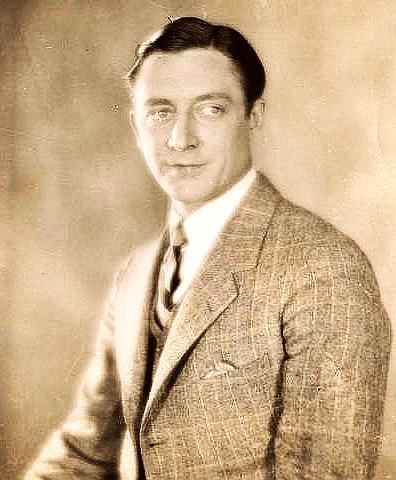
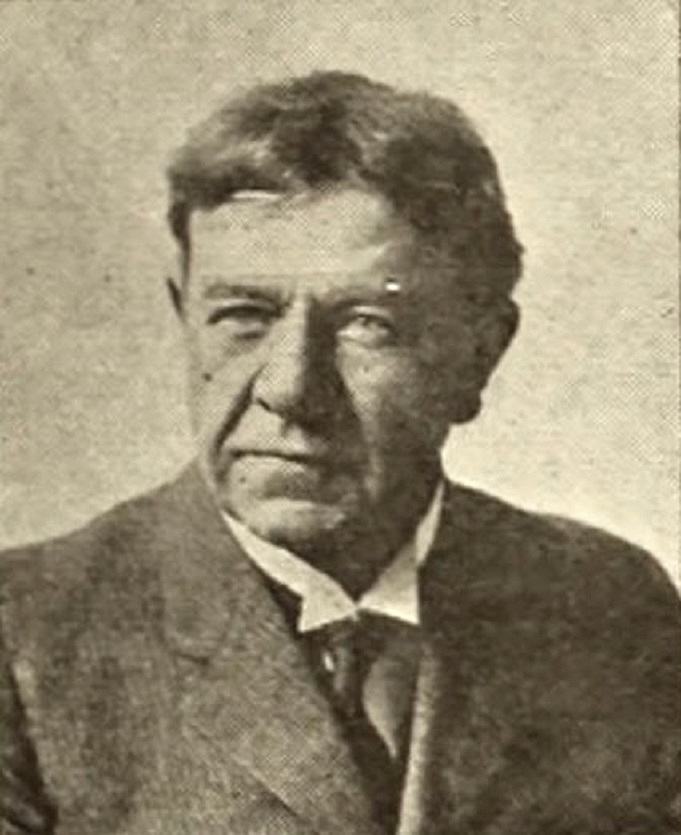
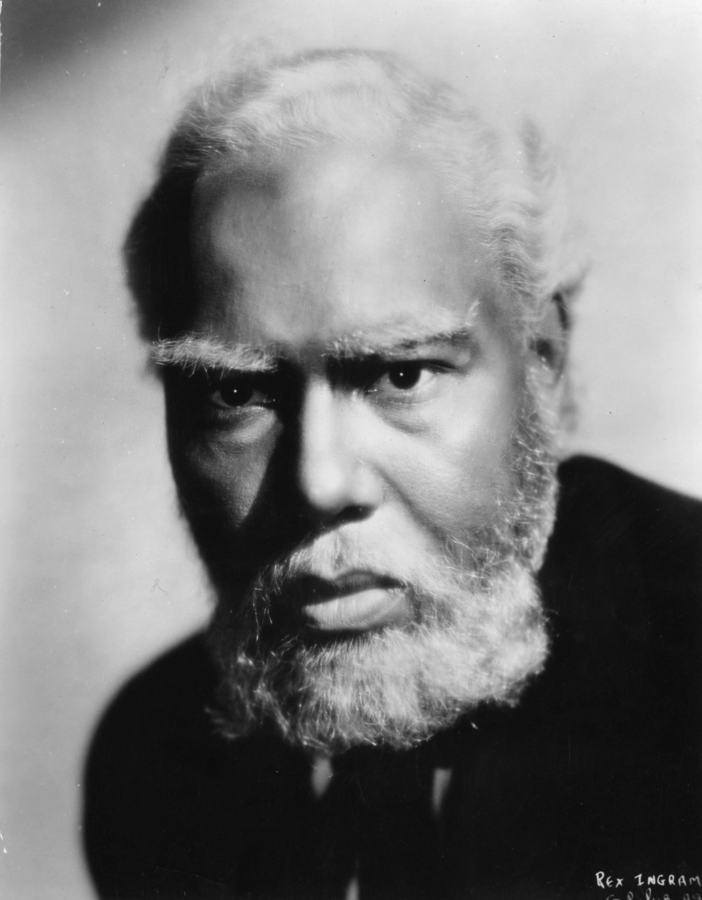
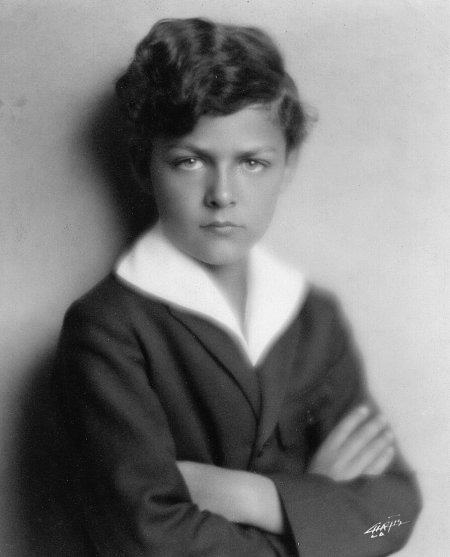
When British officer Harry resigns from his regiment, he is labeled a coward by family and friends and gets four feathers as a mark of his disgrace. In order to redeem himself and win his fiancée back Harry sets out on a dangerous mission.
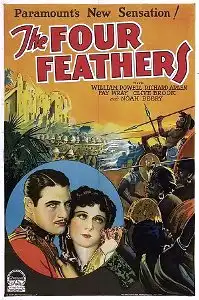
Look, if you can get past the whole 'silent film' thing, The Four Feathers from 1929 is actually _pretty good_. It’s not for everyone – if you need explosions every five minutes or crisp dialogue, you’ll probably find it a slog. But if you’re into grand adventure, historical stuff, or just want to see what early cinema...

still_frame
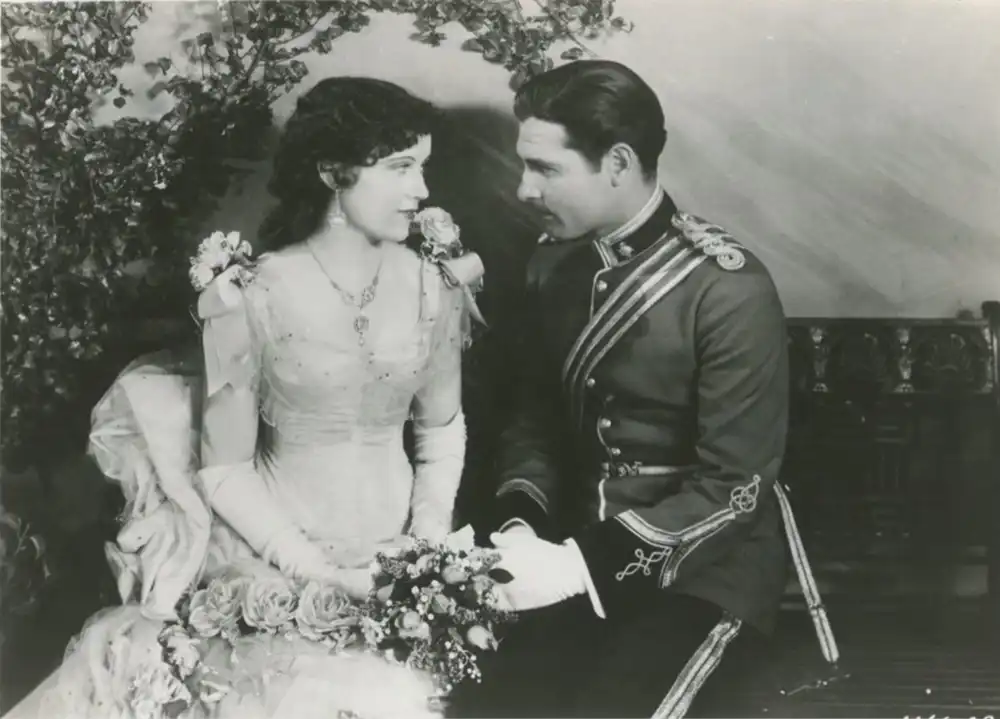
still_frame
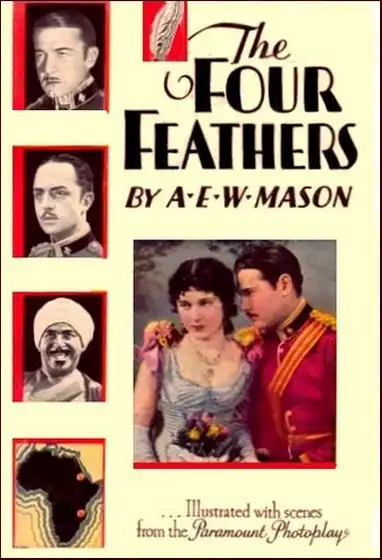
production_art
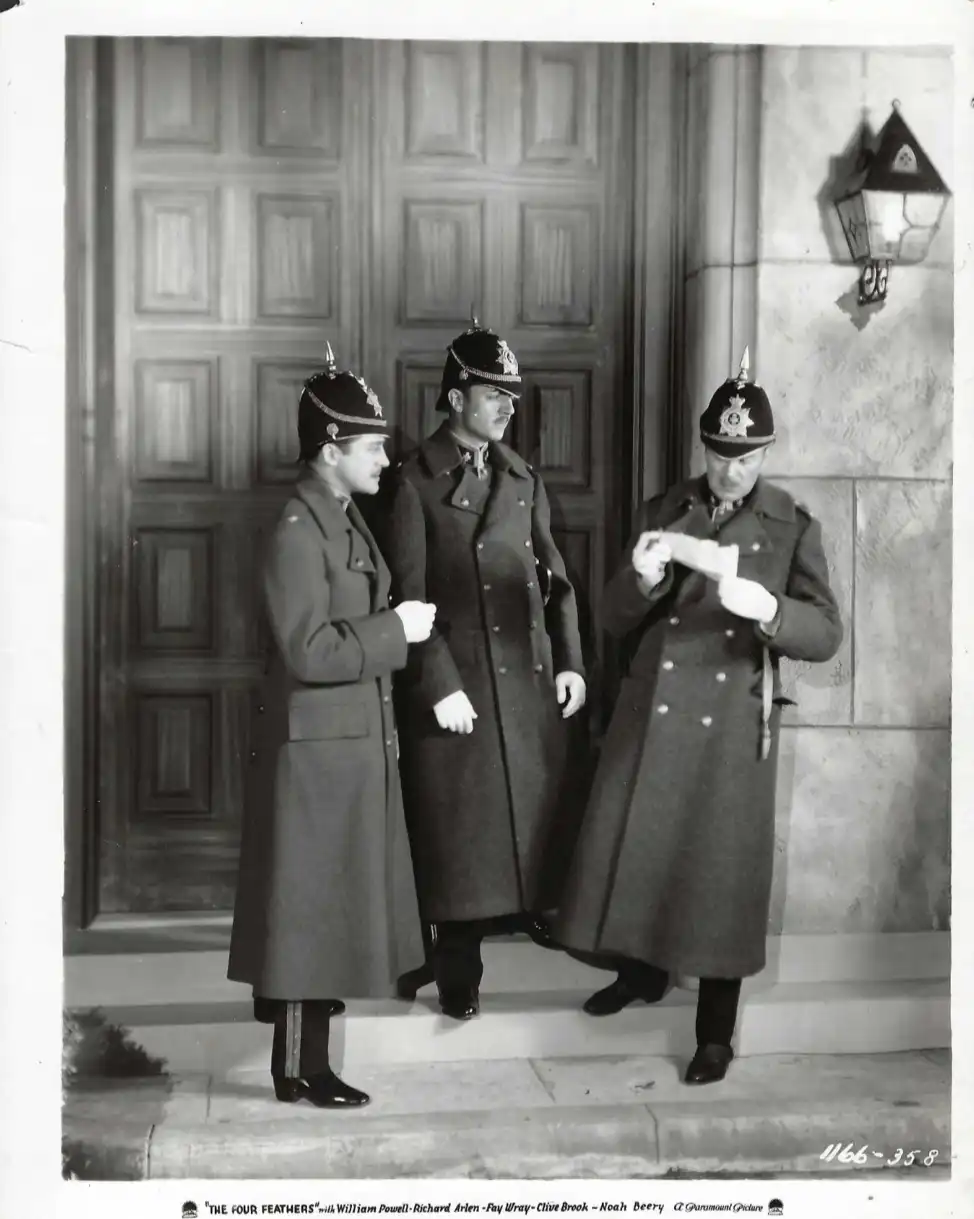
still_frame
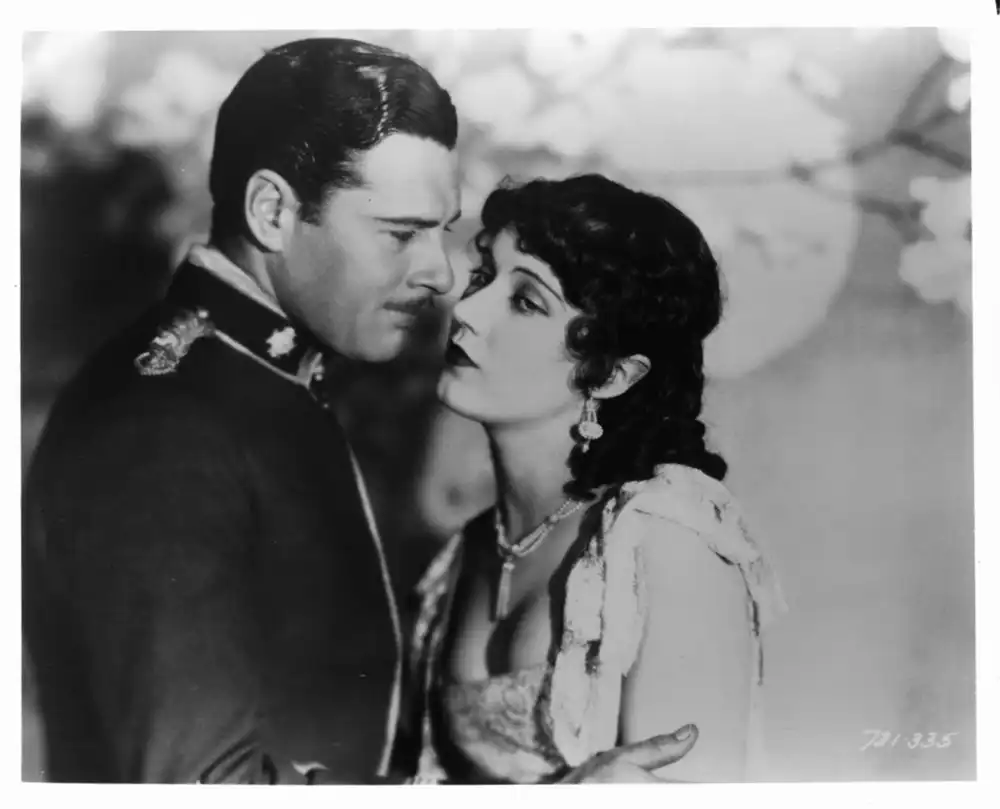
still_frame
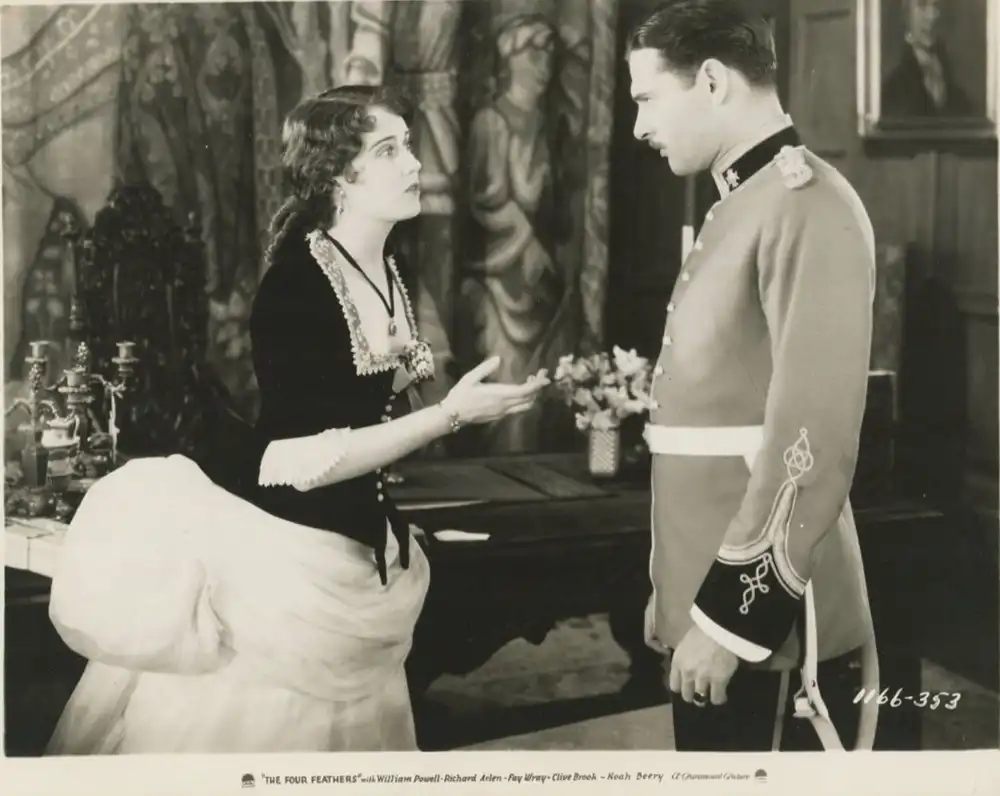
still_frame
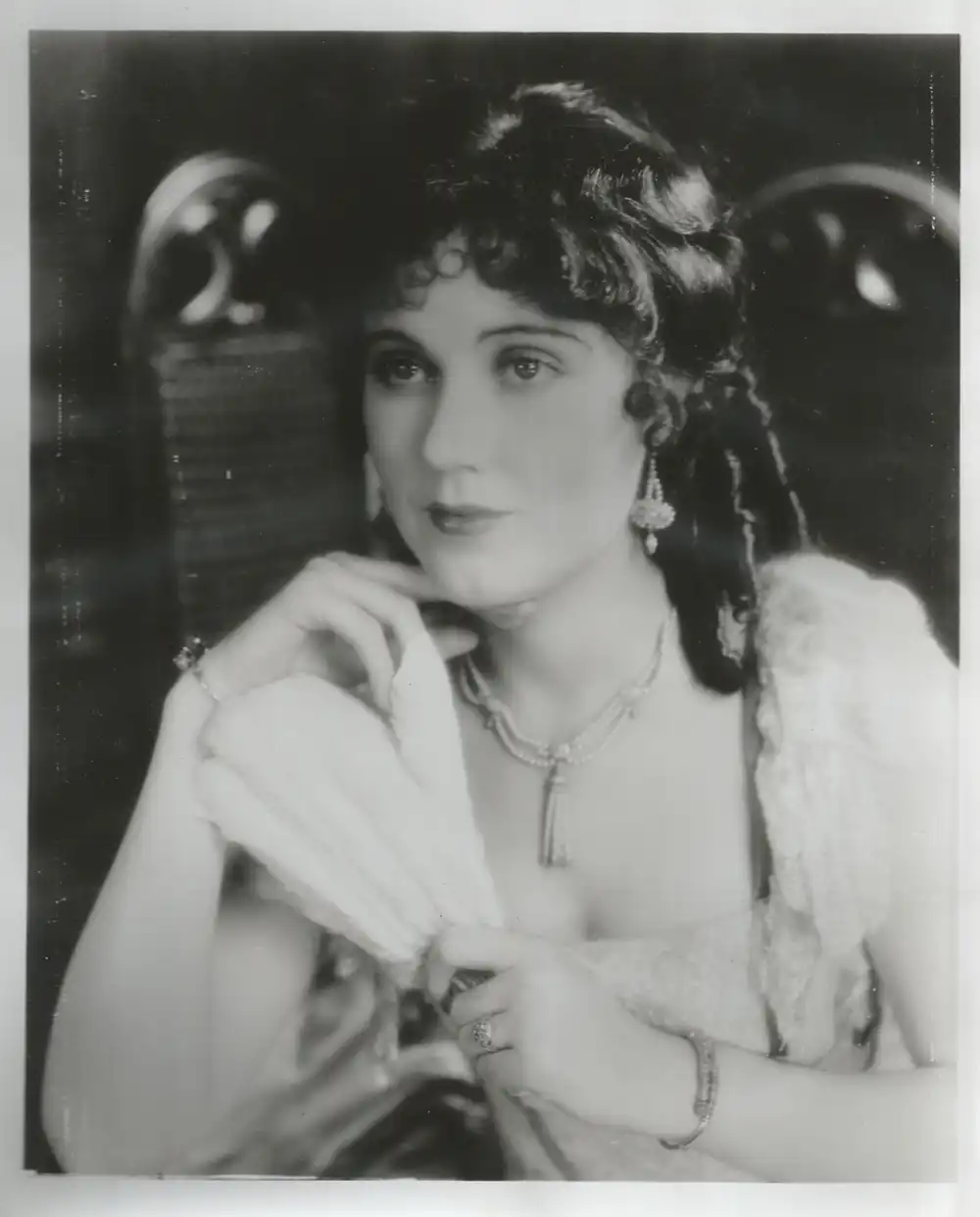
publicity
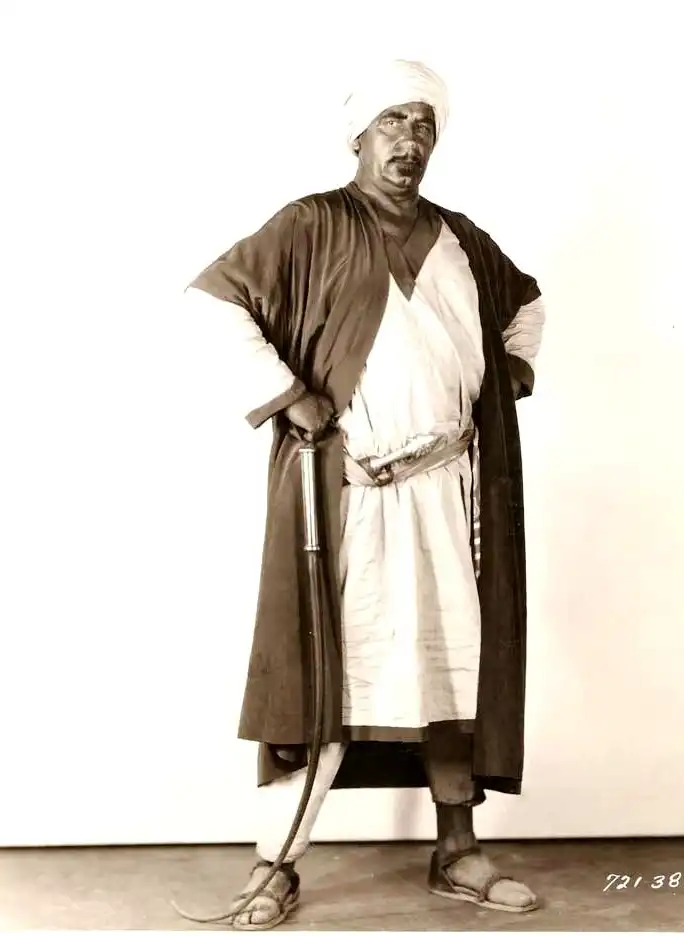
publicity
Comparing the cinematic DNA and archive impact of two defining moments in cult history.
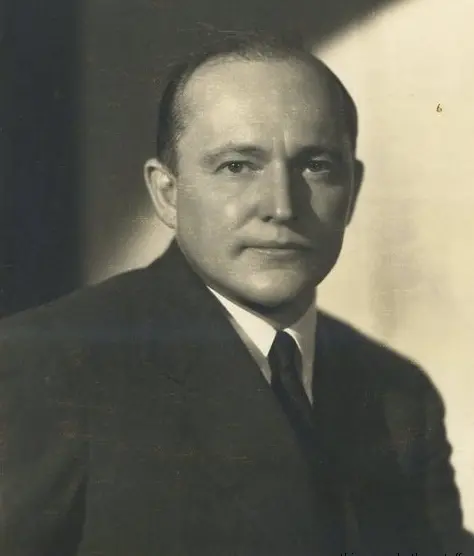
Merian C. Cooper
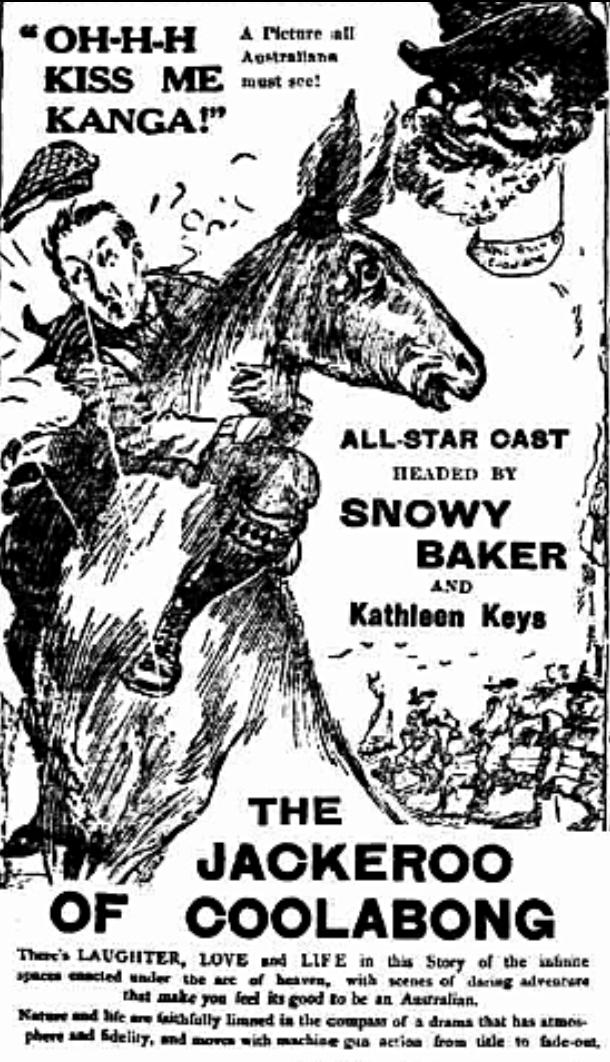
Wilfred Lucas
Community
Log in to comment.
"Look, if you can get past the whole 'silent film' thing, The Four Feathers from 1929 is actually _pretty good_. It’s not for everyone – if you need explosions every five minutes or crisp dialogue, you’ll probably find it a slog. But if you’re into grand adventure, historical stuff, or just want to see what early cinema could do, this one’s a solid pick. It has a surprising amount of punch. The story kicks off with Harry, a British officer, doing the unthinkable. He just up and quits his regiment..."
A.E.W. Mason, Hope Loring, Howard Estabrook, Julian Johnson, John Farrow
United States
Deep dive into the cult classic
Discover similar cinematic experiences
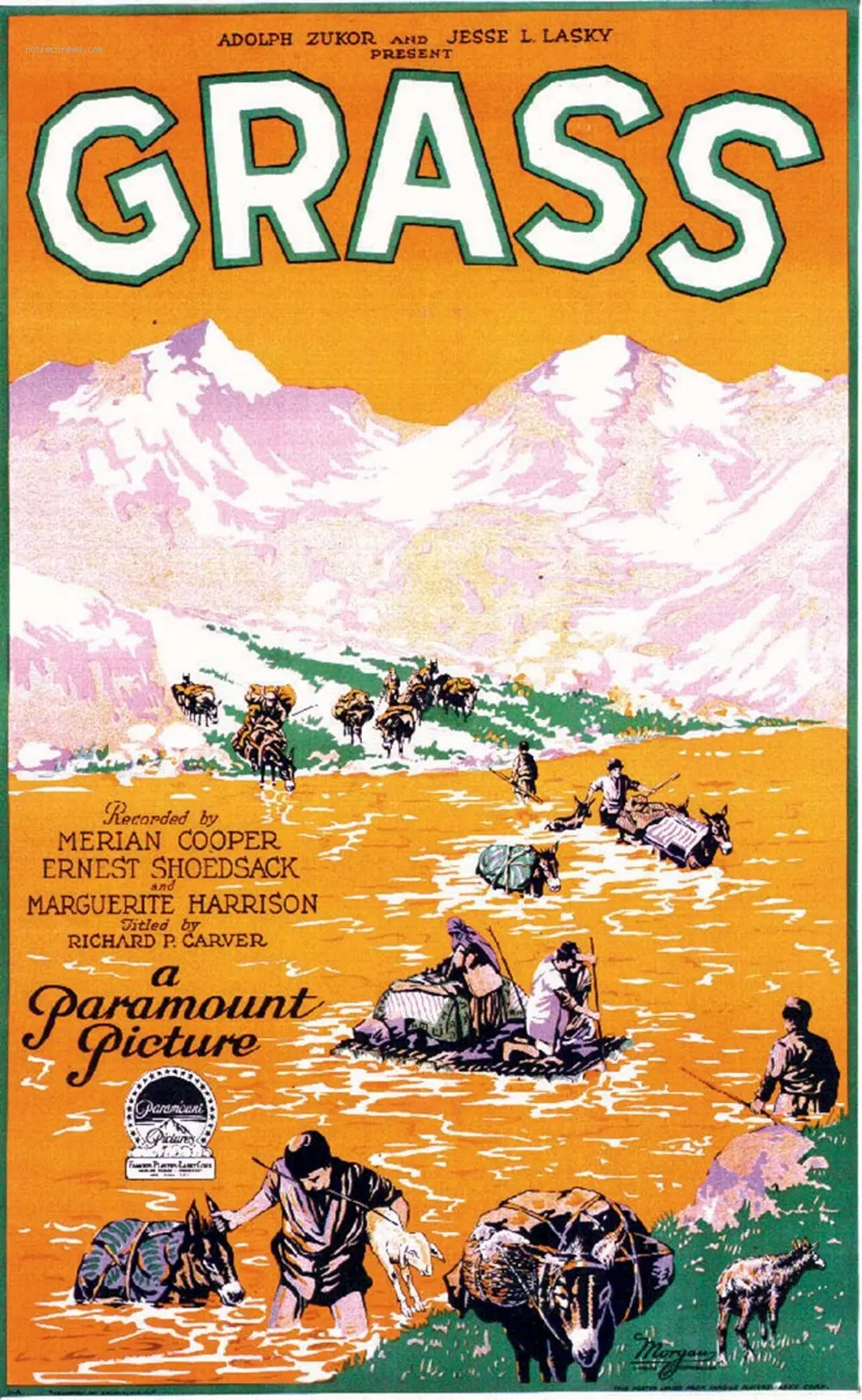
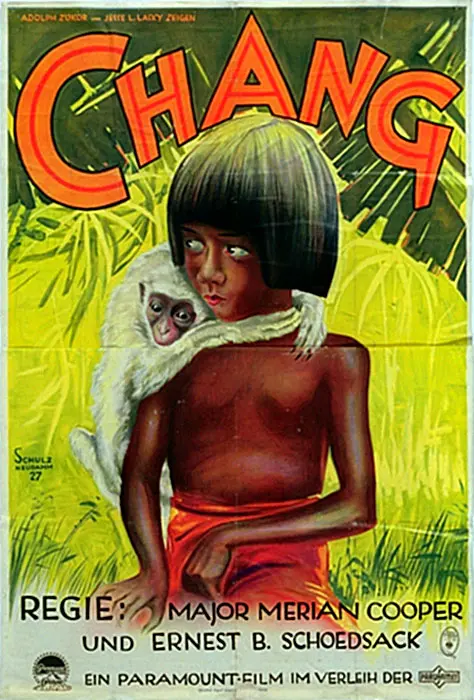
A Directorial Spotlight on Merian C. Cooper