DbcultAccessing Vault...
7.1/10
Senior Film Conservator
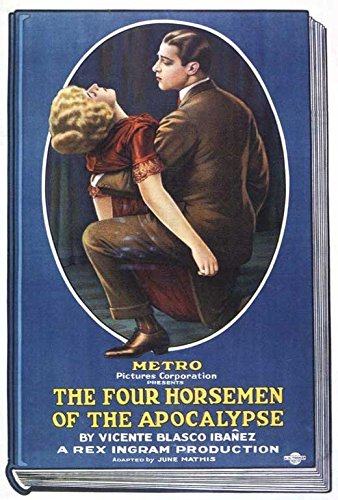
A definitive 7.1/10 rating for a film that redefined the boundaries of cult cinema. The Four Horsemen of the Apocalypse remains a cornerstone of transgressive art.
The first time I saw The Four Horsemen of the Apocalypse I walked out of the screening room feeling as if someone had replaced my bloodstream with frozen champagne; the second time I dreamed in sepia of collapsing balconies and tango bars converted into field hospitals. Rex Ingram’s 1921 juggernaut isn’t merely a film—it is a geological event in cinema strata, a tectonic shift that up-ended the tango craze, minted Rudolph Valentino as the first name on the marquee of eternity, and proved that a silent frame could scream louder than Dolby artillery.
Ingram opens with a shot that feels like a feverish oil painting: the Argentine pampas at golden hour, a ranch the size of a small republic, cattle moving in slow-motion like brown brushstrokes. Enter the Desnoyers—French vine-stock grafted onto South-American soil, speaking Spanish over Bordeaux at lunch, German over Sauternes at dinner. The polyglot disorder is not cosmopolitan chic; it is the seed of fratricide. When the war erupts, the family tree splits along national borders: one branch swears allegiance to the tricolor, another to the double-headed eagle, and the sap that once nourished both congeals into cordite.
The screenplay, adapted from Vicente Blasco Ibáñez’s bestseller by June Mathis (the shrewd story editor who discovered Valentino), refuses tidy acts; instead it fractures chronology like shrapnel. We leap from Parisian garrets to the Marne’s chalk cliffs, from Berlin’s cabarets to a prisoner’s cage in the Andes, each cut a suture tearing open. The effect is cubist: time and geography implode into a single, suffocating trench.
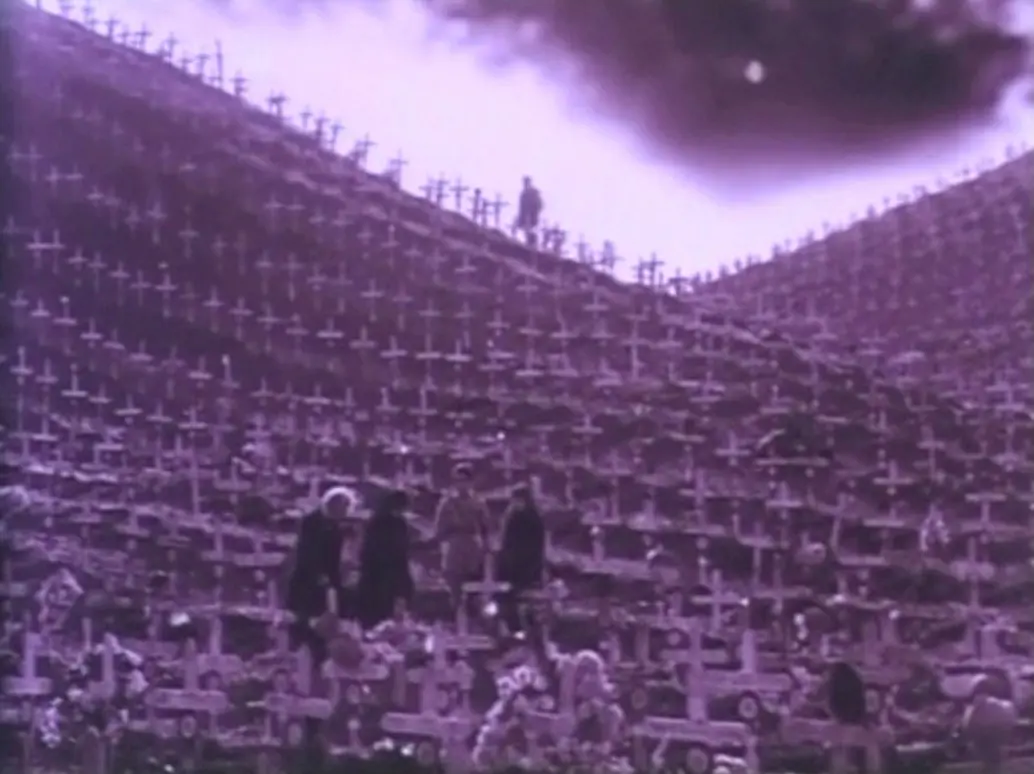
Before this film Valentino was a competent second-string gigolo in The Amazing Quest of Mr. Ernest Bliss and a cardboard sheik in tawdry quickies. Ingram’s camera remakes him into a panther in human form: every smolder is a prelude to catastrophe, every hip-swivel a geopolitical event. Julio Desnoyers, the tango-king turned reluctant soldier, is cinema’s first anti-hero pin-up—a man who seduces with the same intensity he later bayonets. Watch the way Valentino’s shoulders slide under gossamer fabric when Julio hears his first shell; the shirt trembles like a battle flag, the body beneath it already drafted by death.
The famous tango sequence—shot in a low-ceilinged Buenos Aires café thick with Gauloises smoke—has nothing to do with quaint exoticism. Each stomp is a prophecy of no-man’s-land foot-rot; each swivel of the woman’s dress prefigures the flapping of tents in a bombed field hospital. Ingram overlays the dance with double-exposures of galloping horsemen—War, Pestilence, Famine, Death—so that erotic heat and eschatological chill occupy the same celluloid breath.
Cinematographer John F. Seitz (later the noir poet behind The Danger Signal) pushes orthochromatic stock to its emulsion limits. Whites flare into solar flares; blacks swallow detail like tar pits. Notice the scene where Julio’s cousin, now a German Uhlan, gallops through a Belgian flax field: the grain renders the blossoms as metallic silver, so the rider seems to charge across a lake of molten coins—a visual metaphor for the war’s commodification of flesh.
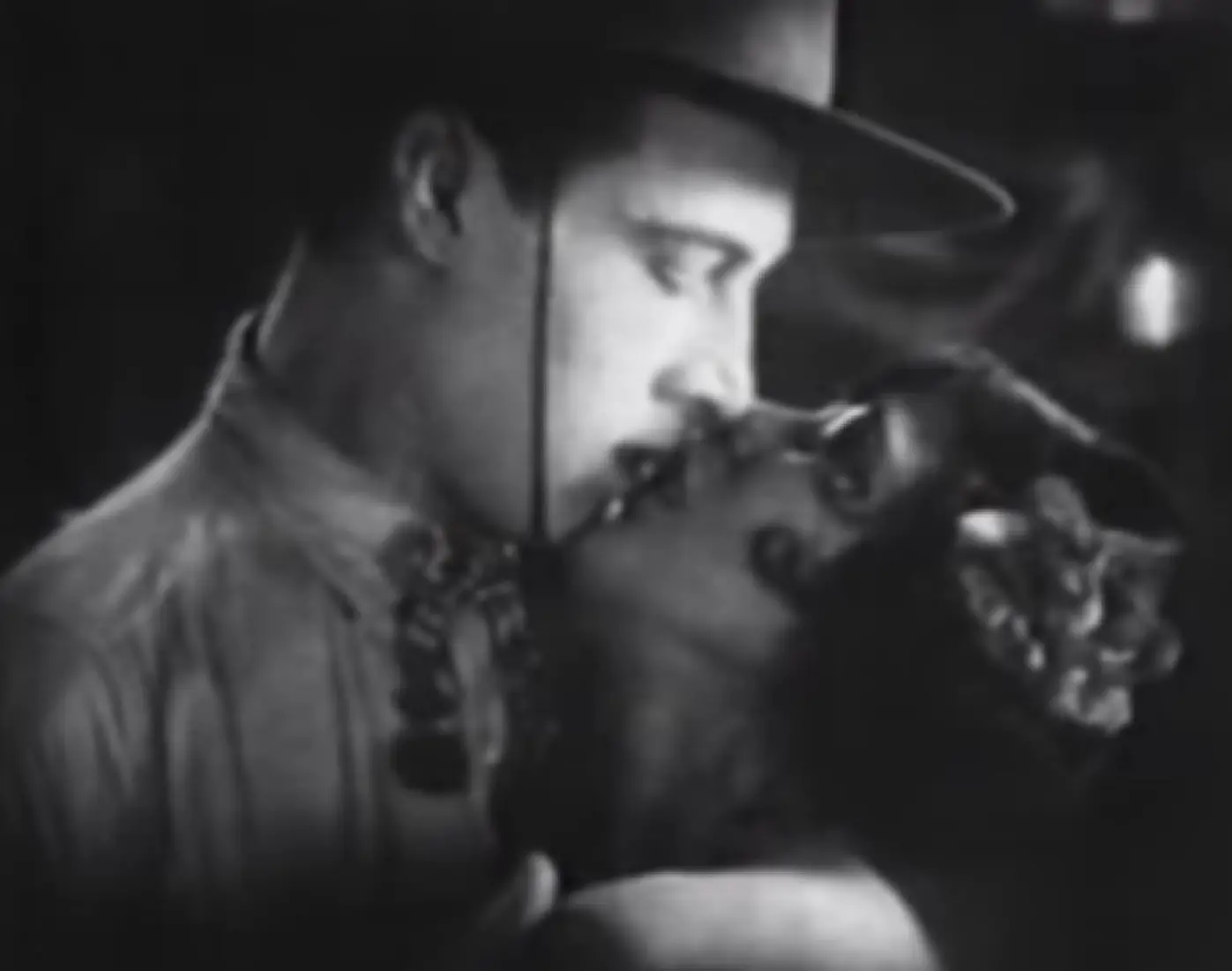
Ingram’s blocking is practically Shakespearean. In one dinner-table set-piece he places the clan’s patriarch (Josef Swickard) at the head, framed by candelabra that cast horn-like shadows, turning him into an unwilling Antichrist presiding over his progeny’s doom. The camera dollies back slowly until the family recedes into a cavernous void—an effect achieved by mounting the table on a moving platform, a precursor to the vertigo-inducing tracks Kubrick later adored.
Mathis’s intertitles read like haikus carved on coffin lids: “The grapes hung black with nightmares.” “He learned the geography of hate by heart.” Rather than merely exposit, they vibrate with modernist compression, anticipating the spare brutality of Hemingway’s early war dispatches. The film’s most devastating card appears after a montage of muddy corpses: “And the sun rose impartially.” Six words indict the cosmos.
Ingram pairs these cards with a visual metronome: recurring shots of a grandfather clock whose hands spin at hallucinatory speed, then freeze. Time itself is shell-shocked, unable to decide whether to accelerate toward annihilation or stop in traumatic suspension.
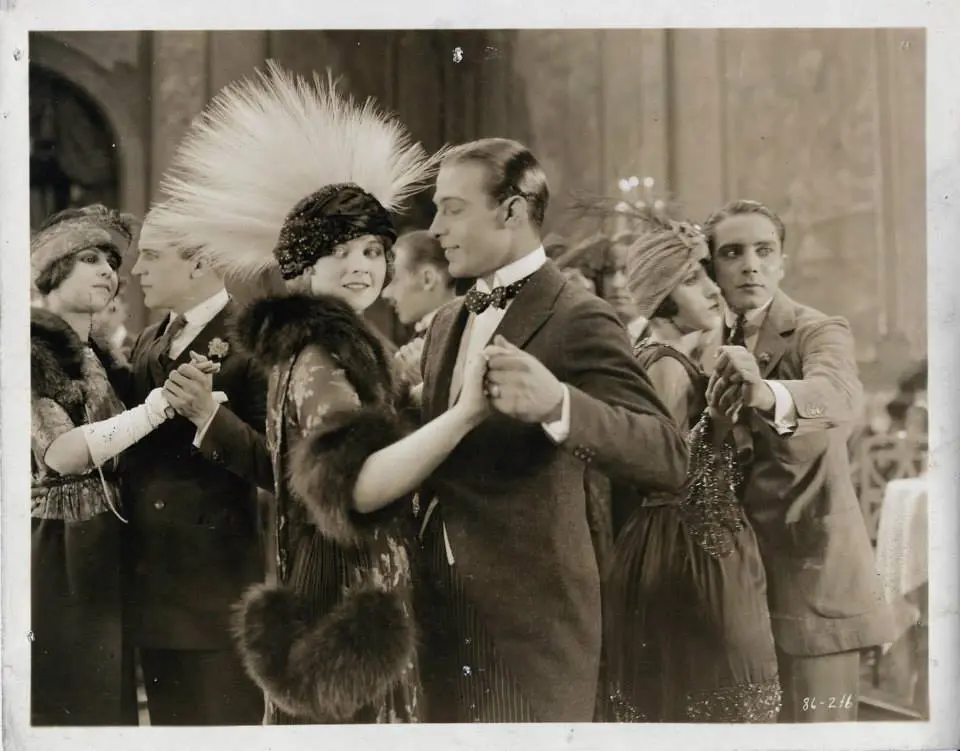
Alice Terry, Ingram’s wife and muse, plays the aristocratic Marguerite with glacial restraint; her cheekbones seem carved from the same marble as the family crypt. She underplays so rigorously that when she finally cracks—delivering a letter she knows will send Julio to his death—her single sob detonates like a howitzer.
Wallace Beery, still years away from his Oscar-winning lovable lugs, appears as a boisterous German sergeant whose bonhomie masks predatory cruelty. Watch the way he cracks walnuts in a railway carriage, each snap timed to the beat of artillery far off, turning snack into memento mori.
And then there is the uncanny valley of Harry Northrup’s Death—never named, never explained—a gaunt cavalry officer on a pale horse who materializes at every critical juncture. Ingram refuses to confirm whether he is hallucination, allegory, or simply the 20th century’s newly installed household god.
Grant Whytock’s cutting rhythms prefigure Eisensteinian montage by at least five years. In the film’s centerpiece, Ingram cross-cuts between Julio’s regiment going over the top and his cousin’s German unit fixing bayonets in the same frame composition; the match-action splice makes kinfolk charge into their own mirrored silhouettes. The splice is so precise that when the two men finally lock eyes in no-man’s-land, the audience gasps—not at narrative surprise but at ontological horror: they are fighting their mirror image.
Released mere months after Mr. Wu and Miss Nobody tested the limits of Orientalist melodrama, Four Horsemen became the Titanic of its day, earning back 30 times its unprecedented $800,000 budget. Valentino’s image was pressed onto soap, cigarettes, even condom tins. Studios, drunk on war-epic profits, green-lit a spate of copycats—Revelj, Vengeance, Daring Lions and Dizzy Lovers—but none captured the same cosmic dread.
Critics at the time balked at the film’s nihilism. “Too much sorrow for the popcorn crowd,” sniffed the New York Herald. Yet soldiers wrote from Verdun claiming they watched it on makeshift sheets between bombardments, weeping at the sense of pre-ordained doom. In Paris, a theatre on the Boulevard des Capucines ran it continuously for 28 months; projectionists claimed the final reel’s vinegar smell could revive the gassed.
Rewatching the film today feels like scrolling through a Twitter feed circa any given Tuesday: viral carnage, algorithmic partisanship, bloodlines weaponized. The Desnoyers’ disintegration prefigures Brexit Thanksgivings, Kiev weddings, Seoul funerals—families cleaved by flag. When Julio’s mother receives a telegram stamped “Missing in Action,” she does not collapse; she irons the paper flat and places it under her husband’s portrait, a 1916 version of pinning a digital memorial GIF.
And yet the film refuses catharsis. The final shot—two survivors silhouetted against a sunrise that looks suspiciously like mustard gas—offers no closure, only a perpetual dawn. Ingram understood that the 20th century’s true apocalypse was not war but memory without end.
A 4K restoration premiered at Bologna’s Il Cinema Ritrovato in 2022, accompanied by a new score from the Murnau Foundation. Kino Lorber’s Blu-ray pairs the film with an audio essay by historian Kevin Brownlow that unpacks the queer subtext between Julio and his German cousin—an interpretation Ingram only hinted at with lingering hand-to-hand combats that look more like embraces. Avoid fuzzy YouTube rips; the devil of this film is in the emulsion grain.
If you binge silent war melodramas, pair it with Loaded Dice for post-war cynicism or In the Bishop’s Carriage for another Mathis-penned tale of fallen grace. But nothing—and I mean nothing—prepares you for the moment when Valentino’s eyes meet the camera, and you realize the fourth horseman is you, the viewer, drafted into memory’s endless charge.
IMDb —
1932
Community
Log in to comment.