DbcultAccessing Vault...
Cult Review
Senior Film Conservator
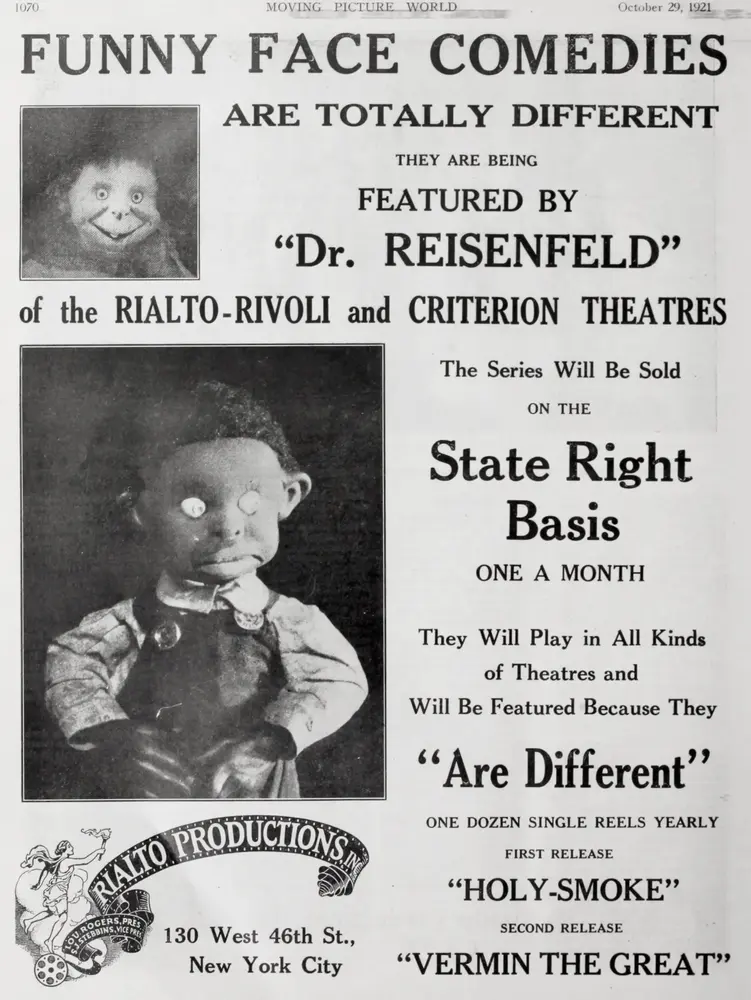
In the pantheon of early 20th-century cinema, few works manage to capture the claustrophobic malaise of urban existence with the same unrelenting ferocity as Vermin the Great. This is not merely a film; it is a sprawling, ink-stained canvas that depicts the friction between the gilded heights of industrial success and the damp, lightless foundations upon which that success is built. The director utilizes a visual language that feels almost atavistic, drawing upon the sharp angles of German Expressionism while maintaining a grounded, almost documentary-like focus on the textures of poverty. Every frame is saturated with the weight of history and the grime of the machine age, creating a sensory experience that lingers long after the final flicker of the projector.
The cinematography leverages a chiaroscuro technique that rivals the most evocative moments in The Sea Wolf, yet here, the ocean is replaced by a sea of brick and iron. The camera moves with a predatory grace, weaving through alleyways that feel like the intestines of a dying beast. We are introduced to Arthur Pringle not through a traditional establishing shot, but through a series of fragmented close-ups: a cracked fingernail, a tattered lapel, a pair of eyes that have seen too much and expected too little. This fragmented introduction mirrors the protagonist's own fractured identity, setting the stage for a narrative that is as much about the reclamation of the self as it is about the subversion of social order.
Arthur Pringle, portrayed with a mercurial intensity that defies the era's penchant for theatricality, is a character of profound complexity. He is the 'Vermin' of the title, a moniker he wears like a suit of rusted armor. Unlike the sentimentalized depictions of the downtrodden found in The Old Nest, Pringle is neither saintly nor particularly pitiable. He is a product of his environment—hard, opportunistic, and deeply cynical. His 'greatness' is not born of a noble heart, but of a keen, survivalist intellect that recognizes the inherent fragility of the structures that oppress him.
When Pringle discovers the ledger books, the film shifts its tonal gears with startling precision. We see a man who has been ignored his entire life suddenly realize that he holds the keys to the kingdom. This transition is handled with a subtlety that is rare for the period. There are no grand speeches, only a tightening of the jaw and a predatory glint in the eye. It is a performance that echoes the eccentric brilliance of characters like those in Mr. Opp, yet it carries a much darker, more subversive undercurrent. Pringle does not seek to join the elite; he seeks to mirror their corruption back at them, becoming a grotesque reflection of their own greed.
To understand the magnitude of Vermin the Great, one must look at how it navigates the tropes of its contemporaries. While The Queen of Sheba relied on the sheer scale of its production and historical grandeur to captivate audiences, *Vermin* finds its spectacle in the microscopic details of human suffering and triumph. The tension is not derived from chariot races or epic battles, but from the quiet, agonizing moments of suspense that remind one of the procedural intrigue in De røvede Kanontegninger. The film understands that the greatest threat is often the one that goes unnoticed until it is too late.
Furthermore, the social critique embedded within the narrative is far more biting than the polite domestic satire found in The Stimulating Mrs. Barton. Where that film gently pokes fun at the eccentricities of the middle class, *Vermin the Great* tears at the throat of the establishment. It shares a certain thematic DNA with Under Suspicion, particularly in its exploration of how social standing dictates the perception of guilt and innocence. However, Pringle is never merely 'under suspicion'; he is convicted by his birthright, and his journey is one of escaping a sentence he never earned.
The production design of the film deserves a treatise of its own. The sets are not merely backgrounds; they are active participants in the drama. The juxtaposition of Pringle's damp cellar with the opulent, overstuffed drawing rooms of the elite creates a visual dissonance that is deeply unsettling. The use of shadow is particularly masterful, often obscuring the faces of the powerful, suggesting that their identities are interchangeable and their humanity has been subsumed by their status. This visual strategy is far more sophisticated than the straightforward storytelling of The Skipper's Narrow Escape, opting instead for a symbolic depth that requires multiple viewings to fully unpack.
One cannot help but notice the Dickensian echoes in the narrative, though they are stripped of Dickens' sentimentality. There are shades of Barnaby Rudge in the way the film depicts the chaotic energy of the masses, yet *Vermin* focuses that energy into a laser-sharp critique of individual agency. The film posits that in a world designed to crush the spirit, 'greatness' can only be achieved through a radical, often violent, reimagining of the self. This is a theme that resonates with the gritty realism of Centocelle, albeit filtered through a much more stylized, almost mythic lens.
Many films of this era follow a predictable path of redemption or moral clarity, such as the lighthearted escapades in This Way Out or the idealistic fervor of The Dawn of Freedom. *Vermin the Great* rejects these easy resolutions. Pringle’s climb to the top is not a triumph of the human spirit; it is a cold, calculated conquest. The film suggests that to beat the system, one must become a master of its darkest arts. This moral ambiguity makes the film feel startlingly modern, predating the anti-hero tropes that would define cinema decades later.
The climax of the film, involving a high-stakes confrontation that puts even the tension of $5,000 Reward to shame, is a masterclass in pacing. The editing becomes frenetic, mirroring Pringle’s racing pulse as he realizes the magnitude of his gamble. It is a sequence that captures the sheer terror of social mobility in a world where the ladder is rigged to collapse. Unlike the romanticized history of When Broadway Was a Trail, *Vermin* shows the city as a living, breathing antagonist that devours those who dare to challenge its hierarchy.
Ultimately, Vermin the Great is a film that refuses to offer comfort. It is as much a warning as it is a story. It captures the frantic energy of a world on the brink of collapse, where the only way to survive is to embrace the very labels the world uses to diminish you. It stands in stark contrast to the whimsical nature of Dodging a Million, reminding us that for most, there is no dodging the systemic realities of their existence; there is only the choice of how to face them.
The film’s enduring power lies in its refusal to blink. It looks directly into the gutter and sees not just the filth, but the potential for a terrifying, transformative power. Arthur Pringle is a ghost in the machine who decides to stop haunting and start dismantling. In doing so, the film creates a cinematic experience that is as intellectually stimulating as it is emotionally draining. It is a quintessential piece of art that demands to be seen, discussed, and remembered as a pivotal moment in the evolution of the social thriller. The 'Vermin' may be small, but his shadow is long enough to cover the entire city, and in that shadow, we find the true, unfiltered heart of the human condition—raw, desperate, and undeniably great.
IMDb 5.3
1926
Community
Log in to comment.