DbcultAccessing Vault...
6.8/10
Senior Film Conservator
A definitive 6.8/10 rating for a film that redefined the boundaries of cult cinema. The Fraidy Cat remains a cornerstone of transgressive art.
Step into the charming, often chaotic, world of silent cinema, and you'll inevitably encounter figures whose comedic genius transcends the lack of spoken dialogue. One such luminary is Charley Chase, a performer whose nuanced blend of physical comedy and relatable characterizations carved a unique niche in the annals of early film. His 1924 vehicle, 'The Fraidy Cat,' offers a quintessential glimpse into his artistry, presenting a narrative that, while ostensibly simple, delves into the universal themes of fear, courage, and the often-hilarious journey of self-discovery. This film, a delightful confection of gags and character-driven humor, stands as a testament to the era's ability to tell compelling stories with visual panache and an innate understanding of human foibles.
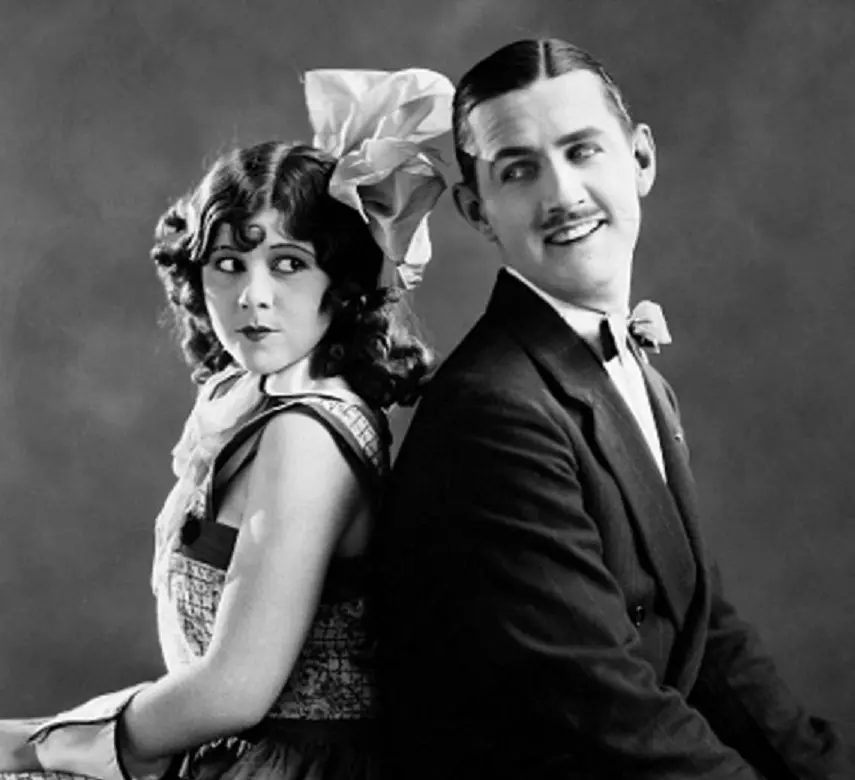
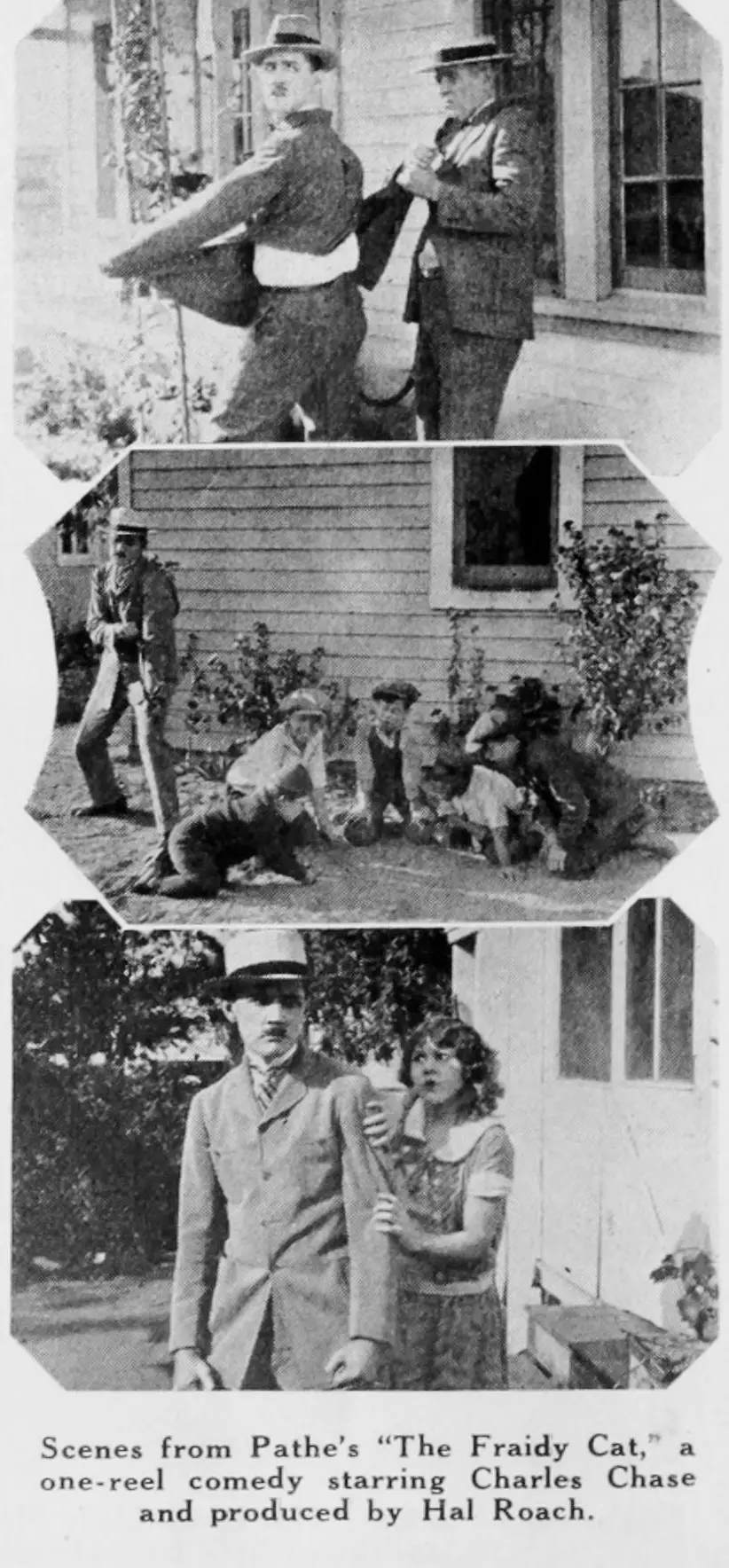
At its core, 'The Fraidy Cat' is a character study, albeit one wrapped in the vibrant trappings of slapstick comedy. Our protagonist, Jimmy Jump, portrayed with exquisite timidity by Chase, is a man utterly dominated by an almost crippling apprehension. His fear isn't merely a passing emotion; it's a defining characteristic, a pervasive shadow that dictates his every move and interaction. He doesn't just lack courage; he actively recoils from anything that might remotely challenge his fragile sense of security. This is a man so consumed by trepidation that the boisterous play of neighborhood children, a sight that might evoke nostalgic amusement in others, sends him scurrying into hiding, a ludicrous image given his adult years. Chase's performance here is masterful, conveying Jimmy's perpetual state of anxiety through subtle facial expressions, hesitant body language, and a general air of perpetual unease that is both pitiable and profoundly funny.
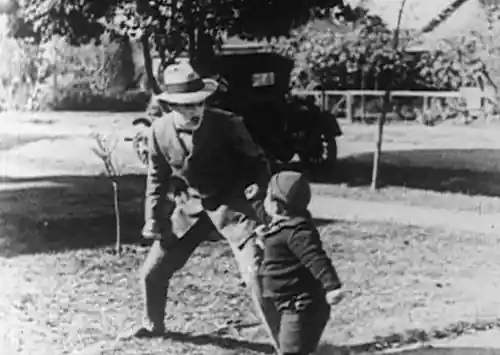
Jimmy's romantic pursuits, predictably, are equally hampered by his fundamental lack of bravery. He harbors a tender affection for Dorothy, a woman whose charms are evident, but his inability to assert himself renders him a perpetual underdog. Enter Lem Tucker, played by an uncredited but effectively boisterous actor, the archetypal rival whose swagger and self-assurance stand in stark contrast to Jimmy's shrinking violet persona. Tucker embodies everything Jimmy is not: confident, perhaps even a bit aggressive, and unafraid to pursue his desires with gusto. This dynamic sets up a classic comedic triangle, a staple of silent film narratives, where the timid suitor must somehow overcome his inherent nature to win the object of his affection. The humor often derives from Jimmy's pathetic attempts to compete, which invariably end in further embarrassment or retreat.
The film truly hits its stride when it introduces the catalyst for Jimmy's unexpected transformation. In a stroke of narrative genius, it is not genuine courage born from an internal epiphany that propels Jimmy forward, but rather a profound misunderstanding of his own mortality. Believing himself to be on the precipice of death, a mistaken belief that is, in itself, a source of dark comedy, Jimmy experiences a seismic shift in his perspective. When all seems lost, when the ultimate fear has been confronted (or so he believes), the lesser fears that once governed his life suddenly seem trivial. This dramatic irony is the engine of the film's second act, allowing Chase to explore the hilarious consequences of a man suddenly unburdened by his lifelong phobias.
This newfound, albeit temporary, bravery manifests in a series of uproarious sequences. Jimmy, who once cowered, now confronts his tormentors, stands up to Lem Tucker, and perhaps even makes bold advances towards Dorothy. The humor lies in the jarring contrast between his former self and this emboldened, almost reckless, iteration. It's a comedic tour de force, with Chase expertly navigating the physical comedy required to portray a man suddenly liberated from his inhibitions. The audience is invited to revel in Jimmy's temporary triumph, knowing that the foundation of his courage is built on a house of cards, a delightful piece of dramatic tension that keeps the viewer engaged.
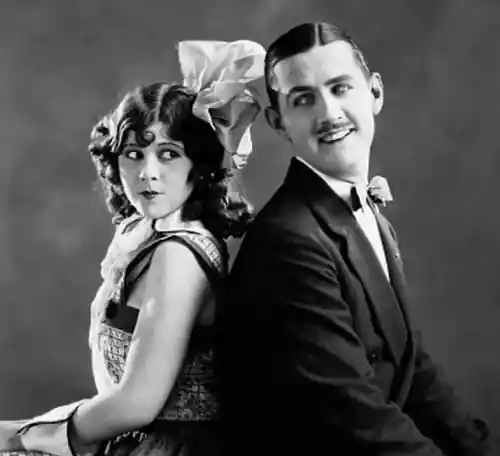
The supporting cast, including Emma Tansey as Dorothy, Ernest Morrison, Andy Samuel, Beth Darlington, Joe Cobb, Chris Lynton, Earl Mohan, Helen Gilmore, and Mickey Daniels, contribute to the film's vibrant atmosphere. While some roles are brief, they collectively create the bustling, often chaotic environment that Jimmy navigates. Emma Tansey, in particular, embodies the innocent charm of the era's leading ladies, providing a compelling reason for Jimmy's desperate attempts at heroism. The collective energy of these performers, often seen in various Hal Roach productions, adds a layer of authenticity and boisterousness that grounds the comedic chaos.
Charley Chase's comedic style in 'The Fraidy Cat' is a masterclass in understated physical humor and relatable characterization. Unlike the more exaggerated, almost balletic movements of a performer like Chaplin, as seen in `The Essanay-Chaplin Revue of 1916`, Chase often relied on a more naturalistic approach, making his characters feel like genuine, if slightly exaggerated, individuals. His reactions to fear are not grand gestures but rather subtle flinches, wide-eyed stares, and a general shrinking posture that perfectly conveys his internal state. When he suddenly becomes brave, the transition is marked by a newfound swagger, a straightened posture, and a direct gaze, all executed with a comedic precision that avoids becoming overtly cartoonish. This approach allows the audience to genuinely empathize with Jimmy, even as they laugh at his predicaments.
The narrative's central conceit, that of mistaken identity or a profound misunderstanding leading to unexpected consequences, is a timeless comedic trope. We see echoes of this in countless films, where characters are forced into situations that challenge their preconceived notions of themselves. In 'The Fraidy Cat,' this trope is used to explore the arbitrary nature of courage, suggesting that sometimes, it's not an inherent quality but a response to perceived extremity. The film brilliantly plays with the idea that the greatest fears are often those we construct in our own minds, and that a sudden, external catalyst can shatter these self-imposed limitations, even if only for a fleeting moment.
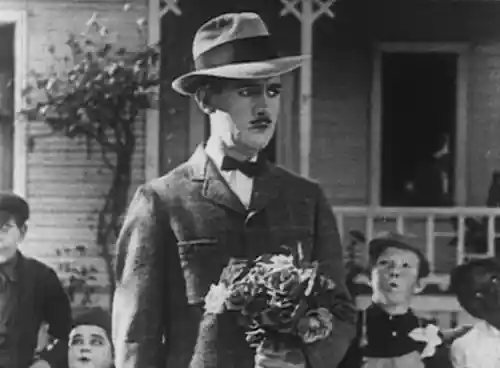
The film's ultimate question—will Jimmy's courage last?—is what elevates it beyond mere slapstick. It injects a layer of emotional resonance into the comedic proceedings. The audience is left to ponder whether true bravery can be cultivated, or if it's merely a transient state induced by extraordinary circumstances. This lingering uncertainty adds a philosophical depth to what is, on the surface, a lighthearted comedy. It asks us to consider the nature of personal growth and whether a foundational personality trait can be truly altered by a singular, impactful event. This thematic exploration sets 'The Fraidy Cat' apart, giving it a lasting appeal that transcends its historical context.
Comparisons to other silent films dealing with personal transformation or the overcoming of adversity can be illuminating. While 'The Fraidy Cat' leans heavily into comedy, films like `A Soul Enslaved` (1916) or even the more dramatic `The Witching Hour` (1920) explore the internal battles of characters facing profound changes, albeit with entirely different tones. Chase's film uses humor as its primary lens, making the journey of self-discovery not a solemn affair but a series of uproarious misadventures. It demonstrates how comedy can be a powerful vehicle for exploring deep psychological shifts, making the audience laugh while simultaneously pondering the deeper implications of Jimmy's character arc.
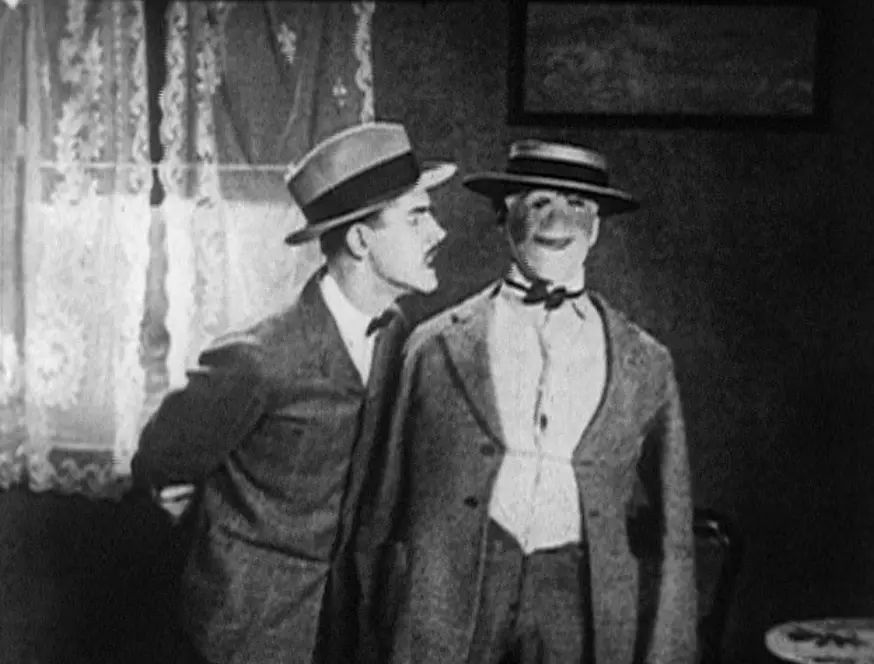
The direction of 'The Fraidy Cat,' typical of Hal Roach's efficient and gag-driven productions, ensures a brisk pace and clear visual storytelling. Each scene is constructed to maximize comedic impact, with precise timing and well-executed physical gags. The film's visual language, while lacking the elaborate sets of some contemporary dramas, is effective in conveying the story and character emotions. The use of close-ups to capture Chase's nuanced expressions, and wider shots to establish the chaotic environments, demonstrates a keen understanding of cinematic grammar even in the early days of filmmaking. It's a testament to the fact that compelling narratives don't always require immense budgets or complex special effects; often, it's the simple, well-told stories that resonate most deeply.
'The Fraidy Cat' is more than just a historical curiosity; it's a vibrant piece of comedic cinema that continues to entertain and provoke thought. Charley Chase's performance as Jimmy Jump is a highlight, showcasing his ability to blend broad physical comedy with a touch of pathos. The film's exploration of fear, courage, and the transformative power of belief (even mistaken belief) resonates just as strongly today as it did nearly a century ago. It reminds us that sometimes, the greatest leaps of courage are born not from innate bravery, but from moments of profound desperation or, as in Jimmy's case, a hilarious misinterpretation of impending doom.
In an era defined by the visual narrative, 'The Fraidy Cat' stands as an exemplary instance of how silent films, through the sheer talent of their performers and the ingenuity of their storytellers, could capture the full spectrum of human experience. It's a film that invites repeated viewings, each time revealing new layers of comedic brilliance and character insight. For those exploring the rich tapestry of silent film, or simply seeking a hearty laugh, Jimmy Jump's journey from quivering cowardice to temporary, misguided heroism is an absolute must-see. It's a charming, insightful, and endlessly amusing testament to the enduring power of classic comedy.
IMDb 6.1
1926
Community
Log in to comment.