DbcultAccessing Vault...
5.7/10
Senior Film Conservator
A definitive 5.7/10 rating for a film that redefined the boundaries of cult cinema. Rivalen remains a cornerstone of transgressive art.
Stepping back into the cinematic landscape of 1923, one encounters Rivalen, a film that, even a century later, retains a peculiar charm and a surprisingly prescient vision of technological anxieties. Directed by and starring the charismatic Harry Piel, this silent era adventure plunges its audience into a world teetering on the cusp of scientific marvel and moral decay. It’s an audacious spectacle, a veritable playground of early science fiction tropes, and a testament to Piel’s enduring appeal as a daredevil hero.
The narrative thrust of Rivalen is deceptively simple: a heroic rescue mission. Yet, the execution is anything but. Piel, in his dual role, crafts a tale where the stakes are elevated by the sheer novelty of the threats. Our protagonist, also named Harry, is tasked with the unenviable duty of liberating the inventor's beautiful daughter from the malevolent grasp of a madman. This isn’t a mere strongman versus villain scenario; it’s a battle against the nascent fears of mechanization and the insidious potential of scientific discovery when wielded by an unhinged mind. The film wastes no time in establishing its fantastical premise, throwing Harry into a gauntlet of sparking robots and shadowy, submersible craft. For its time, these elements must have been nothing short of breathtaking, a bold leap into the speculative future that few films dared to explore with such gusto.
Harry Piel, a household name in German cinema of the period, embodies the quintessential action hero with an effortless blend of physical prowess and understated charm. His performance in Rivalen showcases why he was often dubbed Germany's answer to Douglas Fairbanks. Piel’s physicality is central to the film's appeal; he leaps, dodges, and grapples with an agility that belies the relatively primitive filmmaking techniques of the era. His encounters with the mechanical adversaries are particularly noteworthy. While today's audiences might find the robots quaint, their jerky movements and glowing eyes would have instilled a genuine sense of unease and wonder in 1923. Piel’s reactions, his quick thinking, and his sheer determination in the face of these metallic threats are what anchor the fantastical elements in a human struggle. He’s not just fighting machines; he's fighting an idea—the subjugation of humanity by technology.
The supporting cast, though often overshadowed by Piel’s magnetic presence, contributes significantly to the film's texture. Inge Helgard, as the imperiled daughter, delivers a performance that oscillates between fragility and nascent strength, providing a compelling emotional core for Harry’s heroic endeavors. The villain, portrayed with chilling conviction by an uncredited actor (or perhaps one of the listed, but the madness is universal), is a masterclass in silent film villainy—all exaggerated gestures, piercing stares, and an aura of intellectual menace. Karl Platen, Charly Berger, and Adolf Klein, among others like Maria Wefers and Albert Paulig, populate this world, lending it a sense of lived-in reality despite the fantastical plot. Their reactions to the unfolding chaos, their subtle expressions of fear or surprise, ground the narrative and prevent it from veering too far into pure camp. The ensemble works in concert to build a believable, albeit heightened, reality where such outlandish events could conceivably transpire.
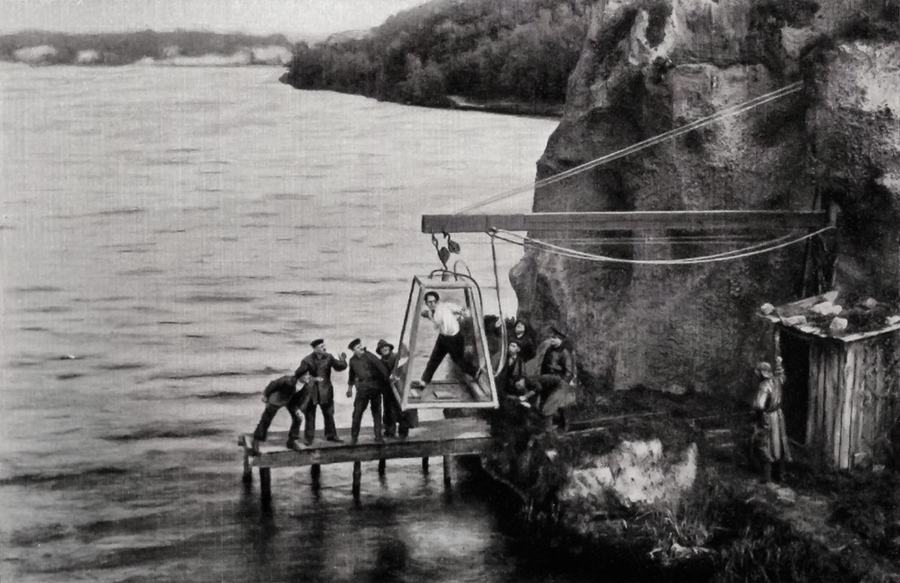
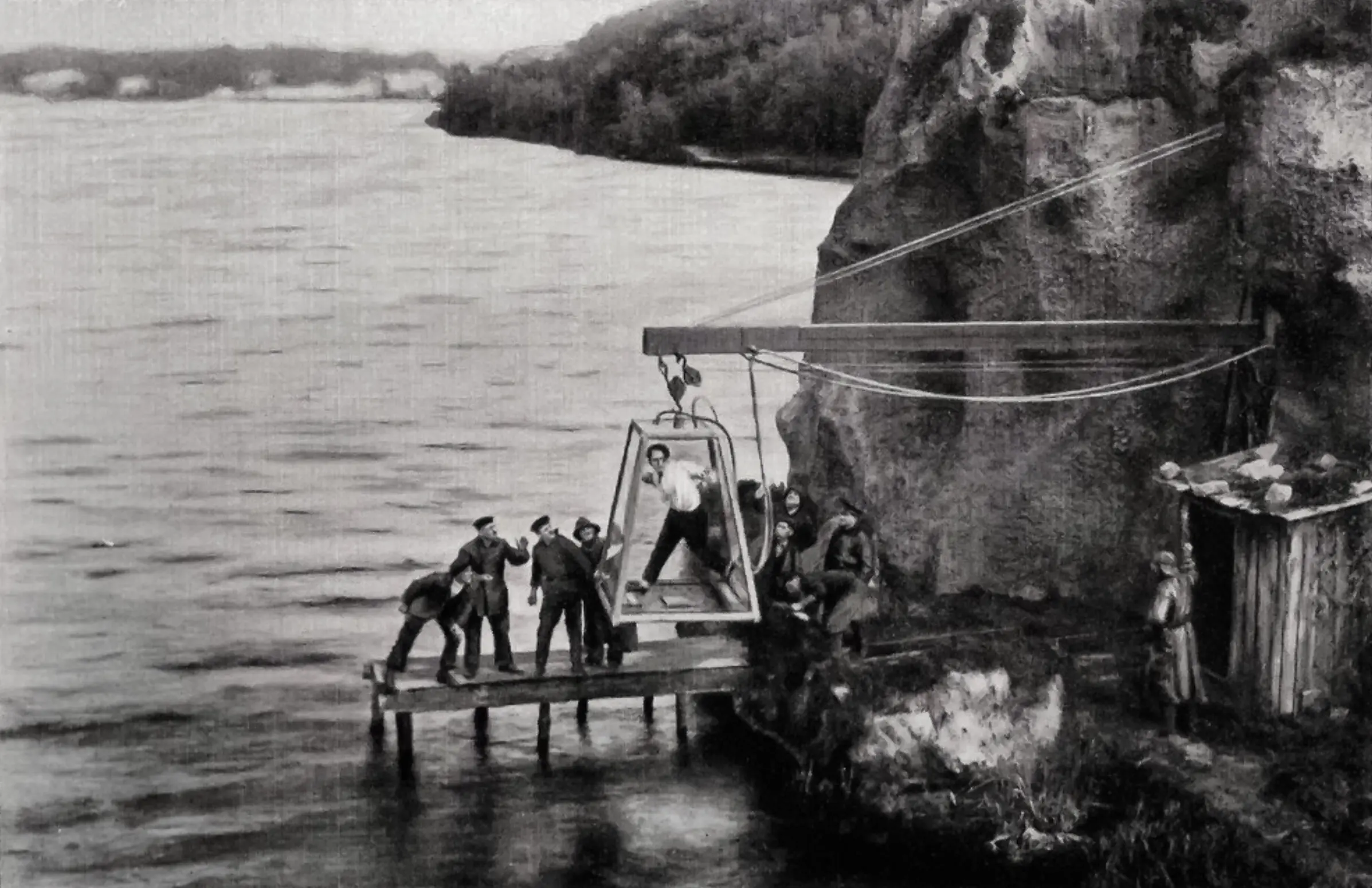
The technical ambition of Rivalen is arguably its most striking feature. The robots, crude by modern standards, are nevertheless effective. Their clunky, almost stop-motion-like movements create an uncanny valley effect, making them genuinely unsettling. The mysterious submarines, gliding through murky waters, evoke a sense of clandestine operations and hidden dangers, tapping into the public's fascination with nascent underwater technology. The film leverages practical effects and ingenious camera work to bring these elements to life, demonstrating a remarkable ingenuity on a budget that would likely pale in comparison to later blockbusters. This pioneering spirit in special effects, even if rudimentary, sets Rivalen apart from many of its contemporaries, hinting at the grand spectacles that cinema would eventually become capable of producing.
Writers Victor Abel, Alfred Zeisler, and Harry Piel himself, weave a narrative that, while prioritizing action and spectacle, doesn't entirely neglect thematic depth. At its core, Rivalen grapples with the anxieties surrounding technological advancement. The inventor's creations, designed for progress, are twisted into instruments of tyranny. This raises questions about the ethics of scientific discovery and the responsibility of those who wield such power—themes that remain remarkably pertinent today. The film, through its visual storytelling, invites audiences to contemplate the fine line between innovation and destruction, a concept explored in various forms throughout cinematic history, from early serials to modern blockbusters. It's a silent film that speaks volumes about humanity's relationship with its creations.
Compared to other adventure films of its period, Rivalen holds its own. While it lacks the exotic locales of something like The Arab or the historical pageantry of Richelieu, it compensates with a unique blend of scientific fantasy and thrilling escapades. The relentless pacing and continuous sense of peril might even draw parallels to the more grounded but equally suspenseful narratives found in films like A Dangerous Affair, where the hero is constantly battling against overwhelming odds. Piel's film distinguishes itself by embracing the futuristic, venturing into territory that few others dared to tread with such conviction. It's less about historical accuracy or romantic intrigue, and more about the visceral thrill of an impossible rescue against an unknown, technological foe.
The visual language of Rivalen is a masterclass in silent film aesthetics. The use of shadows and light is particularly effective in creating mood and tension. The madman’s lair, often bathed in dramatic chiaroscuro, feels genuinely ominous, a den of scientific evil. The exterior shots, whether of bustling cityscapes or the open sea, are captured with a keen eye for detail, providing a rich backdrop for the unfolding drama. There are moments of genuine cinematic artistry, where the framing and composition elevate the simple plot into something more profound. The interplay between human action and mechanical threat is conveyed visually through dynamic editing and clever shot choices, maintaining a brisk pace that keeps the audience engaged despite the lack of spoken dialogue. It's a testament to the power of pure visual storytelling.
One cannot discuss Rivalen without acknowledging its place within the broader context of German cinema. While not as overtly Expressionistic as some of its contemporaries, it shares a certain fascination with the macabre and the uncanny, themes that permeated much of German art and film in the Weimar era. The mad scientist trope, the creation of artificial life, and the underlying sense of societal unease are all elements that resonate with the broader cultural anxieties of a nation grappling with the aftermath of war and the rapid pace of industrialization. Piel’s film, therefore, can be viewed not just as an entertaining adventure, but also as a subtle reflection of its time, mirroring the hopes and fears that gripped a society on the brink of profound change.
The legacy of Rivalen, while perhaps not as widely celebrated as some other silent masterpieces, is undeniably significant. It stands as an early example of the science fiction action film, a precursor to countless thrillers that would follow. It demonstrates Piel's versatility not just as an actor, but as a director and co-writer capable of orchestrating complex narratives and technical challenges. For silent film aficionados and enthusiasts of early genre cinema, Rivalen offers a fascinating glimpse into a period of boundless creativity and daring experimentation. It's a film that demands to be seen, not just as a historical curiosity, but as a vibrant, engaging piece of cinematic art that continues to resonate with its themes of human ingenuity and moral responsibility.
Ultimately, Rivalen is more than just a relic from a bygone era; it's a pulsating adventure, a prescient sci-fi narrative, and a showcase for the talents of Harry Piel. Its robots may spark with vintage charm, and its submarines may glide with an antique grace, but the underlying narrative of good versus evil, man versus machine, and courage in the face of overwhelming odds remains as potent as ever. It's a film that challenges our perceptions of what was possible in early cinema, proving that even without sound, the silver screen could transport audiences to worlds of wonder and terror, leaving an indelible mark on the imagination. A true gem that deserves its place in the pantheon of early genre cinema, reminding us that innovation and daring storytelling are timeless qualities.
The journey Harry undertakes to rescue the inventor's daughter isn't just a physical one; it's a symbolic battle against the very forces of dehumanization that technology, unchecked by ethics, can unleash. The gleaming, unfeeling surfaces of the robots and the cold, silent depths navigated by the submarines serve as powerful metaphors for the soulless ambition of the madman. It's a testament to the filmmakers' vision that these abstract concepts are made so tangible and thrilling. The film ensures that the audience feels the urgency of Harry's quest, the palpable danger presented by each metallic adversary, and the sheer audacity of the villain's plans. This isn't just a chase; it's a confrontation with the future, as imagined a century ago, filled with both awe and dread. The vibrant colors of our analysis, like the dark orange of passion, the yellow of intellectual curiosity, and the sea blue of depth, reflect the multifaceted nature of this cinematic experience.
IMDb 6
1935
Community
Log in to comment.