DbcultAccessing Vault...
Cult Review
Senior Film Conservator
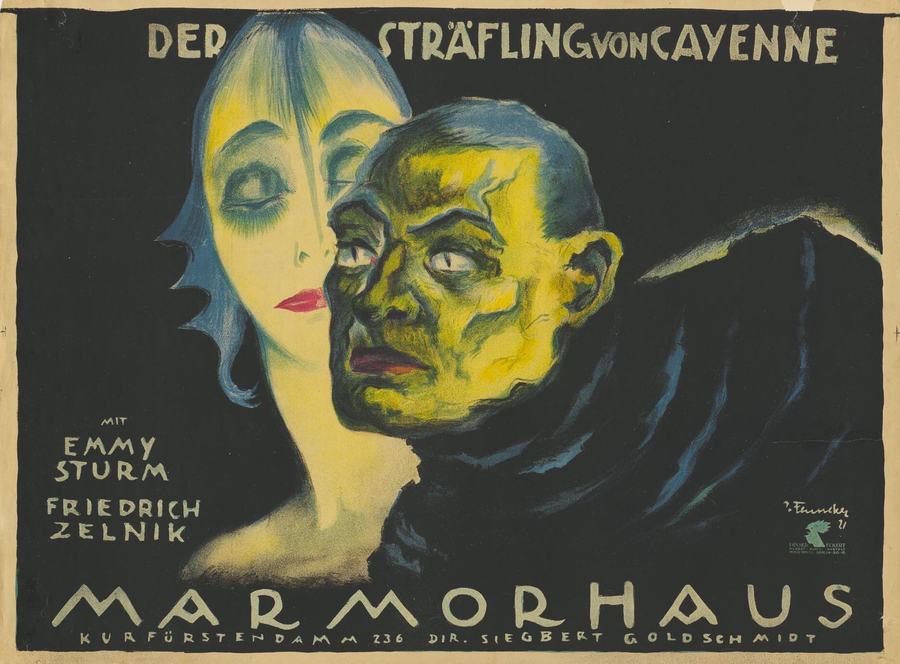
The year 1921 represents a fascinating juncture in the evolution of German cinema, a period where the shadows of Expressionism began to lengthen over more naturalistic, socio-political narratives. Der Sträfling von Cayenne, directed by Léo Lasko, stands as a formidable, if often overlooked, monolith within this era. It is a film that does not merely depict suffering; it breathes it, exhaling a thick atmosphere of despair that rivals the most claustrophobic works of the decade. While many contemporary films sought refuge in the fantastical or the historical, Lasko’s work confronts the brutal reality of the penal colony with a gaze that is both unflinching and deeply poetic.
The screenplay, penned by the collaborative duo of Fanny Carlsen and Léo Lasko, is a masterclass in narrative tension. It deviates significantly from the lighter fare of the period, such as the comedic whimsy found in Spooky Spooks, by grounding its stakes in the irrevocable loss of time and dignity. The plot avoids the simplistic beats of a standard prison break movie. Instead, it lingers on the corrosive nature of the Cayenne environment. This is not the stylized, almost theatrical legal drama one might encounter in Circumstantial Evidence (1920); rather, it is a slow-burn exploration of a man’s internal landscape as it is systematically dismantled by the state.
The narrative structure utilizes a series of vignettes that emphasize the cyclical nature of penal life. We see the protagonist not as a hero in the traditional sense, but as a vessel for the audience’s empathy. The writers cleverly contrast the protagonist's past life—filled with the bourgeois comforts of the Weimar middle class—with the stark, skeletal reality of the colony. This juxtaposition heightens the sense of tragedy, making his fall feel all the more precipitous. Unlike the moralistic overtones of The Mark of Cain (1917), Der Sträfling von Cayenne offers no easy path to redemption, suggesting that the scars of such an ordeal are permanent and transformative.
At the heart of the film lies the titanic performance of Albert Steinrück. Known for his ability to convey immense psychological weight with minimal movement, Steinrück portrays the convict with a staggering level of authenticity. His face, a landscape of deep-set lines and weary eyes, becomes the film's primary emotional barometer. He captures the transition from disbelief to resignation, and finally to a hardened, animalistic survival instinct. It is a performance that anticipates the great realist turns of the late silent era, eschewing the broad gestures of early cinema for a more nuanced, internalized approach.
The supporting cast is equally impressive, providing a rich tapestry of human wreckage. Heinrich Peer and Frederic Zelnik bring a grounded presence to their roles, avoiding the caricatures often found in 'wronged man' narratives. Zelnik, in particular, demonstrates the versatility that would later make him a powerhouse in the German film industry. The female leads, Emmy Sturm and Herma van Delden, provide the necessary emotional counterpoint to the masculine brutality of the colony. Their performances remind the viewer of the world left behind, a world that feels increasingly like a fever dream as the film progresses. In many ways, the ensemble's cohesion reminds one of the tight-knit character dynamics in Lombardi, Ltd., though the tone here is vastly more somber.
Visually, the film is a triumph of atmosphere over budget. While it lacks the gargantuan sets of contemporary epics, Lasko uses the natural environment—or rather, the studio-reconstructed version of it—to create a sense of overwhelming heat and confinement. The lighting is harsh, casting long, jagged shadows that seem to hem the characters in. This is a far cry from the ethereal, soft-focus aesthetics of A Little Princess. In Cayenne, every frame is saturated with a sense of tactile grime.
The camera work is remarkably fluid for 1921. Lasko employs tracking shots that follow the prisoners through the dense undergrowth, creating a feeling of being hunted. The editing, too, is modern in its pacing, using quick cuts during moments of violence and long, lingering takes during moments of introspection. This visual duality mirrors the protagonist's state of mind: the frantic urge to flee versus the paralyzing weight of his sentence. The film’s depiction of nature as a malevolent force is reminiscent of the elemental struggles in The Tidal Wave, yet here, the 'wave' is the relentless march of time in a cage of green and mud.
To understand Der Sträfling von Cayenne, one must view it through the lens of post-war Germany. The penal colony serves as a potent metaphor for the nation's own sense of isolation and punitive restriction following the Treaty of Versailles. The convict is not just a man; he is the collective psyche of a people feeling unjustly condemned by a global tribunal. This subtext gives the film a depth that transcends its plot. While a film like Lost and Won deals with personal redemption through social mobility, Lasko’s work suggests that some systems are designed to ensure that no one ever truly wins.
Furthermore, the film’s exploration of the 'living dead'—those forgotten by society—parallels the themes found in Maternità, though it swaps the maternal sacrifice for a more existential, masculine endurance. Even when compared to the intense passion of The Master Passion, this film feels more grounded in a terrifying reality. It lacks the escapist qualities of Kaliya Mardan, offering instead a sobering reflection on the limits of the human spirit. It shares more DNA with the gritty realism of At Bay, pushing the boundaries of what silent cinema could communicate about the darker corners of the human experience.
Léo Lasko’s direction is characterized by a relentless focus on the physical toll of incarceration. He does not shy away from the sweat, the sores, or the exhaustion. This commitment to 'dirty' realism was revolutionary for the time. He avoids the sentimental traps that often ensnare films like Courage, choosing instead a path of stoic observation. The film’s climax is not an explosion of action, but a quiet, devastating realization of what has been lost. It is this restraint that makes the final act so impactful.
In the broader canon of silent cinema, Der Sträfling von Cayenne deserves a seat at the table alongside the works of Murnau and Lang. It may lack the supernatural flair of The Silent Lady or the philosophical inquiry of The Question, but it possesses a raw, unvarnished power that is arguably more difficult to achieve. It is a film that demands much from its audience—patience, empathy, and a willingness to stare into the abyss—but the rewards are substantial. It serves as a haunting reminder that cinema, even in its infancy, was capable of profound social critique and psychological depth.
Ultimately, Der Sträfling von Cayenne is a testament to the enduring power of the 'wronged man' trope when handled with sophistication and grit. It eschews the easy answers of Next for a more complex interrogation of justice and survival. As the credits roll, one is left not with a sense of closure, but with a lingering unease—a ghost of the Cayenne heat and the rhythmic clinking of chains. This is cinema as an experience of endurance, a beautifully shot nightmare that remains as potent today as it was over a century ago. For any serious student of film history or lover of silent drama, this is an essential piece of the puzzle, a dark jewel in the crown of Weimar-era filmmaking that continues to shine with a cold, unforgiving light.
IMDb 5.8
1930
Community
Log in to comment.