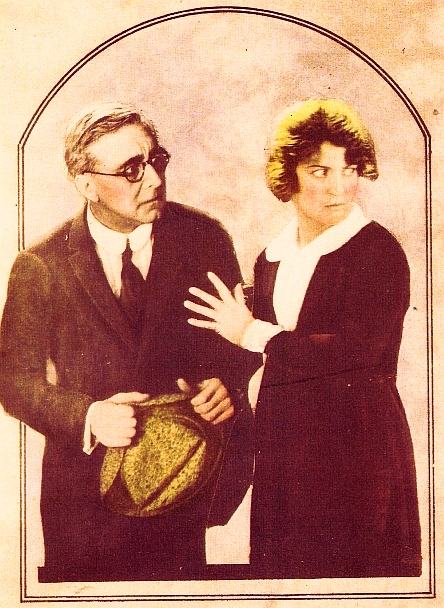
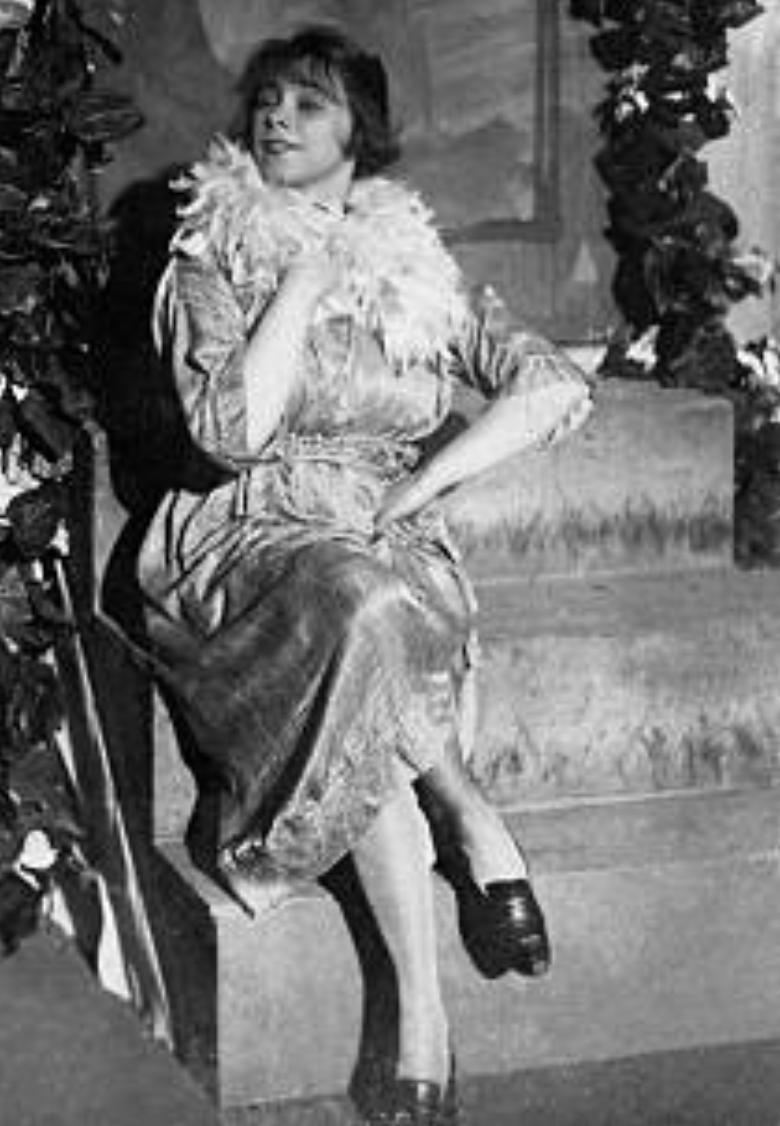
Phyllis Latimer goes to Fiji to rejoin her husband of three years and finds him in a state of drunken degeneracy, incapable of reform. Fleeing his advances, she escapes to a nearby island; and there she impersonates Pauline Leonard, ward of John Webster.
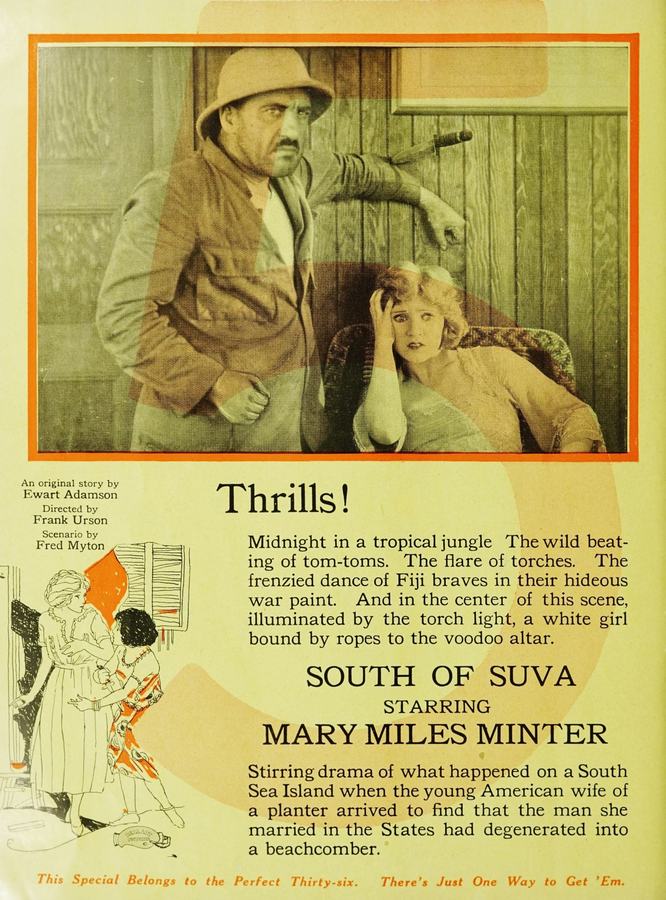
The very title South of Suva feels like inhaling frangipani tinged with kerosene: intoxicating yet primed to ignite. Directed by Franklyn Barrett and released at the tail end of 1922, this Paramount melodrama has slipped through the cracks of canonical conversation, but once you glimpse its feverish DNA—colonial guilt...
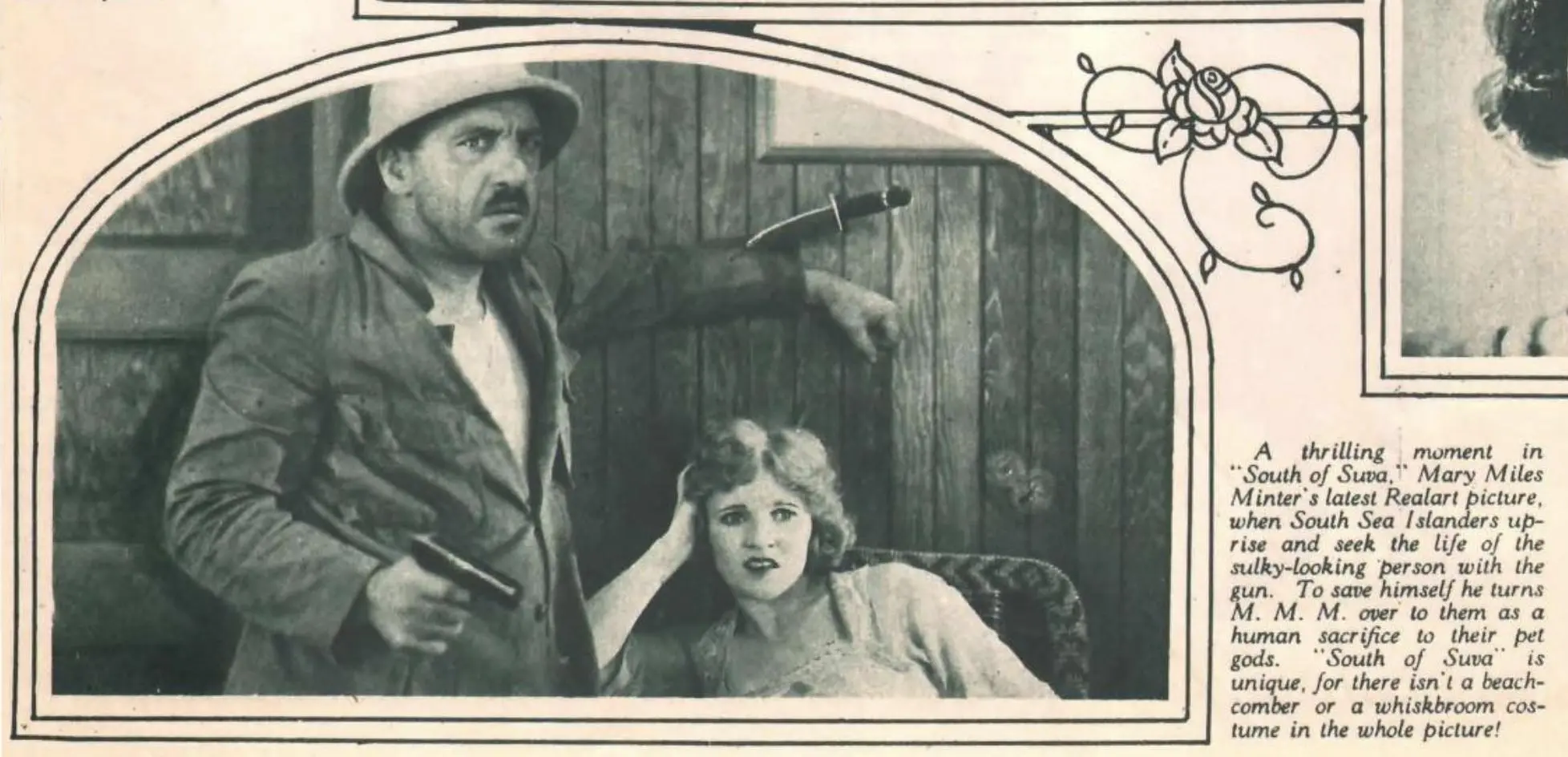
still_frame
Comparing the cinematic DNA and archive impact of two defining moments in cult history.
Frank Urson
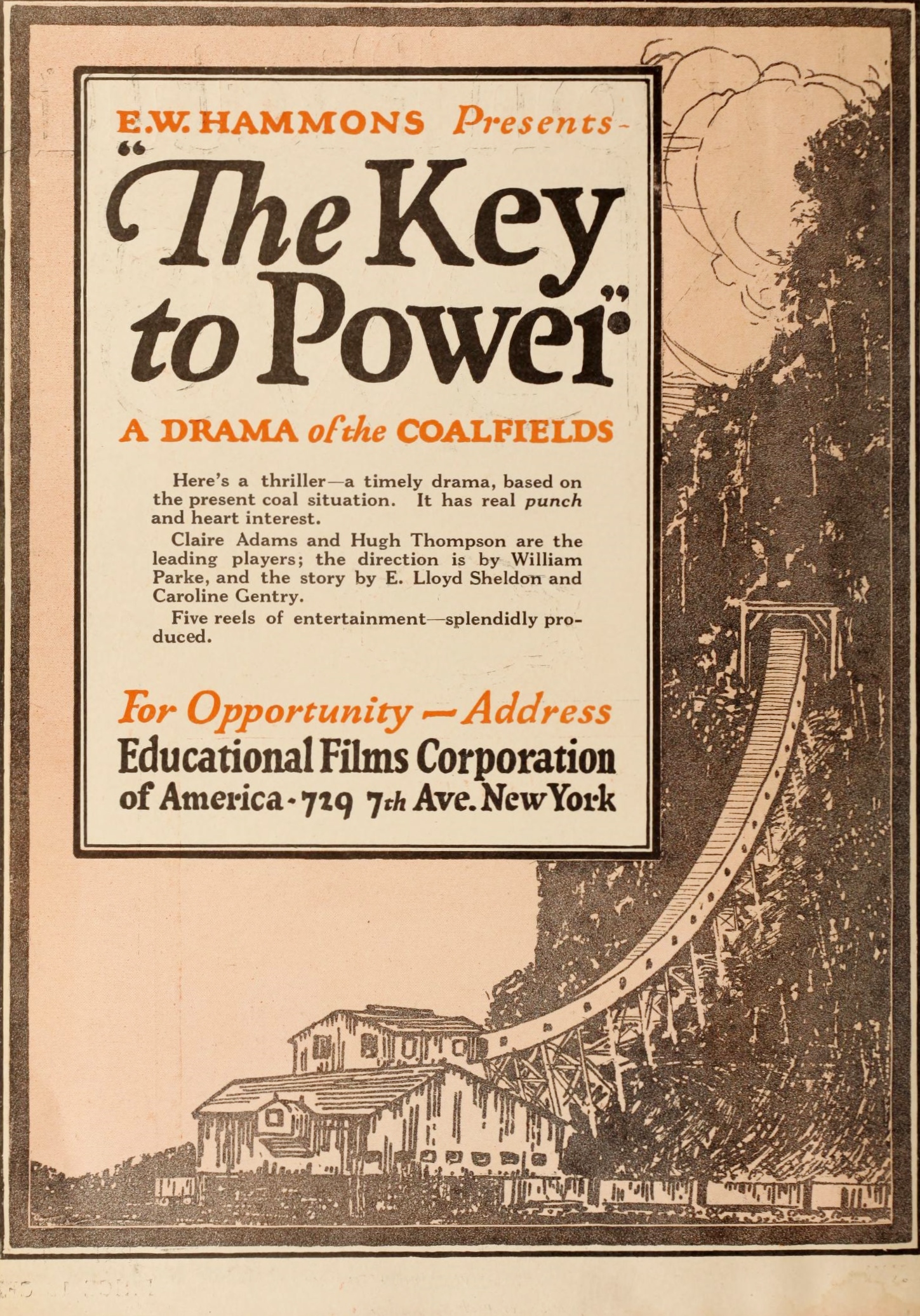
William Parke
Community
Log in to comment.
" The very title South of Suva feels like inhaling frangipani tinged with kerosene: intoxicating yet primed to ignite. Directed by Franklyn Barrett and released at the tail end of 1922, this Paramount melodrama has slipped through the cracks of canonical conversation, but once you glimpse its feverish DNA—colonial guilt, racial tension, female self-reinvention—you recognize a proto-noir beating beneath its sun-scorched skin. Visual Intoxication in a Remote Colony Barrett, an Australian import, u..."
Fred Myton, Ewart Adamson
United States