DbcultAccessing Vault...
6.7/10
Senior Film Conservator
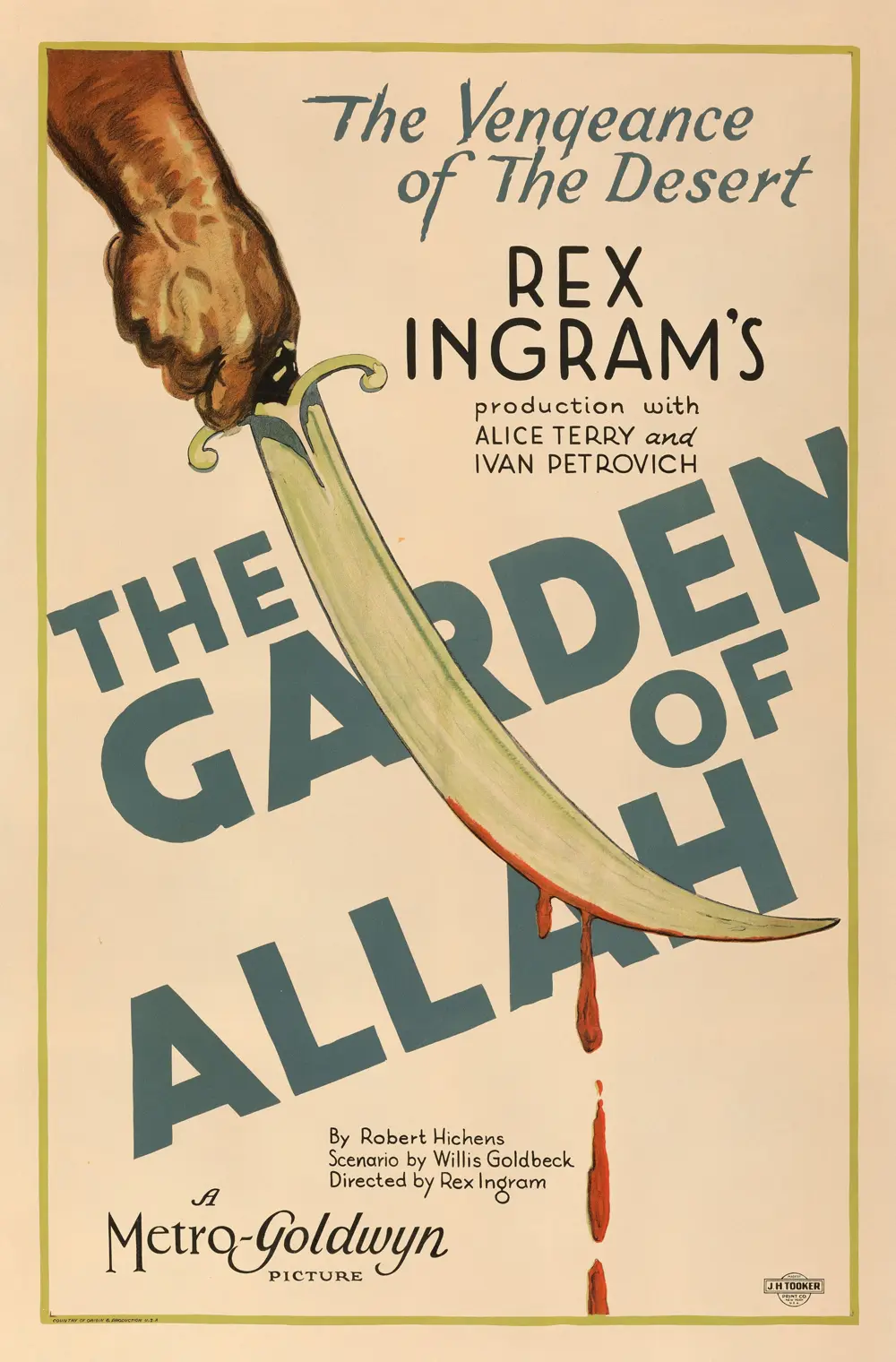
A definitive 6.7/10 rating for a film that redefined the boundaries of cult cinema. The Garden of Allah remains a cornerstone of transgressive art.
Is The Garden of Allah (1927) worth watching today? Short answer: yes, but with significant caveats that demand a particular kind of viewer. This silent epic, directed by Rex Ingram, is a fascinating, if sometimes ponderous, artifact that speaks to grand themes of faith, temptation, and the human spirit's capacity for both devotion and rebellion. It’s a film that demands patience, offering a visual feast and a compelling internal struggle for those willing to engage with its deliberate pacing and silent-era sensibilities.
This film is absolutely for cinephiles, historians of early cinema, and those with an appreciation for sweeping romantic dramas imbued with spiritual conflict. It is decidedly not for viewers accustomed to fast-paced narratives, modern dialogue, or those who struggle to connect with the expressive, often theatrical, acting styles of the silent era. Its deliberate rhythm and reliance on visual storytelling require an investment that not all audiences are prepared to make.
Rex Ingram, a director known for his visually striking and often melancholic films, brings a palpable sense of grandeur and internal turmoil to The Garden of Allah. Based on Robert Hichens' popular novel, the film attempts to capture the essence of a man torn between the sacred and the profane, set against the breathtaking, yet unforgiving, backdrop of the North African desert. Ingram’s direction is meticulous, focusing heavily on atmosphere and the psychological weight of his characters' choices.
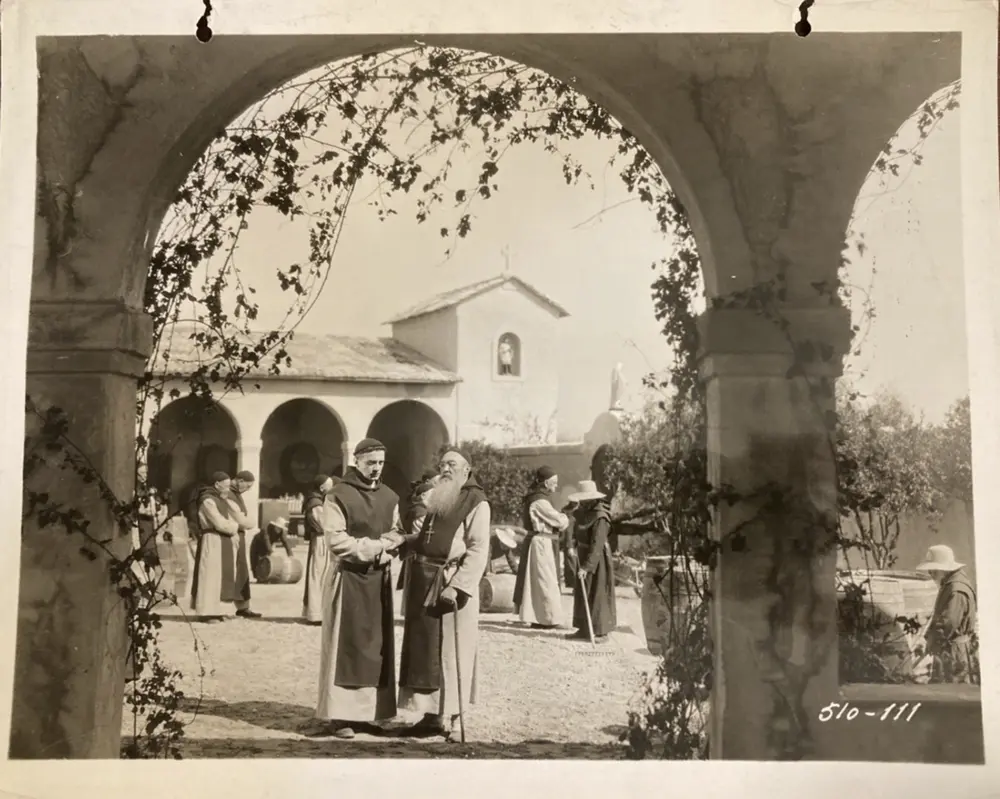
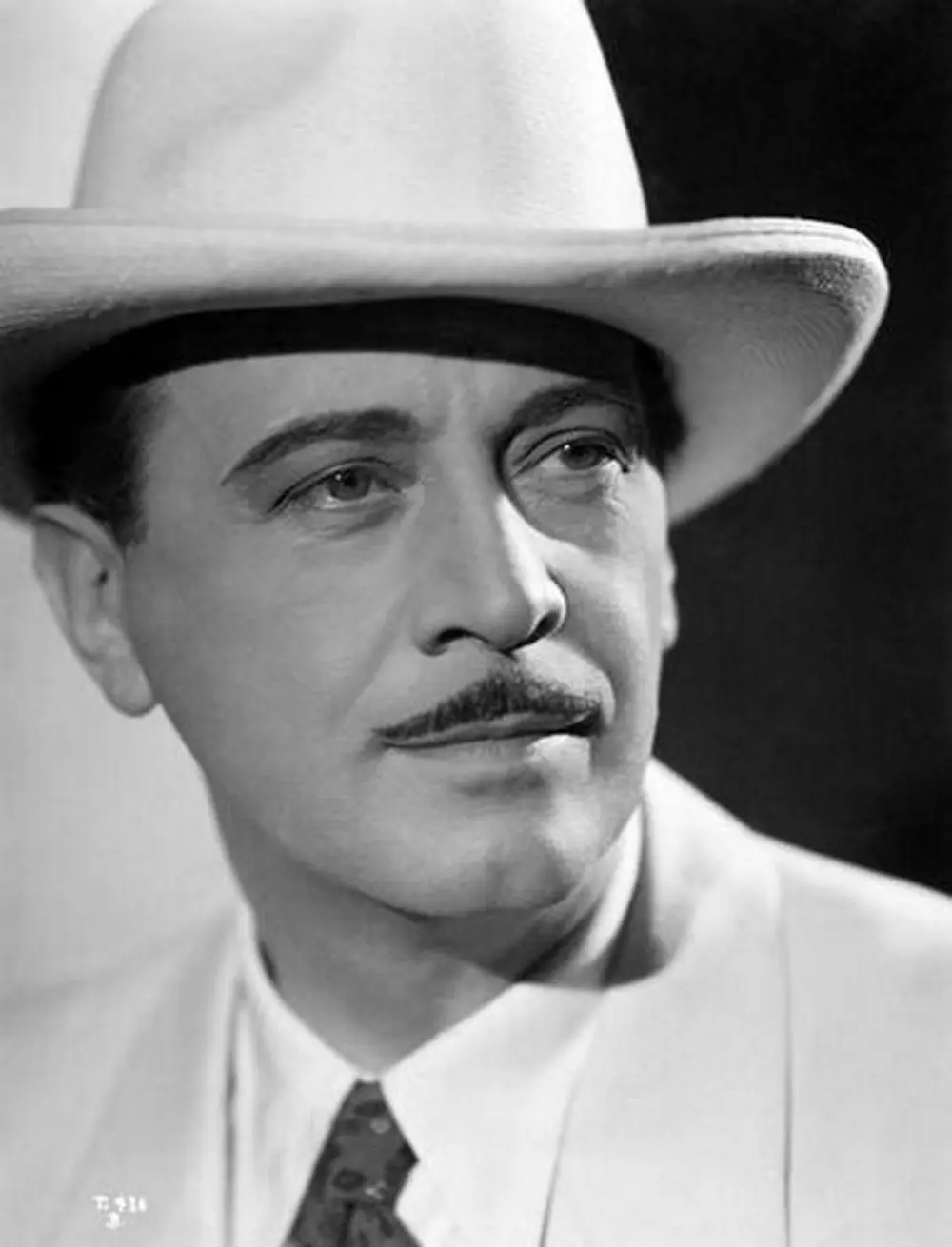
The narrative, adapted by Martin Brown, Robert Hichens, and Willis Goldbeck, centers on Father Adrien, portrayed by Iván Petrovich, a Trappist monk whose monastic life is shattered by an unexpected encounter. Petrovich, while not a household name today, delivers a performance that, for its time, conveys a profound internal struggle. His initial portrayal of a monk dedicated to his vows is convincing, his gestures and facial expressions communicating the discipline and quietude of his existence.
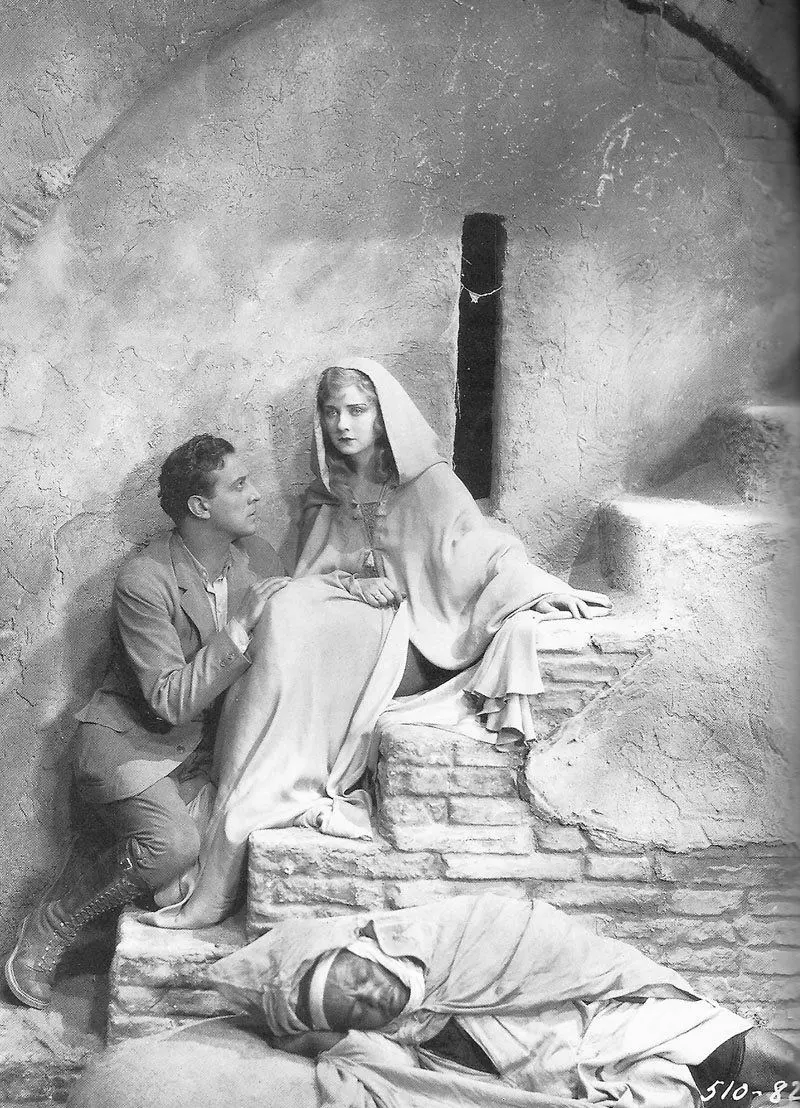
The turning point, a seemingly innocent embrace from a young girl, is handled with a subtlety that belies its dramatic impact. It’s not a moment of overt seduction, but rather a catalyst for Adrien’s own self-doubt and burgeoning desire. This is where the film truly begins to breathe, as the desert becomes not just a setting, but a metaphor for his spiritual wilderness.
Upon abandoning his vows and assuming the name Androvsky, Petrovich's character undergoes a visible transformation. He sheds the rigidity of the monk for a more worldly, if still burdened, persona. This shift, while largely communicated through costume and setting, is anchored by Petrovich's ability to maintain a sense of underlying melancholy, even as he embraces a new life.
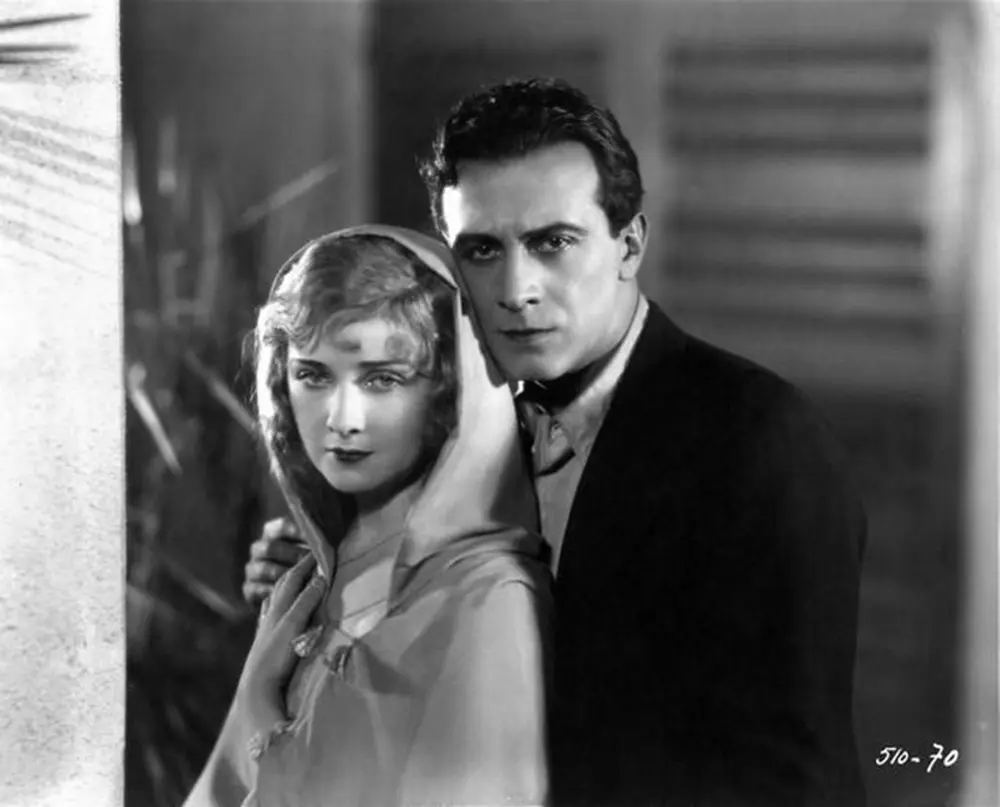
Alice Terry, Ingram’s wife and frequent collaborator, plays Domini Enfilden, the Catholic woman who encounters Androvsky. Terry, with her striking beauty and expressive eyes, embodies the romantic ideal of the era. Her portrayal of Domini is one of earnestness and deep affection, providing a necessary counterpoint to Androvsky’s internal conflict. The chemistry between Petrovich and Terry is less about overt passion and more about a shared sense of longing and a quiet, unfolding connection. It’s a nuanced approach to romance, relying on lingering glances and shared moments of vulnerability rather than grand declarations.
The supporting cast, including Claude Fielding and Alexander D'Arcy, contribute to the film’s rich tapestry, though their roles are largely secondary to the central drama. Pâquerette, as the mischievous girl, leaves a lasting impression despite her brief screen time, her actions setting the entire tragic chain of events in motion. It's a testament to Ingram’s direction that even minor characters feel significant within the grand narrative.
The true star of The Garden of Allah is arguably its visual presentation. While specific cinematographers are not always credited with the same prominence as directors in this era, the film's visual language is undeniably powerful. The Algerian desert landscapes are captured with a breathtaking scope that feels both vast and intimate. Ingram uses the natural light and expansive horizons to great effect, often dwarfing his characters against the backdrop of an indifferent, yet beautiful, world.
There are moments of stunning composition, particularly in the monastery scenes, where the stark architecture and the monks' dark habits create a profound sense of solemnity. The contrast between the enclosed, disciplined world of the monastery and the boundless, chaotic freedom of the desert is a recurring visual motif that underpins the film's central themes. The use of shadows and light is particularly effective in conveying mood, from the introspective gloom of Adrien’s self-imposed penance to the bright, deceptive allure of his new life.
One particularly memorable sequence involves the sandstorm, a visual spectacle that, even today, demonstrates a mastery of practical effects and dramatic staging. It’s not merely a plot device but an extension of the characters' internal turmoil, a physical manifestation of the forces beyond their control. This kind of environmental storytelling is a hallmark of Ingram's style, evident in other works like The Four Horsemen of the Apocalypse.
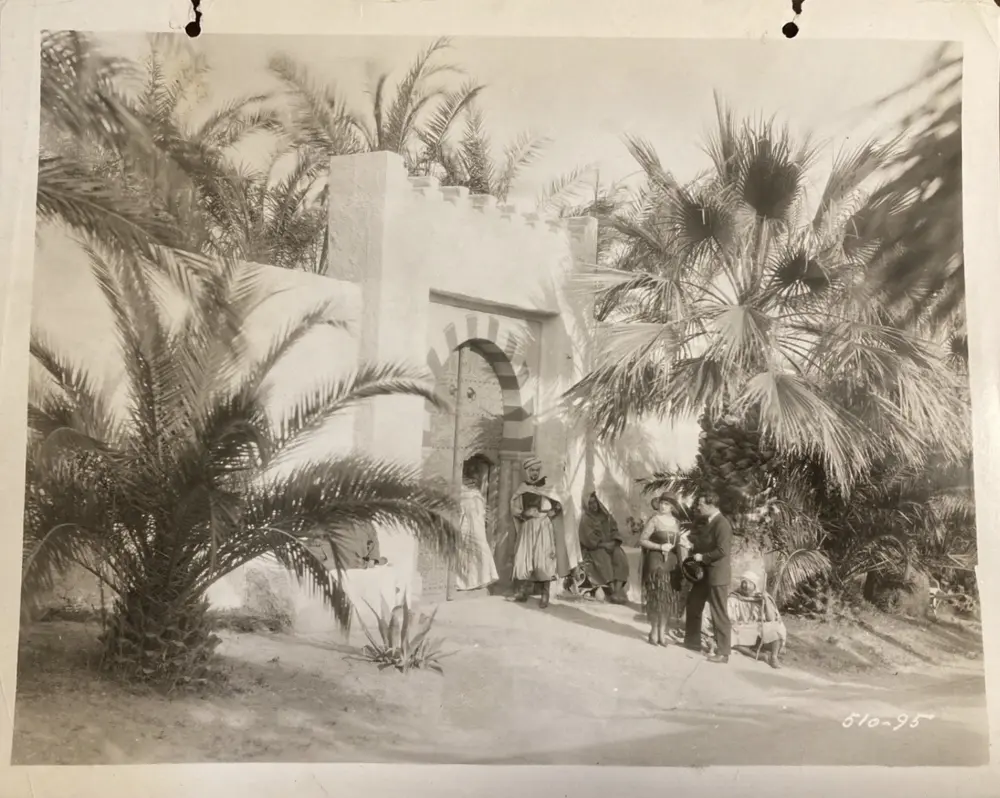
The art direction and set design for the desert oases and the bustling North African towns feel authentic and lived-in. There’s a richness of detail that transports the viewer, making the world of the film feel tangible despite its age. This dedication to visual immersion is a significant strength, allowing the audience to forgive some of the slower narrative beats.
The pacing of The Garden of Allah is undeniably deliberate. This is a film that takes its time, allowing scenes to unfold, emotions to register, and landscapes to impress. For modern viewers, this can be a challenge. The absence of spoken dialogue means that much of the emotional weight is carried by the actors' expressions, body language, and the intertitles. While some might find this slow, it also allows for a deeper contemplation of the characters' internal states.
The tone is largely one of romantic tragedy, infused with a deep sense of spiritual longing and moral conflict. There's a pervasive melancholic atmosphere that hangs over the narrative, even in moments of budding romance. Ingram is not interested in easy answers or simple happy endings. He delves into the complexities of human desire and the weight of vows, creating a narrative that is both grand and deeply personal.
One unconventional observation is how the film, despite its exotic setting, feels profoundly European in its sensibility. It’s less an adventure film and more a psychological drama exploring themes of guilt, redemption, and the nature of love, which were common preoccupations in European literature and cinema of the era. It works. But it’s flawed.
The film's reliance on intertitles is, of course, a product of its time. While some are poetic and insightful, others can feel a bit expository, occasionally breaking the visual flow. However, they are integral to understanding the characters' thoughts and the broader philosophical underpinnings of the story. The best silent films use intertitles sparingly, allowing the visual to do the heavy lifting. The Garden of Allah strikes a decent balance, though it leans more on exposition than some of its contemporaries.
Yes, The Garden of Allah is worth watching for specific audiences. It offers a rare glimpse into the grandeur of silent-era filmmaking, particularly Rex Ingram's distinctive visual style. Its themes of spiritual struggle and forbidden love remain timeless, even if presented through the lens of a bygone cinematic age. Expect a slow burn, rich visuals, and a poignant, human story.
This film works because it commits wholeheartedly to its dramatic premise and its visual ambition. Ingram’s direction is confident, creating a world that feels both epic and intensely personal. The performances, particularly Petrovich’s nuanced portrayal of a man in crisis, elevate the material beyond mere melodrama. The sheer beauty of the cinematography, capturing the vastness of the desert, is reason enough to seek it out.
This film fails because its deliberate pacing can, at times, tip into sluggishness, testing the patience of even dedicated viewers. The emotional impact, while present, is often delivered with a theatricality that might feel dated to modern sensibilities. Some of the narrative turns, while consistent with the novel, might feel a little too convenient or melodramatic by today's standards. It’s a film that demands an active, empathetic engagement, and if you’re not in the right frame of mind, it can feel like a chore.
You should watch it if you are a student of film history, a fan of silent cinema, or someone who appreciates a visually stunning narrative about profound human struggle. If you prefer fast-paced storytelling, modern acting styles, or films that explicitly spell out every emotion, this might not be the experience for you. It's a film for contemplation, not for passive consumption.
The Garden of Allah is a film that, like the desert it depicts, is both beautiful and challenging. It represents a significant achievement in silent filmmaking, showcasing Rex Ingram’s formidable talent for visual storytelling and his ability to draw nuanced performances from his cast, particularly Iván Petrovich as the tormented Father Adrien/Androvsky. Alice Terry, as his romantic foil, brings a luminous quality that helps anchor the narrative’s emotional core. The film’s greatest strength lies in its ability to transport the viewer to a world of grand landscapes and even grander internal conflicts.
However, its deliberate pace and the stylistic conventions of its era mean it’s not a film for everyone. It demands an active, engaged audience willing to immerse themselves in its unique rhythm. For those who embrace its challenges, The Garden of Allah offers a rich, contemplative experience – a poignant exploration of faith, love, and the often-brutal choices that define us. It’s a testament to the power of early cinema, a film that resonates not with explosive action, but with the quiet, devastating force of a soul in turmoil. A forgotten gem? Perhaps. A significant one? Absolutely. It’s a film that deserves to be rediscovered, not just for its historical value, but for its enduring human drama. It’s not just a silent film; it’s a profound meditation on sacrifice and desire, painted on the vast canvas of the desert.

IMDb 6.3
1922
Community
Log in to comment.