DbcultAccessing Vault...
6.4/10
Senior Film Conservator
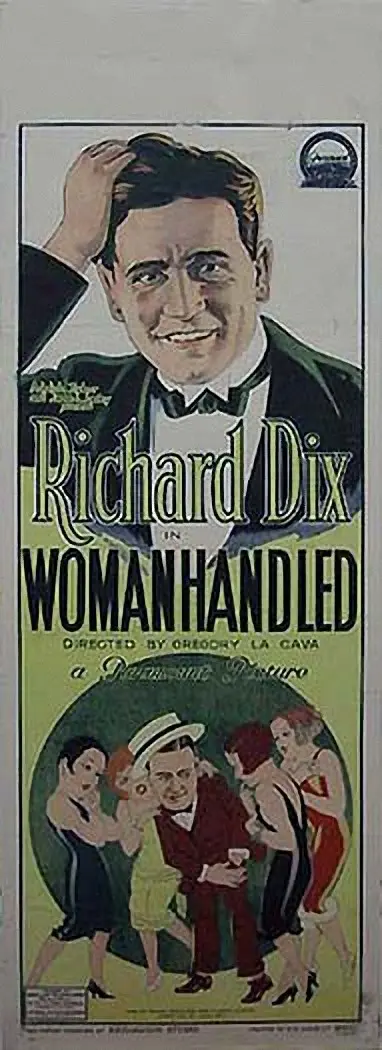
A definitive 6.4/10 rating for a film that redefined the boundaries of cult cinema. Womanhandled remains a cornerstone of transgressive art.
Is Womanhandled a relic worth dusting off for modern eyes? Short answer: yes, but only if you have a stomach for 1920s gender politics and a love for dry, silent-era wit.
This film is for the dedicated cinephile who enjoys seeing the 'urban vs. rural' trope dismantled with a cynical edge. It is decidedly not for those who demand fast-paced action or modern sensibilities regarding social dynamics.
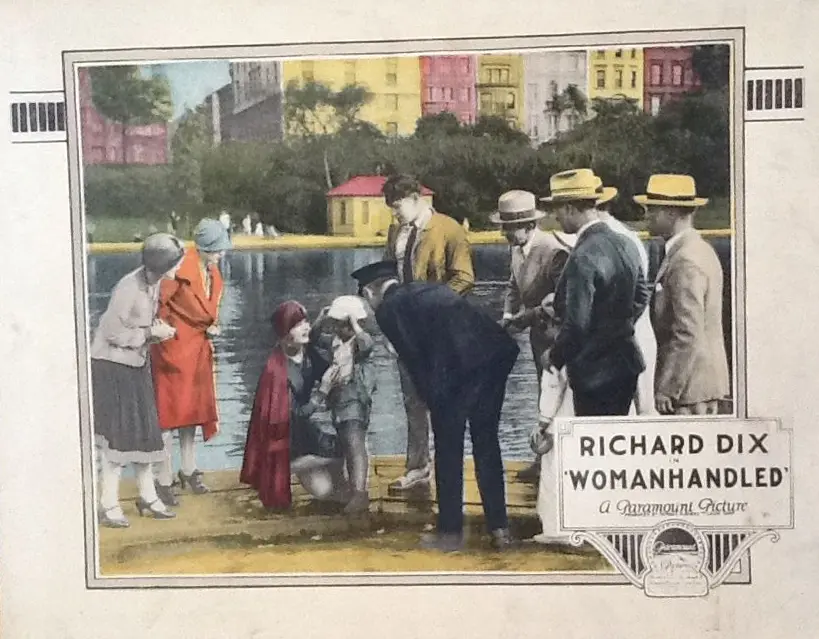
1) This film works because it refuses to romanticize the West as a simple cure for the 'evils' of the city, instead highlighting that people carry their baggage across state lines.
2) This film fails because its middle act drags under the weight of repetitive gags that feel dated even by 1925 standards.
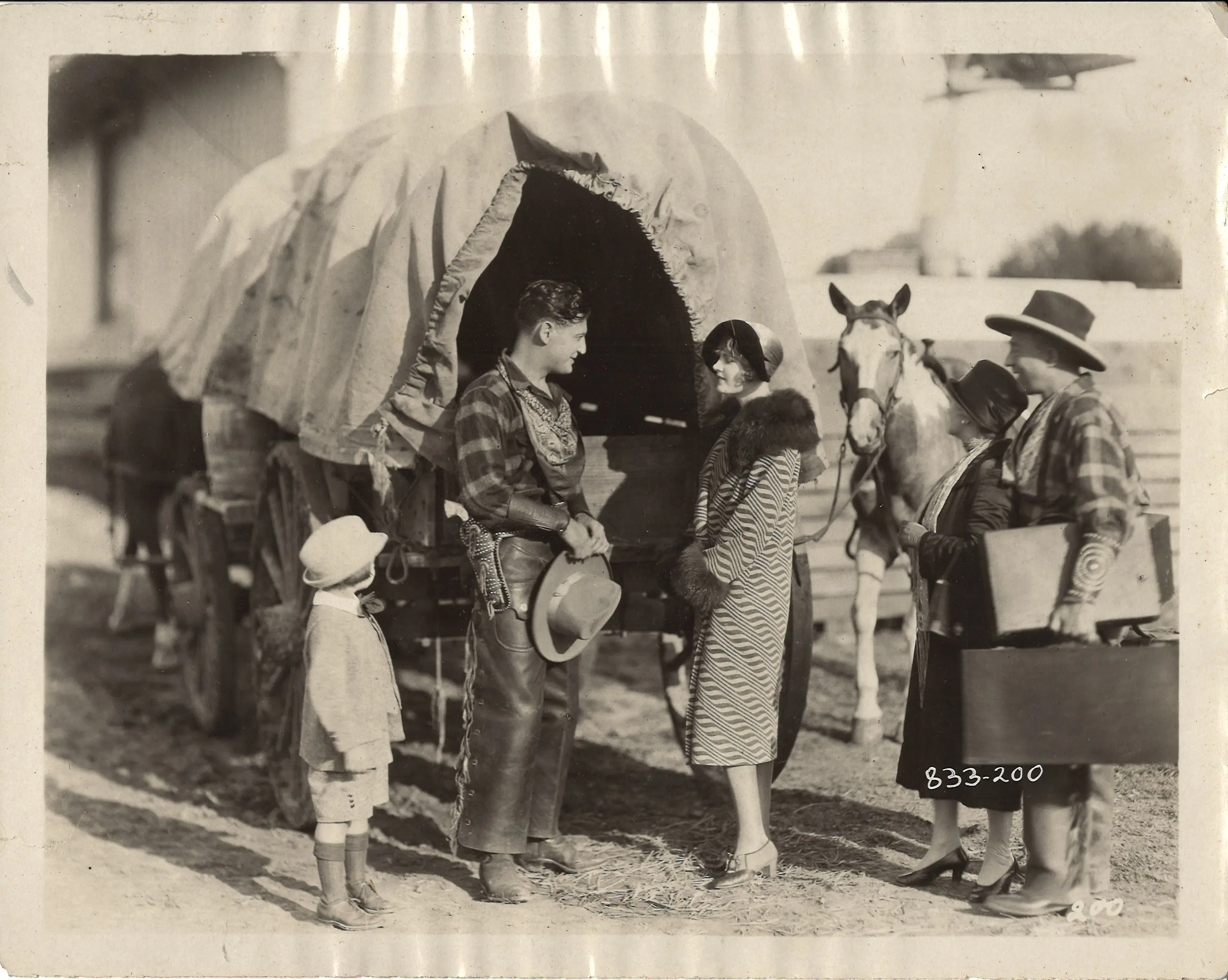
3) You should watch it if you want to see Richard Dix at the peak of his physical comedy before he transitioned into more stoic sound-era roles.
The story of Bill Dana is one of desperate reinvention. In the opening scenes, the New York setting is framed with a frantic, almost claustrophobic energy. The 'Great White Way' is presented as a gauntlet of social obligations and predatory romance. When Bill decides to head to Wind River, Texas, the audience is led to believe we are entering a standard 'western' narrative. But director Gregory La Cava (and writers Luther Reed and Arthur Stringer) have something more subversive in mind.
Instead of finding a John Ford-style landscape of moral clarity, Bill finds that the ranch is just another stage. The arrival of the New York entourage is the film's strongest pivot. It mocks the idea of the 'rugged individual' by showing how easily the 'civilized' world encroaches on the frontier. It reminds me of the tonal shifts found in The Charm School, where social expectations are the primary antagonist.
Richard Dix is the engine that keeps Womanhandled from stalling. Unlike the more acrobatic comedy of Buster Keaton, Dix relies on a blend of athletic capability and a weary, expressive face. His frustration with the 'gold-diggers' feels genuine, which gives the comedy a grounded, slightly bitter flavor. In one specific scene, Bill attempts to demonstrate his 'cowboy' skills to a group of skeptical city-folk, and the resulting failure is played with a subtle pathos that elevates it above mere slapstick.
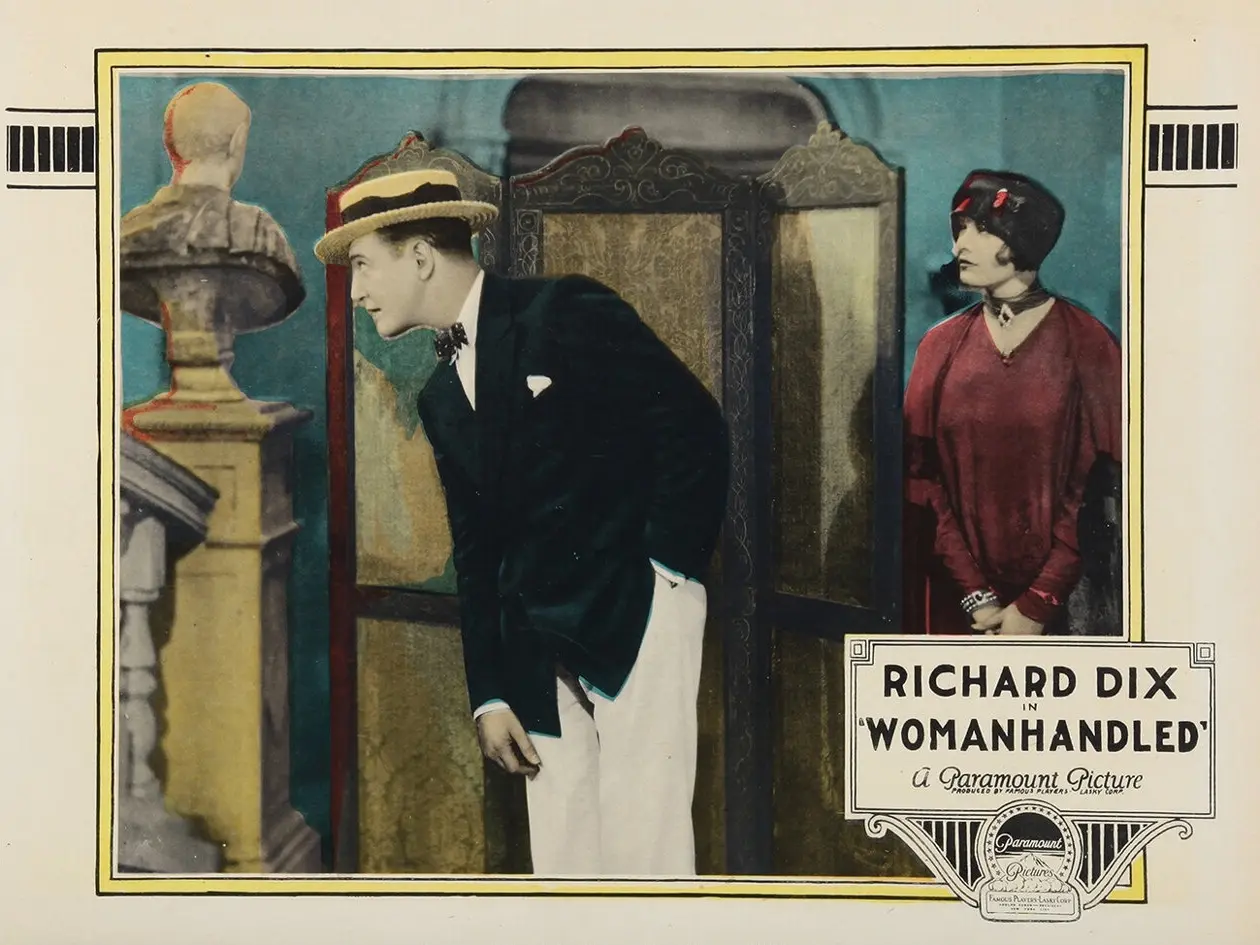
Esther Ralston provides a necessary foil to Dix. While she is often cast in roles that emphasize her beauty, here she manages to inject a level of self-awareness into the 'flapper' archetype. She isn't just a caricature; she represents the very allure that Bill is trying to flee. Their chemistry is what makes the inevitable romantic entanglements feel earned rather than forced. It’s a far cry from the more melodramatic pairings in films like M'Liss.
The visual language of Womanhandled is a tale of two halves. The New York sequences are shot with tight compositions, emphasizing the crowd and the lack of breathing room. Once the action moves to Texas, the frame opens up. The cinematography in Wind River uses the vast horizon to make Bill look small, highlighting his initial inadequacy in this new environment.
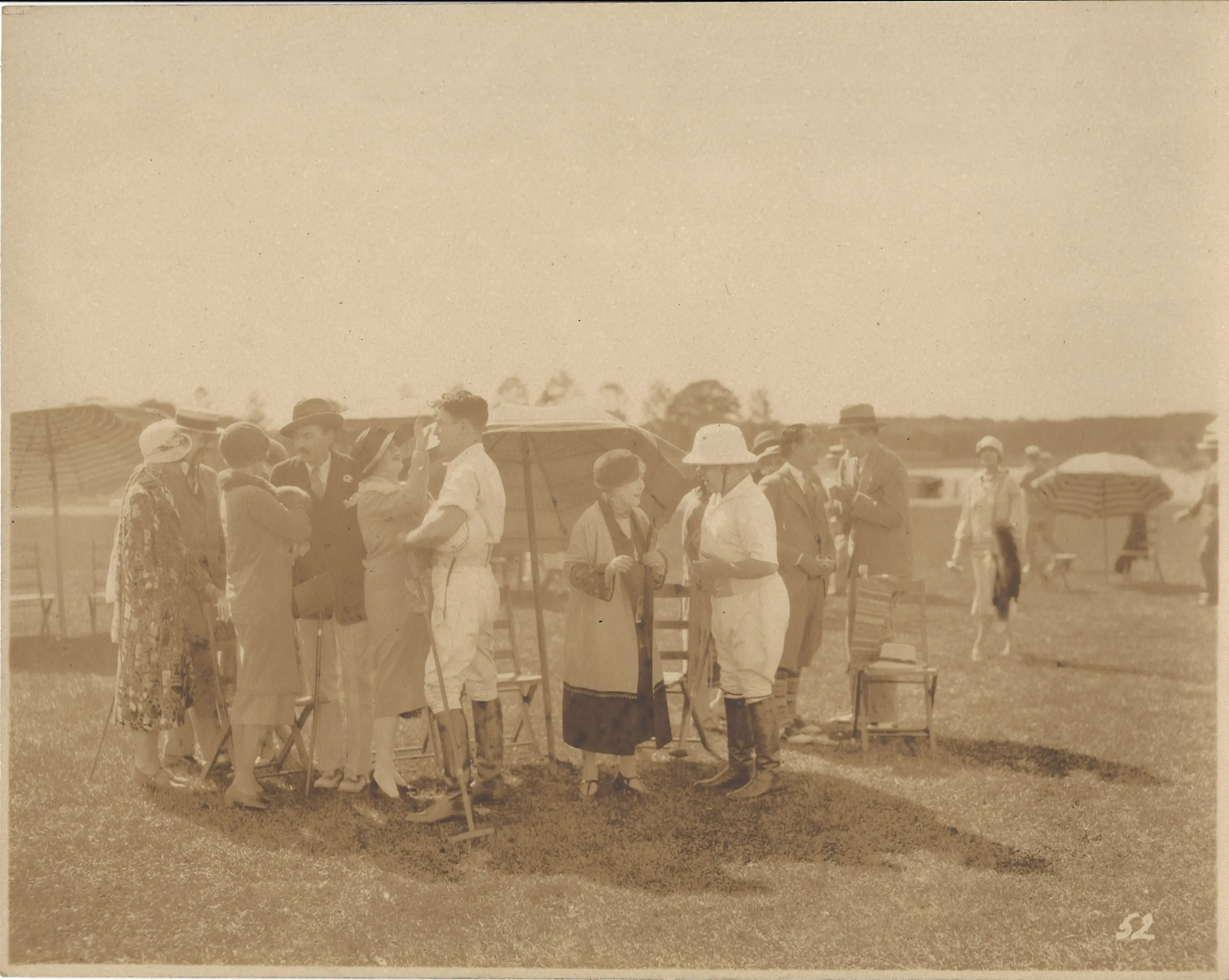
However, as the city-folk arrive, the camera starts to close in again. This visual metaphor is brilliant. The wide-open spaces are literally and figuratively shrunk by the presence of the New York socialites. The use of natural light in the ranch scenes is particularly impressive for 1925, avoiding the flat, over-lit look of many contemporary indoor sets. It feels more authentic than the stylized West seen in The Bull's Eye.
Yes, Womanhandled is worth watching for anyone interested in the evolution of the American social comedy. It provides a fascinating snapshot of 1920s anxieties regarding urbanization and the disappearing frontier. While it may not have the legendary status of other silent classics, its cynical take on the 'American Dream' of escaping to the country remains surprisingly relevant.
The film succeeds as a character study of a man caught between two worlds, neither of which truly wants him for who he is, but rather for what he represents. It’s a sharp, if occasionally slow, piece of work.
Pros:
Cons:
When compared to other films of the time, like The Secret of the Moor, Womanhandled feels much more grounded in contemporary social issues. It lacks the gothic drama of the former, opting instead for a dry observation of human behavior. It also stands in contrast to the more theatrical approach of Trilby (1923). Womanhandled is a film that wants to be of its moment, capturing the specific friction of 1925 America.
Womanhandled is a confident, if slightly overlong, satire that proves Richard Dix was more than just a square-jawed hero. It works. But it’s flawed. The film’s strength lies in its refusal to let its protagonist off the hook; Bill Dana learns that you can’t run away from a culture that is built into your own social standing. While the 'flapper' jokes are a bit dusty, the underlying critique of urban vanity and the commodification of the West is still biting. It’s a solid piece of silent cinema that deserves a spot in the conversation about 1920s comedy. It is a film about the realization that the 'Great White Way' follows you, no matter how far you ride into the sunset.
IMDb 6.5
1921
Community
Log in to comment.