DbcultAccessing Vault...
Cult Review
Senior Film Conservator
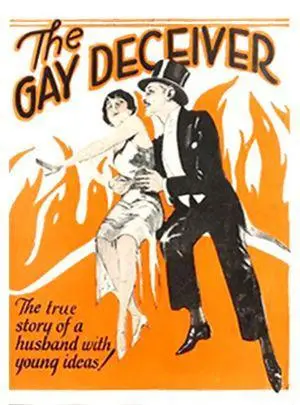
Is 'The Gay Deceiver' worth watching today? Short answer: yes, but with significant caveats that anchor it firmly in its historical context.
This film is primarily for silent film enthusiasts, cinephiles interested in early cinematic portrayals of societal rebellion, and those with a high tolerance for melodramatic plotting and a slower pace.
It is decidedly NOT for viewers seeking rapid pacing, nuanced character development by modern standards, or a narrative free from the charmingly overt contrivances typical of its era. If you struggle with the visual storytelling language of the 1920s, this might be a difficult entry point.
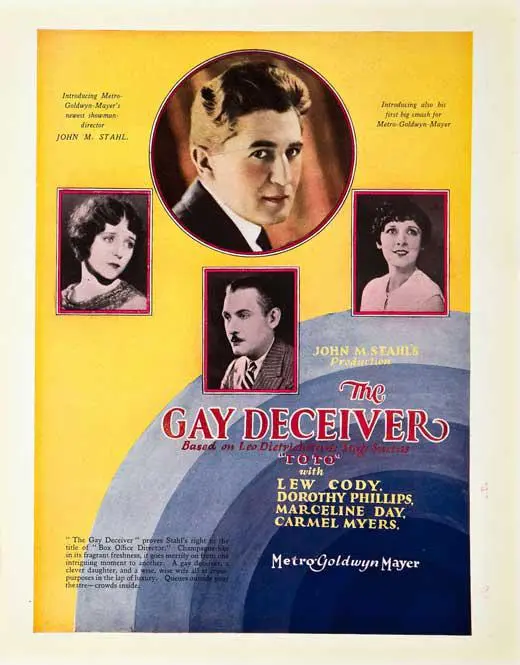
Released in 1926, The Gay Deceiver offers a fascinating, if somewhat quaint, window into the societal anxieties and changing mores of the Jazz Age. The title itself, laden with a double meaning lost to contemporary sensibilities, refers not to sexual orientation, but to Antoine de Tillois’s flamboyant, pleasure-seeking lifestyle. He is a man who, by all accounts, has chosen hedonism over domesticity, a stark contrast to the puritanical wife he leaves behind. This central conflict — the clash between rigid societal expectations and the burgeoning desire for personal freedom — forms the backbone of the narrative.
The film’s premise, wherein a man abandons a conservative home for the bohemian allure of Paris, was undoubtedly provocative for its time. It speaks to a nascent cultural shift, where the pursuit of individual happiness began to challenge established norms. The Parisian setting, with Antoine crowned 'King Toto' of the artistic set, symbolizes this freedom, a stark visual and thematic foil to the staid environment of Blois. This contrast is one of the film’s most engaging elements, even if its ultimate resolution leans towards a more conventional morality.
At the emotional core of The Gay Deceiver is Louise, played with earnest conviction by Marceline Day. Her character embodies the tragic consequence of her parents' fractured relationship. Day’s performance, largely reliant on expressive facial gestures and body language typical of the silent era, effectively conveys Louise's quiet determination and underlying sadness. Her vow to abstain from marriage until her parents are reunited is a powerful, if somewhat melodramatic, expression of filial loyalty.
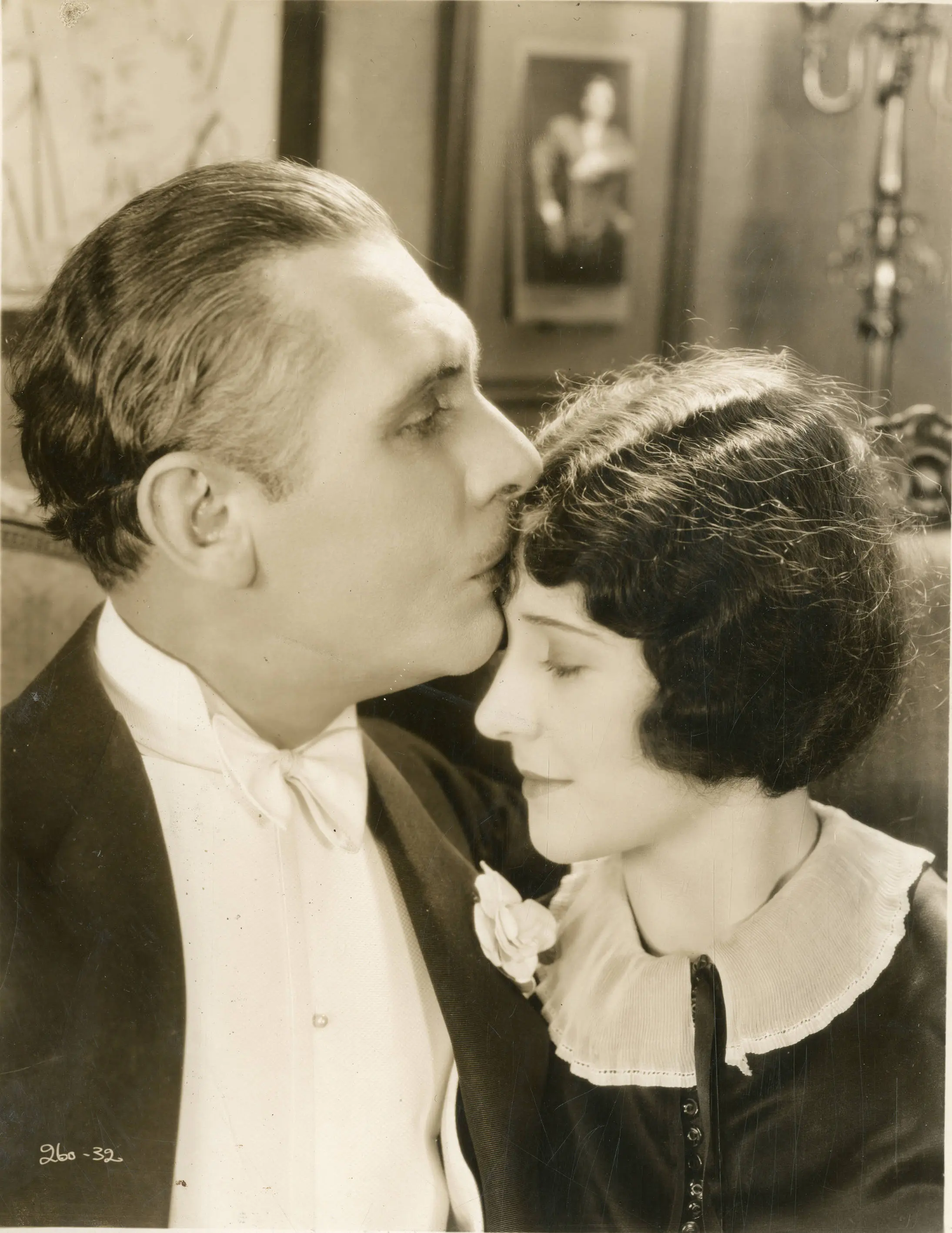
This unwavering resolve provides the narrative with its primary dramatic tension. It is Louise’s suffering and her persistent efforts that drive much of the plot, pushing Antoine towards his eventual, albeit initially feigned, reformation. Day manages to make Louise's plight genuinely sympathetic, even when the plot occasionally veers into the farcical. Her longing for a complete family unit is palpable, a universal theme that still resonates today, regardless of the period trappings.
Director Louis J. Gasnier, while perhaps not a household name today, demonstrates a solid grasp of silent film conventions. The cinematography, though not groundbreaking, effectively contrasts the two worlds Antoine inhabits. The scenes in Paris likely burst with visual energy, perhaps through rapid cuts or dynamic compositions, to depict the vibrancy of bohemian life. Conversely, scenes in Blois would have been framed with a more static, perhaps even oppressive, sensibility, reflecting the rigid atmosphere.
One can imagine the Parisian sequences, particularly those featuring 'King Toto,' making liberal use of montage and expressive lighting to create a sense of wild abandon. The costume design, too, would have played a crucial role, with Antoine's bohemian attire starkly different from the conservative dress of his wife and the traditional garb of Blois. While the film may not boast the experimental flair of a Murnau or a Lang, it commits to its visual language with a consistency that aids storytelling.
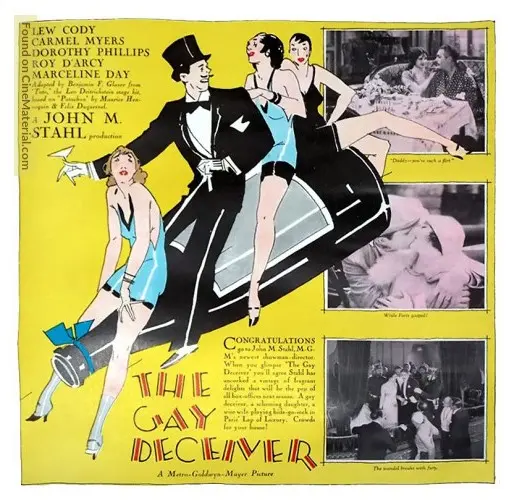
For modern viewers accustomed to the rapid-fire editing and constant dialogue of contemporary cinema, the pacing of The Gay Deceiver will require an adjustment. Silent films operate on a different temporal rhythm, often allowing scenes to linger, relying on extended reaction shots and intertitles to convey emotion and plot. This deliberate pace can be either a meditative experience or a test of patience, depending on the viewer’s disposition.
There are moments, particularly in the build-up to the various revelations and confrontations, where the film’s slow burn feels entirely appropriate, allowing the dramatic weight to settle. However, there are also likely stretches where exposition, delivered through intertitles, might feel cumbersome. The film's ability to maintain engagement through its slower passages is a testament to the performances and the inherent charm of its premise. It's a different kind of immersion, one that rewards patient observation.
The film deftly navigates a tightrope walk between broad comedy and heartfelt melodrama. Antoine’s antics as King Toto undoubtedly provide moments of levity, leaning into the comedic potential of a man trying to outrun his responsibilities. Lew Cody, in the role of Antoine, would have needed to embody this duality, shifting from the charming rogue to the contrite father with believable ease. His performance is key to selling the 'deceiver' aspect of the title.
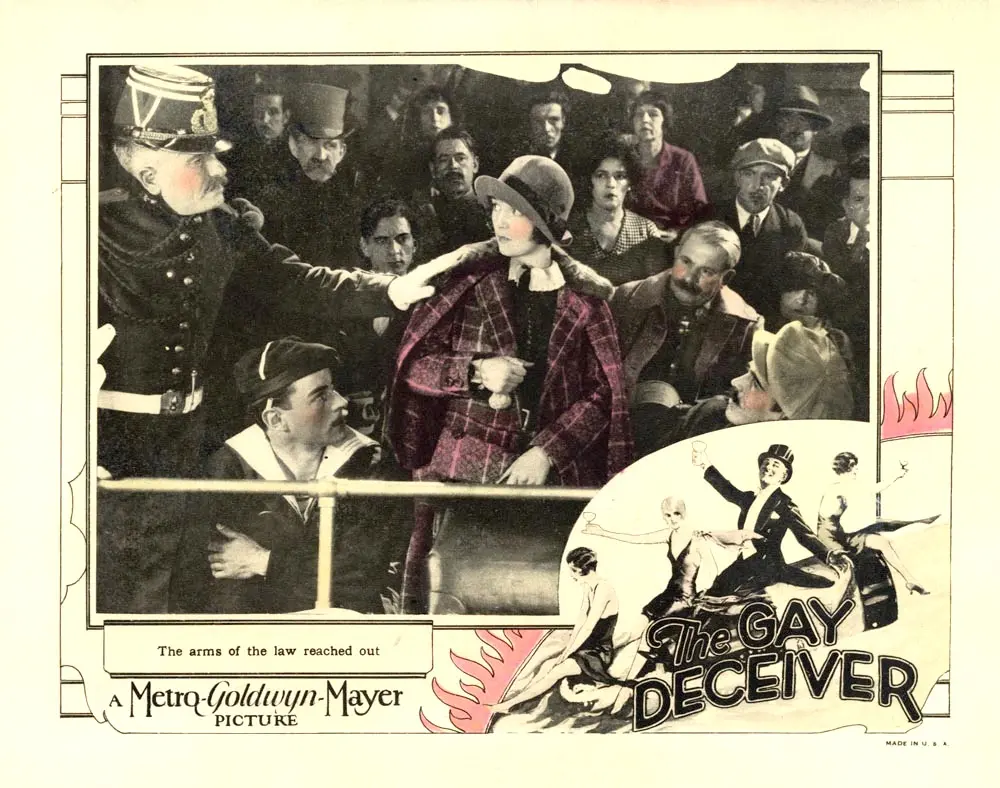
However, the underlying current of Louise's unhappiness and the threat posed by the greedy Merinville and his nephew ground the film in a more serious reality. The eventual resolution, where the Countess de Sano's unexpected departure conveniently clears the way for reconciliation, injects an element of almost divine intervention, a common trope in melodramas of the era. The film ultimately seems to endorse a return to traditional values, suggesting that even the most flamboyant rebellion eventually gives way to the comfort of domesticity. This moralizing aspect, while perhaps dated, is an integral part of its historical context.
Absolutely, but with the understanding that you are engaging with a piece of cinematic history rather than a contemporary blockbuster. The Gay Deceiver holds up as an intriguing example of silent-era storytelling, particularly for its exploration of social themes that were just beginning to bubble to the surface in the 1920s. Its charm is undeniable. The flaws, equally so.
For those who appreciate the artistry of silent film, the performances, especially Marceline Day’s, offer a compelling reason to watch. The narrative, while predictable by modern standards, is engaging enough, and the moments of comedic flair provide welcome relief from the dramatic tension. It’s a film that demands a certain level of historical empathy from its audience, but it rewards that empathy with a unique viewing experience.
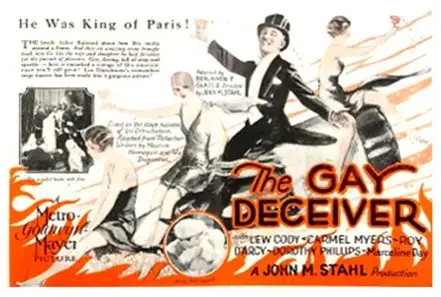
This film works because of its surprisingly progressive premise for the time, which dares to explore the allure of a non-conformist lifestyle, even if it ultimately retreats from it. The central performance by Marceline Day as Louise provides a strong emotional anchor, making her quest for family reunion genuinely affecting. It also benefits from the inherent theatricality of silent cinema, allowing for broad comedic strokes and poignant dramatic moments to coexist.
This film fails because its resolution feels overly convenient, almost a deus ex machina that undermines the nuanced struggle Antoine faces. The villains, Merinville and his nephew, are rather one-dimensional, serving merely as plot devices rather than fully fleshed-out antagonists. Furthermore, the pacing, while characteristic of its era, can feel sluggish to modern sensibilities, requiring a patient viewership.
You should watch it if you have a keen interest in silent cinema, an appreciation for historical context in film, and a willingness to embrace the storytelling conventions of the 1920s. It’s a delightful period piece that offers more than just a simple plot; it offers a cultural snapshot.
What strikes one most forcefully about The Gay Deceiver is not merely its plot, but the cultural artifact it represents. The film's title, so loaded with different connotations today, would have been understood purely as 'the cheerful trickster' in 1926. This linguistic shift highlights a profound evolution in societal understanding and language. The film, therefore, becomes an accidental time capsule, forcing us to confront how drastically our lexicon and our perception of 'deception' and 'gaiety' have changed. It’s a fascinating, almost accidental, lesson in cultural anthropology through cinema. The 'deceiver' here is not just Antoine's feigned reformation, but the very narrative itself, which ultimately deceives the audience into believing a return to traditional values is the only path to happiness, after flirting so daringly with rebellion.
While The Gay Deceiver is far from a perfect film, it holds a unique place in the annals of silent cinema. It’s a testament to the era’s ability to blend comedic escapism with genuine emotional stakes, even if the final act feels a little too tidy. For those willing to immerse themselves in its period charm and accept its narrative quirks, it offers a rewarding experience. It's not a forgotten masterpiece, but a valuable piece of cinematic history that still manages to entertain and provoke thought about the ever-shifting landscape of societal expectations. It earns its watch for its historical context and the earnestness of its performances, making it a compelling, if not entirely flawless, recommendation for the discerning cinephile.
If you're interested in other films from this era, you might enjoy exploring Pals First or Cheap Kisses, which offer different perspectives on the cinematic landscape of the 1920s.
IMDb 5.3
1931
Community
Log in to comment.