DbcultAccessing Vault...
7.2/10
Senior Film Conservator
A definitive 7.2/10 rating for a film that redefined the boundaries of cult cinema. The General Line remains a cornerstone of transgressive art.
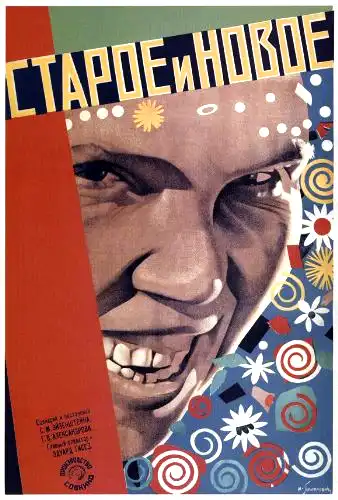
Alright, let’s talk about The General Line. If you’re a film history buff, especially into Soviet montage theory, you absolutely need to see this. For everyone else, it’s a bit of a commitment—it’s silent, it’s from 1929, and it’s about collectivized farming. So, if your idea of a good time is not reading intertitles about cream separators, you might hate it. But for those who appreciate seeing groundbreaking cinematic techniques applied to a very specific, charged moment in history, this is a gem. 🎬
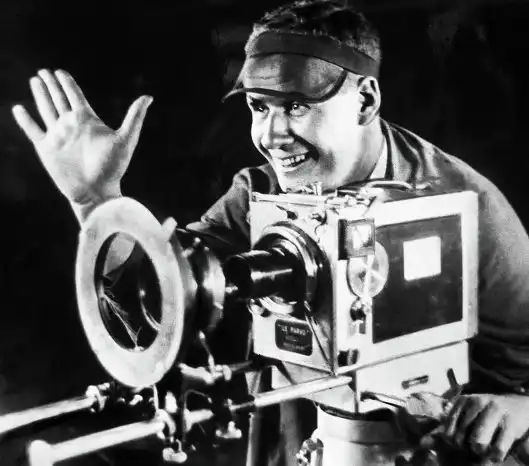
The film kicks off showing you just how rough life was for these peasants. We see so much toil, so much manual labor, it really makes an impact. Marfa Lapkina, playing the lead, is just fantastic, her face tells a whole story. She’s this incredibly strong woman who just decides she’s had enough of the old ways.
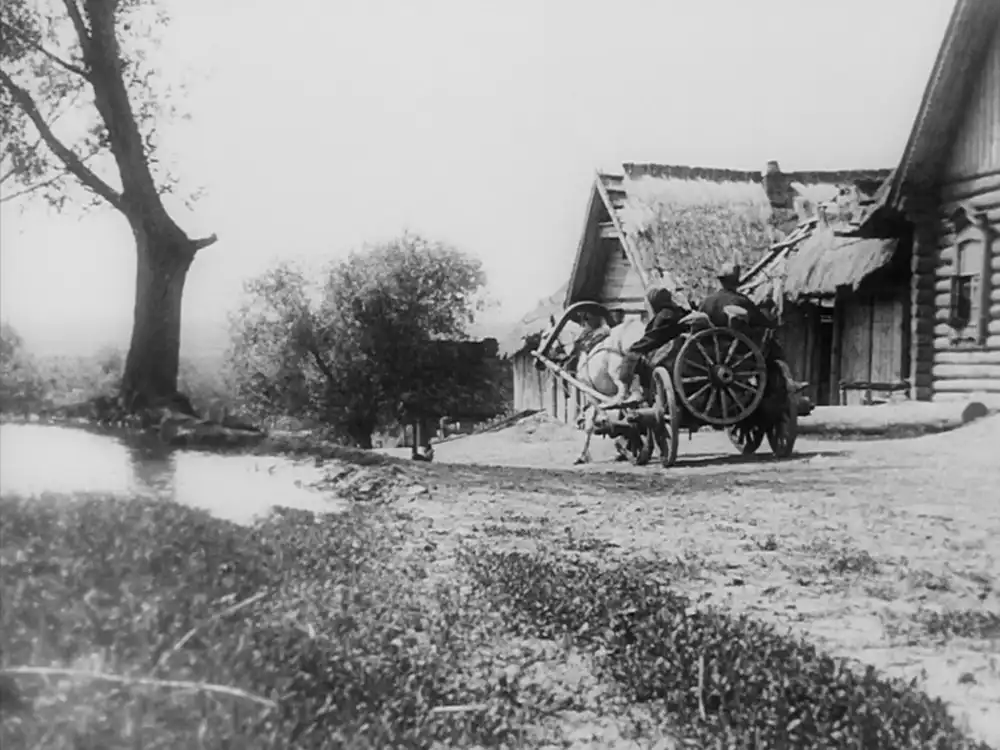
Eisenstein really goes for it with the visuals here. The close-ups on faces are just *intense*, sometimes a little jarring. You get every single wrinkle, every bead of sweat. It grounds the story in something really human, even with all the grand ideas floating around.
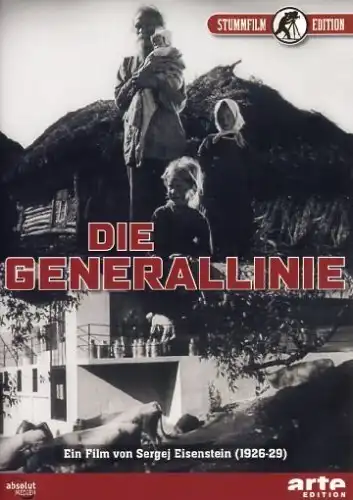
And then there’s the montage. Oh, the montage! When they finally get that cream separator working, it’s like a frenzy. All these quick cuts, spinning wheels, milk churning – it’s almost dizzying, but you feel the excitement, the sheer _progress_ of it all. It’s not subtle, but it works, you know? It’s **pure cinema**.
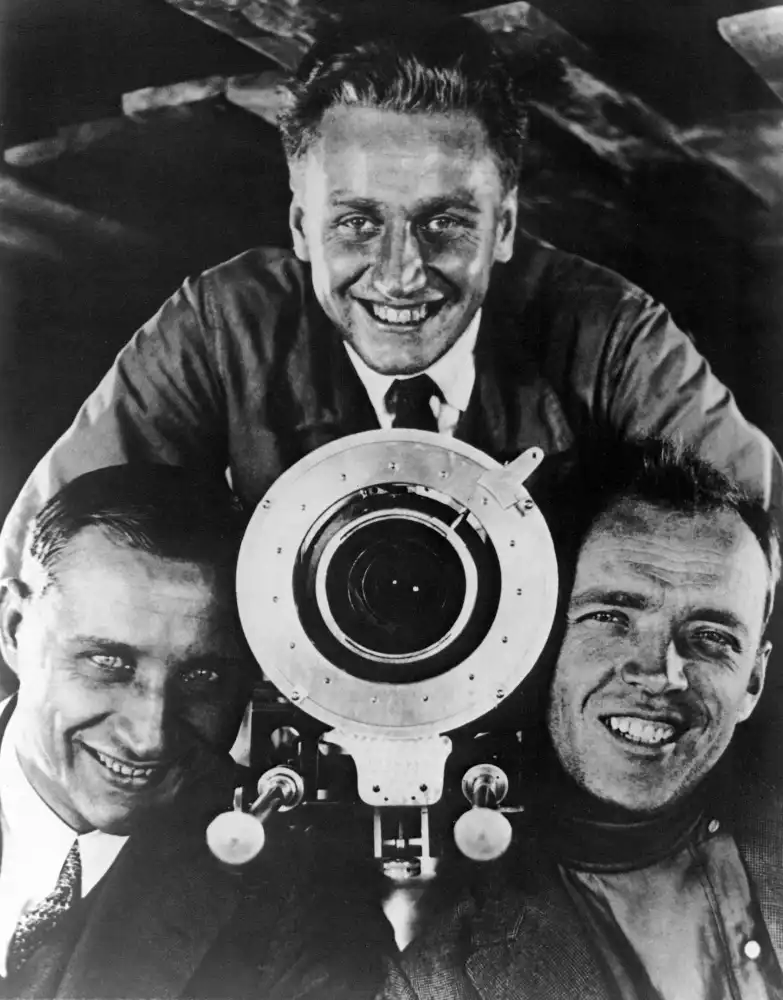
One scene that absolutely stuck with me involves a bull. I mean, the whole lead-up to getting this prize bull is a whole thing. And then, when it finally arrives, it’s this incredibly bizarre, almost _operatic_ sequence. The bull is huge, and the way they shoot it, it feels both majestic and a little terrifying. There's a moment where it just *stares* at the camera, and it holds for a good few seconds. You just don’t see that kind of raw animal presence in film much anymore, especially not so central.
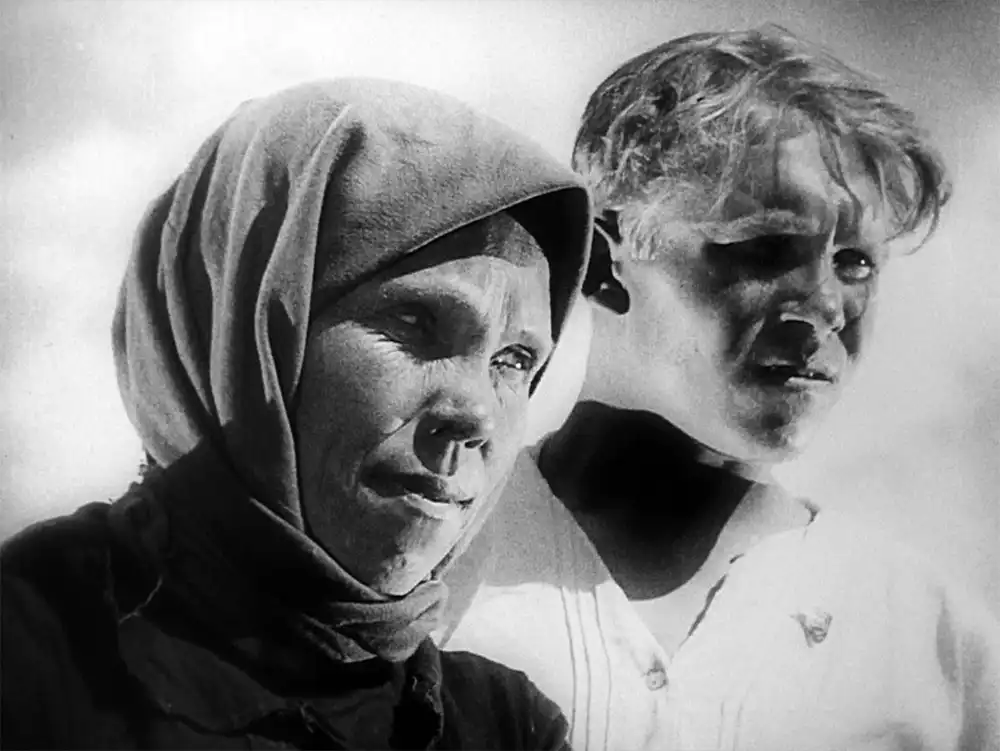
The resistance from the more traditional villagers is also a big part of the story. They’re skeptical, they’re set in their ways. You almost feel for them, clinging to their individual patches of land, even as Marfa tries to show them a better future. It’s not just a straightforward 'new is good, old is bad' narrative, even though it leans heavily that way. There’s a genuine struggle there.
The sheer number of animals they use in this film is kinda wild. Like, chickens everywhere! Pigs running around! It adds this really authentic, messy feel to the village life. Sometimes it looks like pure chaos, but it’s a living, breathing chaos.
Some of the early collective meetings do drag a bit, I won't lie. Lots of people sitting around, talking, reading intertitles. It feels a bit like a documentary at times, which, given the era, makes sense. But then it’ll snap back to a dynamic sequence and you’re hooked again.
You can tell this film really wants to show the power of the new Soviet state. It’s definitely propaganda, but it’s propaganda with **flair**. Eisenstein makes the machinery look almost beautiful, almost heroic. The tractors aren't just machines; they're symbols of hope.
There’s this wonderful shot of Marfa, after she’s faced so much resistance, just standing there, looking out over the fields. It’s quiet, a moment of real resolve. You can feel her exhaustion, but also her unbreakable will. It’s a powerful image without any words.
While I wouldn't call it an easy watch, The General Line is an important one. It shows what silent film could do, what montage could achieve. It’s less about the 'story' in a modern sense and more about conveying ideas and emotions through pure visual rhythm. It’s a bit rough around the edges, a little too earnest at times, but it’s still fascinating. Worth seeing for the sheer audacity of it all. ✨
IMDb 8
1924
Community
Log in to comment.