DbcultAccessing Vault...
Cult Review
Senior Film Conservator
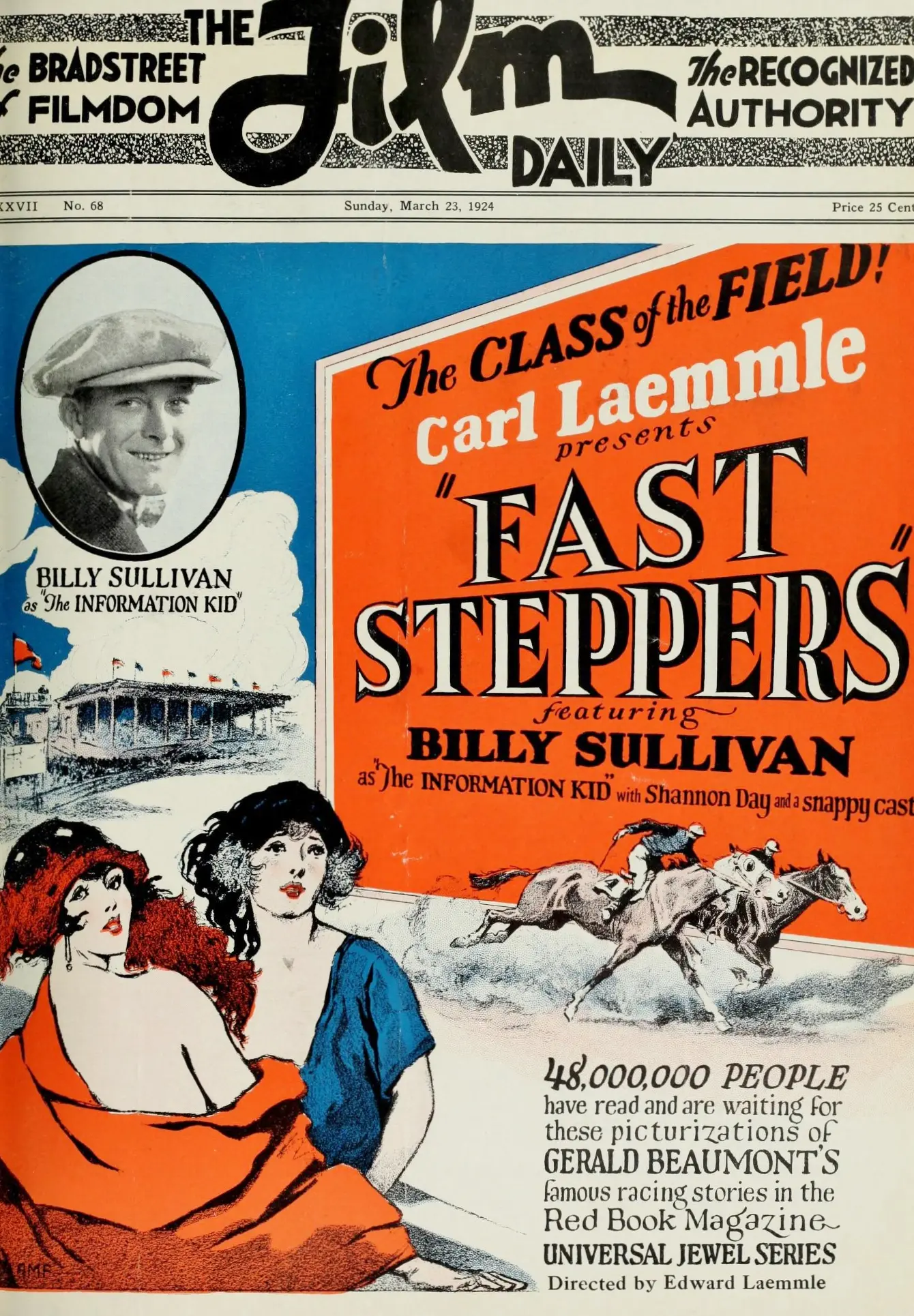
There are certain cinematic experiences that, despite the passage of decades, continue to resonate with an almost primal force, speaking to universal human struggles with an eloquence that transcends their era. "The Get-Away Day," a compelling, if perhaps underappreciated, dramatic tour de force from 1918, is precisely one such film. Penned by the insightful duo of Gerald Beaumont and Scott Darling, and featuring a cast led by the incandescent Shannon Day, this picture is far more than a mere relic; it is a vibrant testament to the indomitable spirit of individuals caught in the relentless gears of injustice and oppression. It’s a narrative that, even a century later, feels strikingly relevant, a poignant reminder that the fight for freedom and dignity is a timeless endeavor.
At its core, The Get-Away Day immerses us in the bleak existence of Eliza Vance (Shannon Day), a young woman whose life has been tragically circumscribed by the machinations of the avaricious Silas Thorne (Cesare Gravina). Thorne, a figure of almost Dickensian villainy, holds the reins of the local mining community, his grip tightening around every aspect of its inhabitants' lives. Eliza's plight is particularly dire: her ailing grandfather, Jedediah Vance (Bert Woodruff), has been cunningly framed by Thorne for an embezzlement scheme that exists only in the villain's calculating mind. This fabricated debt has forced Eliza into a grueling indentured servitude, a life sentence of toil and despair. The screenplay, a masterclass in building tension and empathy, deftly paints a picture of this oppressive environment, allowing the audience to feel the suffocating weight of Thorne’s tyranny. The writers, Beaumont and Darling, do not merely present a plot; they construct a world, rich in its despair yet punctuated by glimmers of defiant hope.
As Jedediah's health wanes, a palpable sense of urgency permeates the narrative. Thorne’s intentions, initially veiled, begin to reveal a more sinister agenda, casting a shadow of forced marriage or worse over Eliza's already bleak future. It is this desperate precipice that galvanizes Eliza, igniting within her a fierce resolve to escape. Her "get-away day" is not merely an impulse; it is a meticulously planned operation, meticulously detailed by the script, centered around the bi-weekly supply train – a symbol of external freedom in a world otherwise devoid of it. The subtle nuances of her planning, the furtive glances, the hushed conversations, all contribute to a mounting suspense that is expertly maintained throughout the film’s runtime. This careful pacing is a hallmark of the era, yet it feels remarkably modern in its psychological depth.
Shannon Day, in the pivotal role of Eliza Vance, delivers a performance of breathtaking intensity and nuanced vulnerability. Her eyes, often wide with fear, can just as quickly flash with a steely determination, conveying a wealth of emotion without the aid of spoken dialogue. It's a masterclass in silent film acting, where every
IMDb 5.9
1923
Community
Log in to comment.