DbcultAccessing Vault...
Cult Review
Senior Film Conservator
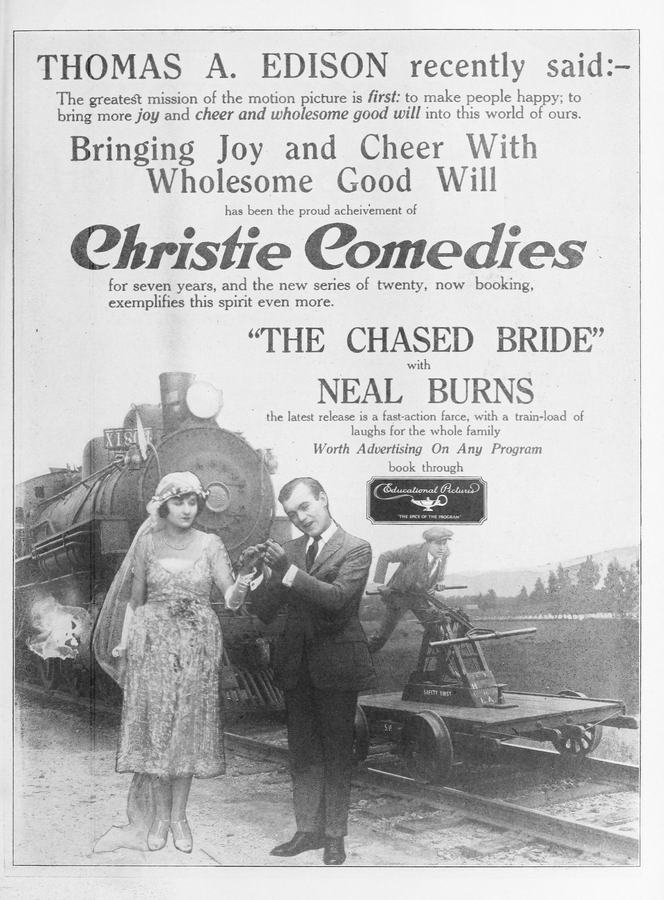
To witness The Chased Bride is to observe the sheer velocity of silent cinema at its most desperate and delightful. While many contemporary critics might dismiss early 1920s comedies as mere relics of slapstick, this particular work, penned by the prolific Scott Darling, operates with a structural complexity that mirrors the social anxieties of its time. It is a film that breathes through its movement, capturing a specific American restlessness that was just beginning to find its voice in the wake of the Great War.
The central conflict is an age-old archetype: the forced marriage. However, Darling’s treatment of the trope elevates it beyond the mundane. We see George C. Pearce portraying a father whose moral compass has been shattered by a secret debt. This isn't the whimsical paternal figure often found in lighter fare like Just Out of College; there is a palpable sense of dread in his eyes, a realization that his daughter’s future is the currency required to buy his silence. The "cad" in question, brought to life with oily precision by Victor Rodman, represents the rising class of opportunists who viewed social standing as something to be seized rather than earned.
Vera Steadman remains one of the more underrated luminaries of the era. In The Chased Bride, she avoids the trap of the passive victim. Her performance is one of constant, vibrating energy. Unlike the somber, tragic weight found in the titular character of Sylvi, Steadman’s ingenue is a creature of action. She doesn't just weep; she calculates. Every frame she occupies feels charged with the potential for escape. This isn't the heavy, suffocating atmosphere of Das Tagebuch einer Verlorenen, but rather a high-stakes chess match played at double time.
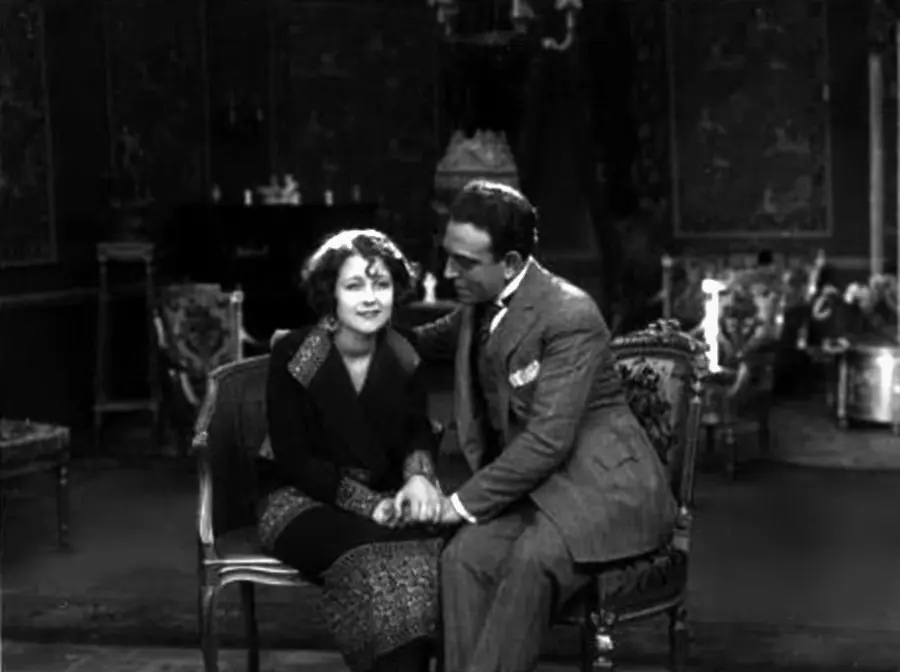
Her chemistry with Neal Burns—the boy who would be her savior—is the film’s heartbeat. Burns brings a boyish athleticism that was the hallmark of the period’s leading men. He is the antithesis of the brooding hero; he is a man of gears, wheels, and frantic sprints. His determination to stop the wedding at any cost provides the film with its titular "chase," a sequence that rivals the locomotive intensity of The Rail Rider. The choreography of his intervention is a masterclass in silent timing, where the geography of the house and the church becomes a labyrinth he must navigate with surgical precision.
The screenplay by Scott Darling deserves a rigorous academic autopsy. Darling understood that in a silent medium, information must be conveyed through escalating tension rather than expository dialogue. The "something" the cad has on the father is never treated as a mere MacGuffin; it is a weight that anchors the film’s more flighty comedic moments. It reminds the audience of the stakes involved, much like the looming shadows in The Shadow of Suspicion.
Darling’s ability to weave together the disparate threads of family honor, romantic idealism, and criminal coercion is nothing short of brilliant. He avoids the melodramatic pitfalls of Playthings of Passion by keeping the focus on the physical manifestation of the conflict. The wedding itself is staged not as a holy union, but as a battlefield. The pacing is relentless, echoing the isolation of a soul against the world, a theme explored with far more grimness in Ene i verden, yet here it is rendered with a defiant sense of optimism.
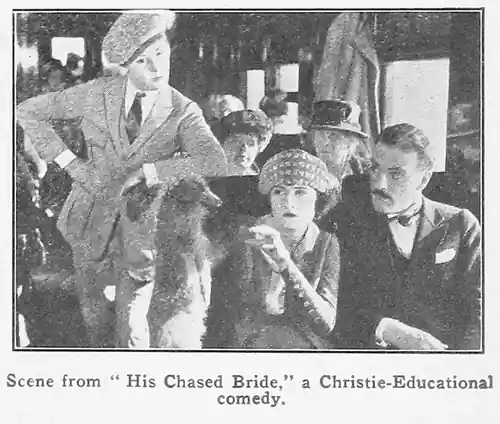
Visually, the film utilizes the contrast between the interior domestic spaces—stifling and controlled—and the exterior world of the chase. The framing of George C. Pearce often feels claustrophobic, suggesting a man trapped by his own past transgressions. This visual storytelling is far more effective than the heavy-handed symbolism found in Alkohol. Instead, The Chased Bride relies on the actor’s physiognomy and the rhythm of the edit.
"The film is a testament to the era's obsession with the 'stolen moment'—the idea that a single act of courage can overturn a lifetime of societal expectation."
When we compare the romantic stakes here to the grander, more operatic themes of The Prisoner of Zenda, we find that The Chased Bride is more intimate, yet no less urgent. It deals with the royalty of the human spirit. The cad is a usurper of the heart, and the boy’s quest is a restoration of the rightful emotional order. The film also touches upon the class dynamics of the early 20th century, albeit subtly. The cad’s power is derived from information—a modern weapon—while the boy’s power is derived from his physical labor and honest love, a dichotomy also present in Tovarishch Abram.
As the film reaches its crescendo, the editing becomes almost avant-garde for its time. The cross-cutting between the preparation for the vows and the obstacles Neal Burns must overcome creates a visceral anxiety. It is a precursor to the modern thriller, yet it retains a whimsical charm that prevents it from becoming a dirge. This balance is difficult to achieve; many films of the era, such as Arme Violetta, succumb to the gravity of their own tragedy. The Chased Bride, however, remains buoyant.
Even the minor characters contribute to this tapestry. Victor Rodman’s portrayal of the cad is nuanced enough to avoid caricature. He is a man who truly believes he is entitled to his prize, making his eventual defeat all the more satisfying. It’s a far cry from the more abstract antagonists in A Gög or the harsh environments of Rose of Nome. Here, the villainy is personal, domestic, and utterly relatable.
The final resolution is a masterclass in catharsis. When the boy finally breaks through the barriers—both physical and social—to claim his bride, it feels like a victory for the audience themselves. It is a "fitting gift" to the viewers, much like the narrative payoffs in A Fitting Gift. The film concludes not with a whimper, but with a roar of engine and heart. It reminds us that while the 'idler' might watch life pass by (as in The Idler), the true lover is always in motion.
Ultimately, The Chased Bride stands as a vibrant example of how silent cinema could tackle serious themes of coercion and agency while maintaining a breakneck pace. It is a film that demands to be seen not just as a historical curiosity, but as a living, breathing piece of art that still resonates with the universal desire to outrun the ghosts of the past and the cads of the present.
IMDb 7
1927
Community
Log in to comment.