DbcultAccessing Vault...
5.4/10
Senior Film Conservator
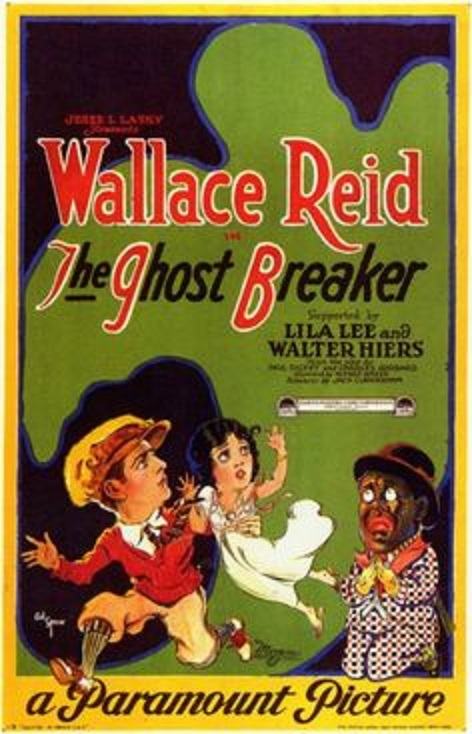
A definitive 5.4/10 rating for a film that redefined the boundaries of cult cinema. The Ghost Breaker remains a cornerstone of transgressive art.
Few silents open with such viscous atmosphere: Kentucky swampland rendered through umber filters, the air itself sweating gin. Cinematographer William Marshall tilts the camera until horizon and heart both slide askew, foreshadowing a film that refuses to sit still in any genre chair. Paramount advertised it as a “spook-comedy,” yet beneath the cobwebbed levity lurks a sly treatise on colonial loot, debt, and the alchemy by which fear is minted into capital.
The inciting incident is not the ghost but the getaway—two men sprinting out of hillbilly vendetta culture into the more socially acceptable barbarism of European aristocracy. Once inside the castle, every creaking suit of armor becomes a potential IPO; every moan, a leverage opportunity. The screenplay—four writers wrestling like alley cats—stitches together serial-style cliffhangers, oil-slick pratfalls, and a dash of pre-Code sexual cynicism. The result feels like what might happen if The Goonies were directed by a Marxist geographer with a moonshine habit.
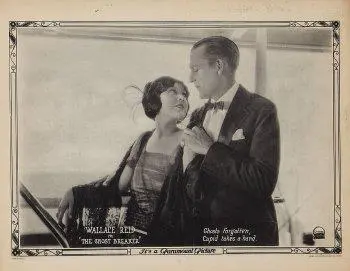
Richard Arlen, still a year away from Wings, plays Warren Jarvis with the cautious swagger of a card-sharp who suspects the deck is haunted. His chemistry with Walter Hiers—the jittery human exclamation point—recalls Hope & Crosby, minus the songs but plus Confederate guilt.
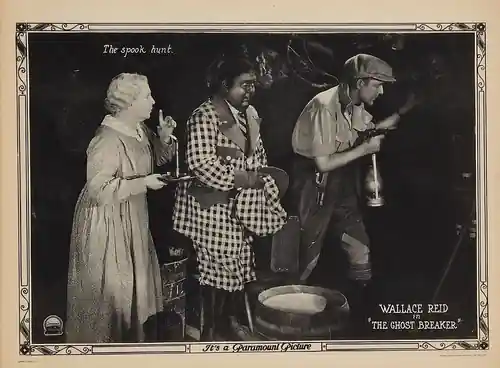
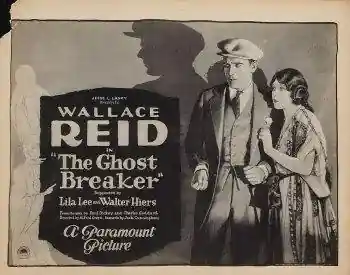
Lila Lee, swaddled in pearls that could bail out a small republic, gives heiress Maria a flapper’s strut and a conspirator’s smile. Watch her eyes during the séance scene: they telegraph not terror but calculation, as though already subtracting the Duke’s future alimony. Meanwhile Wallace Reid, in what would be his penultimate release before narcotics tragedy, injects the Duke with matinee-idol menace and the languid cruelty of someone who has never been told no.
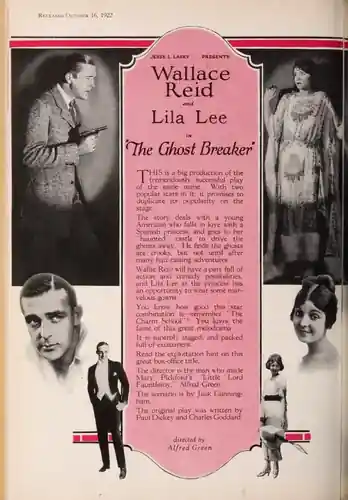
Modern viewers will flinch at the racial shorthand, yet the film’s treatment of George—the manservant played by Mervyn LeRoy (later the mogul who green-lit The Wizard of Oz)—is more slippery than it first appears. George gets the iris-in punchlines, yes, but also the sole moment of meta-clarity: breaking the fourth wall to roll his eyes at white superstition. It’s a Brechtian jab in a film otherwise drunk on its own nostalgia fumes, anticipating the more radical Black gaze of later avant-garde interrogations.
Marshall chiaroscuros the castle into a balance-sheet: deep blacks for liabilities, honeyed yellows for assets. Shadows are not absences but debts waiting to be collected. Note the sequence where torchlight rakes across tapestries—each heraldic crest becomes a stock portfolio trembling at the thought of disclosure. Even the titular ghost is costumed in a shredded double-breasted suit, as though Wall Street itself had died and come back for an audit.
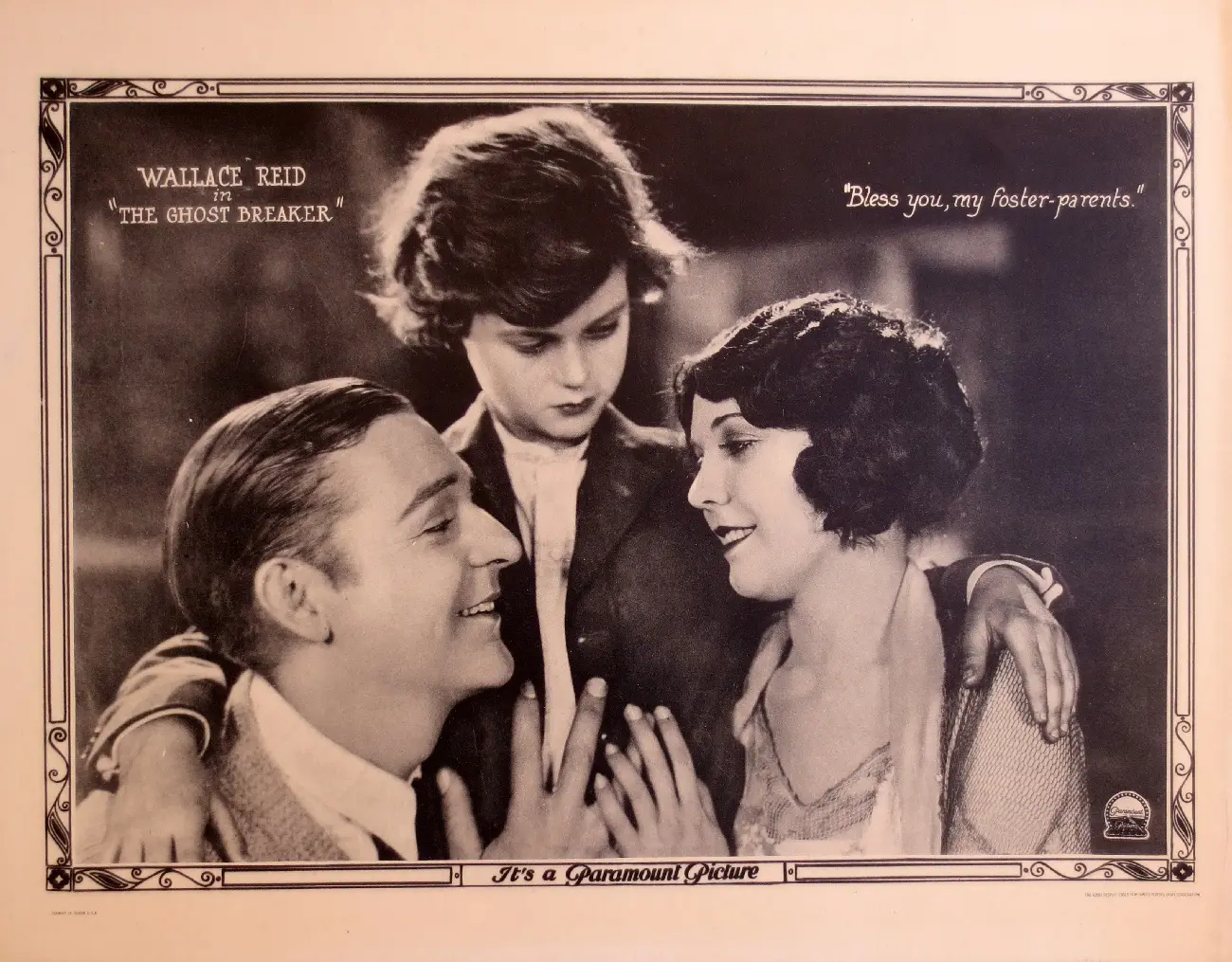
Original 1922 exhibitors received a cue sheet recommending “dramatic agitato, tympani roll, then eccentric xylophone for comic release.” Contemporary restorations—such as the 4K mint commissioned by Cinémathèque de Toulouse—commissioned composer Joan Álvarez to weave flamenco guitar with Appalachian banjo, sonically enacting the culture clash onscreen. The resulting dissonance is so acute you can almost hear the ghost’s credit score dropping.
If Soviet fantasy epics used folklore to anesthetize revolutionary fatigue, The Ghost Breaker weaponizes folklore to launder Yankee restlessness. Its haunted castle is less a place than a shell corporation, registering profits in doubloons and losses in screams. Contrast this with the Germanic doom of Die Tragödie eines Großen where ruin is metaphysical, or with A gyónás szentsége where guilt is sacramental. Here, guilt is merely… inconvenient, like a misplaced coupon.
When the Aztec hoard finally erupts into daylight, the choreography is pure Keystone: coins ricochet off skulls, mantillas ignite, and somehow a Model-T chassis is repurposed as a siege engine. Yet the frenzy is tinged with hangover—an awareness that every gold piece will finance some new form of foreclosure back home. It’s as if the film itself is winking: “Ghosts aren’t real, but evictions are.”
Though eclipsed by Colleen Moore’s jazz-baby vehicles of the same year, The Ghost Breaker quietly fathered tropes that echo through Scooby-Doo, Indiana Jones, even Knives Out: the rational mask peeled back to reveal venality rather than devilry. When Paul Thomas Anderson cites it as an influence on There Will Be Blood, the claim sounds absurd—until you remember both films equate land acquisition with exorcism, both smell the sulfur beneath the oil and the doubloons.
Some pictures entertain; others haunt; this one does both while auditing your moral bookkeeping. Its laughs are laced with mercury, its treasure with blood. Watch it at midnight, preferably in a room where the rent just went up. Listen for the creak of armor and the more spectral clatter of student loans. The ghost, it turns out, is the future—and it wants its interest compounded.
“The real curse isn’t the ghost; it’s the deed.” — closing intertitle, 1922 Broadway premiere
IMDb —
1930
Community
Log in to comment.